


 Deutsch
 English
 Español
 Français
 Nederlands
 Português


 Share
Share




What is the Current US-Iran Military Standoff?
The United States has significantly increased military pressure on Iran in February 2026, deploying additional carrier strike groups to the Middle East while simultaneously pursuing diplomatic negotiations over Iran's nuclear program. This dual-track approach represents a critical moment in US-Iran relations that could determine whether the region faces renewed conflict or achieves a diplomatic breakthrough.
Military Buildup: Carrier Strike Groups and Regional Deployment
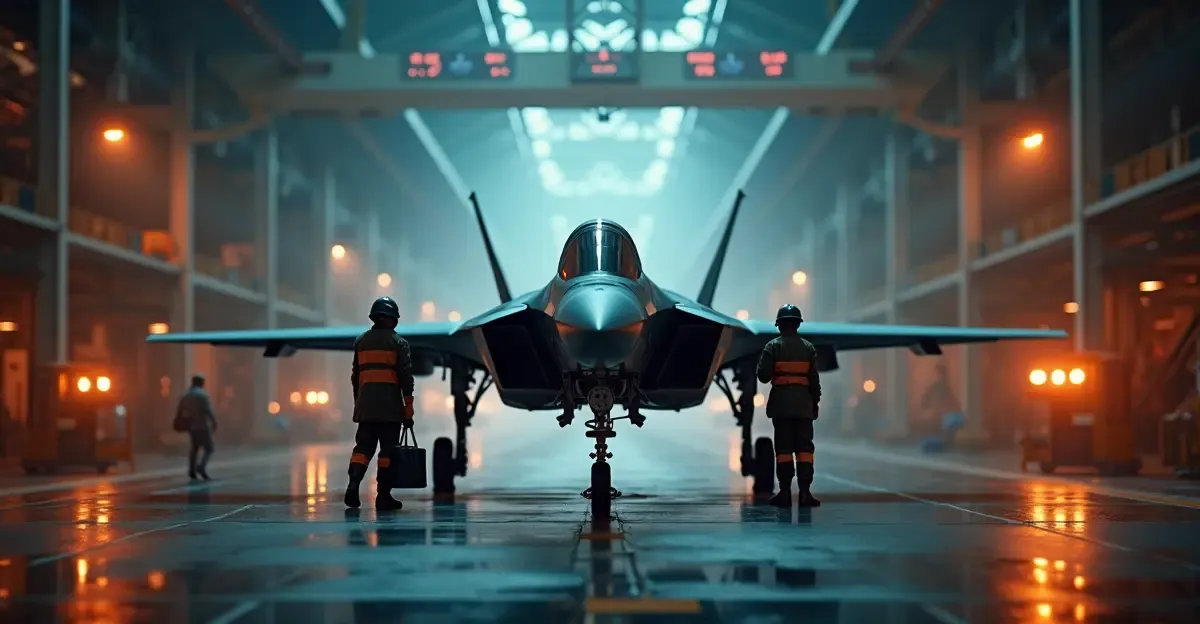
President Donald Trump has confirmed that the US is considering sending a second aircraft carrier to the Middle East, adding to the USS Abraham Lincoln already positioned in the Arabian Sea. The current deployment includes the USS Abraham Lincoln carrier strike group, which features combat aircraft, Tomahawk missiles, and multiple accompanying naval vessels. Since the weekend, dozens of C-17 transport aircraft have also been flown to the Gulf region, indicating further military buildup.
'We have an armada on the way to the region, and I'm thinking about sending another carrier strike group,' President Trump stated in recent interviews. 'Either we make a deal, or we have to do something very tough, like last time.'
Unusual Military Movements Signal Heightened Readiness
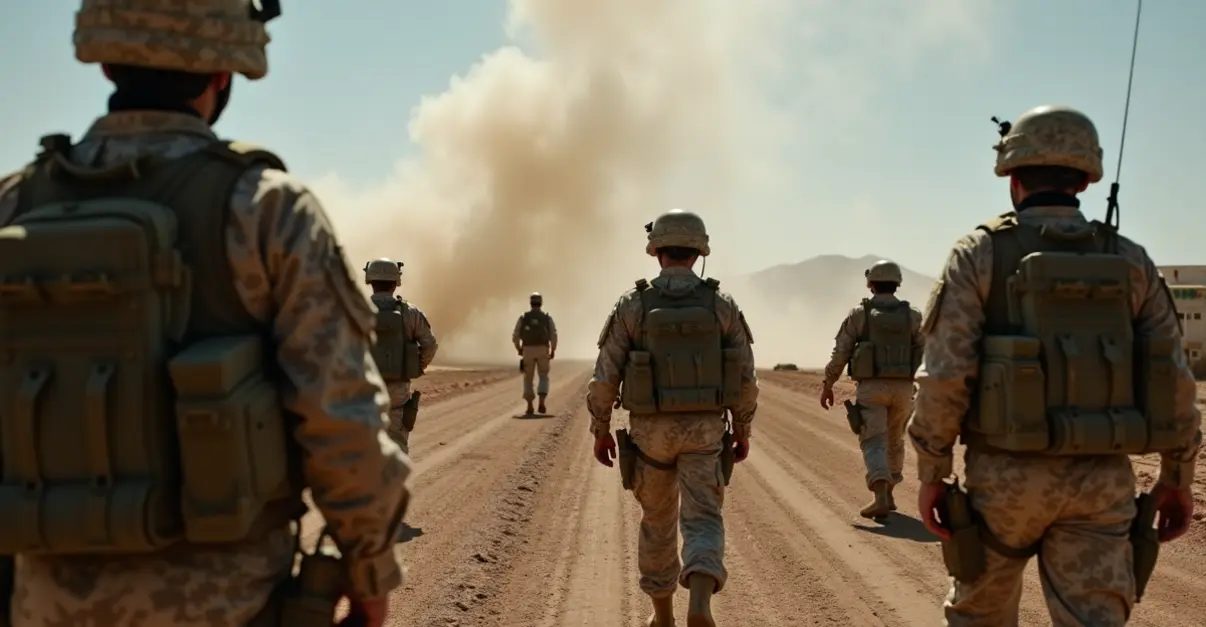
Satellite imagery has shown increased US military readiness at Qatar's Al-Udeid Air Base, including mobile Patriot missile systems and additional aircraft. American patrol flights have been observed over the Persian Gulf, consistent with elevated alert levels. This military posture comes as part of the broader 2026 US military buildup in the Middle East, which began in late January as a response to rising tensions with Iran.
Diplomatic Efforts: Nuclear Negotiations in Oman
While military pressure escalates, diplomatic channels remain active. The US and Iran began indirect negotiations in Oman on February 6, 2026, marking the first talks since the twelve-day war between Iran and Israel in June 2025. A second round of talks is scheduled for next week, with Oman continuing its traditional role as mediator between the two nations.
Iran's top security official, Ali Larijani, has been conducting a diplomatic shuttle across the region. On February 10, he met with Omani Sultan Haitham bin Tariq Al Said for nearly three hours, followed by meetings in Qatar where he conveyed Iran's positions ahead of the upcoming negotiations. Larijani also met with Hamas leaders in Doha and Houthi representatives in Muscat, signaling Iran's coordination with regional allies.
Key Differences in Negotiating Positions
What Does the US Want?
The United States has presented several key demands in the negotiations:
- Complete cessation of uranium enrichment by Iran
- Transfer of Iran's stockpile of highly enriched uranium to a third country
- Limitations on Iran's ballistic missile arsenal
- End to Iranian support for armed groups in the region
What Does Iran Want?
Iran maintains several counter-demands:
- Lifting of all US sanctions against Iran
- Recognition of Iran's right to peaceful nuclear energy
- Limiting negotiations to nuclear issues only, excluding missiles and regional activities
- Verification that the US will act independently from Israeli pressure
Nuclear Program Status: Critical Uranium Stockpiles
According to the International Atomic Energy Agency (IAEA), Iran currently possesses more than 400 kilograms of uranium enriched to 60% purity. This level is dangerously close to the 90% threshold required for nuclear weapons production. Iran's nuclear chief, Mohammad Eslami, has indicated that Iran might be willing to dilute this highly enriched uranium if all sanctions are lifted.
'Iran's nuclear program is exclusively peaceful,' Iranian officials consistently maintain, though they acknowledge temporarily halting enrichment after US and Israeli attacks on nuclear facilities at Natanz, Fordo, and Isfahan in June 2025.
Regional and International Reactions
Israel's Position
Israeli Prime Minister Benjamin Netanyahu visited Washington during this critical period, expressing skepticism about the prospects for a broader deal. Netanyahu wants Iran's missile program included in negotiations and has emphasized the importance of the talks for regional security.
Domestic US Opposition
A coalition of 25 American civil society organizations has called on Congress to block military intervention without parliamentary approval. Senators have introduced a resolution to limit US involvement in any potential war against Iran, reflecting growing domestic concern about escalation.
Gulf State Concerns
Regional powers, particularly Gulf states, strongly desire to prevent another war in the Middle East. Their preference for diplomatic solutions adds pressure on both Washington and Tehran to find common ground.
Potential Outcomes and Implications
The current situation presents several possible scenarios:
- Diplomatic breakthrough: A new nuclear agreement that addresses both sides' core concerns
- Continued stalemate: Talks continue without significant progress while military pressure persists
- Escalation to conflict: Failed negotiations leading to military confrontation
- Regional proxy conflict: Increased tensions manifesting through Iran's allies like the Houthis or Hezbollah
The dual approach of military pressure and diplomacy reflects the complex Middle East security dynamics that have characterized US-Iran relations for decades. As one regional analyst noted, 'The threat of force makes diplomacy possible, but excessive pressure can make it impossible.'
FAQ: US-Iran Military and Nuclear Standoff 2026
Why is the US sending more carriers to the Middle East?
The US is increasing military pressure on Iran to strengthen its negotiating position in nuclear talks and deter potential Iranian aggression.
What are the main sticking points in nuclear negotiations?
Key differences include Iran's uranium enrichment levels, ballistic missile program, regional activities, and the scope of sanctions relief.
How close is Iran to having nuclear weapons?
Iran has 400+ kg of uranium enriched to 60%, close to the 90% needed for weapons, but maintains its program is peaceful.
What role does Oman play in the talks?
Oman serves as neutral mediator, hosting indirect talks between US and Iranian officials in Muscat.
Could this lead to war?
While possible, both sides appear to prefer diplomacy, though military preparations continue as contingency planning.

Follow Discussion