


 Deutsch
 English
 Español
 Français
 Nederlands
 Português


 Share
Share




Massive American Military Deployment Surrounds Iran
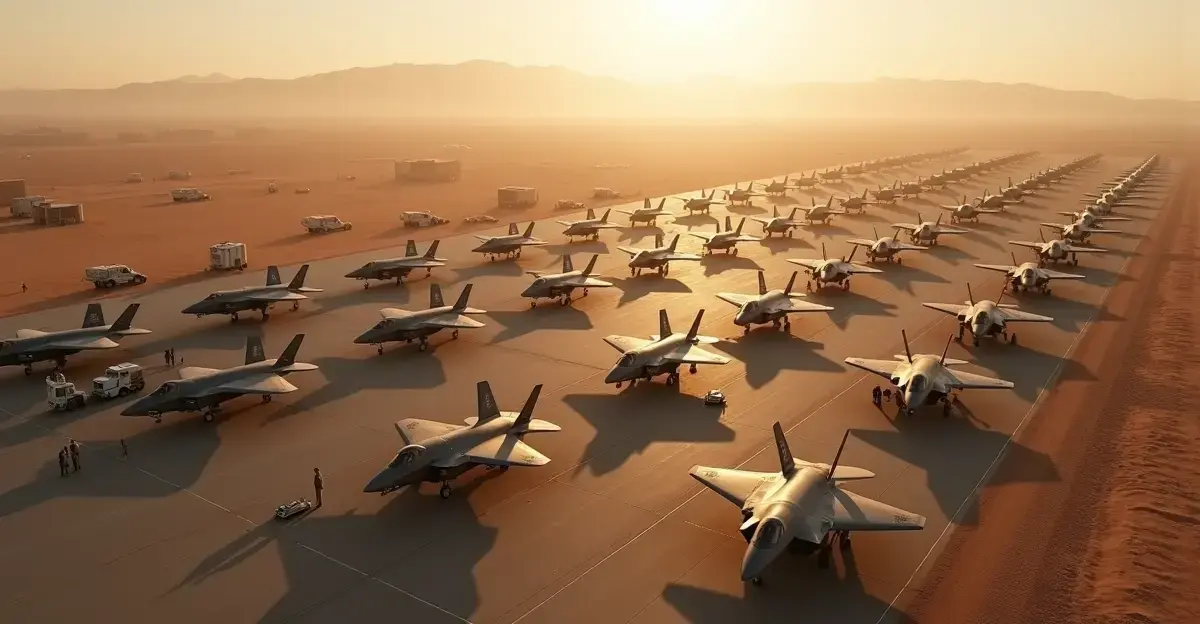
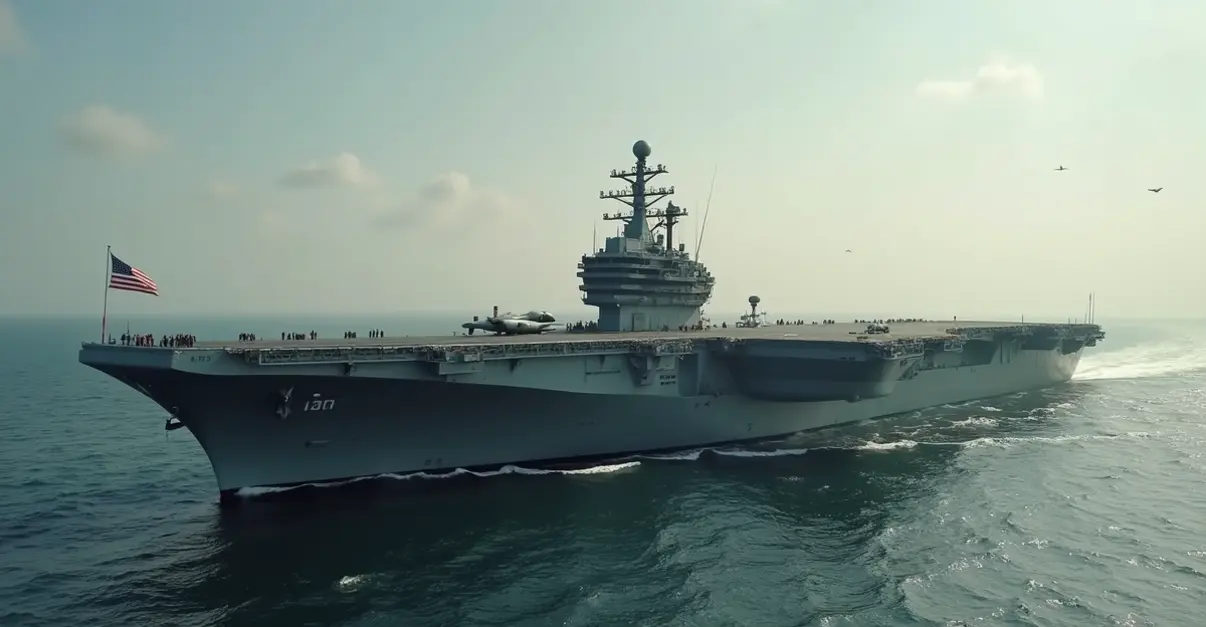
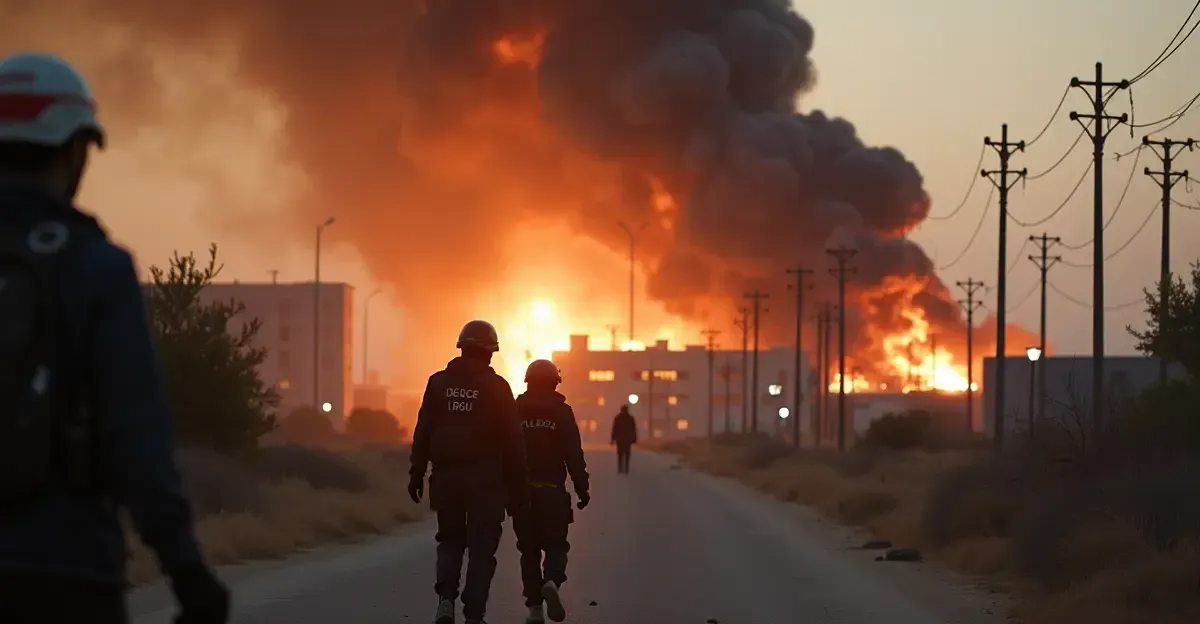
The Middle East is witnessing one of the most significant American military buildups in recent years as tensions with Iran reach a boiling point. Satellite imagery from Jordan reveals a substantial deployment of US fighter jets and military aircraft at bases across the country, while the USS Abraham Lincoln Strike Group—a nuclear-powered aircraft carrier accompanied by destroyers—has arrived in the operational area of the US Central Command in Qatar.
This military escalation comes against the backdrop of ongoing protests in Iran that have been brutally suppressed by security forces. While the streets of Tehran have grown quieter, eyewitnesses report that the crackdown has been far more violent than initially acknowledged, with some media outlets like Time magazine reporting death tolls significantly higher than the official figures.
Regional Airlines Cancel Flights Amid Security Concerns
The escalating tensions have already impacted civilian air travel across the region. Major European carriers including KLM, Air France, British Airways, and Lufthansa have canceled flights to Israel and Gulf states due to security concerns. KLM has gone further, evacuating staff from Saudi Arabia's Dammam and Dubai.
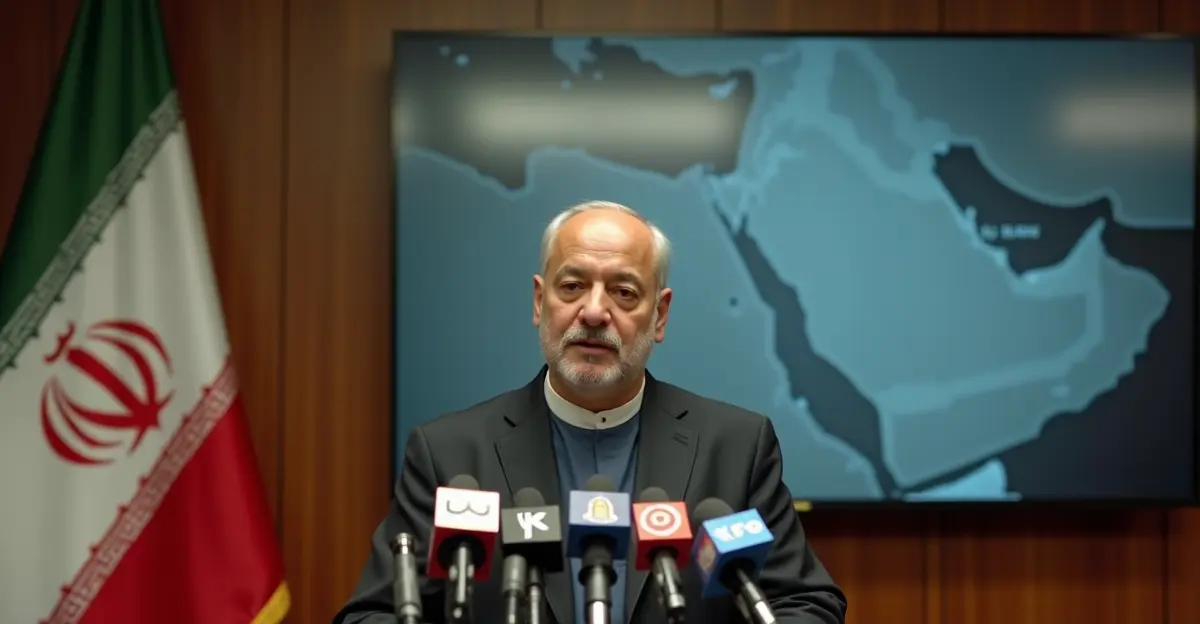
Israel has raised its military and air force alert levels to their highest state, though civilian defense instructions from the Home Front Command remain unchanged for now. Meanwhile, Iran has issued stark warnings, stating that any military action would be met with "total war" and that American and coalition troops would become legitimate targets.
The Delicate Balance of Power in the Gulf
What makes this situation particularly complex is the nuanced position of Gulf states toward potential military action against Iran. According to Major General (Ret.) Sayed Ghoneim, Chairman of the Institute for Global Security & Defense Affairs in Abu Dhabi, Gulf nations are surprisingly hesitant about intervention—not because they support the Iranian regime, but because the consequences could be difficult to control.
'What the Gulf states especially don't want is a Middle East where Israel becomes uncontestedly dominant,' explains Ghoneim. 'Iran has functioned for years as a sort of 'balance valve' against Israeli superiority: imposed and unpopular, but strategically useful. Undermining or collapsing Iran would remove that brake and give Israel space to enforce its regional dominance.'
Ghoneim, a retired Egyptian general with extensive regional security expertise, notes that this explains why countries around the Gulf prefer maintaining a complicated balance of power with multiple poles. 'They have an interest in Iran continuing to exist, not as an ally, but as a factor that maintains the balance,' he says. 'Not because they want Iranian influence, but because they don't want a region where one player determines everything: not Israel, and not an unlimited advance by Saudi Arabia either.'
Washington's Strategic Objectives
With the Iranian regime still firmly in power, questions remain about what Washington hopes to achieve with this military buildup. According to Ghoneim, the primary goal isn't formal regime change but rather forced behavioral modification: rolling back Iran's nuclear program, containing its regional influence, and restoring deterrence.
'Regime collapse remains an objective, but not an overt American commitment, because Washington wants strategic outcomes without afterward becoming the owner of the chaos after a collapse,' says Ghoneim.
He sees two possible directions for US strategy: 'If Trump prioritizes collapsing the regime, that could happen through fueling a new protest wave, or through eliminating the symbols of the system, like Khamenei and specific leaders of the Revolutionary Guard.'
'And if the priority lies in forcing cooperation? Then especially the nuclear, military, and economic capabilities become the target, with the message: bend or face further loss of strategic space.'
High-Stakes Regional Calculus
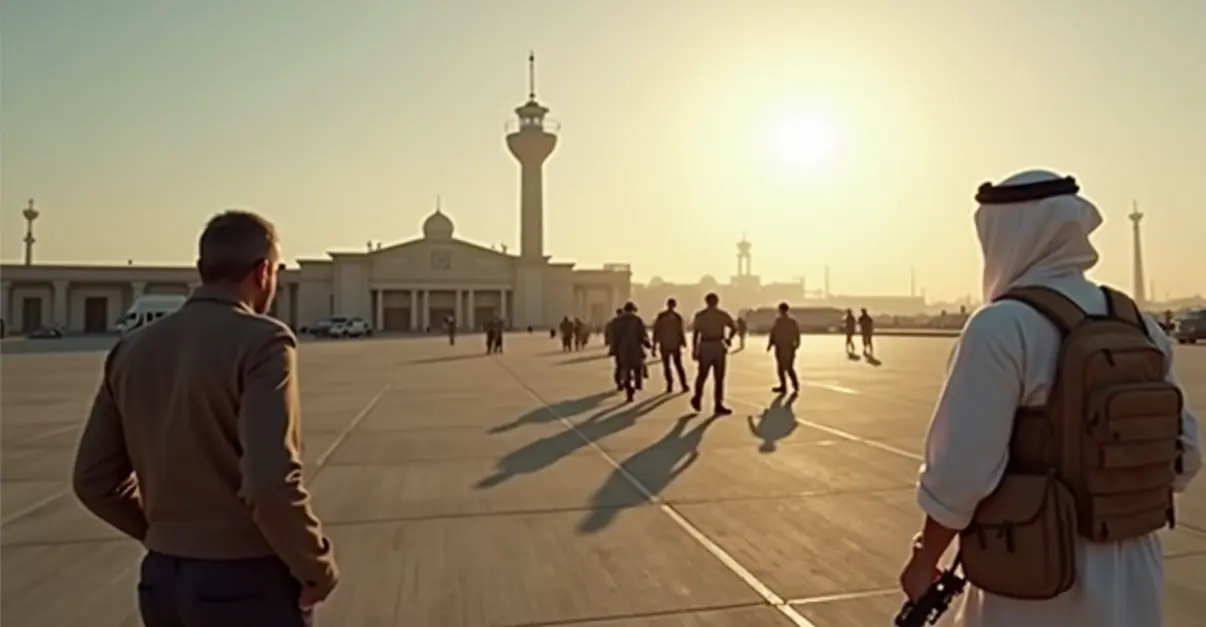
The American airbase Al-Udeid in Qatar, which also houses the US Central Command, lies well within Iran's attack range. However, Washington appears to be trying to keep Gulf states out of the direct line of fire by deploying the aircraft carrier and utilizing bases in Jordan and other locations.
As the region holds its breath, the coming days will reveal whether this massive military deployment serves as a deterrent, a prelude to limited strikes, or the beginning of a more extensive confrontation that could reshape the Middle East's geopolitical landscape for years to come.

Follow Discussion