


 Deutsch
 English
 Español
 Français
 Nederlands
 Português


 Share
Share




What is Dubai's Social Media Crackdown?
Dubai's social media influencers are facing unprecedented restrictions as the United Arab Emirates implements strict new regulations that threaten prison sentences and massive fines for content related to the ongoing conflict with Iran. The UAE's coordinated media strategy aims to maintain Dubai's image as a safe, luxurious destination despite daily drone attacks and missile threats that have disrupted the region since early 2026. This crackdown represents a significant escalation in the Gulf state's efforts to control online narratives during wartime, with influencers becoming key players in a government-led public relations campaign.
The UAE's Media Strategy During Conflict
Since Iran launched retaliatory attacks against Gulf states in February 2026, the UAE has implemented a comprehensive media strategy focused on preserving Dubai's reputation as a global business and tourism hub. 'Media and entertainment are important spearheads of their policy,' explains Mark Deuze, professor of media studies at the University of Amsterdam. 'It's up to influencers to present that part of the world as safe, beautiful, rich, and certainly worth a visit.' This approach has transformed social media platforms into carefully curated spaces where the reality of war is systematically erased.
The strategy operates on multiple levels. First, the UAE offers lucrative Golden Visas to influencers who agree to promote positive content about the country. These ten-year tax-free residency permits come with strict conditions requiring content that aligns with national interests. Second, the government has implemented Federal Media Law No. 55 of 2023, which establishes 20 mandatory content standards and threatens violators with fines up to Dh1 million (approximately $272,000) and imprisonment.
How Influencers Are Being Controlled
The control mechanisms extend beyond simple censorship. Influencers face a complex system of regulations that includes:
- Mandatory dual licensing: Business licenses from the Department of Economic Development and media licenses from the UAE Media Council
- Required advertising permits for promotional content with permit numbers displayed on posts
- AI-powered monitoring by the UAE Media Council in partnership with social media platforms
- Broad content restrictions prohibiting anything that might 'disturb national unity or social cohesion'
This regulatory framework has created what experts describe as 'soft censorship' where influencers self-regulate to protect their livelihoods. 'It's not direct censorship,' notes Deuze. 'It's not that someone directly tells them they can't say there's bombing. It works much more subtly, for example that your visa can be revoked if you don't post positive content.'
The Reality Behind the Curated Content
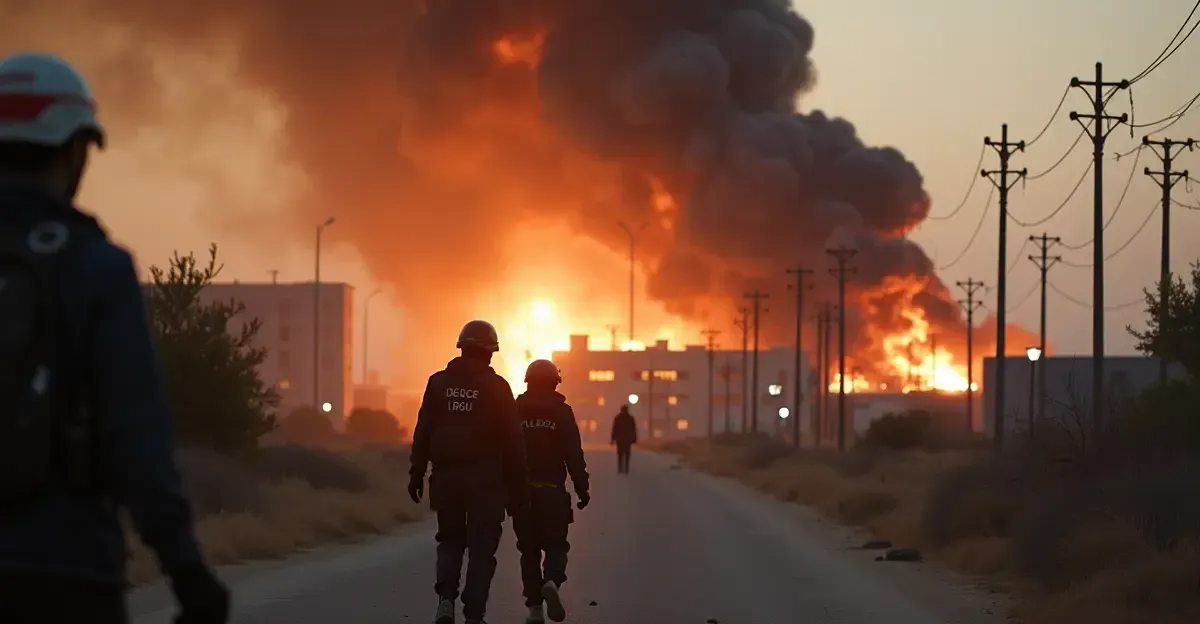
While influencers post idyllic scenes of Dubai's beaches and luxury shopping malls, the reality on the ground tells a different story. Iranian drones and missiles have targeted key infrastructure including Dubai International Airport and luxury hotels, with debris falling in residential areas. Travelers returning from the region report 'windows rattling in their frames' during attacks, and several European nations have organized evacuation flights for their citizens.
The contrast between social media content and actual conditions has created what media experts call a 'pastiche effect.' Viewers increasingly recognize the disconnect between curated content and reality, leading to widespread skepticism in comment sections. However, this awareness hasn't stopped the coordinated campaign from circulating widely, creating confusion about actual safety conditions in the region.
Legal Consequences and Human Rights Concerns
The UAE's crackdown raises significant human rights concerns, particularly regarding freedom of expression. The country's media regulations are notoriously vague, with broad prohibitions against content that might 'go against the prevailing values in society.' This ambiguity creates a chilling effect where influencers avoid any potentially controversial topics.
Legal penalties are severe and include:
| Violation | Penalty |
|---|---|
| Operating without license | Dh10,000-40,000 fine |
| Content inciting crimes | Dh150,000 fine |
| Disrespecting national symbols | Dh50,000-500,000 fine |
| Serious content standard breaches | Up to Dh1 million fine + imprisonment |
These regulations apply to all media forms including social media, websites, and digital advertising. The situation is particularly concerning for foreign influencers who lack the protections of their home countries' free speech standards. Campaign groups like Detained in Dubai have documented cases of foreigners facing legal consequences for social media posts, highlighting the risks for content creators operating in the UAE.
Impact on Dubai's Global Image and Economy
The coordinated media campaign reflects Dubai's broader economic strategy. As a city built on tourism, real estate, and international business, maintaining an image of stability is crucial. The Middle East conflict escalation threatens this carefully constructed reputation, potentially impacting foreign investment and tourism revenue.
Experts warn that prolonged conflict could undermine Dubai's economic model as a tax-free haven for wealthy expatriates. The city's population is approximately 90% expatriate, making narrative control particularly important for maintaining social stability. However, the gap between curated content and reality may ultimately damage credibility more than protect it.
Similar media control strategies are being implemented across the Gulf region, with Qatar detaining over 300 people for sharing attack footage and Kuwait banning all conflict-related publications. This regional approach to information control represents a significant shift in how Middle Eastern governments manage wartime narratives in the digital age.
FAQ: Dubai Influencer Regulations and War Coverage
What are influencers allowed to post about the war in Dubai?
Influencers are restricted to positive content that aligns with UAE national interests. They cannot post about attacks, damage, or safety concerns without risking legal consequences including fines and imprisonment.
How much can influencers be fined for violating UAE media laws?
Fines range from Dh10,000 for operating without a license to Dh1 million for serious content violations. Additional penalties can include imprisonment and visa revocation.
What is the UAE Golden Visa program for influencers?
The Golden Visa offers ten-year tax-free residency to influencers who promote positive content about the UAE. Recipients must comply with strict content guidelines and face visa revocation for violations.
How does this affect freedom of speech in the UAE?
The regulations severely restrict freedom of expression, particularly regarding government criticism or conflict reporting. The vague wording of laws creates a chilling effect where people self-censor to avoid legal consequences.
Are other Gulf countries implementing similar restrictions?
Yes, Qatar, Kuwait, and Saudi Arabia have all implemented similar media controls during the conflict, though the UAE's regulations are particularly comprehensive and strictly enforced.


Follow Discussion