


 Deutsch
 English
 Español
 Français
 Nederlands
 Português


 Share
Share




The outbreak of the Iran war in February 2026 has triggered the largest oil supply disruption on record, sending Brent crude surging over 55% and forcing the International Monetary Fund (IMF) and World Bank to slash their global growth forecasts. The IMF's April 2026 World Economic Outlook projects global growth will slow to 3.1% this year, while the World Bank warns that developing economies face inflation averaging 5.1% — a full percentage point above pre-war estimates. With a fragile two-week ceasefire approaching expiration, policymakers confront a deepening crisis that combines energy price shocks, rising defense expenditures, and widening fiscal deficits.
The Largest Oil Supply Shock in History
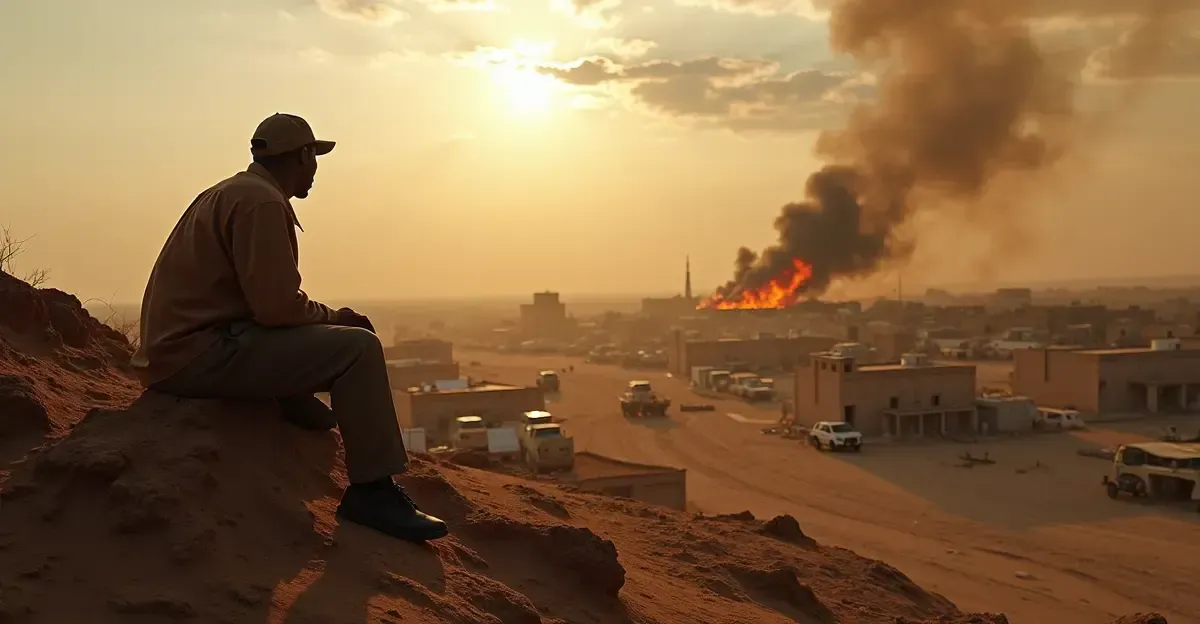
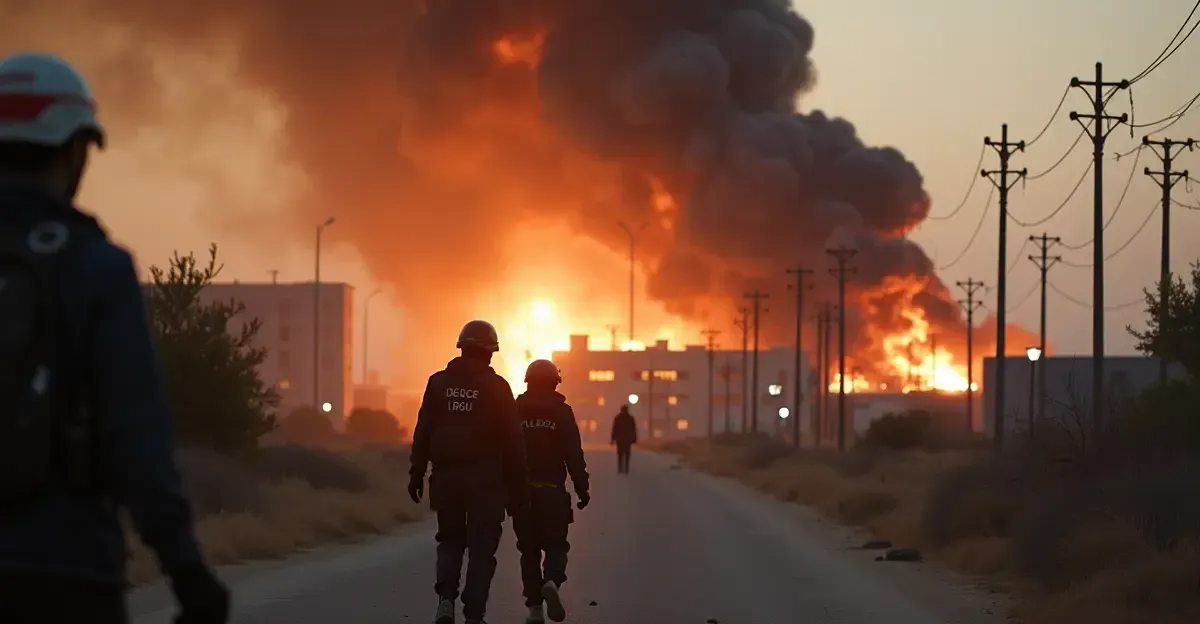
Since the U.S.-Israel coalition launched strikes against Iran on February 28, 2026, global oil markets have been thrown into turmoil. The closure of the Strait of Hormuz — through which approximately 20% of the world's oil passes — along with attacks on energy infrastructure across the Gulf region, has removed an estimated 7.5 to 9.1 million barrels per day from global supply. Brent crude jumped from $72 per barrel before the conflict to nearly $120 at its peak, with March recording a 51% monthly gain — one of the largest on record. The International Energy Agency has called this the largest supply disruption in oil market history.
The World Bank's April 2026 Commodity Markets Outlook projects energy prices will rise 24% for the full year, with Brent averaging $86 per barrel. In a worst-case scenario involving prolonged hostilities, Brent could reach $115 per barrel. Fertilizer prices are forecast to jump 31%, with urea up 60%, threatening food security for import-dependent developing nations. The global energy crisis of 2026 is cascading through supply chains, with Asian LNG spot prices soaring over 140% and airlines across Southeast Asia adding surcharges or canceling flights due to jet fuel scarcity.
IMF and World Bank Downgrade Growth Forecasts
The IMF's April 2026 World Economic Outlook, released ahead of the Spring Meetings in Washington, D.C., presents a stark picture. Global growth is projected at 3.1% in 2026, down from 3.4% in 2025 and 0.2 percentage points below the IMF's January forecast. The baseline assumes a limited conflict, but under a severe scenario with prolonged energy market turbulence, global growth could fall to around 2% — a threshold associated with recession in many economies. Global headline inflation is revised upward to 4.4% for 2026, with emerging markets and developing economies experiencing the sharpest price pressures.
The World Bank's outlook is equally grim for developing nations. Growth in these economies is expected to slow to 3.6% in 2026, a downward revision of 0.4 percentage points since January. Inflation is projected at 5.1%, up from 4.7% in 2025, eroding household purchasing power and pushing an estimated 45 million more people into acute food insecurity. World Bank Chief Economist Indermit Gill warned that war is "development in reverse," with the poorest households bearing the heaviest burden. The IMF World Economic Outlook April 2026 underscores that downside risks dominate, including a prolonged conflict, deepening geopolitical fragmentation, and renewed trade tensions.
Defense Spending Surge Strains Fiscal Balances
Compounding the energy crisis, rising military expenditures across major economies are worsening fiscal deficits and public debt loads. The IMF's Chapter 2 analysis of defense spending finds that large buildups — averaging 2.7 percentage points of GDP — increase inflation, worsen fiscal deficits by approximately 2.6% of GDP, and raise public debt by about 7% within three years. The Pentagon has disclosed that Operation Epic Fury, the U.S. military campaign against Iran, has cost approximately $25 billion since late February, with the FY 2027 defense budget request reaching $1.5 trillion.
European allies are also ramping up spending, with NATO members pledging to meet the 2% of GDP target amid political pressure. However, the IMF warns that deficit-financed military spending creates a structural trade-off between military readiness and economic stability. "Defense buildups typically boost economic activity in the short term by lifting consumption and investment, but over time they add to public debt," the IMF said in its report. The defense spending and fiscal deficits dilemma is particularly acute for emerging economies that must balance security needs against social spending and debt sustainability.
Ceasefire at a Crossroads
The two-week ceasefire brokered by Pakistan, effective from April 8, 2026, is approaching expiration with negotiations hanging in the balance. The truce temporarily halted hostilities and allowed for the reopening of the Strait of Hormuz, but violations have been reported on both sides. Iran has demanded an end to the U.S. naval blockade of its ports as a condition for further talks, while President Trump has warned that "lots of bombs" will resume if no deal is reached. Iran has countered by threatening to destroy the region's oil industry if war resumes.
Analysts warn that even if the Strait of Hormuz reopens fully, supply chain bottlenecks and damaged infrastructure will likely keep Brent anchored in the $80–$90 range rather than returning to pre-crisis levels. The Iran ceasefire negotiations 2026 represent a critical juncture: a durable peace could stabilize markets and allow for gradual recovery, while a breakdown would risk sending oil prices above $120 and tipping the global economy into recession.
Expert Perspectives
"The combination of an oil supply shock, rising defense spending, and fragile ceasefire negotiations creates a uniquely dangerous moment for the global economy," said Mohammed Imran of Mirae Asset Sharekhan, who forecasts Brent at $90 per barrel by Q4 2026 with risks skewed to $120. "We've moved from a 1.8 million barrel per day surplus in 2025 to a 9.6 million barrel per day deficit in Q2 2026. That kind of swing is unprecedented outside of world wars."
Professor Linda Bilmes of Harvard Kennedy School, who has tracked war costs for decades, noted that the U.S. has depleted critical munitions at an alarming rate. "More Patriot missiles were fired in four days than were sent to Ukraine over four years. The financial cost could reach one trillion dollars when all is accounted for."
FAQ
What caused the oil price surge in 2026?
The Iran war, which began on February 28, 2026, led to the closure of the Strait of Hormuz and attacks on energy infrastructure, removing 7.5–9.1 million barrels per day from global supply. Brent crude surged over 55% from $72 to nearly $120 per barrel.
How much has the Iran war cost the United States?
The Pentagon has reported approximately $25 billion in direct costs through April 2026, with the FY 2027 defense budget request at $1.5 trillion. Total costs including long-term obligations could reach $1 trillion.
What is the IMF's global growth forecast for 2026?
The IMF projects global growth of 3.1% in 2026, down from 3.4% in 2025. Under a severe scenario with prolonged energy disruptions, growth could fall to around 2%.
How are developing economies being affected?
The World Bank projects inflation in developing economies at 5.1% in 2026, with growth slowing to 3.6%. Higher energy and fertilizer prices threaten food security, potentially pushing 45 million more people into acute hunger.
What happens if the ceasefire collapses?
A collapse would likely lead to a renewed closure of the Strait of Hormuz, sending oil prices above $120 per barrel and potentially triggering a global recession, with growth falling to around 2% and inflation near 6%.
Conclusion: A Fragile Recovery Hangs in the Balance
The Iran war has exposed the deep interdependence between geopolitical stability and economic prosperity. The IMF and World Bank's April 2026 outlooks paint a sobering picture of slower growth, higher inflation, and mounting fiscal pressures. As the ceasefire deadline looms, the choices made in Islamabad and Washington will determine whether the global economy can avoid a deeper crisis. The global economic outlook 2026 remains highly uncertain, with recovery contingent on sustained peace, the reopening of energy trade routes, and prudent fiscal management that balances security needs with long-term stability.



Follow Discussion