


 Deutsch
 English
 Español
 Français
 Nederlands
 Português


 Share
Share




IMF Chief Warns: 'Think of the Unthinkable' as Middle East Conflict Threatens Global Economy
International Monetary Fund Managing Director Kristalina Georgieva has issued a stark warning to global policymakers, urging them to 'think of the unthinkable and prepare for it' as the Middle East conflict creates unprecedented economic risks. With oil prices surging toward $120 per barrel and shipping through the critical Strait of Hormuz collapsing by 90%, the IMF chief's warning comes at a time when global markets face their most severe energy crisis in decades.
What is the IMF's 'Think of the Unthinkable' Warning?
The IMF's 'think of the unthinkable' warning represents a call for global policymakers to prepare for worst-case economic scenarios amid escalating Middle East tensions. Speaking in Tokyo, Georgieva emphasized that even if the current conflict ends, new shocks could emerge, creating a 'new normal' of continued uncertainty for global markets. This warning follows the effective closure of the Strait of Hormuz, which carries approximately 20% of global oil supply and half of Asia's oil imports.
The Economic Impact of the Middle East Crisis
Energy Price Shock and Global Inflation
Georgieva outlined specific economic consequences that could result from prolonged Middle East conflict. She stated that a 10% increase in energy prices persisting for a year would push global inflation up by 40 basis points and slow economic growth. However, current price increases far exceed this threshold, with European gas prices more than doubling and oil prices nearly tripling in recent weeks. The IMF will publish a more detailed analysis in its upcoming World Economic Outlook report in April 2026.
The current crisis has already triggered massive market reactions, with Brent Crude prices soaring toward $120 per barrel and the US Dollar surging to multi-year highs as investors seek safe havens. The situation resembles previous energy shocks but with potentially more severe consequences due to the strategic importance of the Strait of Hormuz. Similar to the 1973 Arab oil embargo, this crisis threatens to reshape global energy markets and economic relationships.
Strait of Hormuz: The World's Economic Artery
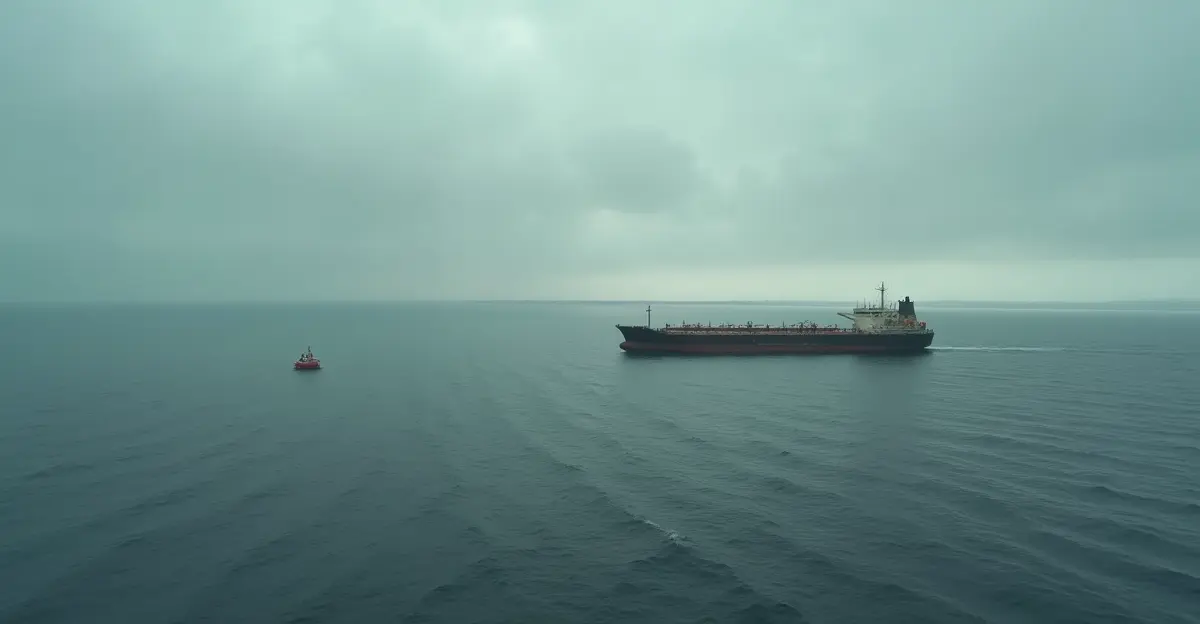
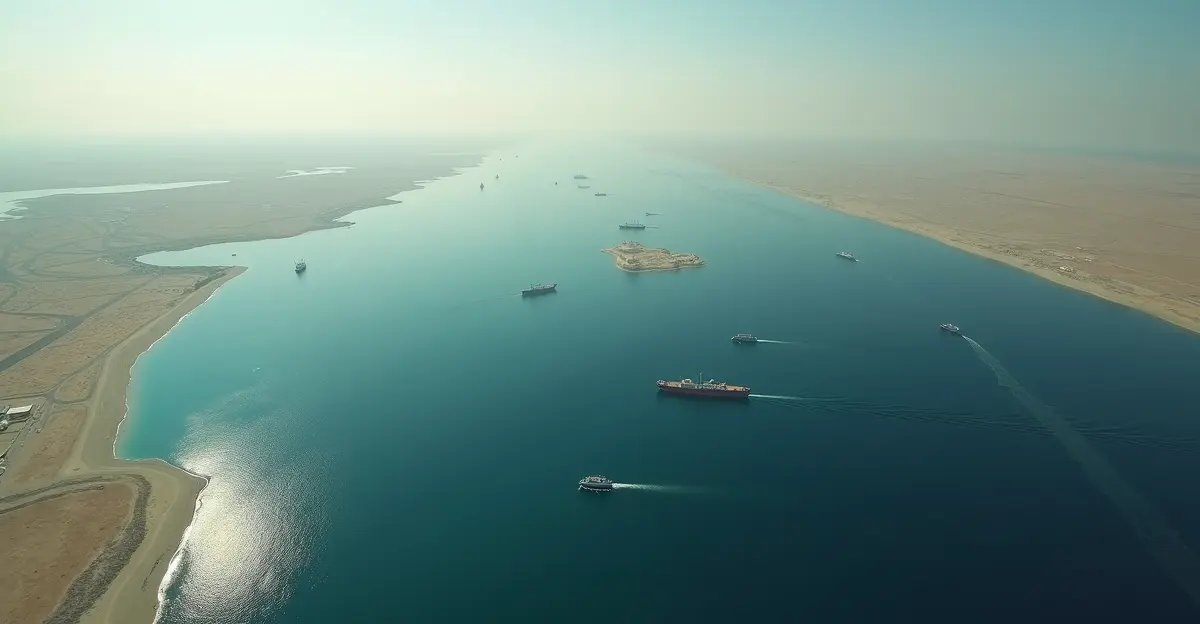
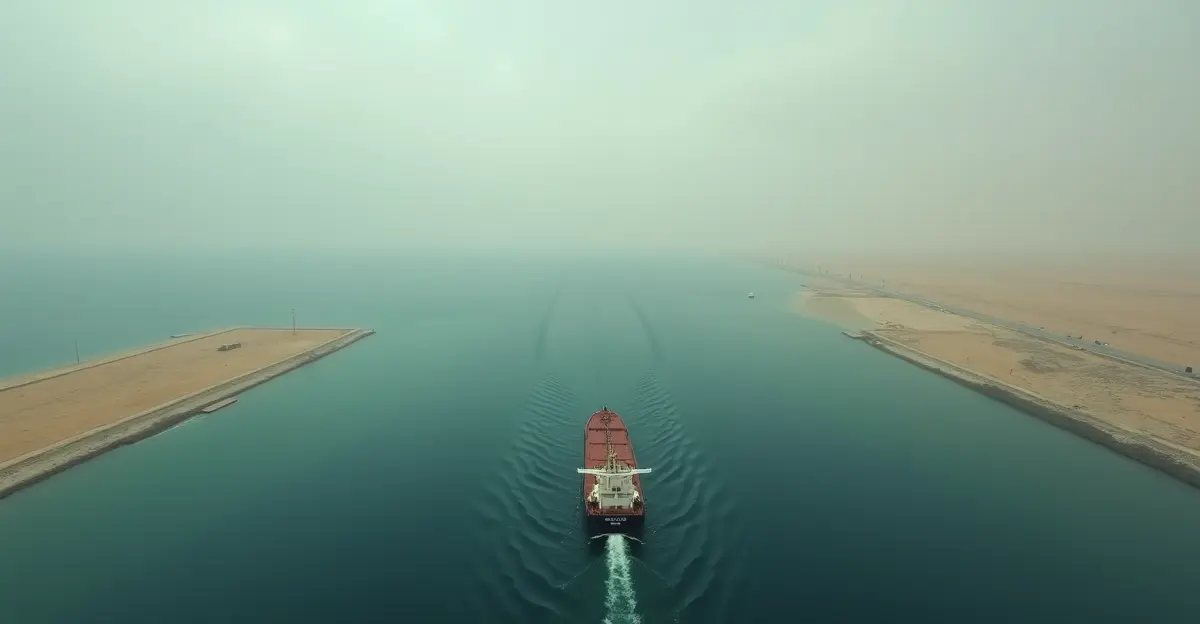
The Strait of Hormuz crisis represents the most significant disruption to global energy since the 1973 Arab oil embargo. This narrow waterway, often called 'the aorta of the world economy,' connects the Persian Gulf with the Gulf of Oman and the Arabian Sea. Before the current crisis, approximately 21 million barrels of oil passed through daily, representing about one-fifth of global oil consumption and one-third of seaborne traded oil.
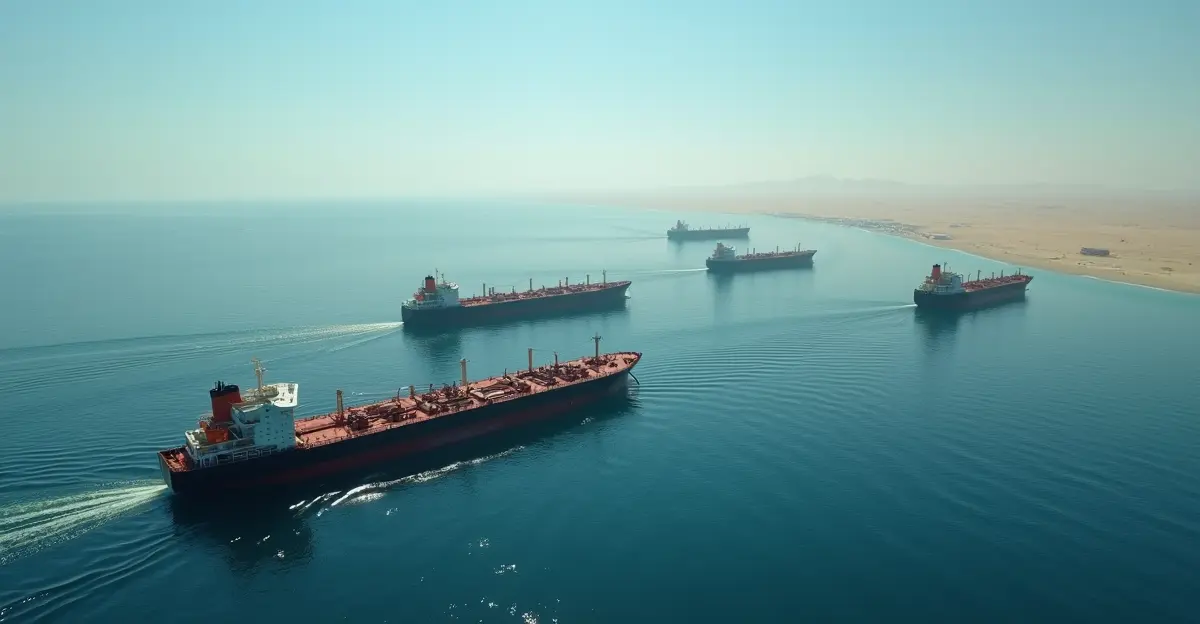
The blockade began after Iranian forces retaliated against joint U.S.-Israeli military operations by deploying sea mines, drone swarms, and anti-ship missiles throughout the waterway. Shipping companies have suspended transits, causing tanker traffic to collapse by 70-90%. Asian economies are disproportionately affected, with China, India, Japan, and South Korea accounting for 69% of all Hormuz crude flows. Japan imports 95% of its crude from the Middle East, while South Korea channels 68% through the strait.
IMF's Three-Point Plan for Economic Resilience
Georgieva outlined three key priorities for policymakers facing this unprecedented challenge:
- Strengthen Domestic Institutions: Build robust economic frameworks that can withstand external shocks
- Maintain Financial Buffers: Ensure adequate reserves and contingency funding mechanisms
- Improve Policy Agility: Develop flexible response capabilities for rapidly changing conditions
The IMF currently has over $165 billion in outstanding credit to member countries as demand for financial support grows amid economic volatility. Georgieva emphasized that countries must prepare for what she called 'the new normal' of continued uncertainty, where market stability cannot be assumed even after conflict resolution.
Global Response and Market Reactions
G7 finance ministers are coordinating the largest Strategic Petroleum Reserve release in history, while French President Emmanuel Macron has proposed a naval escort mission led by the aircraft carrier Charles de Gaulle to reopen the trade artery. The crisis has created clear winners and losers in financial markets, with US energy companies like ExxonMobil and Chevron benefiting while European majors and shipping companies face significant challenges.
Market analysts note that this crisis differs from previous disruptions because Iran's strategic posture has shifted from restraint to existential defense, making the disruption more severe and potentially prolonged. The situation has accelerated trends toward deglobalization and strategic energy independence, with countries reconsidering their energy security strategies. This development mirrors concerns raised during the 2024 global supply chain crisis, where geopolitical tensions exposed vulnerabilities in interconnected economic systems.
Long-Term Implications for Global Economy
The IMF chief's warning extends beyond immediate economic impacts to consider structural changes in the global economic order. Georgieva noted that geopolitical tensions increase the risk of global economic fragmentation, potentially accelerating a transition to a multipolar world. The current crisis represents a structural stress test of the post-1945 liberal economic order, determining whether American hegemonic leadership can be restored or whether we're witnessing a fundamental shift in global power dynamics.
Economists warn that prolonged disruption could lead to permanent changes in energy consumption patterns, trade relationships, and economic alliances. The crisis has already prompted renewed interest in alternative energy sources and supply routes, potentially reshaping global energy markets for years to come. As Georgieva stated, 'In this new global environment, think of the unthinkable and prepare for it.' This advice applies not just to governments but to businesses and investors who must navigate increasingly volatile markets.
Frequently Asked Questions
What does 'think of the unthinkable' mean in economic terms?
'Think of the unthinkable' means preparing for worst-case economic scenarios that were previously considered highly unlikely, including prolonged energy disruptions, market collapses, and geopolitical fragmentation that could reshape global economic relationships.
How much has shipping through the Strait of Hormuz decreased?
Shipping traffic through the Strait of Hormuz has decreased by 70-90%, with most major shipping companies suspending transits due to security concerns and military threats in the waterway.
What impact would a 10% energy price increase have on global inflation?
According to IMF estimates, a 10% increase in energy prices persisting for a year would push global inflation up by 40 basis points and reduce global economic growth by 0.1-0.2%.
Which countries are most affected by the Strait of Hormuz closure?
Asian economies are disproportionately affected, with Japan (95% of crude from Middle East), South Korea (68% through strait), China, and India accounting for 69% of all Hormuz crude flows.
What is the IMF doing to help countries during this crisis?
The IMF currently has over $165 billion in outstanding credit to member countries and is working with G7 nations on coordinated responses, including strategic petroleum reserve releases and financial support mechanisms.

Follow Discussion