


 Deutsch
 English
 Español
 Français
 Nederlands
 Português


 Share
Share




The 2026 Strait of Hormuz Crisis: Global Energy Security at a Strategic Crossroads
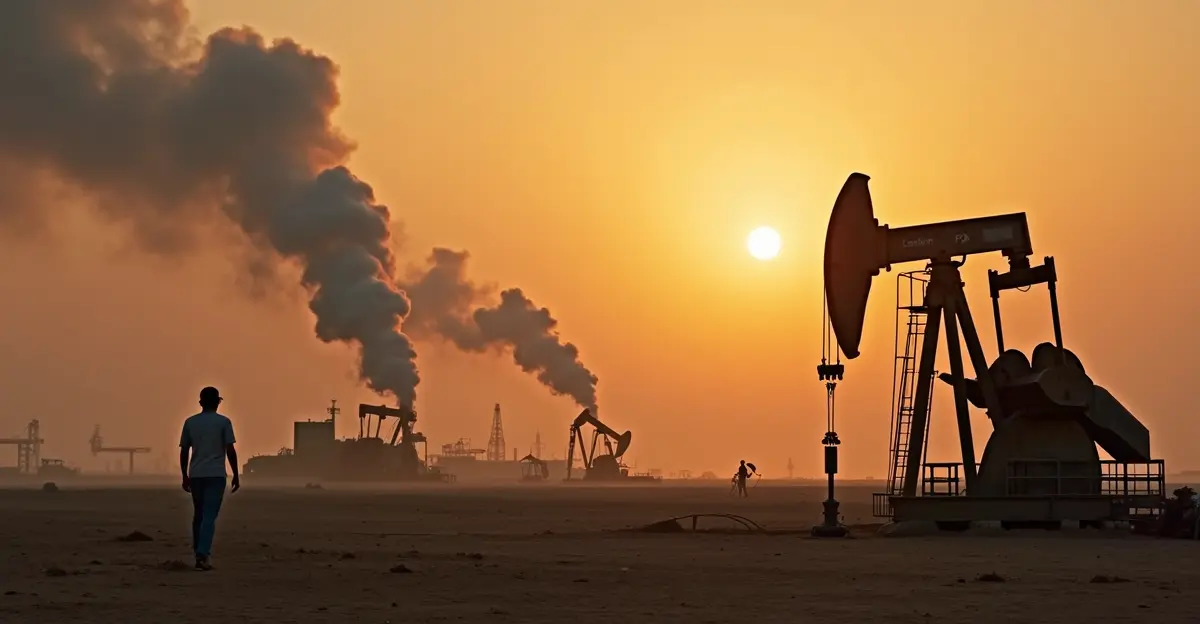
The February 2026 Strait of Hormuz crisis represents the largest disruption to global energy supplies since the 1970s oil shocks, with Iran's closure of this critical waterway halting 20% of daily global oil shipments and sending prices soaring above $126 per barrel. Triggered by U.S.-Israeli airstrikes that killed Iran's Supreme Leader Ali Khamenei, the unprecedented blockade has created immediate strategic implications for global energy security and economic stability, forcing nations to confront vulnerabilities in their energy supply chains and accelerating the transition to alternative energy sources.
What is the Strait of Hormuz Crisis?
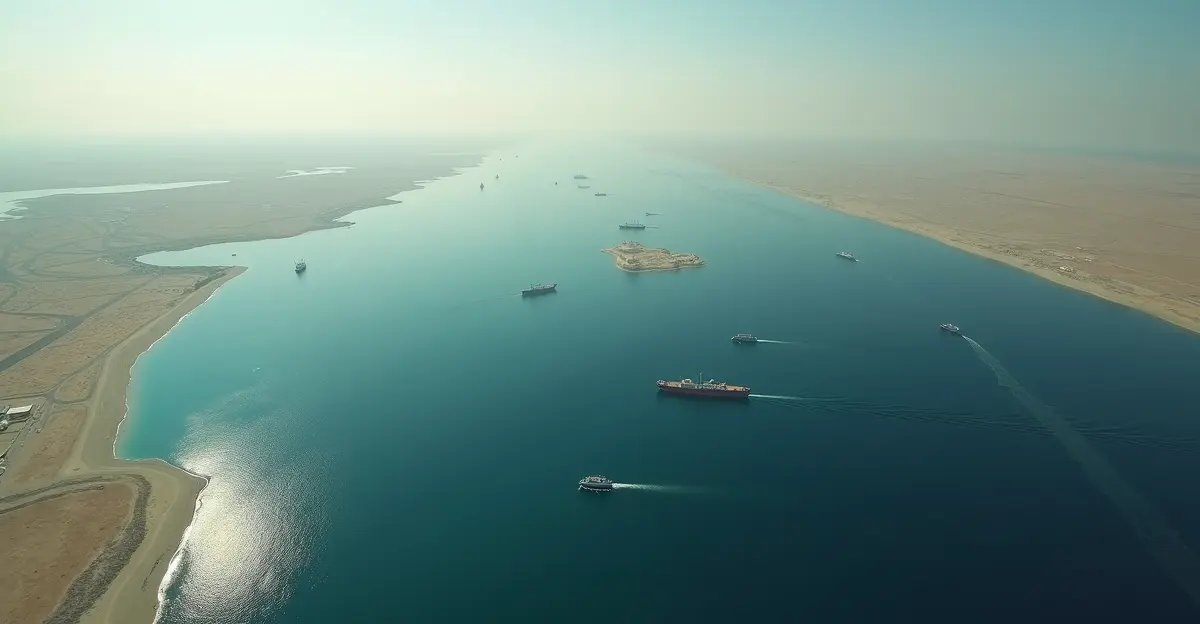
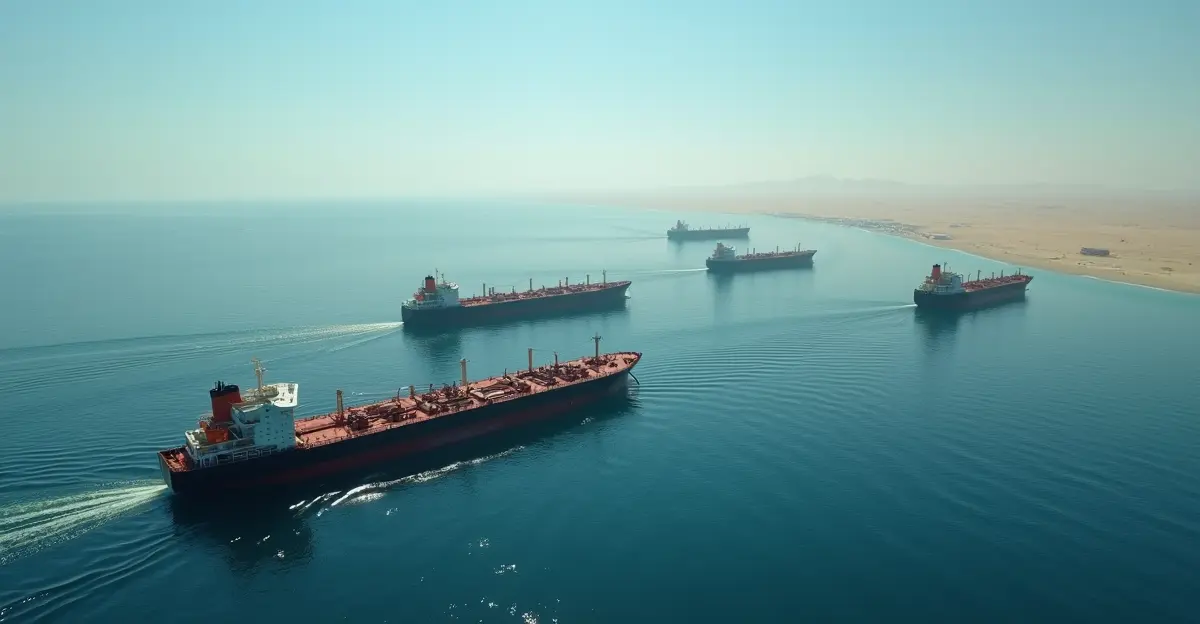
The Strait of Hormuz crisis began on February 28, 2026, when Iran's Islamic Revolutionary Guard Corps effectively closed the strategic waterway in retaliation for joint U.S.-Israeli military strikes. This narrow passage between the Persian Gulf and Gulf of Oman normally handles approximately 20 million barrels of oil daily – representing 20% of global consumption – along with 20% of the world's liquefied natural gas (LNG) trade. The closure has stranded over 150 ships outside the strait and caused tanker traffic to drop to near zero, creating immediate fuel shortages worldwide and triggering the fastest oil price surge in recent conflict history.
Geopolitical Origins and Military Escalation
The crisis originated from escalating tensions over Iran's nuclear program and regional proxy conflicts, culminating in the February 28 airstrikes that targeted Iranian military, nuclear, and political sites. According to reports, the operation resulted in at least 201 deaths and 747 injuries, with Iran responding by launching ballistic missiles at Israeli territory and U.S. military assets in Gulf states. The subsequent closure of the strait represents Iran's most significant escalation, transforming a regional conflict into a global energy emergency.
U.S.-Led Military Response
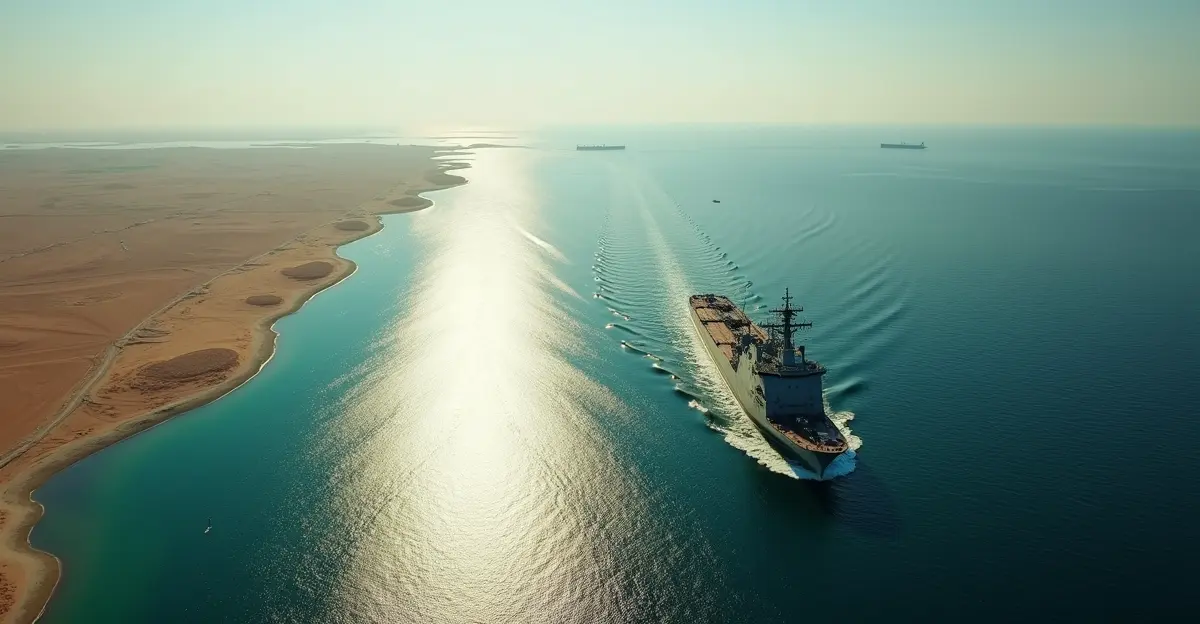
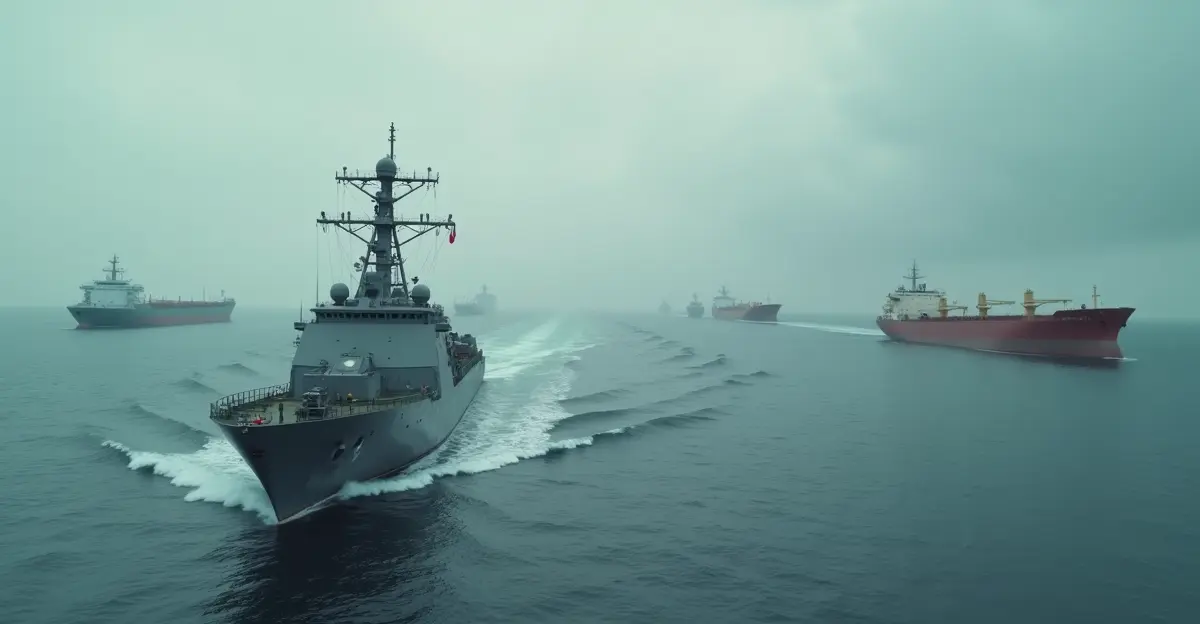
On March 19, 2026, the United States initiated the Strait of Hormuz campaign, an aerial military operation involving the U.S. Air Force, U.S. Navy, and Israeli Air Force targeting Iranian naval vessels and drones threatening shipping. President Donald Trump demanded Iran reopen the strait within 48 hours, threatening strikes on Iranian power plants if not complied with. As of March 12, 2026, Iran had conducted 21 confirmed attacks on merchant ships, demonstrating the complex security challenges facing international efforts to restore safe passage.
Global Economic Impact and Oil Price Surge
The economic consequences of the crisis are staggering. According to Federal Reserve Bank of Dallas research, the closure has removed approximately 20% of global oil supplies from the market – three to five times larger than previous geopolitical oil shocks like those in 1973, 1979, and 1990. The research projects that such a closure would reduce global real GDP growth by 2.9 percentage points in the second quarter of 2026 alone.
Price Dynamics and Market Response
Brent crude oil prices surged from $71 per barrel to over $126 per barrel following the closure, with the U.S. Energy Information Administration forecasting prices to average $91 per barrel in Q2 2026. The crisis has created a significant risk premium in oil markets, with European natural gas prices rising 43% and diesel prices doubling in some regions. The global energy market volatility has forced governments worldwide to implement emergency measures, including fuel rationing, public transportation mandates, and conservation programs.
Alternative Shipping Routes and Supply Chain Resilience
With the primary oil transit route blocked, nations are scrambling to identify alternatives. Key pipeline options include Saudi Arabia's East-West pipeline (Petroline) with 5-7 million barrels per day capacity and the UAE's Habshan-Fujairah pipeline handling 1.8 million barrels daily. However, these alternatives combined cannot fully replace the Strait's massive 20 million barrel per day capacity.
Strategic Implications for Europe and Asia
Europe faces particular challenges as approximately 80% of affected oil is normally shipped to Asian markets. European leaders are convening emergency meetings to address the energy crisis, exploring increased imports from diversified sources like Norway, the United States, Kazakhstan, North Africa, and Latin America. Meanwhile, Asian economies including India, South Korea, and Japan – which collectively import over $174 billion in crude oil annually – face severe supply constraints that threaten manufacturing output and economic growth.
Broader Commodity Disruptions Beyond Oil
The crisis extends far beyond petroleum products. According to World Economic Forum analysis, the Strait of Hormuz region supplies 20% of global seaborne fertilizer exports, with 46% of urea trade originating there. Nearly half of global seaborne sulfur trade passes through the strait, threatening battery chemistry and fertilizer production. Additionally, a third of global methanol trade is affected, impacting China's chemical industry, while Qatar's helium supply – representing one-third of global production – faces disruptions that affect semiconductor manufacturing and medical equipment like MRI scanners.
Long-Term Implications for Energy Security
The crisis is accelerating fundamental shifts in global energy policy and infrastructure development. Nations are reassessing their dependence on Middle Eastern energy supplies and investing in diversification strategies. The energy transition timeline is being compressed as governments recognize that energy independence has become a national security imperative rather than merely an environmental goal.
Accelerating Renewable Energy Adoption
With oil prices exceeding $126 per barrel and supply uncertainty persisting, renewable energy projects are receiving unprecedented political and financial support. The crisis has exposed vulnerabilities in global supply chains for critical minerals and components needed for the green transition, prompting renewed focus on domestic production and strategic stockpiling of essential materials.
Expert Perspectives on the Crisis
Energy analysts warn that the crisis represents a fundamental shift in global energy dynamics. "This isn't just another Middle East conflict – it's a wake-up call about the fragility of our interconnected energy systems," notes one European energy security expert. "The 2026 Strait of Hormuz crisis demonstrates that geopolitical risks can materialize with devastating speed, forcing nations to confront hard choices about energy security, economic stability, and strategic autonomy."
Frequently Asked Questions (FAQ)
What caused the 2026 Strait of Hormuz crisis?
The crisis began on February 28, 2026, following joint U.S.-Israeli military strikes on Iran that killed Supreme Leader Ali Khamenei. Iran retaliated by closing the strategic waterway to shipping, halting approximately 20% of global daily oil supply.
How high have oil prices risen during the crisis?
Brent crude oil prices surged from $71 per barrel to over $126 per barrel following the closure, representing the fastest price increase in recent conflict history and creating significant economic pressure worldwide.
What are the main alternative shipping routes?
Key alternatives include Saudi Arabia's East-West pipeline (5-7 million barrels/day capacity), the UAE's Habshan-Fujairah pipeline (1.8 million barrels/day), and rerouting tankers around Africa's Cape of Good Hope, though these cannot fully replace the Strait's capacity.
How is the crisis affecting global economic growth?
Federal Reserve research indicates the closure could reduce global real GDP growth by 2.9 percentage points in Q2 2026, with manufacturing costs rising due to increased shipping expenses and petrochemical feedstock prices.
What long-term changes might result from this crisis?
The crisis is accelerating renewable energy adoption, prompting nations to diversify energy sources, and exposing vulnerabilities in global supply chains for critical commodities beyond oil, including fertilizers and industrial chemicals.
Conclusion: A Strategic Crossroads for Global Energy
The 2026 Strait of Hormuz crisis represents more than a temporary disruption – it marks a strategic crossroads for global energy security. As nations grapple with immediate supply shortages and price shocks, they are forced to confront deeper questions about energy independence, supply chain resilience, and the geopolitical risks of energy dependence. The crisis has demonstrated that in an interconnected global economy, regional conflicts can rapidly escalate into worldwide emergencies, compelling accelerated transitions toward more secure and sustainable energy systems. The lessons learned from this unprecedented disruption will shape energy policy and infrastructure investment for decades to come.

Follow Discussion