


 Deutsch
 English
 Español
 Français
 Nederlands
 Português


 Share
Share




The Strait of Hormuz Crisis: How a Single Chokepoint is Reshaping Global Energy Security and Geopolitics
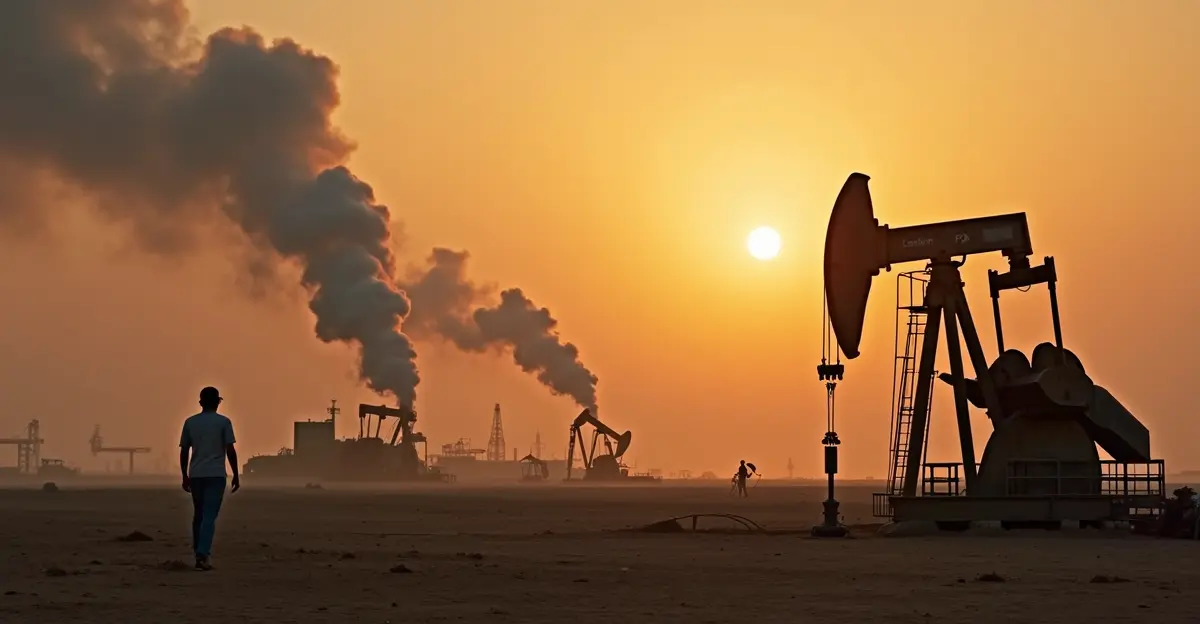
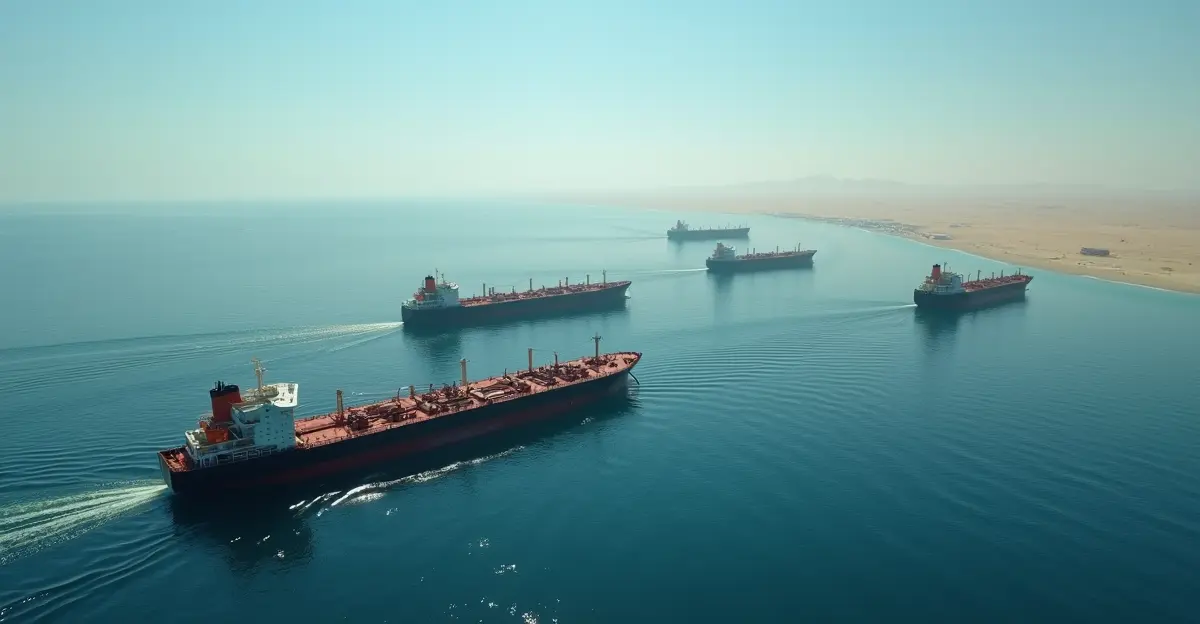
The February 2026 Strait of Hormuz crisis represents the most significant disruption to global energy flows since the 1970s oil shocks, with Iran's retaliatory blockade of this critical waterway following joint U.S.-Israeli military strikes creating immediate impacts on oil prices, supply chains, and geopolitical alignments that continue to unfold in real-time. Beginning on February 28, 2026, the effective closure has reduced tanker traffic to near zero, affecting approximately 20% of the world's daily oil supply and sending Brent crude prices surging to $126 per barrel while triggering cascading effects across global fertilizer, aluminum, and helium markets.
What is the Strait of Hormuz Crisis?
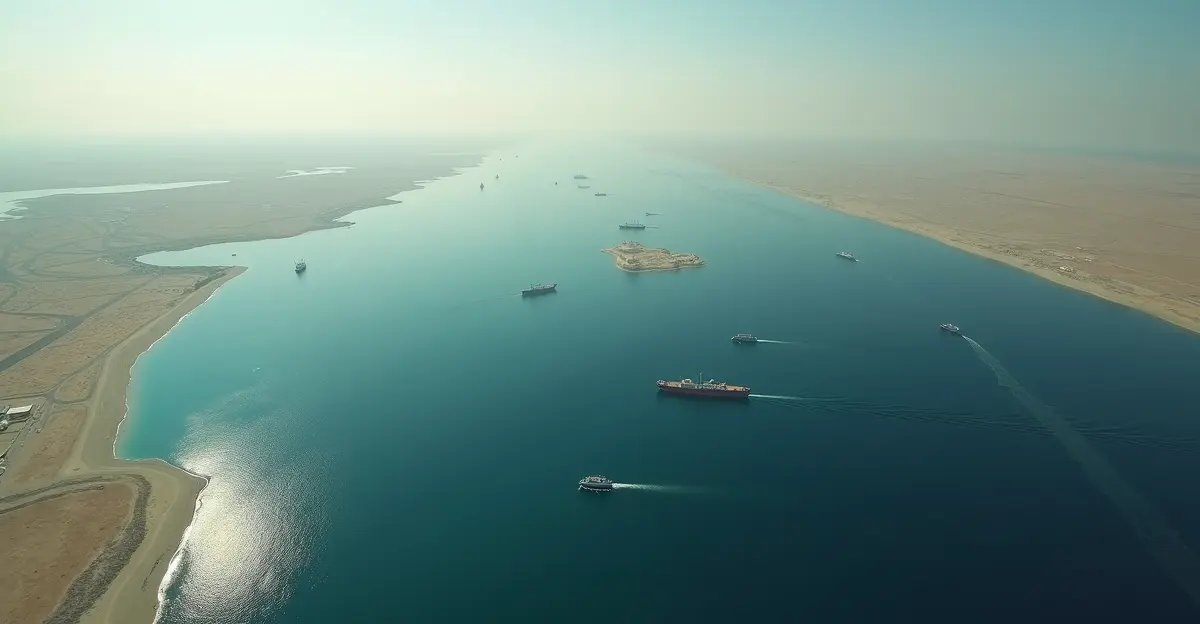
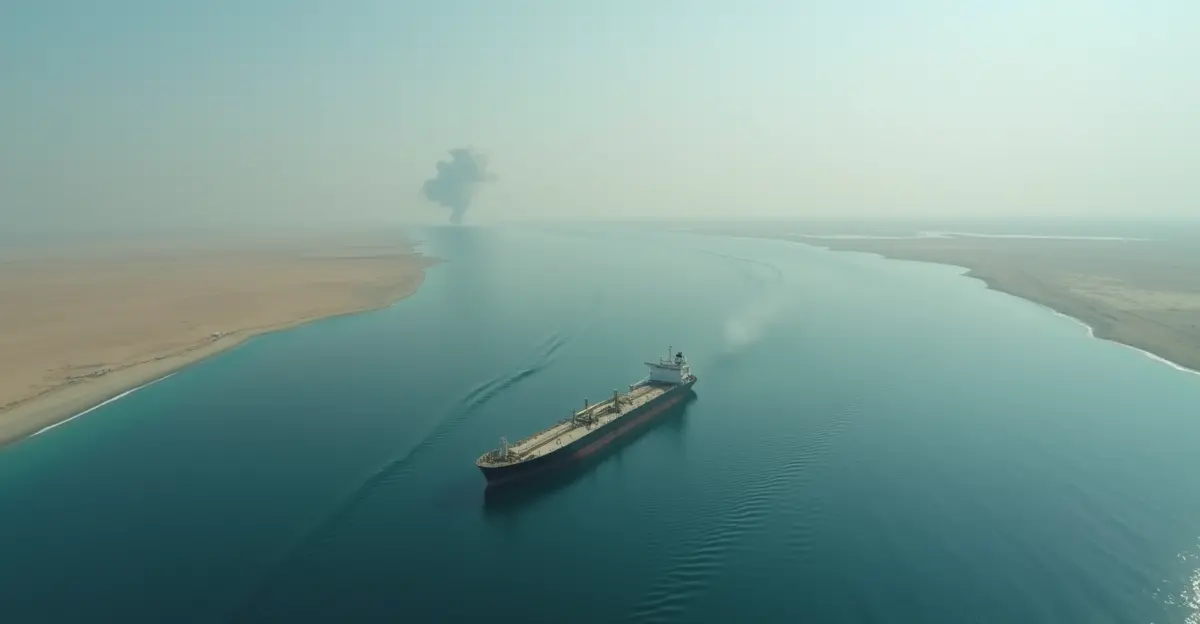
The Strait of Hormuz is a narrow 104-mile waterway between the Persian Gulf and the Gulf of Oman that serves as the only sea passage for oil exports from major producers including Saudi Arabia, Iraq, Kuwait, and the United Arab Emirates. During 2023-2025, approximately 20% of the world's liquefied natural gas (LNG) and 25% of seaborne oil trade passed through this strategic chokepoint annually. The current crisis began when Iran responded to U.S.-Israeli airstrikes that killed Supreme Leader Ayatollah Ali Khamenei by implementing a de facto blockade, reducing daily vessel traffic from 150 ships to just 4-5 vessels and stranding over 2,000 ships with 20,000 seafarers in the Persian Gulf.
The Immediate Economic Impact: Oil Markets in Turmoil
The immediate economic consequences have been staggering. According to the U.S. Energy Information Administration, Brent crude oil prices averaged $103 per barrel in March 2026, up $32 from February, with daily prices reaching nearly $128 on April 2. The global oil supply disruption has forced production shut-ins averaging 7.5 million barrels per day in March, expected to peak at 9.1 million b/d in April. European gas prices jumped 39% in a single session, while natural gas prices roughly doubled in both Asia and Europe.
Cascading Effects Beyond Energy
The crisis has created dangerous chain reactions across multiple sectors:
- Fertilizer Markets: With natural gas essential for nitrogen-based fertilizer production, and the region accounting for 13% of global nitrogen fertilizer exports, fertilizer costs have risen dramatically, threatening agricultural production in Brazil, India, Sudan, Tanzania, and Somalia.
- Aluminum Production: Energy-intensive aluminum smelters face production cuts as electricity costs soar, potentially disrupting global manufacturing supply chains.
- Helium Supplies: Qatar, the world's second-largest helium producer, exports through the strait, creating potential shortages for medical, scientific, and industrial applications.
- Shipping Logistics: Freight rates have increased over 90%, with war risk insurance premiums surging and shipping giants rerouting vessels thousands of miles around Africa.
Military Response: Operation Guardian Aegis
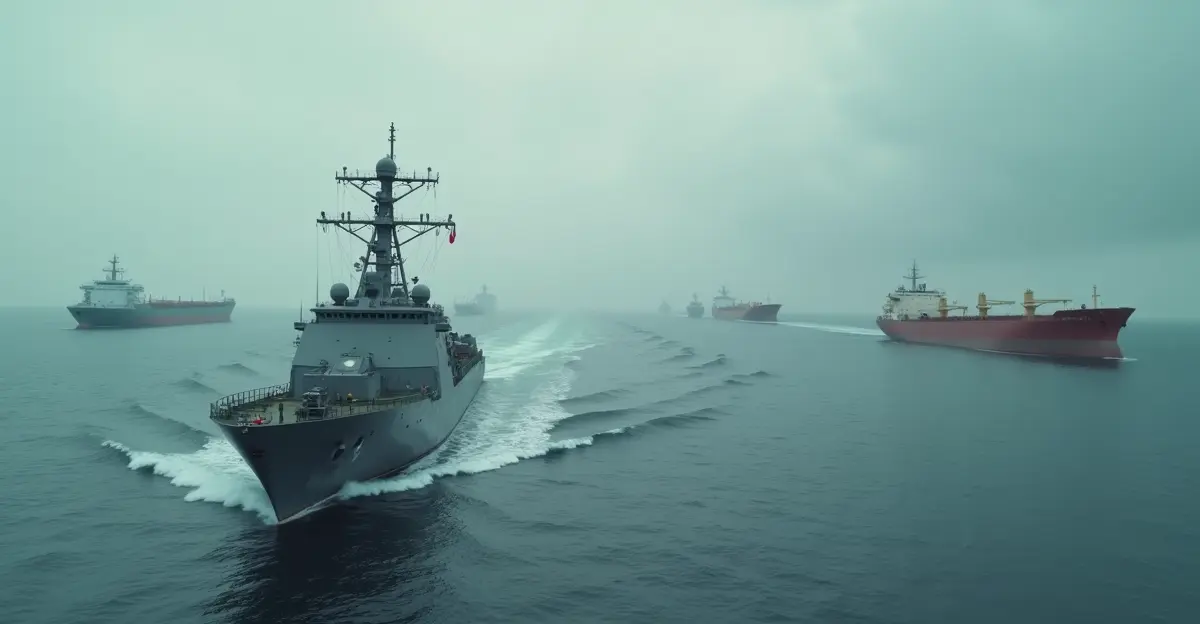
The U.S.-led multinational coalition, Operation Guardian Aegis, formed in March 2026 to secure the Strait of Hormuz after Iran's Islamic Revolutionary Guard Corps closed the critical waterway on March 2. The coalition aims to establish a protected corridor through the Strait by sweeping sea mines and providing armed escorts for merchant vessels. According to military analysts, the U.S. has two primary options: seizing Iranian territory like Kharg Island (Iran's main oil export terminal) or deploying a massive naval presence to escort commercial vessels. Both options carry severe risks, with Iran threatening to carpet bomb its own territory to kill American soldiers if ground operations commence.
Global Energy Security Realignments
The crisis is accelerating fundamental shifts in global energy security strategies. Nations worldwide are reconsidering energy diversification, supply chain resilience, and strategic stockpile policies. The strategic petroleum reserves of major consuming nations are being tested, while countries are investing heavily in expanding oil storage infrastructure to enhance trading flexibility and market resilience. According to S&P Global, this reflects a broader shift toward securing energy supplies and improving market resilience, with storage facilities playing a crucial role in managing supply disruptions and price fluctuations.
Regional and Global Implications
The geopolitical implications extend far beyond the Middle East:
- Europe: Faces jet fuel shortages leading to flight cancellations and restrictions at major airports, with the UK particularly vulnerable due to its reliance on Kuwaiti fuel.
- Asia-Pacific: South Korea has implemented fuel conservation measures including price caps and tax cuts, while Australia and New Zealand are urging citizens to use public transportation.
- Developing Nations: Bangladesh has experienced violent robberies at gas stations as panic buying spreads, forcing the government to cut office hours and public spending.
- Global Trade: The International Maritime Organization reports 21 confirmed attacks with 10 seafarer fatalities, highlighting the human cost of the crisis.
Expert Perspectives on the Crisis
Energy security analysts warn that this event represents an unprecedented weaponization of a global chokepoint. "The Strait of Hormuz crisis demonstrates how disruption to this critical maritime artery creates cascading effects throughout the global energy supply chain," notes one international energy analyst. "This isn't just about oil prices—it's about global food security, manufacturing stability, and far-reaching inflationary implications that threaten development outcomes, especially for developing economies already facing fiscal constraints and high debt burdens."
The crisis also marks a significant strategic pivot as the U.S. returns to its traditional role as guarantor of global energy security through operations like Operation Guardian Aegis. However, the long-term solution may require diplomatic breakthroughs rather than military force alone.
Frequently Asked Questions (FAQ)
What caused the Strait of Hormuz crisis?
The crisis began on February 28, 2026, when Iran responded to joint U.S.-Israeli military strikes that killed Supreme Leader Ayatollah Ali Khamenei by implementing a blockade of the strategic waterway.
How much oil flows through the Strait of Hormuz?
Approximately 20% of the world's daily oil supply passes through the Strait of Hormuz, along with about 20% of global LNG shipments.
What is Operation Guardian Aegis?
Operation Guardian Aegis is a U.S.-led multinational coalition formed in March 2026 to secure the Strait of Hormuz by establishing protected corridors for commercial shipping through mine-sweeping and armed escorts.
How high have oil prices risen?
Brent crude prices surged to $126 per barrel in early April 2026, up from approximately $81 per barrel in the first quarter of 2026.
What are the broader economic impacts?
Beyond energy, the crisis affects global fertilizer markets (13% of nitrogen exports), aluminum production, helium supplies, and shipping logistics with freight rates up over 90%.
How long might the disruption last?
The U.S. Energy Information Administration forecasts disruptions will continue through late 2026, with prices remaining elevated due to ongoing supply chain adjustments and risk premiums.
Future Outlook and Strategic Implications
The Strait of Hormuz crisis represents a watershed moment in global energy security. As nations reassess their vulnerability to single chokepoints, investments in energy diversification strategies are accelerating. The crisis has exposed the fragility of just-in-time global supply chains and highlighted the need for more resilient energy infrastructure. While diplomatic efforts continue through a shaky two-week ceasefire and negotiations in Pakistan, the long-term implications suggest a fundamental rethinking of how nations secure their energy futures in an increasingly volatile geopolitical landscape.
The events of February-March 2026 demonstrate that in our interconnected global economy, a disruption in one narrow waterway can ripple across continents, affecting everything from airline schedules to food production. As one UNCTAD official noted, "These interconnected disruptions across energy, fertilizer, and food markets pose serious risks to food production, supply chains, and development outcomes worldwide." The Strait of Hormuz crisis may ultimately be remembered not just as a geopolitical flashpoint, but as the catalyst that forced the world to confront the vulnerabilities of its energy interdependence.

Follow Discussion