


 Deutsch
 English
 Español
 Français
 Nederlands
 Português


 Share
Share




The Strait of Hormuz Crisis: How the 2026 Iran Conflict is Reshaping Global Energy Security and Supply Chains
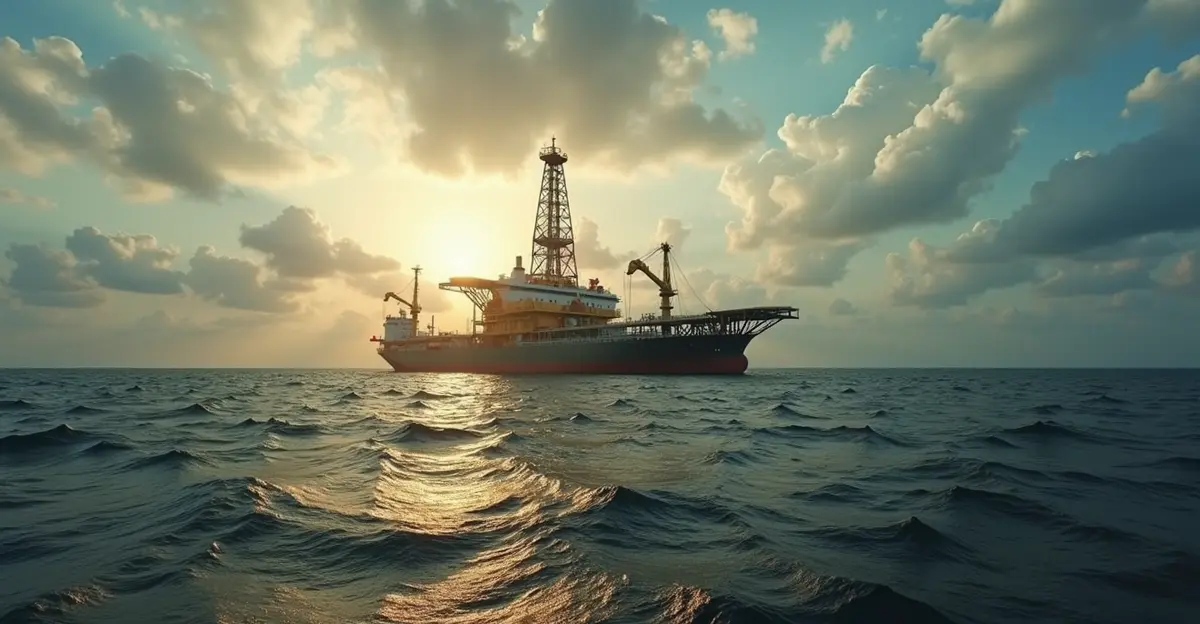
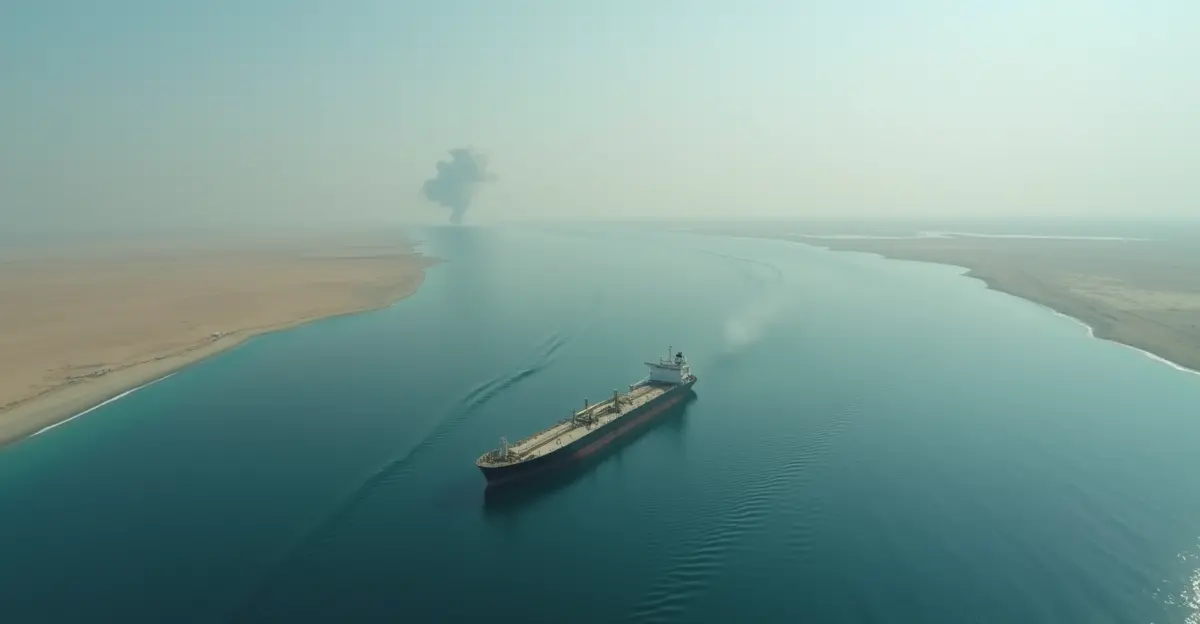
The March 2026 closure of the Strait of Hormuz by Iran represents the most significant geopolitical energy crisis of the decade, creating what the International Energy Agency calls 'the largest supply disruption in the history of the global oil market.' This strategic chokepoint, which normally handles 20% of global oil consumption and 20% of liquefied natural gas (LNG) flows, has been effectively sealed since early March, sending shockwaves through global energy markets and supply chains. With Brent crude surging 10-13% to $80-82 per barrel and potentially reaching $100 if disruptions persist, the crisis has exposed fundamental vulnerabilities in the world's energy architecture.
What is the Strait of Hormuz Crisis?
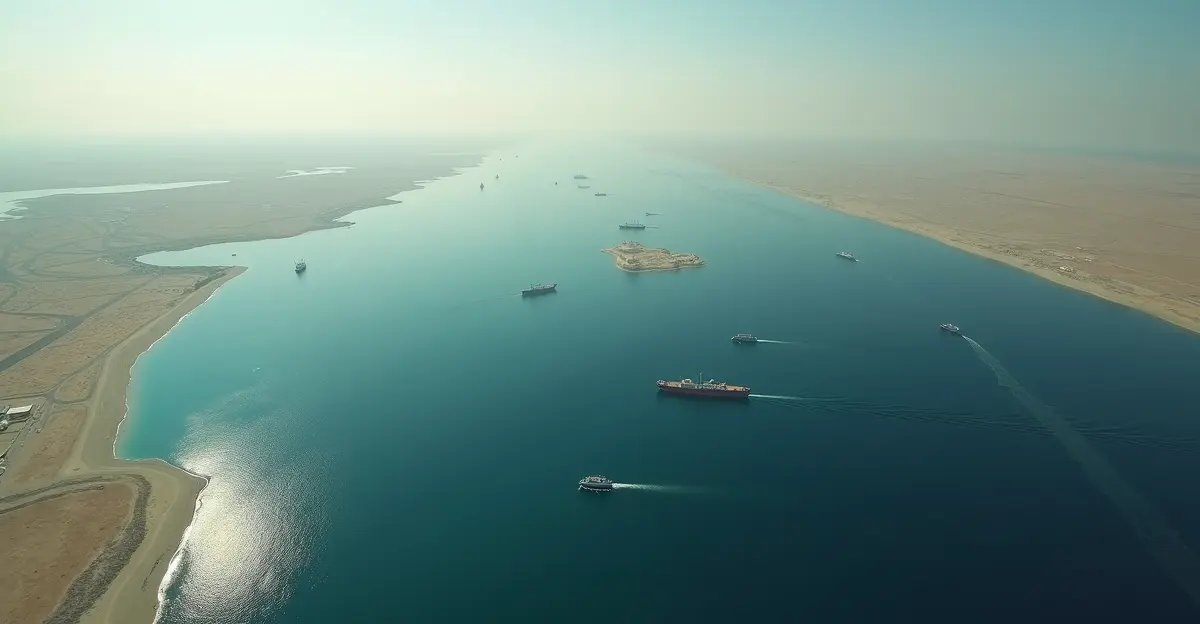
The Strait of Hormuz is a narrow waterway between the Persian Gulf and the Gulf of Oman that serves as the only sea passage for oil exports from major producers like Saudi Arabia, Iraq, the UAE, Kuwait, and Qatar. Iran's decision to close this critical maritime route in March 2026 has removed approximately 20% of global oil supplies from the market, creating a disruption three to five times larger than previous historical events like the 1973 oil embargo or the 1990 Gulf War. According to Federal Reserve Bank of Dallas research, this closure could reduce global real GDP growth by 2.9 percentage points in the second quarter of 2026 alone.
Immediate Economic Impact on Global Oil Markets
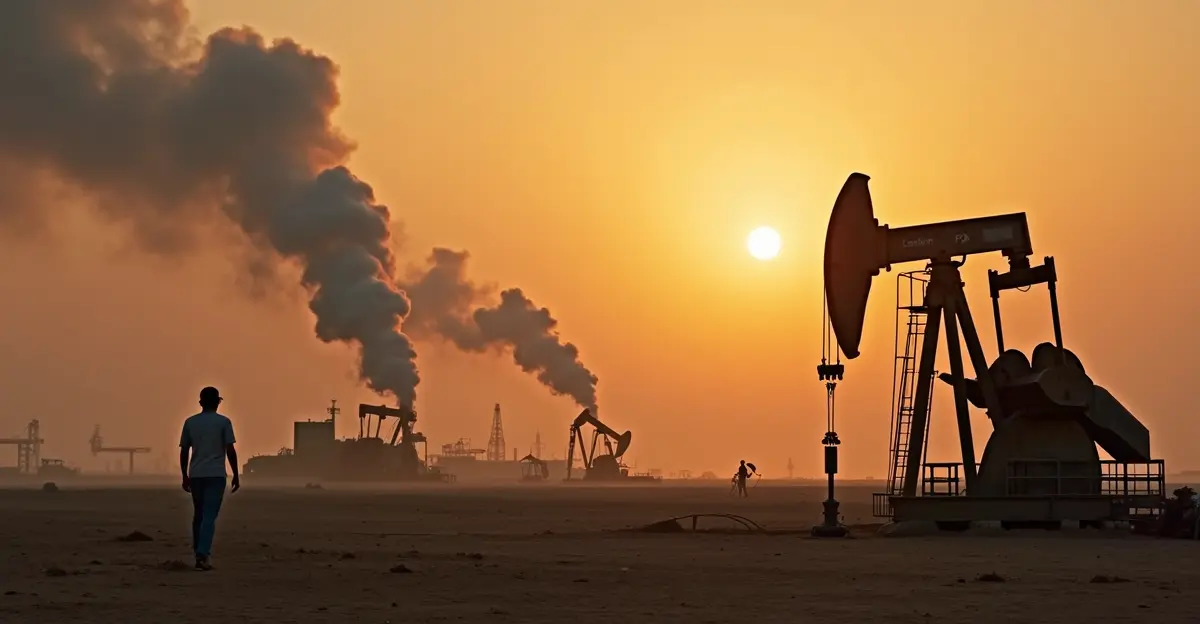
The immediate consequences have been dramatic. Benchmark Brent crude prices have risen 36% since the conflict began, while physical delivery prices in Asia have surged 76% to $126 per barrel. The world has lost 4.5-5 million barrels per day of oil supply, and this could double by mid-April, creating the largest crude supply disruption on record. The U.S. has implemented stopgap measures including releasing 400 million barrels from strategic reserves and temporarily lifting sanctions on some Russian and Iranian oil, but these measures will lose effectiveness in early-to-mid April.
Key Statistics from the Crisis:
- 20% of global oil supply blocked from reaching markets
- Brent crude prices: $80-82 per barrel (10-13% increase)
- Potential price target: $100+ per barrel if closure persists
- 4.5-5 million barrels per day lost initially
- Global GDP growth reduction: 2.9 percentage points (Q2 2026)
Europe's Second Major Energy Crisis
Europe faces a particularly severe situation as Qatar declared Force Majeure on LNG contracts and shut down gas liquefaction at its Ras Laffan industrial complex. With European gas storage at just 30% capacity following a harsh winter, Dutch TTF gas benchmarks have nearly doubled. The European energy crisis is compounded by the fact that approximately 20% of global LNG flows through the Strait, with Qatar being the dominant exporter. LNG faces unique vulnerabilities: it's harder to transport than oil (requiring specialized ships), production is concentrated at Qatar's single industrial complex, and restarting operations after shutdowns takes weeks rather than days due to complex cooling processes.
Disproportionate Effects on Asian and Developing Economies
The crisis is hitting Asian economies and developing nations with particular severity. The Philippines has declared a national energy emergency, while countries like Pakistan and Zimbabwe face acute fuel shortages. Asian nations heavily reliant on Middle Eastern oil are implementing extreme conservation measures: South Korea advises shorter showers and daytime phone charging, Japan is releasing emergency oil reserves, and China is restricting fuel exports. The crisis threatens manufacturing industries across the region, with South Korea considering naphtha export limits that could affect appliance production.
The global supply chain disruption extends beyond energy. Over 30% of global urea fertilizer exports transit the Strait of Hormuz, potentially causing long-term food price increases and threatening global food security. Airlines across Asia-Pacific are suspending flights, and farmers like those in Thailand face crop planting uncertainty due to machinery fuel shortages.
Acceleration of Renewable Energy Adoption
The crisis is accelerating the global shift toward renewable energy as nations seek to reduce vulnerability to geopolitical energy shocks. According to International Energy Agency chief Fatih Birol, countries are pivoting to renewables not just for emissions reduction but as a domestic energy security tool. The conflict has exposed global reliance on fragile fossil fuel trade routes, with surging oil and gas prices rattling markets. Analysts note this represents 'Asia's Ukraine moment,' pushing the region to cut oil dependency using increasingly competitive renewable technologies like solar, wind, and electric vehicles.
Renewable Energy Growth Drivers:
- Energy security concerns surpassing environmental motivations
- Increasing cost competitiveness of solar and wind technologies
- Government policies accelerating transition timelines
- Corporate investment shifting toward resilient energy systems
Long-Term Implications for Global Trade and Strategy
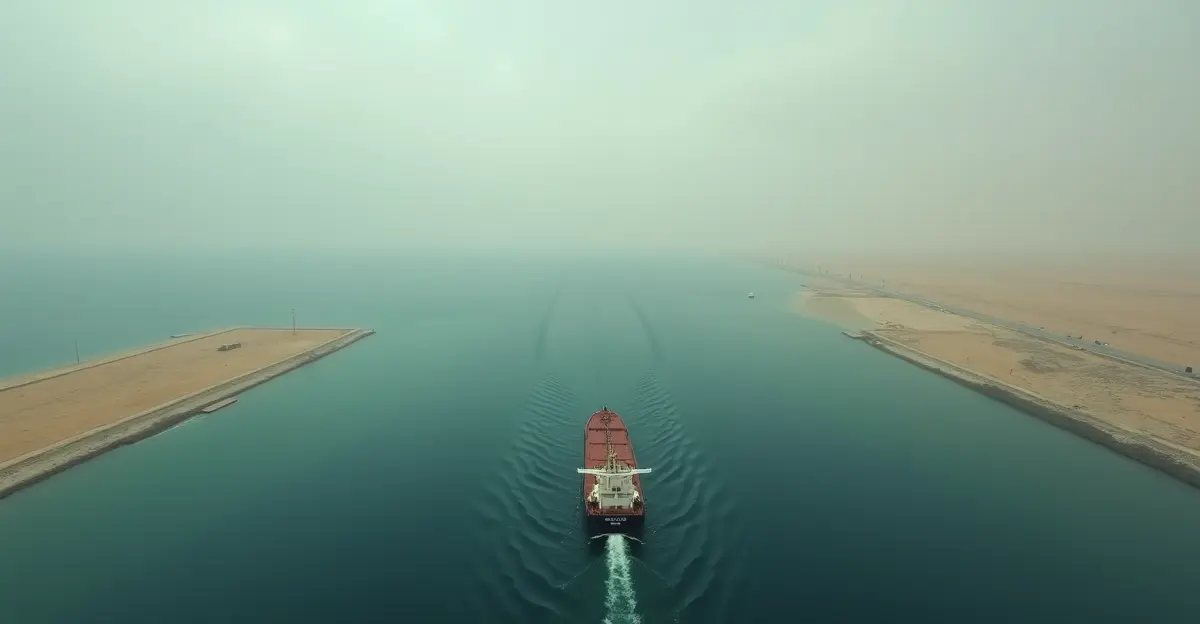
The Strait of Hormuz crisis will have lasting impacts on global trade routes, naval strategy, and energy independence policies. Shipping diversions are adding 10-15 days to transit times, increasing logistics costs and supply chain complexity. The maritime security challenges highlighted by this crisis will likely lead to increased naval presence in the region and renewed focus on alternative transportation routes, including potential pipeline projects bypassing the Strait.
According to McKinsey's March 2026 Economic Conditions Outlook, 72% of executives now cite geopolitical instability as the biggest risk to global economic conditions, up sharply from 51% in December 2025. This shift is causing companies to prioritize flexibility over long-term capital commitments, reflecting a fundamental change in corporate risk management strategies.
Expert Perspectives on the Crisis
Energy analysts warn that the situation could resemble the 1970s energy crisis with risks of stagflation and recession. 'This isn't just an energy crisis - it's a systemic shock to global trade and economic stability,' notes one European energy analyst. 'The concentration of critical energy infrastructure in geopolitically volatile regions represents a fundamental vulnerability that nations must address through diversification and resilience building.'
The geopolitical risk assessment landscape has fundamentally shifted, with energy security now dominating corporate and government strategic planning. As one industry executive stated: 'We're witnessing a paradigm shift where energy independence is no longer an environmental goal but a national security imperative.'
Frequently Asked Questions (FAQ)
What is the Strait of Hormuz and why is it important?
The Strait of Hormuz is a narrow waterway between the Persian Gulf and Gulf of Oman that serves as the only sea passage for oil exports from major Middle Eastern producers. It handles approximately 20% of global oil consumption and 20% of LNG flows, making it the world's most critical energy chokepoint.
How long could the Strait of Hormuz remain closed?
Analysts suggest the closure could persist for weeks or months depending on diplomatic and military developments. The economic impact escalates with duration - a one-quarter closure would see oil prices drop to $68 and growth recover by 2.2 percentage points in Q3, while a three-quarter closure could push prices to $132 per barrel with prolonged negative growth effects.
Which countries are most affected by the closure?
Asian economies are hit most immediately (90% of Persian Gulf oil exports go to Asia), but Europe faces the most severe medium-to-long term impacts due to its reliance on Qatari LNG. Developing nations like the Philippines, Pakistan, and Zimbabwe face acute fuel shortages and economic strain.
How is this crisis accelerating renewable energy adoption?
The crisis has exposed vulnerabilities in fossil fuel supply chains, pushing nations to view renewables as energy security assets rather than just environmental solutions. Countries are accelerating solar, wind, and electric vehicle adoption to reduce dependence on geopolitically volatile energy trade routes.
What are the long-term implications for global trade?
The crisis will likely lead to diversification of energy sources, increased investment in alternative transportation routes, enhanced naval security measures, and accelerated transition to domestic renewable energy systems to reduce geopolitical vulnerability.
Conclusion: A Watershed Moment for Global Energy
The March 2026 Strait of Hormuz closure represents a watershed moment in global energy security. As nations grapple with immediate supply disruptions and price shocks, the longer-term implications point toward accelerated energy transition, diversified supply chains, and fundamentally reassessed geopolitical risk frameworks. The crisis underscores that in an interconnected global economy, energy security is national security, and resilience must be built through both technological innovation and strategic diversification.

Follow Discussion