


 Deutsch
 English
 Español
 Français
 Nederlands
 Português


 Share
Share




The Strait of Hormuz Crisis: How the 2026 Middle East Conflict is Reshaping Global Energy Security and Supply Chains
The February 28, 2026 escalation of Middle East conflicts has created the largest oil market disruption in history, with the virtual closure of the Strait of Hormuz triggering cascading effects across global energy markets, supply chains, and economic stability. According to March 2026 McKinsey data, 72% of executives now cite geopolitical instability as the biggest risk to global economic conditions, marking a dramatic shift from just 51% in December 2025. This strategic waterway, which handles approximately 20% of global oil and 25% of seaborne liquefied natural gas (LNG) trade, has become the epicenter of a crisis forcing nations and corporations to fundamentally reassess their energy security frameworks.
What is the Strait of Hormuz Crisis?
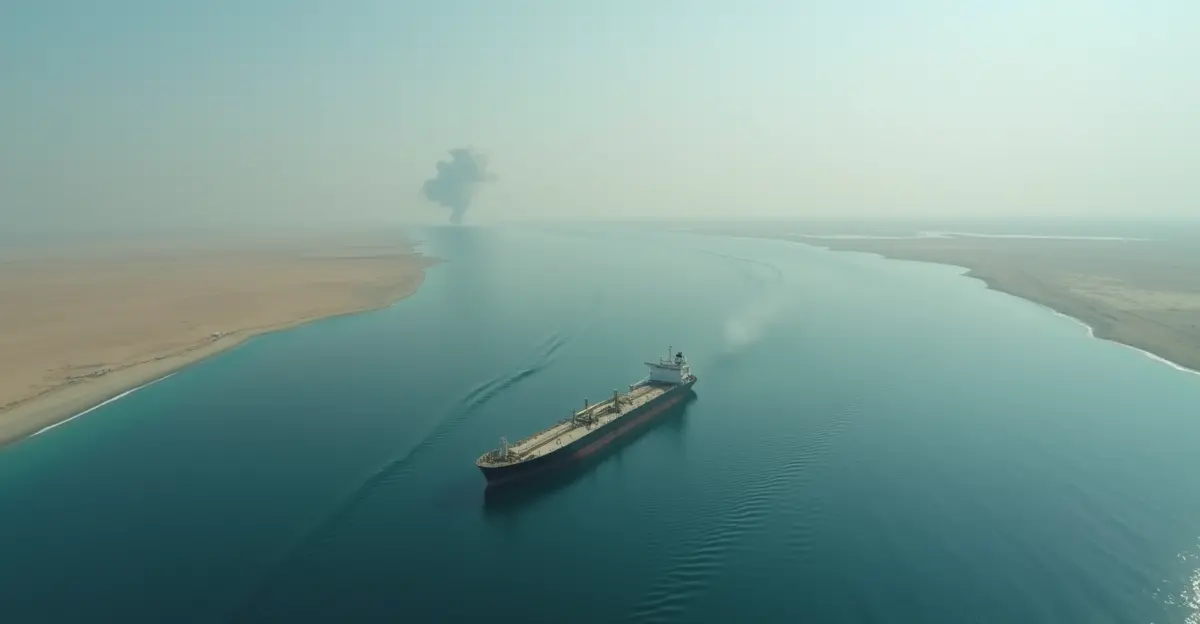
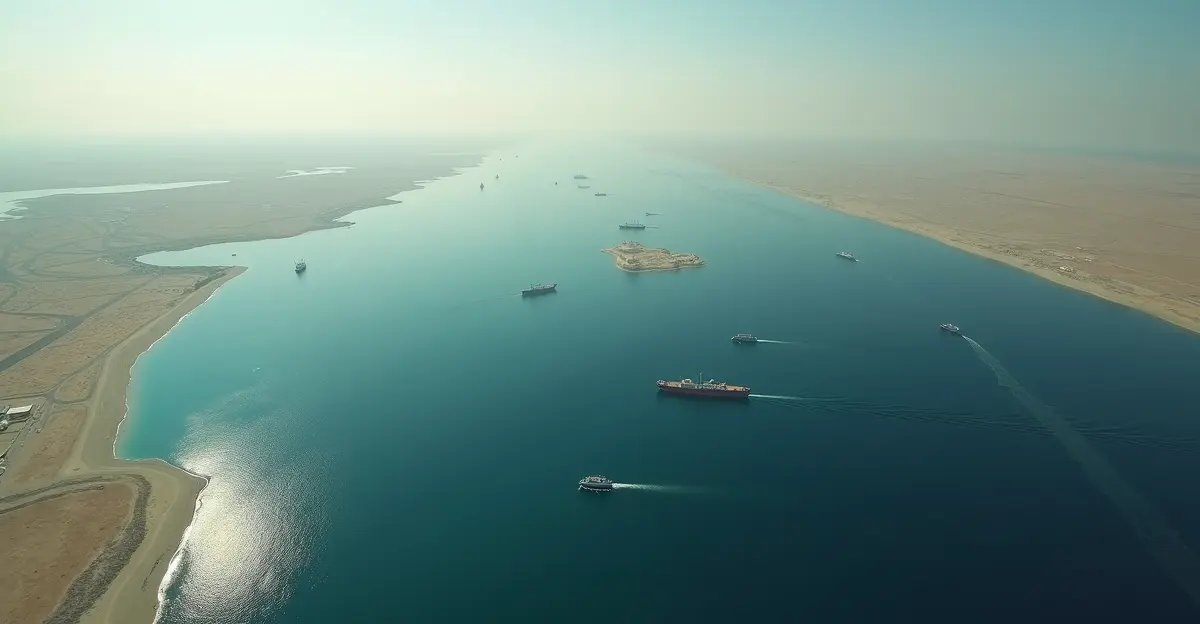
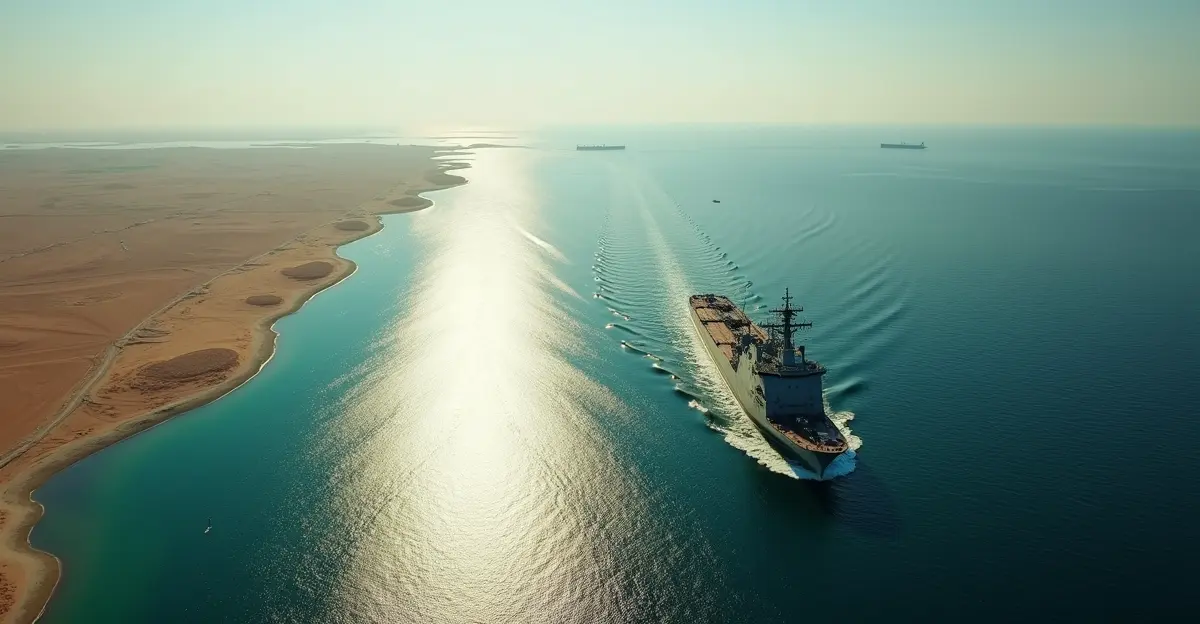
The Strait of Hormuz is a 104-mile waterway between the Persian Gulf and the Gulf of Oman that serves as the only sea passage from the Persian Gulf to the open ocean. During the February 2026 Middle East conflict escalation, military actions involving Iran, the US, Israel, and other nations effectively closed this critical choke point, reducing ship transits by 95% from 130 daily in February to just 6 in March. This represents the most significant geopolitical oil supply disruption in modern history, three to five times larger than previous shocks in 1973, 1979, and 1990.
Immediate Economic Impacts and Market Disruption
The closure has created immediate and severe economic consequences across multiple dimensions. According to Federal Reserve Bank of Dallas research, a one-quarter closure would raise West Texas Intermediate oil prices to $98 per barrel and reduce global real GDP growth by 2.9 percentage points annually. The actual impact has been more severe, with Brent Crude surging past $120 per barrel and European gas futures increasing by 56%.
Supply Chain Disruption and Shipping Reconfiguration
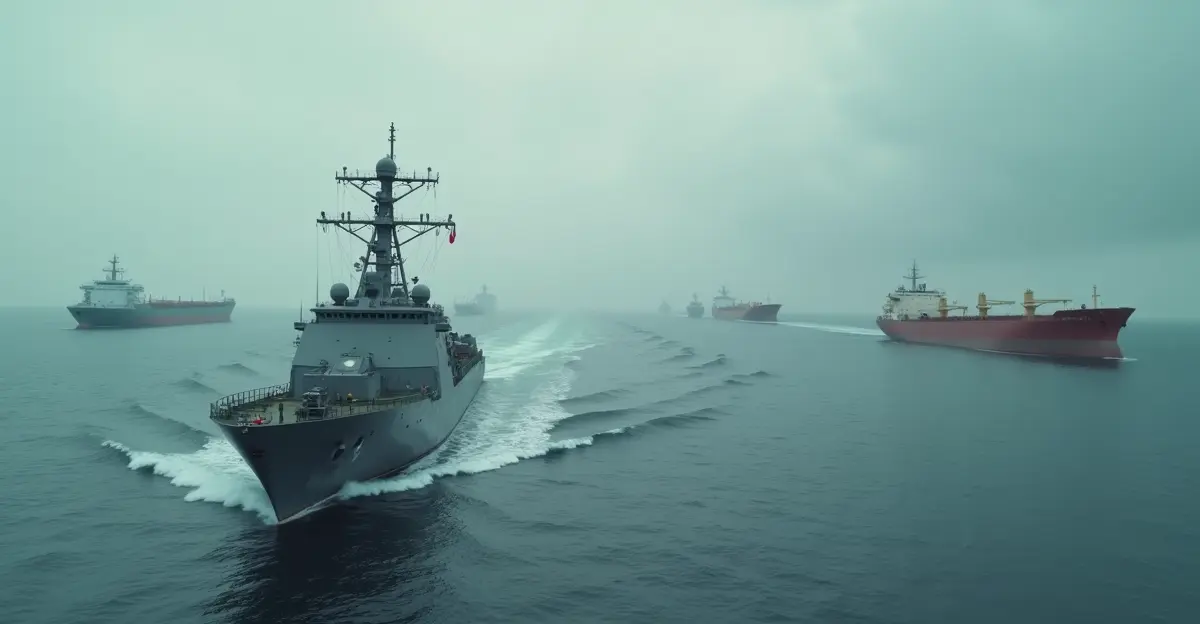
The crisis has forced a fundamental reconfiguration of global shipping routes. Shipping lines are now rerouting via the Cape of Good Hope, adding 8-15 days to Asia-Europe transit times while emergency surcharges increase container costs by 11-14%. The global shipping crisis has exposed vulnerabilities in just-in-time supply chains, particularly affecting critical industrial inputs like fertilizers (one-third of which pass through Hormuz), aluminum, helium, and polymers, with prices rising 4-35% due to production disruptions.
Asymmetric Regional Impacts
The crisis affects regions unevenly, creating winners and losers in the global energy landscape. Most Persian Gulf oil (80%) is shipped to Asia, making countries like China, Japan, and South Korea particularly vulnerable. Developing economies face the most severe consequences, with higher import costs, weaker currencies, and tighter financial conditions compounding existing debt vulnerabilities. According to UNCTAD, the situation represents a fast-moving global risk affecting 3.4 billion people in countries already struggling with debt burdens.
Energy Security Framework Reassessment
The crisis has exposed critical vulnerabilities in global energy security frameworks, prompting what experts describe as a structural rather than cyclical change in approach. Three-quarters of humanity lives in countries dependent on imported energy they cannot control, creating systemic risks that extend far beyond traditional energy markets.
Accelerated Energy Transition Strategies
The crisis is accelerating the shift toward renewable energy as nations seek energy sovereignty. UN Secretary-General António Guterres warns that fossil fuel dependence destabilizes both climate and global security, noting that renewables offer cheaper, locally-sourced power that shields nations from geopolitical shocks. Examples include Kenya's geothermal leadership, Chile's solar/wind expansion, and India's renewable infrastructure development. The energy transition acceleration represents a strategic response to reduce vulnerability to future disruptions.
Corporate Strategy Recalibration
Companies are fundamentally reassessing their risk management approaches. According to Oliver Wyman analysis, businesses are advised to assess their exposure, secure critical materials, confirm alternative logistics options, and strengthen contingency planning across supply chain, procurement, and risk management functions. The crisis has elevated geopolitical intelligence from a peripheral concern to a core strategic function.
Long-Term Implications for Global Systems
The Strait of Hormuz crisis represents more than a temporary disruption—it signals a fundamental shift in how nations and corporations approach energy security and supply chain resilience. The IMF analysis reveals that the conflict is creating significant global economic disruptions through three main channels: energy markets, supply chains, and financial conditions.
Financial Market Volatility
Financial markets have experienced declining stock prices, rising bond yields, and increased volatility, tightening financial conditions worldwide. The European Central Bank has postponed interest rate reductions in response to the inflationary pressures created by the crisis. The situation risks reigniting inflation globally and threatens to derail the fragile economic recovery from previous crises.
Strategic Infrastructure Investments
The crisis is prompting renewed investment in alternative energy infrastructure and transportation routes. Nations are reconsidering pipeline projects, LNG terminal expansions, and renewable energy investments as part of broader energy infrastructure security initiatives. The diversification of energy sources and transportation corridors has become a strategic priority for energy-importing nations.
Expert Perspectives on the Crisis
Energy analysts and geopolitical experts emphasize that the current crisis represents a turning point in global energy security. 'This isn't just another oil shock—it's a systemic vulnerability exposed,' notes Dr. Elena Rodriguez, senior energy analyst at the International Energy Forum. 'The dependence on single choke points like the Strait of Hormuz has created a fragile global system that can be disrupted by regional conflicts. We're seeing nations accelerate their energy transition not just for climate reasons, but for national security.'
Supply chain experts highlight the broader implications for global trade. 'The rerouting of shipping around Africa adds significant costs and time to global trade,' explains Michael Chen, director of global logistics at a major shipping firm. 'We're seeing companies reconsider their entire supply chain architecture, moving toward regionalization and redundancy rather than global optimization.'
Frequently Asked Questions
How much oil passes through the Strait of Hormuz?
Approximately 20% of global oil and 25% of seaborne LNG trade passes through the Strait of Hormuz annually, making it the world's most important oil transit choke point.
What are the economic impacts of the closure?
According to Federal Reserve research, a one-quarter closure reduces global real GDP growth by 2.9 percentage points annually and raises oil prices significantly, with longer closures causing more severe economic damage.
How are shipping routes being reconfigured?
Ships are being rerouted via the Cape of Good Hope, adding 8-15 days to transit times between Asia and Europe while increasing shipping costs by 11-14% due to emergency surcharges.
What is the impact on energy transition strategies?
The crisis is accelerating renewable energy adoption as nations seek energy sovereignty and protection from geopolitical disruptions, with renewables offering locally-sourced, stable power alternatives.
Which regions are most affected?
Asia is most vulnerable as 80% of Persian Gulf oil is shipped there, while developing economies face compounded challenges from higher import costs and financial pressures.
Future Outlook and Strategic Recommendations
The Strait of Hormuz crisis of 2026 represents a watershed moment in global energy security. As nations and corporations navigate this new reality, several strategic imperatives emerge: diversification of energy sources, enhancement of supply chain resilience, acceleration of energy transition initiatives, and development of comprehensive geopolitical risk management frameworks. The crisis has exposed vulnerabilities that will shape energy policy, corporate strategy, and international relations for years to come, fundamentally altering how the world approaches energy security in an increasingly volatile geopolitical landscape.

Follow Discussion