


 Deutsch
 English
 Español
 Français
 Nederlands
 Português


 Share
Share




Strait of Hormuz Crisis: Anatomy of a 2026 Global Energy Shock
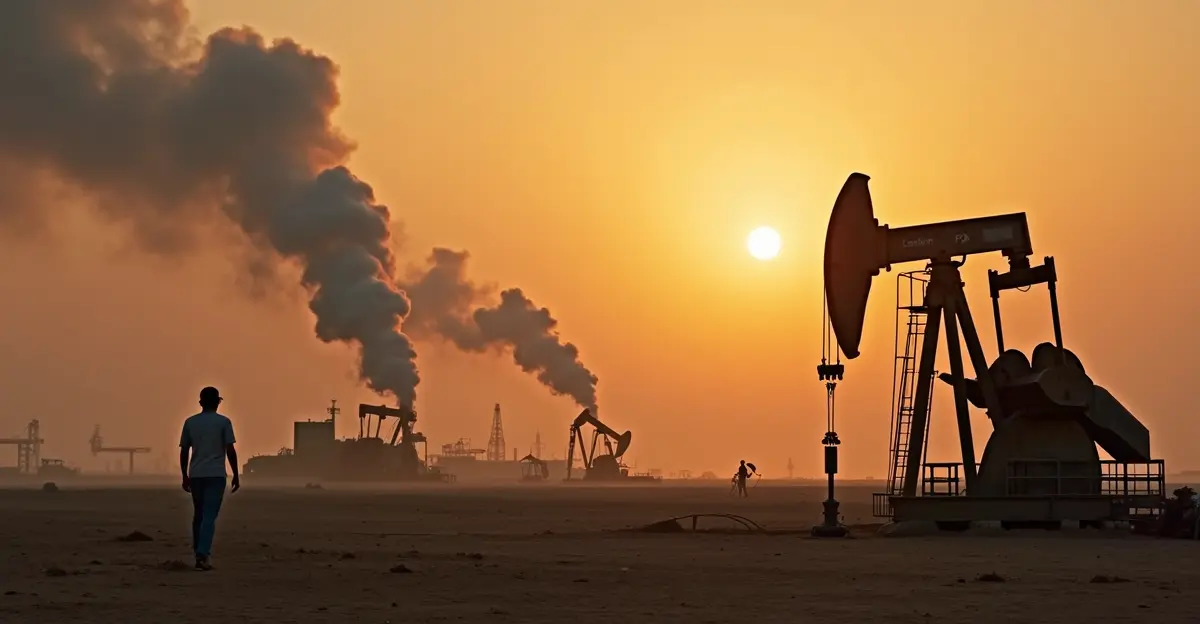
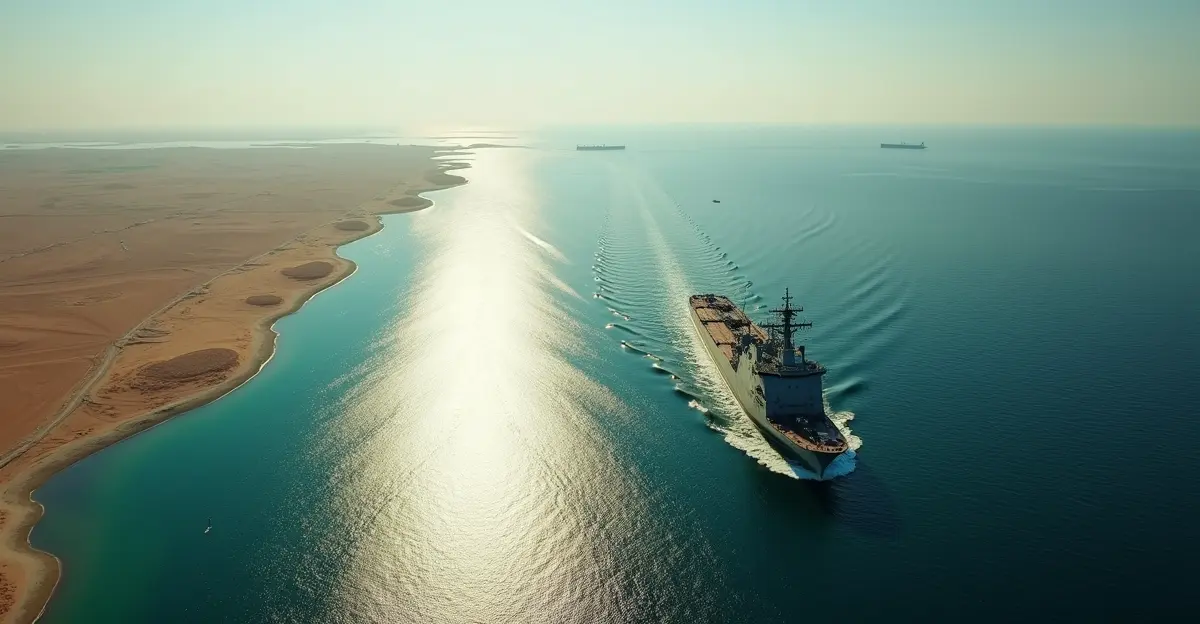
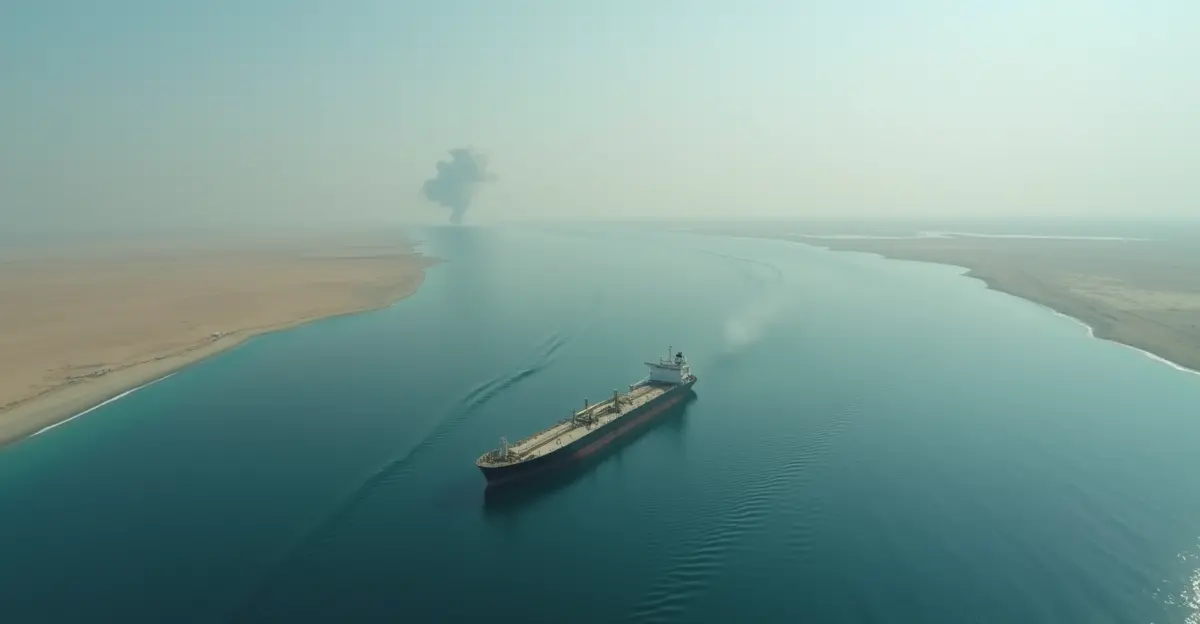
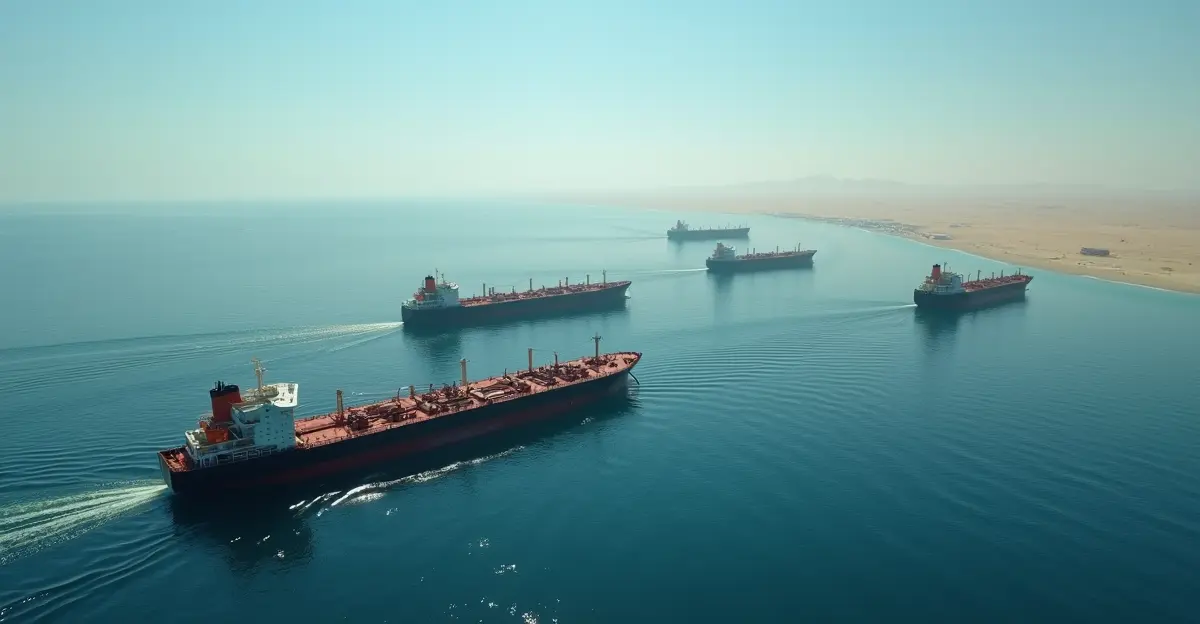
The 2026 Strait of Hormuz crisis represents the most severe disruption to global energy markets since the 1970s oil shocks, triggered by coordinated U.S.-Israeli strikes on Iran in late February 2026 that effectively closed the world's most critical oil chokepoint. This strategic waterway, normally handling 20% of global oil trade and 22% of liquefied natural gas (LNG) flows, has become the epicenter of a geopolitical earthquake with potential 'COVID-scale' economic consequences according to leading economists. The crisis escalated dramatically when Iran's Islamic Revolutionary Guard Corps (IRGC) responded to the killing of Supreme Leader Ali Khamenei by blocking the 29-nautical-mile passage, attacking merchant vessels, and reportedly laying sea mines, reducing tanker traffic to near zero within days.
What is the Strait of Hormuz Crisis?
The Strait of Hormuz crisis refers to the effective closure of the strategic maritime passage connecting the Persian Gulf with the Gulf of Oman following military escalation between Iran and U.S.-Israeli forces. Beginning on February 28, 2026, this geopolitical flashpoint has created unprecedented disruptions to global energy supply chains, with Brent crude prices surging 64% in one month to $126 per barrel. The crisis represents a structural vulnerability in global energy markets that has been decades in the making, exposing the world's dangerous dependence on a single maritime artery for critical energy resources. Major shipping companies including Maersk, MSC, Hapag-Lloyd, and CMA CGM suspended operations immediately, rerouting vessels around Africa's Cape of Good Hope at significant additional time and cost.
The Strategic Anatomy of Disruption
The Strait of Hormuz serves as the primary export route for oil from Saudi Arabia, UAE, Kuwait, Qatar, Iraq, Bahrain, and Iran, with approximately 20.9 million barrels per day transiting through its narrow passage in 2025. This represents 25% of world seaborne oil trade and 20% of global LNG shipments. The crisis has revealed several critical vulnerabilities in global energy architecture:
Asymmetric Impacts Across Asia
Asia faces the most severe consequences, receiving 84% of Hormuz crude flows. Countries like China, India, and Japan have seen their energy security deteriorate rapidly, with the Philippines declaring a national energy emergency and implementing fuel rationing, export restrictions, and consumption reduction measures. The Asian energy security framework has proven inadequate for this scale of disruption, highlighting regional dependence on Middle Eastern supplies that lack viable alternatives. According to International Energy Agency data, most exports (80%) from the Persian Gulf are destined for Asian markets, creating a lopsided impact that threatens the region's economic stability.
Europe's Deteriorating Energy Security
Europe faces compounding challenges as the crisis unfolds. Several EU countries including Spain, Germany, France, and the Netherlands rely heavily on Gulf oil imports, with the Strait handling 20% of global oil production. The European Commission has convened emergency meetings to address the energy crisis, exploring alternatives including increased imports from North Sea producers (Norway/UK), North Africa (Algeria/Libya), West Africa, the US, and Latin America. However, these alternatives face logistical constraints and cannot fully compensate for the lost volumes. The crisis has added a $15 per barrel risk premium to crude prices, further straining European economies already grappling with energy transition challenges.
Structural Fragility of Global Energy Markets
The crisis exposes fundamental weaknesses in global energy infrastructure that have developed over decades of increasing dependence on Middle Eastern oil. Alternative pipeline routes can handle only 17% of normal flows, with Saudi Arabia's East-West pipeline offering 5 million barrels per day capacity (expandable to 7 million) and the UAE's Habshan-Fujairah pipeline providing 1.8 million barrels capacity. These limited alternatives mean that approximately 83% of normal Hormuz traffic has no viable alternative exit route from the region.
Iran's Strategic Control Mechanisms
Iran's Islamic Revolutionary Guard Corps has implemented sophisticated area-denial tactics that make reopening the strait exceptionally challenging. Their strategy leverages geography by controlling three strategic islands (Larak, Keshm, and Abu Musa) that function as heavily-armed offensive systems positioned directly along shipping lanes. The IRGC employs swarm attacks using fast boats, drone boats packed with explosives, naval mines, and anti-ship missiles launched from mobile trucks and underground bunkers. In a controversial development, the IRGC has established a tolled passage system charging over $1 million per ship for transit, effectively monetizing the crisis while maintaining control over the strategic waterway.
Global Economic Ripple Effects
According to Federal Reserve Bank of Dallas research, the closure represents a geopolitical oil supply disruption three to five times larger than previous shocks like those in 1973 and 1990. The economic impact depends critically on duration:
- One-quarter closure: Oil prices would drop to $68 per barrel with growth recovering by 2.2 percentage points in Q3 2026, but GDP would remain 0.2% below pre-closure levels by year-end
- Extended closure: Oil prices could rise to $115-$132 per barrel with more prolonged negative growth impacts
- Current scenario: West Texas Intermediate oil prices have reached $98 per barrel, reducing global real GDP growth by 2.9 percentage points annually in Q2 2026
The crisis has also impacted fertilizer, aluminum, and helium markets, creating secondary supply chain disruptions beyond energy. A record 400-million-barrel strategic reserve release has been coordinated globally, but experts question whether this can address structural shortages.
Strategic Policy Responses
Major economies are implementing emergency measures to mitigate the crisis. The global energy governance framework is being tested as nations coordinate strategic reserve releases and explore alternative supply routes. Key policy responses include:
- Accelerated development of alternative energy sources and diversification away from Middle Eastern oil
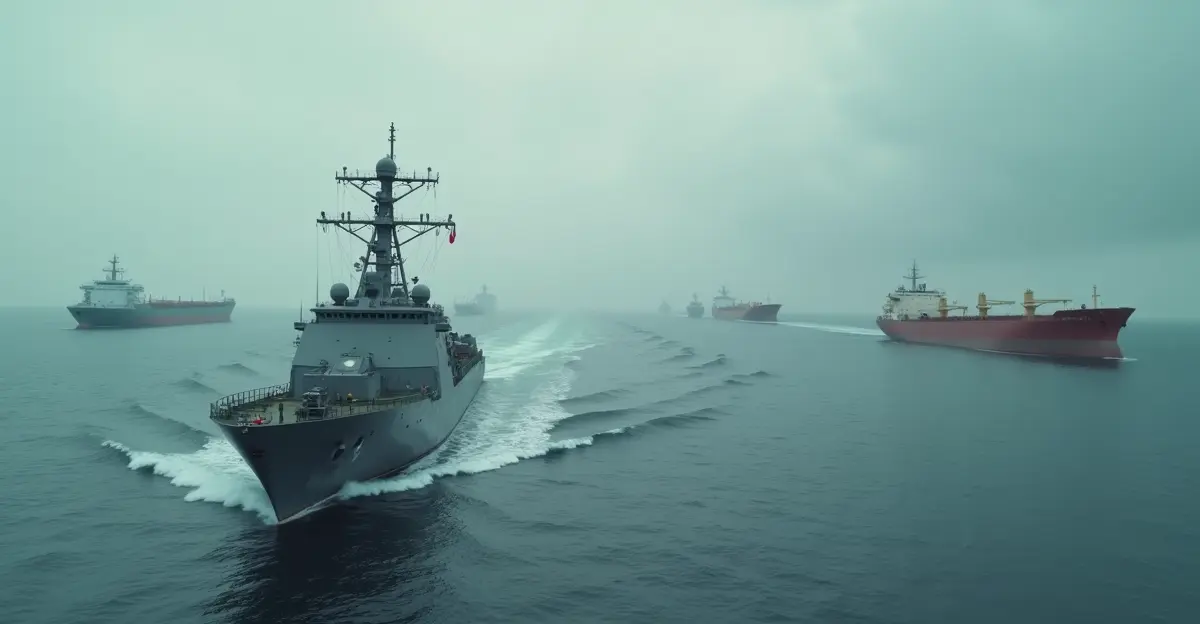
- Enhanced naval protection for shipping lanes and counter-mine operations
- Diplomatic efforts to establish temporary ceasefire agreements (one was reached in April 2026 but failed to fully reopen the strait)
- Investment in pipeline infrastructure to reduce dependence on maritime chokepoints
- Emergency fuel rationing and consumption reduction measures in hardest-hit countries
Expert Perspectives on Long-Term Implications
Energy analysts warn that the crisis represents a fundamental shift in global energy security paradigms. 'This isn't just another Middle East conflict - it's exposing structural vulnerabilities that have been building for decades,' says Dr. Elena Rodriguez, senior energy security analyst at the International Energy Forum. 'The world has become dangerously dependent on a handful of maritime chokepoints, and the Strait of Hormuz crisis shows how quickly that dependence can become catastrophic.' The crisis has prompted renewed discussion about energy independence strategies and the need for more resilient supply chains.
FAQ: Strait of Hormuz Crisis 2026
What caused the 2026 Strait of Hormuz crisis?
The crisis began on February 28, 2026, following coordinated U.S.-Israeli airstrikes on Iran that killed Supreme Leader Ali Khamenei. Iran retaliated by blocking the strategic waterway through military means.
How much global oil trade passes through the Strait of Hormuz?
Approximately 20% of global oil trade (20.9 million barrels per day) and 22% of LNG flows normally transit through the Strait, making it the world's most critical energy chokepoint.
Which regions are most affected by the closure?
Asia receives 84% of Hormuz crude flows and faces the most severe impacts, while Europe's energy security has deteriorated significantly with several EU countries heavily dependent on Gulf oil imports.
What are the alternative routes for oil shipments?
Limited pipeline alternatives exist through Saudi Arabia and UAE, handling only 17% of normal flows. Most tankers are being rerouted around Africa's Cape of Good Hope, adding substantial time and cost.
What is the economic impact of the crisis?
Federal Reserve research indicates global real GDP growth could be reduced by 2.9 percentage points annually in Q2 2026, with potential 'COVID-scale' economic contraction if the closure persists.
Conclusion: A New Energy Security Paradigm
The 2026 Strait of Hormuz crisis represents more than a temporary geopolitical flare-up - it signals a fundamental reassessment of global energy security architecture. As the world grapples with the immediate economic impacts, longer-term structural changes are inevitable. The crisis has exposed the fragility of energy markets dependent on single maritime arteries and highlighted the urgent need for diversification, resilience, and alternative supply routes. While temporary ceasefire agreements may provide short-term relief, the underlying vulnerabilities revealed by this crisis will shape global energy policy for decades to come, forcing nations to confront uncomfortable truths about their dependence on strategically vulnerable chokepoints.

Follow Discussion