


 Deutsch
 English
 Español
 Français
 Nederlands
 Português


 Share
Share




Strait of Hormuz Crisis: The Largest Oil Supply Disruption Since the 1970s
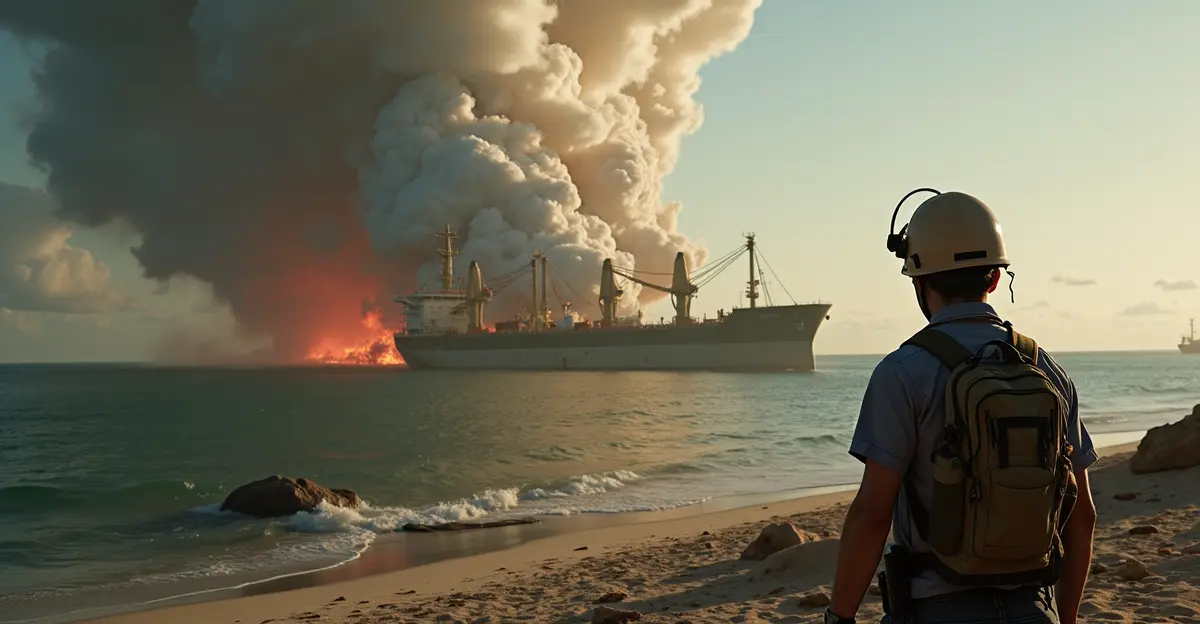
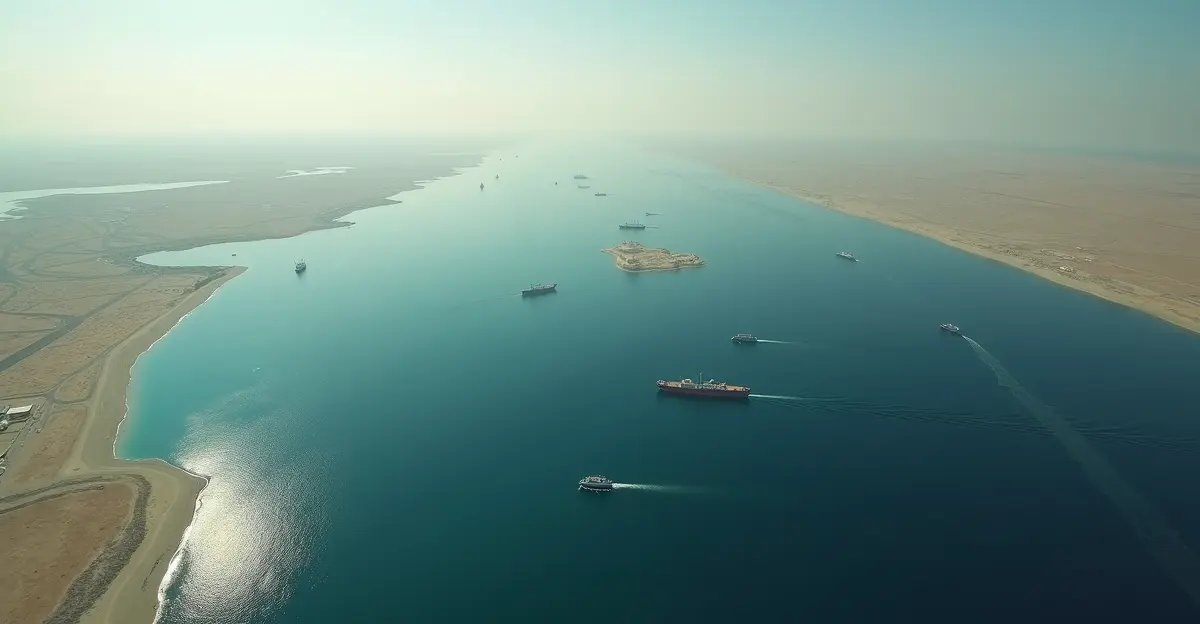
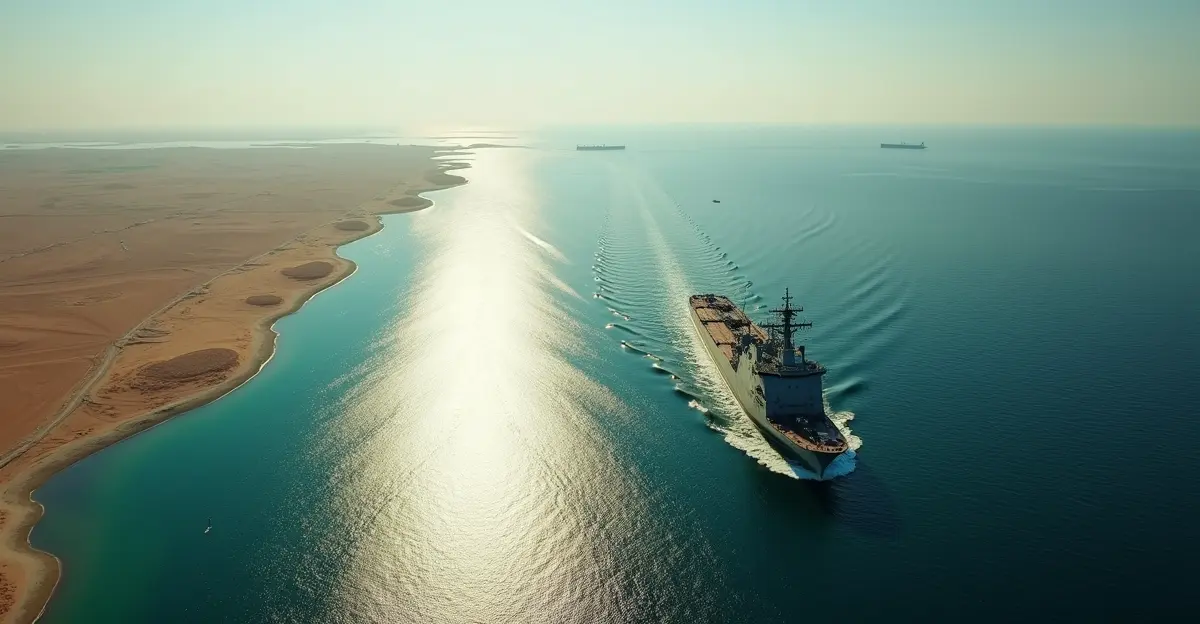
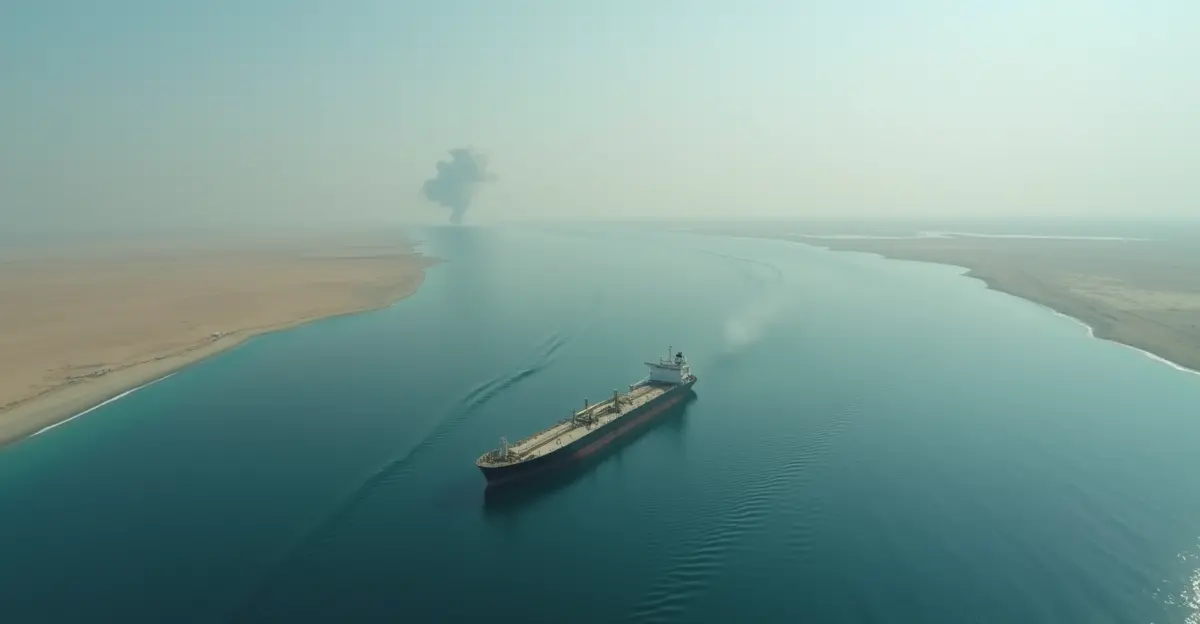
The strategic Strait of Hormuz, a 21-mile-wide maritime chokepoint handling 20% of global oil shipments, has become the epicenter of a geopolitical crisis that threatens to plunge the world into economic turmoil. Following coordinated U.S.-Israeli military strikes on Iran on February 28, 2026, which resulted in the death of Supreme Leader Ali Khamenei, Iran's Islamic Revolutionary Guard Corps has effectively closed the vital waterway, creating what experts describe as the largest disruption to global energy supplies since the 1970s oil crises. Brent crude oil prices surged to $119.50 per barrel on March 9, 2026, marking a 29% increase and the highest level in four years, while tanker traffic dropped to near zero as shipping companies suspended operations in the region.
What is the Strait of Hormuz Crisis?
The Strait of Hormuz crisis represents a critical geopolitical flashpoint where military conflict has intersected with global energy security. This narrow waterway between Iran and Oman serves as the primary transit route for approximately 20 million barrels of oil daily, representing roughly 20% of global seaborne oil trade and significant volumes of liquefied natural gas (LNG). The current crisis began when the United States and Israel initiated Operation Epic Fury, targeting Iranian military facilities, nuclear sites, and leadership. Iran responded with missile barrages on Israeli cities and U.S. bases in the Gulf, while its Revolutionary Guard issued warnings prohibiting vessel passage through the strait. The situation has escalated into what analysts call a "Third Gulf War," with implications extending far beyond the Middle East.
Economic Impact and Global Recession Risks
The closure of the Strait of Hormuz has triggered immediate economic consequences that threaten global stability. According to energy analyst Bob McNally, "a prolonged closure of the Strait of Hormuz is a guaranteed global recession." The crisis has already forced major OPEC producers including Iraq, Kuwait, and the United Arab Emirates to reduce output significantly, with Iraq's production dropping approximately 70% to 1.3 million barrels per day. Middle East production shut-ins could expand to over 4 million barrels daily by next week as storage facilities reach capacity.
Inflation and Supply Chain Disruptions
Beyond oil, the strait's closure affects numerous critical supply chains. Aluminum imports from the Middle East (21% of unwrought and 13% of wrought aluminum) face significant disruption, impacting automotive, aerospace, and construction manufacturing. Fertilizer represents a major downstream risk, with one-third of global fertilizer trade transiting the strait, threatening food inflation during the crucial spring planting season. Other affected sectors include petrochemicals, plastics, rubber, electronics, batteries, pharmaceuticals, and sugar. Supply chain experts warn that disruptions could hit consumer prices within 2-5 weeks, leading to higher inflation and reduced manufacturing output globally.
Asian Economies Most Exposed
Asian economies including India, Bangladesh, Japan, and China are particularly vulnerable due to their heavy reliance on Gulf energy imports. In 2024, an estimated 84% of crude oil and condensate shipments through the strait were destined for Asian markets. The energy security challenges facing these nations highlight the interconnected nature of global energy markets and the disproportionate impact regional conflicts can have on developing economies.
Geopolitical Context and Escalation Timeline
The current crisis didn't emerge in isolation but represents the culmination of escalating tensions between Iran, the United States, and Israel. Failed nuclear negotiations in Geneva and a prior 12-day air conflict in 2025 set the stage for the current confrontation. In the days before the February 28 strikes, war-risk ship insurance premiums for the strait increased from 0.125% to between 0.2% and 0.4% of the ship insurance value per transit, adding approximately a quarter of a million dollars to the cost for very large oil tankers.
Military Developments and Regional Spillover
The conflict has expanded beyond the immediate region, with Iran-backed Hezbollah launching rockets into Israel from Lebanon, prompting Israeli counterstrikes. Iran has also declared it will provide "more security passage" to countries that expel U.S. and Israeli ambassadors. By March 9, shipping insurance rates for the Strait were reported to have increased by four to six times over the previous week, and the U.S. government began assisting insurers under the Terrorism Risk Insurance Act. The Middle East security architecture appears fundamentally altered by these developments.
Global Response and Mitigation Efforts
Governments worldwide are scrambling to address the crisis. G7 finance ministers are holding emergency talks about coordinated petroleum reserve releases to stabilize markets. The U.S. Department of Energy is reportedly considering additional strategic petroleum reserve releases beyond the 180 million barrels released during previous crises. European nations, which get 12% to 14% of their LNG from Qatar through the strait, are exploring alternative energy sources and accelerating renewable energy transitions.
Shipping Industry Adaptation
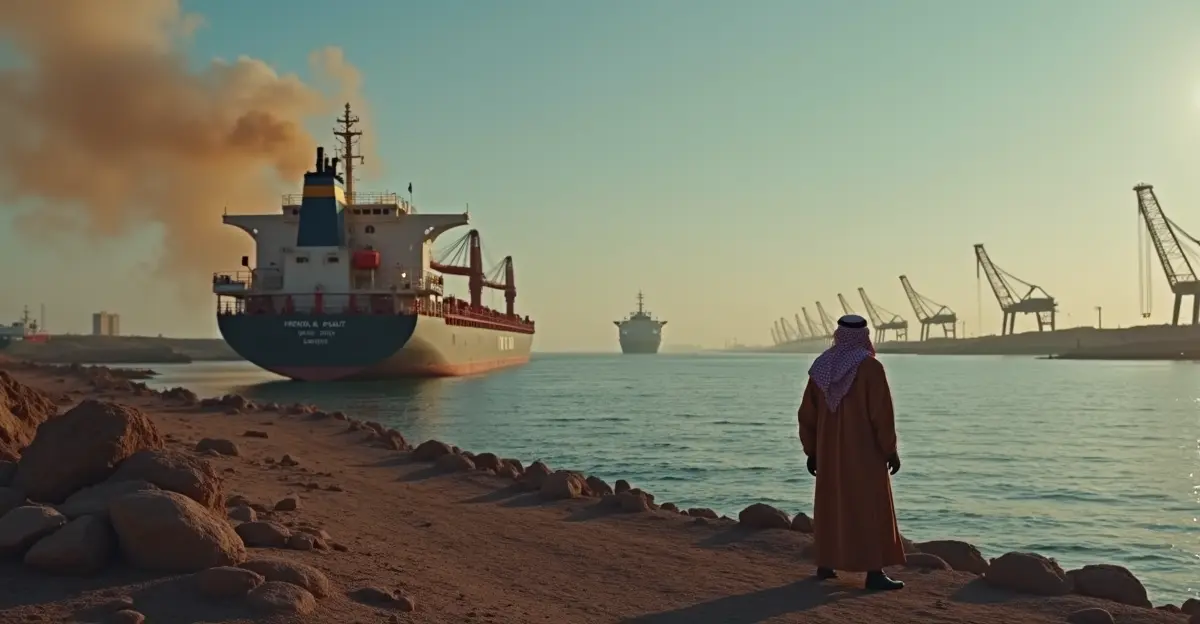
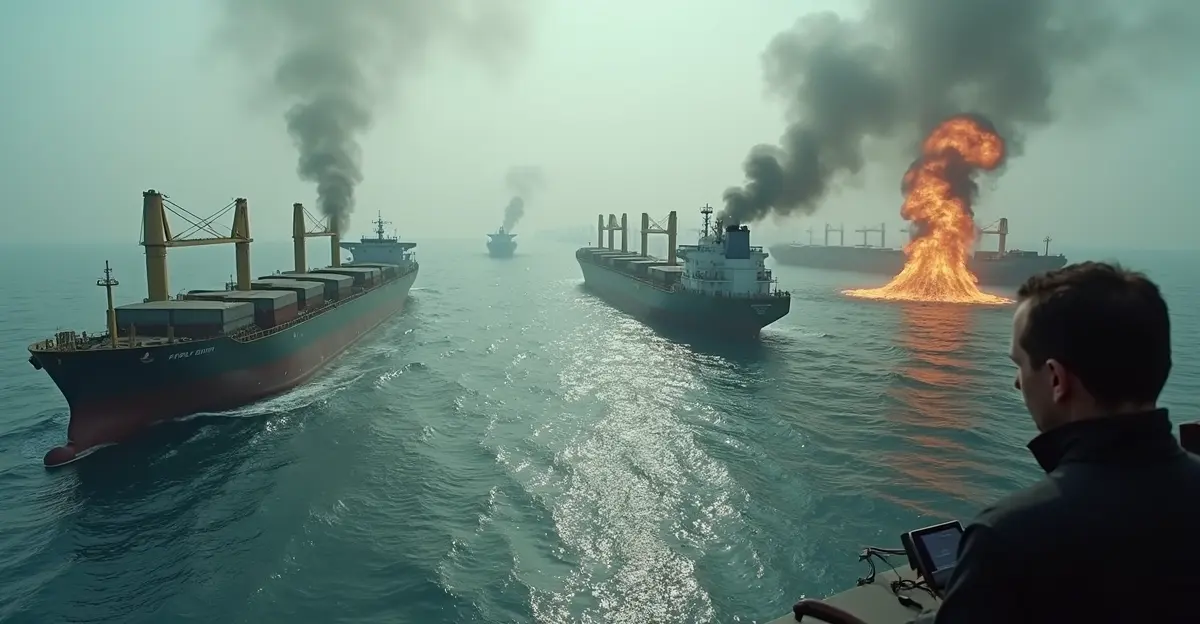
Major shipping firms including Maersk, MSC, and CMA CGM have suspended operations in the area, with over 150 ships anchoring outside the strait to avoid risks. Some vessels are attempting alternative routes, though these add significant time and cost to shipments. The maritime logistics challenges created by the crisis highlight the vulnerability of global trade to geopolitical disruptions at critical chokepoints.
Expert Perspectives on Long-Term Implications
Former International Energy Agency oil head Neil Atkinson warned "the sky is the limit" for prices if the crisis persists. ExxonMobil's chief economist expressed skepticism about quick resolution, noting that previous Middle East conflicts have typically resulted in prolonged market disruptions. Energy security experts suggest this crisis may accelerate the global transition away from fossil fuels, though in the short term, it creates severe economic pain.
Strategic Minerals and Energy Independence
The crisis has renewed focus on critical minerals and energy independence strategies. The rare earth elements competition between the U.S. and China takes on new urgency as nations seek to reduce dependence on volatile regions. Countries are likely to accelerate investments in domestic energy production, renewable technologies, and strategic stockpiling of essential commodities.
Frequently Asked Questions (FAQ)
How much oil normally flows through the Strait of Hormuz?
Approximately 20 million barrels of oil per day transit the Strait of Hormuz, representing about 20% of global seaborne oil trade and significant volumes of liquefied natural gas.
What caused the current closure of the strait?
The closure resulted from U.S.-Israeli military strikes on Iran on February 28, 2026, which killed Supreme Leader Ali Khamenei. Iran responded by declaring the strait unsafe and prohibiting vessel passage.
How high could oil prices go if the crisis continues?
Analysts warn Brent crude could reach $150-$200 per barrel if the blockade persists, potentially triggering global recession and severe inflation.
Which countries are most affected by the closure?
Asian economies including China, India, Japan, and Bangladesh are most exposed due to heavy reliance on Gulf energy imports, but all oil-importing nations face economic consequences.
What alternatives exist to shipping through the Strait of Hormuz?
Limited alternatives include pipelines through Saudi Arabia and the UAE, but these have insufficient capacity to handle the volume normally shipped through the strait, making complete substitution impossible.
Conclusion: Navigating an Uncertain Energy Future
The Strait of Hormuz crisis represents a watershed moment in global energy security and geopolitics. As the world grapples with the immediate economic impacts of oil prices exceeding $119 per barrel, longer-term questions emerge about energy independence, supply chain resilience, and the geopolitical risk management strategies needed in an increasingly volatile world. The crisis underscores the fragile nature of global energy infrastructure and the profound economic consequences when geopolitical tensions intersect with critical trade routes. How nations respond to this challenge will shape energy markets and international relations for years to come.
Follow Discussion