


 Deutsch
 English
 Español
 Français
 Nederlands
 Português


 Share
Share




The global scramble for liquefied natural gas (LNG) following the cessation of Russian pipeline gas transit via Ukraine on January 1, 2025, is driving a wave of infrastructure investments that risk locking in decades of fossil fuel dependency—directly contradicting the net-zero commitments nations have made under the Paris Agreement. As the European Union, Japan, and emerging economies like India and Vietnam rush to secure alternative gas supplies, 2026 has become a pivotal year for final investment decisions (FIDs) on LNG terminals, floating storage and regasification units (FSRUs), and long-term supply contracts. This article examines the strategic tension between energy security imperatives and climate targets, and asks whether the current LNG buildout is creating a stranded asset crisis by 2035.
Context: The Post-Russian Gas Reconfiguration
Russia's invasion of Ukraine in 2022 triggered an unprecedented energy crisis in Europe, prompting a rapid pivot away from Russian pipeline gas. By 2024, Russian gas accounted for less than 10% of EU imports, down from 40% in 2021. The final blow came on January 1, 2025, when Ukraine refused to renew the five-year transit deal with Russia, ending a decades-long arrangement. The loss of 15 billion cubic meters (bcm) of annual supply via Ukraine was largely manageable for the EU-27, which had diversified via Norwegian pipeline gas, increased storage withdrawals, and—most significantly—a massive buildout of LNG import capacity. However, the energy security crisis exposed deep vulnerabilities in global gas markets, particularly for Asian economies reliant on spot LNG cargoes.
Germany's FSRU Gambit: A Bridge or a Trap?
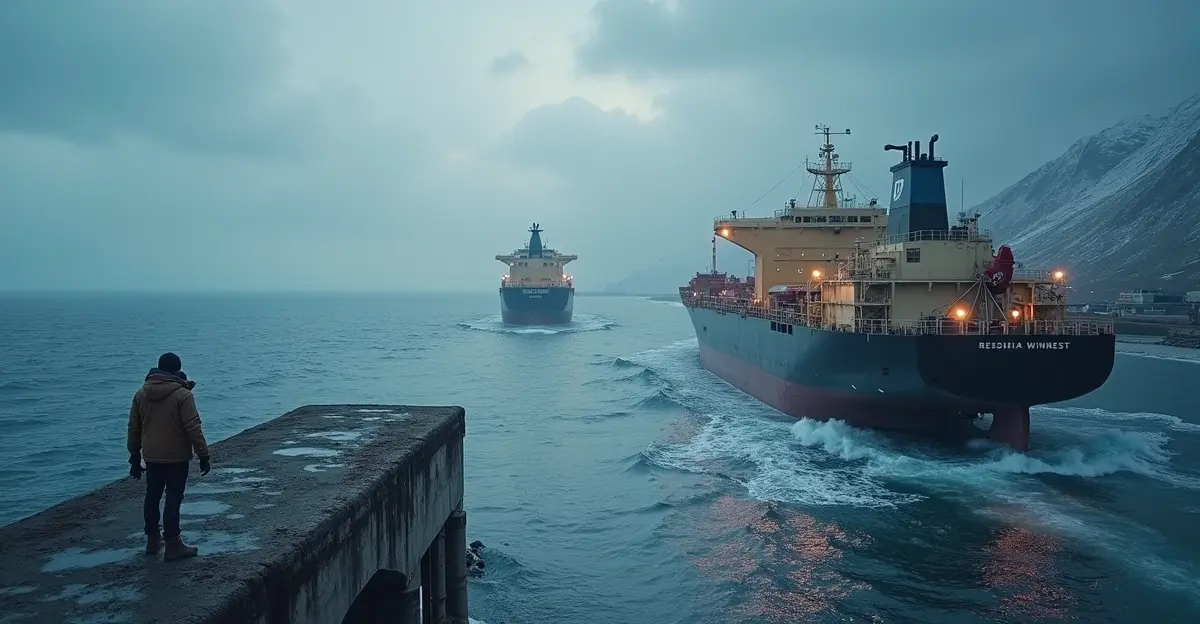
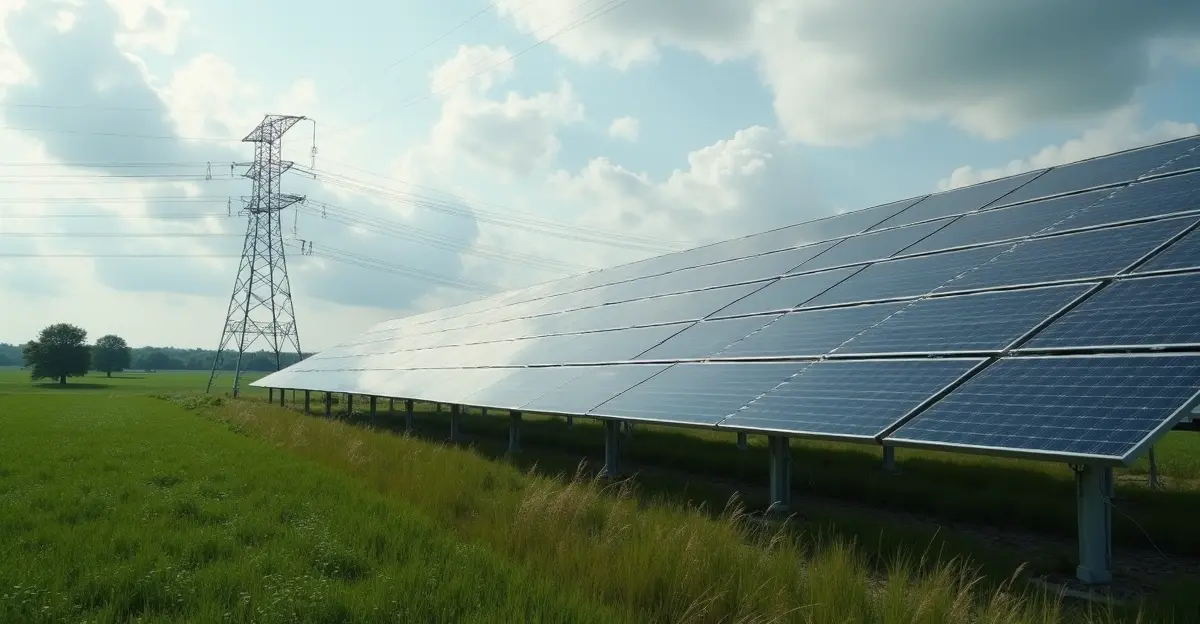
Germany, historically Europe's largest Russian gas buyer, has led the charge in constructing new LNG import terminals. Since 2022, the country has deployed multiple FSRUs at Wilhelmshaven, Brunsbüttel, Stade, and Lubmin, with a combined capacity exceeding 30 bcm/year. These floating units allow rapid deployment—typically within months—and are designed to be hydrogen-ready, ostensibly aligning with Germany's 2045 net-zero target. However, critics argue that the rush to lock in long-term LNG contracts creates a stranded asset risk as renewable energy costs continue to plummet. According to SolAbility's Global LNG Outlook, LNG-fired electricity costs $80–120 per MWh, compared to $30–40/MWh for solar-plus-battery systems. By 2030, the report projects a structural LNG supply surplus of 278 million tonnes per annum (MTPA)—equivalent to 48% of global capacity sitting idle. Germany's FSRUs, each costing hundreds of millions of euros, could become white elephants if the energy transition accelerates as planned.
India and Vietnam: Emerging Economy Dilemmas
India's LNG imports are projected to rise to 29 million metric tonnes in 2026, according to Petronet LNG's CEO, driven by industrial growth and city gas expansion. The country has approved multiple new LNG terminals, including a 5 MTPA facility at Chhara and expansions at Dahej and Kochi. Similarly, Vietnam's revised Power Development Plan 8 (PDP8), approved in April 2025, targets 22,524 MW of LNG-fired power capacity by 2030, alongside major projects like the 4,800 MW Hai Phong LNG complex. These investments are framed as a bridge away from coal, but they risk locking in fossil fuel infrastructure for 25–30 years—far beyond the 2035–2040 timeframe when the IEA's net-zero scenario requires near-complete decarbonization of power generation. The LNG bridge fuel debate is particularly acute in Asia, where solar and wind costs are already below LNG on a levelized basis.
Stranded Asset Risk: $394 Billion at Stake
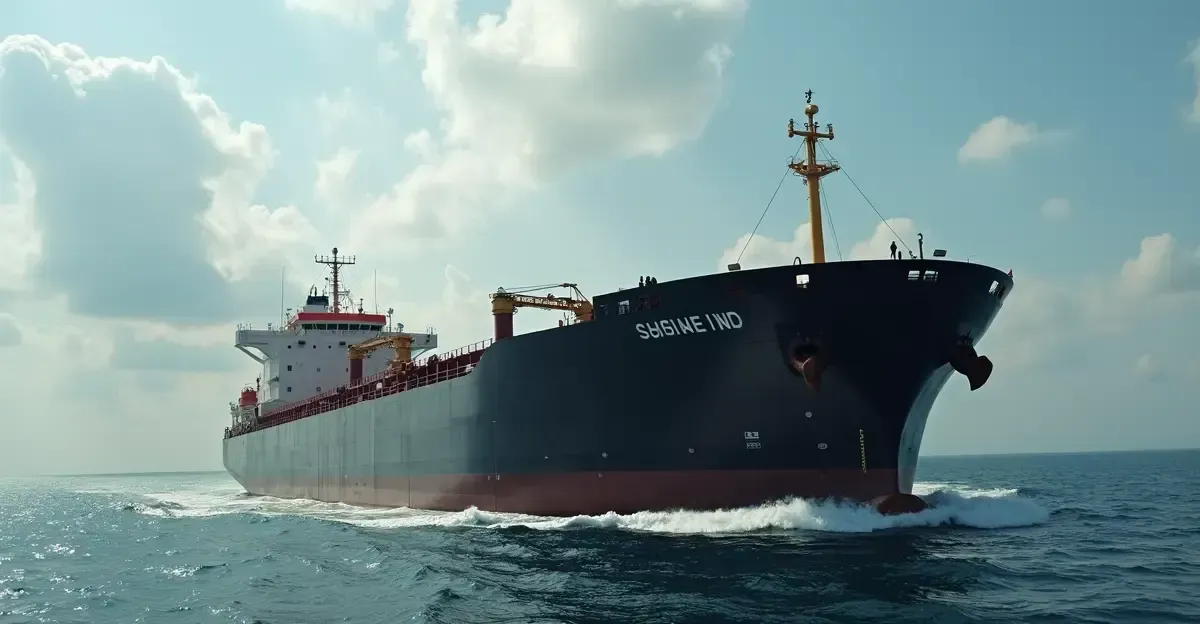
The scale of committed capital is staggering. SolAbility estimates that $394 billion is tied up in 25 major LNG liquefaction projects under construction or advanced development globally. The IEA's Global LNG Capacity Tracker confirms that between 2025 and 2030, around 345 bcm/year of new export capacity will come online—the largest wave in history. The United States alone accounts for over 55% of sanctioned capacity since 2019, with 2025 setting a record for US LNG FIDs at over 83 bcm/year. However, demand projections tell a different story. Under a 1.5°C-aligned scenario, LNG demand peaks before 2030 and declines sharply thereafter. A study by the UCL Energy Institute and Kuehne Climate Center warns that up to $48 billion invested in LNG carriers—whose orders have surged 300% in five years—could be written off by 2035. Japan, South Korea, Greece, China, and US-listed firms are most exposed. LNG carriers are particularly vulnerable because they are young, expensive, and purpose-built, with costly conversion requirements for alternative uses.
Japan's Long-Term Contract Return
Japan, the world's largest LNG importer, has returned to signing long-term contracts after a hiatus, driven by the AI boom and a new national energy plan that reaffirms gas as a transition fuel. In June 2025, Reuters reported that Japanese utilities were signing 10–15 year deals with US and Australian suppliers. Yet Japan's 73% emissions reduction target by 2040 (under its latest NDC) implies a rapid decline in gas consumption. The Japan LNG procurement strategy may offer price security but risks locking in volumes that exceed future demand, creating stranded contract liabilities.
Impact on 2026 Climate Pledges
The 2026 round of Nationally Determined Contributions (NDCs) under the Paris Agreement—covering 2035 targets—was meant to ratchet up ambition. Over 130 countries submitted new NDCs by March 2026, covering nearly 75% of global energy-related emissions. However, the IEA's State of Energy Policy 2026 report finds that these pledges still imply global CO2 emissions rising 0.4% annually through 2035, far from the 1.5°C pathway. The contradiction is stark: the same governments signing long-term LNG contracts are also pledging net-zero by mid-century. The Paris Agreement NDC gap is widening, and LNG infrastructure is a key driver.
Expert Perspectives
"The LNG investment wave is a classic case of short-term energy security trumping long-term climate logic," says Dr. Anne-Sophie Corbeau, a global gas expert at Columbia University's Center on Global Energy Policy. "Policymakers need to stress-test their portfolios against a 1.5°C scenario and build in flexibility—such as hydrogen-ready designs and shorter contract durations." Meanwhile, analysts at the Institute for Energy Economics and Financial Analysis (IEEFA) argue that the financial risks are underappreciated. "Investors are treating LNG as a safe bet, but the cost curve for renewables is moving faster than most models capture," notes IEEFA's Sam Reynolds. "The IEA has systematically underestimated solar deployment for 15 years. LNG projects based on those demand forecasts are built on sand."
FAQ
What is the LNG trap?
The LNG trap refers to the risk that countries investing heavily in LNG import and export infrastructure today will be left with stranded assets as the global energy transition accelerates, making gas-fired power uneconomical compared to renewables.
Which countries are most exposed to LNG stranded assets?
Japan, South Korea, Germany, India, and Vietnam are among the most exposed on the import side, while the US, Qatar, Australia, and Canada face risks on the export side. LNG carrier owners in Greece, China, and Japan are also highly vulnerable.
How does LNG contradict 2026 climate pledges?
New LNG infrastructure typically operates for 25–30 years, locking in fossil fuel emissions beyond the 2035–2040 timeframe when the IEA's net-zero scenario requires deep decarbonization. This directly undermines the emissions reduction targets in updated NDCs.
Can FSRUs be repurposed for hydrogen?
Some FSRUs are marketed as hydrogen-ready, but conversion is technically challenging and costly. Ammonia and hydrogen have different storage and handling requirements, and no large-scale repurposing has been demonstrated.
What is the financial scale of at-risk LNG investments?
SolAbility estimates $394 billion in committed capital for liquefaction projects, while UCL/Kuehne Climate Center warns of $48 billion in LNG carrier investments at risk by 2035 under a 1.5°C scenario.
Conclusion: A Fork in the Road
As 2026 unfolds, the decisions made on LNG infrastructure will shape the energy landscape for decades. The tension between energy security and climate action is not new, but the scale of the current buildout—and the speed of renewable cost declines—makes this a uniquely high-stakes moment. Countries that lock in long-term LNG contracts and terminals risk financial and environmental stranded assets. Those that pivot aggressively toward renewables, storage, and grid flexibility may secure both energy independence and climate leadership. The choice is clear, but the path is politically fraught.


Follow Discussion