


 Deutsch
 English
 Español
 Français
 Nederlands
 Português


 Share
Share




Australia's Fuel Excise Cut: What You Need to Know About the 2026 Tax Relief
The Australian government has announced a major temporary fuel excise cut, halving taxes on petrol and diesel for three months to provide immediate relief from soaring fuel prices. This 26.3 cents per litre reduction, effective from April 1 to June 30, 2026, represents a $2.55 billion government intervention aimed at easing cost-of-living pressures exacerbated by global energy market disruptions.
What is Australia's Fuel Excise Cut?
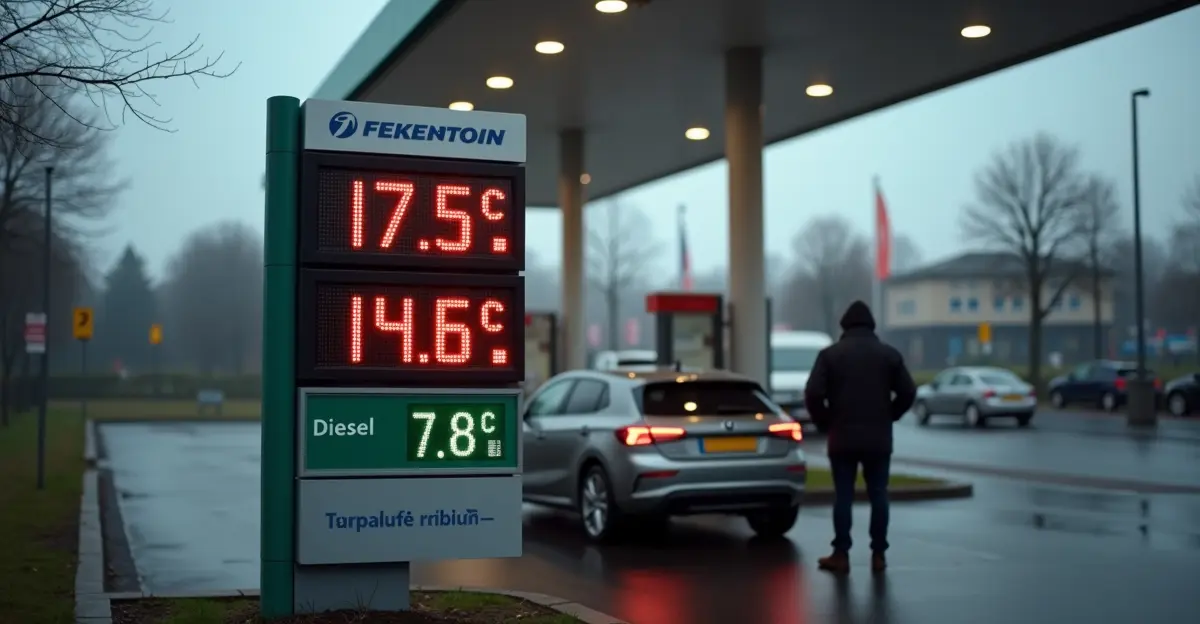
The fuel excise cut announced by Prime Minister Anthony Albanese's government temporarily reduces the federal fuel tax from 52.6 cents to 26.3 cents per litre for both petrol and diesel. This measure will save motorists approximately $19 on a standard 65-litre tank of fuel and is part of a broader national fuel security plan developed in response to global supply chain disruptions. The government has also eliminated the heavy vehicle road user charge for three months to support the trucking industry, which has been particularly hard hit by diesel prices exceeding $3 per litre in major cities.
Why Australia Needed Fuel Price Relief
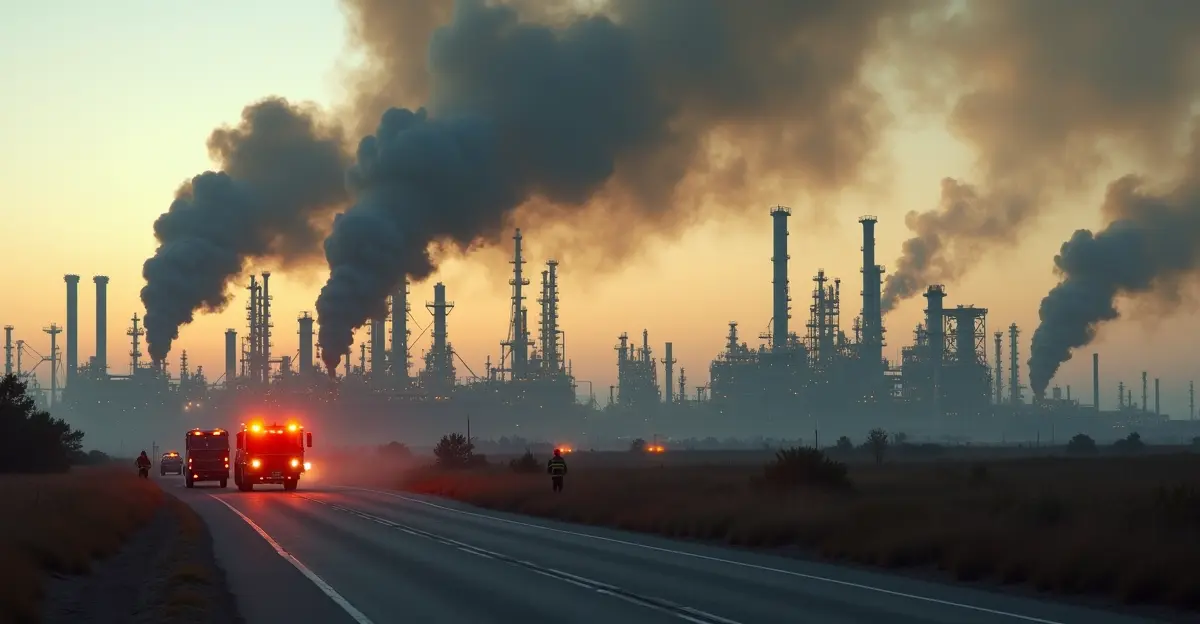
The decision comes amid unprecedented fuel price increases triggered by Middle East conflicts that have effectively closed the Strait of Hormuz, choking off 20% of global oil trade. Diesel prices have surged 40% since the conflict began, with petrol following similar trajectories. "The consequences of the war on the other side of the world are also being felt here," Prime Minister Albanese stated during a Canberra press conference, highlighting the global nature of the fuel crisis.
Australia's vulnerability stems from its heavy reliance on imported refined petroleum products, with over 90% of requirements coming from overseas. This dependency makes the nation particularly sensitive to international market disruptions, currency fluctuations, and supply chain vulnerabilities. The global oil price crisis has created stagflationary pressures, with economists predicting inflation could reach 5% while unemployment rises as businesses cut back operations.
Key Details of the Fuel Excise Reduction
- Duration: Three months (April 1 - June 30, 2026)
- Reduction: 26.3 cents per litre (50% cut from 52.6 cents)
- Cost to Government: $2.55 billion (approximately €1.5 billion)
- Savings per Tank: ~$19 on 65-litre tank
- Heavy Vehicle Relief: Road user charge reduced to zero for same period
- Monitoring: ACCC will ensure savings passed to consumers
Broader Government Fuel Security Measures
The excise cut is part of a comprehensive four-point national fuel security plan that includes:
- Strategic Reserve Release: Australia will release 20% of its fuel reserves (4.8 million barrels) as part of coordinated International Energy Agency efforts
- Regulatory Flexibility: Temporary relaxation of diesel standards to increase supply options
- Price Monitoring: Enhanced ACCC oversight with potential price gouging penalties
- Emergency Powers: New authority for finance minister to access funding for fuel purchases without parliamentary approval
These measures mirror international approaches seen in G7 nations, where countries like Italy have implemented 25 cent per litre excise cuts and Germany has introduced strict price increase limitations with fines up to €100,000 for violations.
State-Level Complementary Measures
Several Australian states have implemented additional relief measures. Victoria, including Melbourne, is offering free public transport throughout April 2026, while Tasmania has made buses and ferries free until July 2026. These initiatives aim to reduce fuel demand while providing alternative transportation options during the price crisis. The European energy crisis response provides interesting parallels, though Australia's geographic challenges create unique implementation difficulties.
Economic Implications and Risks
While the excise cut provides immediate relief, economists warn of potential unintended consequences. The Reserve Bank of Australia may view the $2.55 billion injection as inflationary, potentially triggering additional interest rate hikes. Historical precedent exists: the 2022 fuel excise cut under former Prime Minister Scott Morrison contributed to that year's inflationary outbreak and subsequent rapid interest rate increases.
Distributional concerns also exist, with analysis showing the top 20% of earners receive approximately 25% of the benefits from fuel tax cuts, raising questions about targeted versus broad relief approaches. The inflation control measures being considered globally suggest more nuanced approaches may emerge as the crisis evolves.
FAQs About Australia's Fuel Excise Cut
When does the fuel excise cut take effect?
The 26.3 cent per litre reduction begins April 1, 2026, and continues through June 30, 2026.
How much will I save at the pump?
Motorists will save approximately 26.3 cents per litre, equating to about $19 on a 65-litre tank of fuel.
Will all service stations pass on the savings?
The Australian Competition and Consumer Commission (ACCC) will monitor fuel prices to ensure the excise reduction is fully passed on to consumers.
What about truck drivers and heavy vehicles?
The heavy vehicle road user charge has been reduced to zero for three months, providing additional relief for the transport industry.
Are there other fuel relief measures?
Yes, several states offer free public transport, and the government has released strategic fuel reserves while implementing price monitoring measures.




Follow Discussion