


 Deutsch
 English
 Español
 Français
 Nederlands
 Português


 Share
Share




Ireland Fuel Crisis Explained: Military Standby as Protests Enter 4th Day
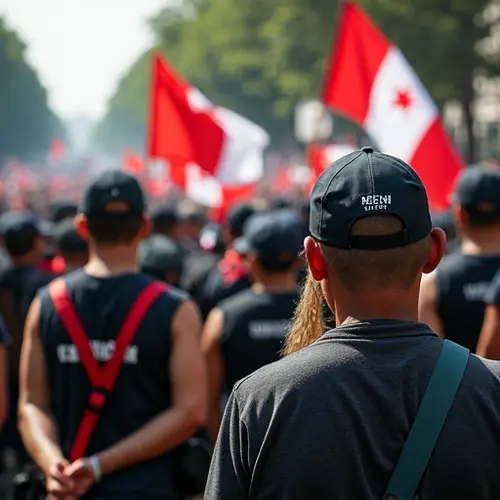
Ireland is facing its most severe fuel crisis in decades as nationwide protests over soaring diesel and petrol prices enter their fourth consecutive day, prompting the Irish government to place military forces on standby for potential intervention. The escalating situation has seen up to 500 fuel stations run dry, major highways blocked by tractors and trucks, and growing fears that emergency services could soon face fuel shortages. The protests, primarily led by farmers, hauliers, and transport companies, represent a dramatic response to fuel prices that have surged by 20% due to the ongoing Middle East conflict's impact on global oil supplies.
What is Causing Ireland's Fuel Crisis?
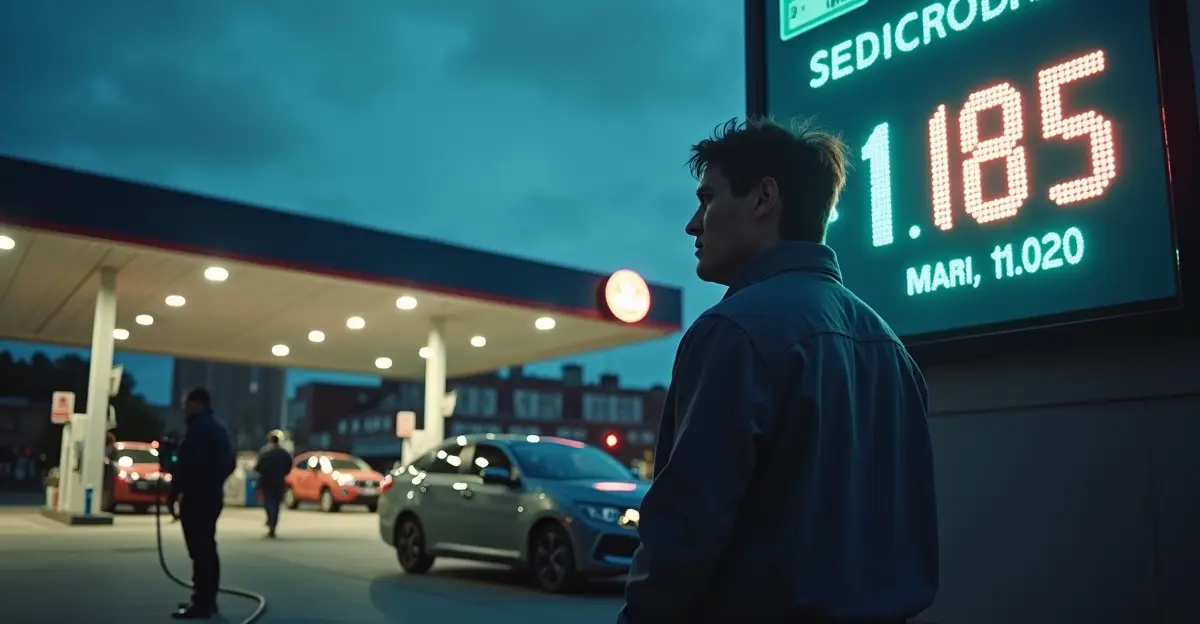
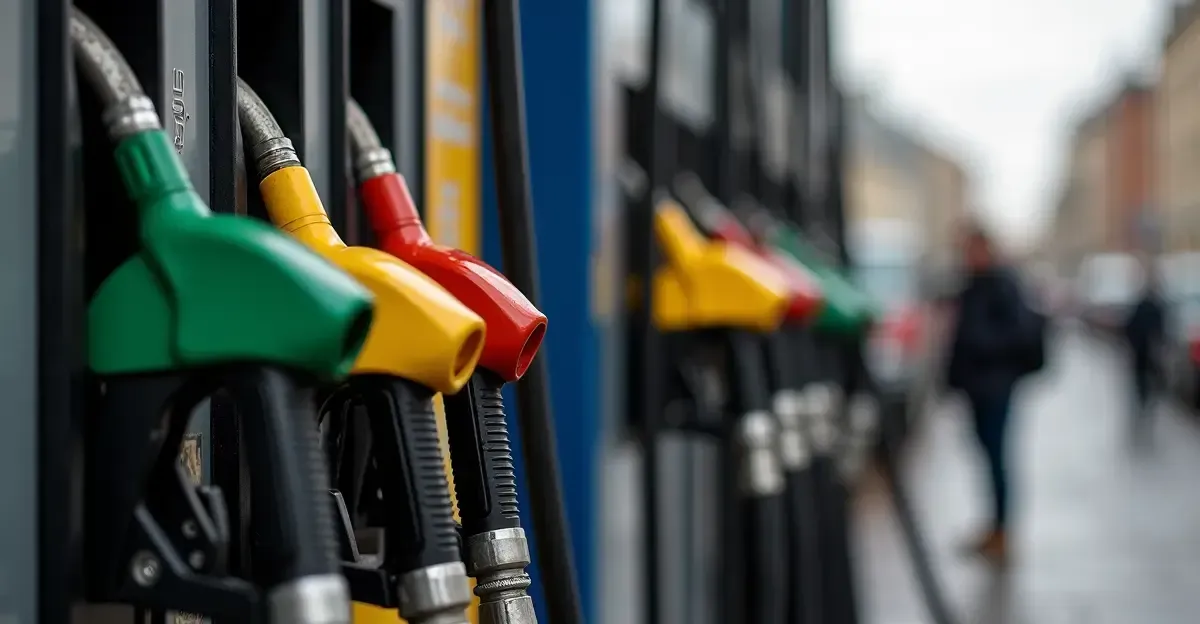
The current fuel crisis in Ireland stems from a perfect storm of international and domestic factors. The Middle East conflict, which began in March 2026, has disrupted global oil markets and sent prices soaring worldwide. In Ireland, diesel prices have reached approximately €2.17 per liter (up from €1.70), while petrol has climbed to €1.97 per liter (from €1.74). These dramatic increases have particularly impacted sectors like agriculture, transportation, and logistics, where fuel represents a significant operational cost.
The Irish government implemented a €250 million relief package last month, including excise duty cuts of 22 cents for diesel and 17 cents for petrol. However, protesters argue these measures are insufficient, especially when compared to similar crises in other European nations. The situation mirrors broader European energy price inflation trends affecting multiple countries simultaneously.
Protest Demands and Government Response
Demonstrators have presented three primary demands to the Irish government:
- Further reductions in excise duty, carbon tax, or VAT on fuel
- A price cap that would maintain diesel at €1.70 per liter and agricultural diesel at 90 cents
- Direct meetings with senior government officials to address their concerns
John Dallon, a farmer from Kildare near Dublin, told the BBC: "Also al duurt het nog een maand, wij zijn voorbereid om te blijven." ("Even if it takes another month, we are prepared to stay.") This sentiment reflects the determination among protesters who fear business failures if fuel costs remain unsustainable.
The government has shifted from negotiation to enforcement, with police warning protesters to end blockades or face legal consequences. Irish Prime Minister Martin stated on national television that the protests "harm the economy and society" and that demonstrators "do not have the right to bring the country to a standstill."
Critical Infrastructure Blockades
The protests have targeted Ireland's most vital fuel infrastructure, creating an unprecedented supply crisis:
| Infrastructure | Impact | Significance |
|---|---|---|
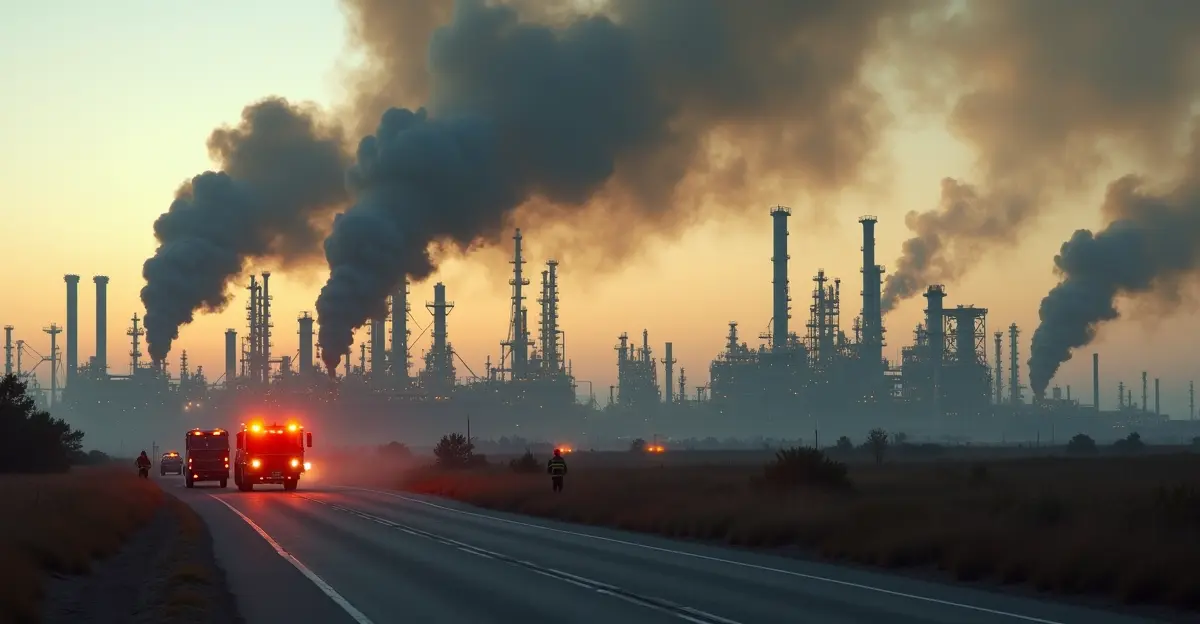
| Whitegate Oil Refinery | Completely blocked | Ireland's only oil refinery |
| Major Fuel Depots | Multiple blockades | Approximately 50% of national supply |
| M50 Motorway (Dublin) | Severe disruptions | Main route to Dublin Airport |
| Regional Highways | Widespread blockades | 25+ towns affected nationwide |
Perhaps most critically, an oil tanker destined for Ireland remains anchored off the coast, unable to unload its cargo due to the blockades. The government has warned that this vessel may turn around if protests continue, potentially worsening the fuel shortage.
Economic and Social Impact
The protests are creating ripple effects throughout Irish society and economy:
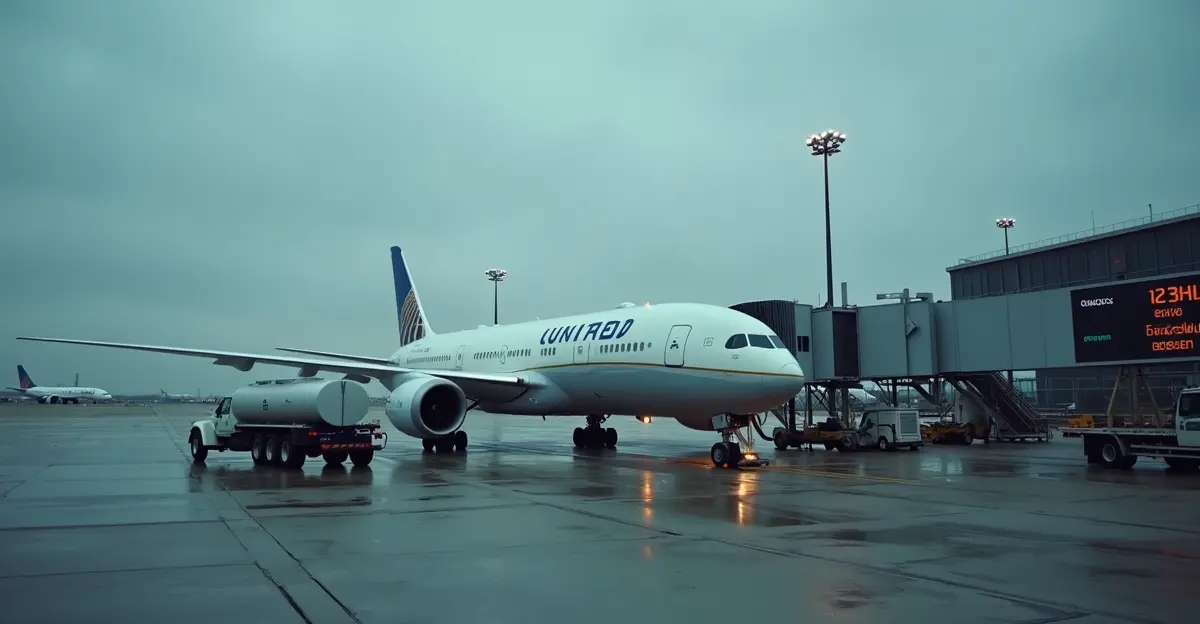
- Transport Chaos: Passengers have been seen walking along the M50 motorway with luggage to reach Dublin Airport
- Emergency Services: The Irish Health Service has urged the government to clear access to medical facilities
- Business Disruption: Transport companies and bus operators face potential bankruptcy
- Agricultural Crisis: Farmers warn of food supply chain disruptions if fuel remains unaffordable
Correspondent Arjen van der Horst notes: "What initially began small and local has grown over recent days into large-scale protests that have brought traffic in various parts of the country to a standstill." The situation represents a significant challenge for Ireland's transportation infrastructure and economic stability.
Military Readiness and International Context
The Irish Defence Forces have been placed on standby, marking a significant escalation in the government's response. While military intervention hasn't yet occurred, the readiness indicates the seriousness with which authorities view the situation. This development comes as similar protests have spread to Norway, where lorry drivers participated in "diesel roar" demonstrations in Oslo.
The global context is crucial to understanding Ireland's crisis. The Middle East conflict has pushed global oil prices above $80 per barrel, with particular volatility around the Strait of Hormuz—a vital transit route for approximately 20% of the world's oil. This international dimension makes Ireland's situation part of a broader global energy crisis affecting multiple nations simultaneously.
FAQ: Ireland Fuel Crisis Questions Answered
How long have the protests been going on?
The current wave of fuel protests in Ireland began four days ago and shows no signs of abating, with some protesters vowing to continue for weeks if necessary.
What specific price increases are protesters facing?
Diesel has risen from €1.70 to €2.17 per liter (a 28% increase), while petrol has increased from €1.74 to €1.97 per liter (13% increase) since the Middle East conflict began.
How many fuel stations are affected?
Industry organizations estimate up to 500 fuel stations could run dry by tonight, with many already experiencing shortages.
What government measures have been implemented?
The Irish government introduced a €250 million package including excise duty cuts of 22 cents for diesel and 17 cents for petrol, plus a four-week fuel allowance extension for 470,000 households.
Could the military actually intervene?
While the military is on standby, intervention would likely be a last resort. The government is currently focused on enforcement through police and legal channels.
Follow Discussion