


 Deutsch
 English
 Español
 Français
 Nederlands
 Português


 Share
Share




Strait of Hormuz Crisis: How the 2026 Conflict is Reshaping Global Energy Security
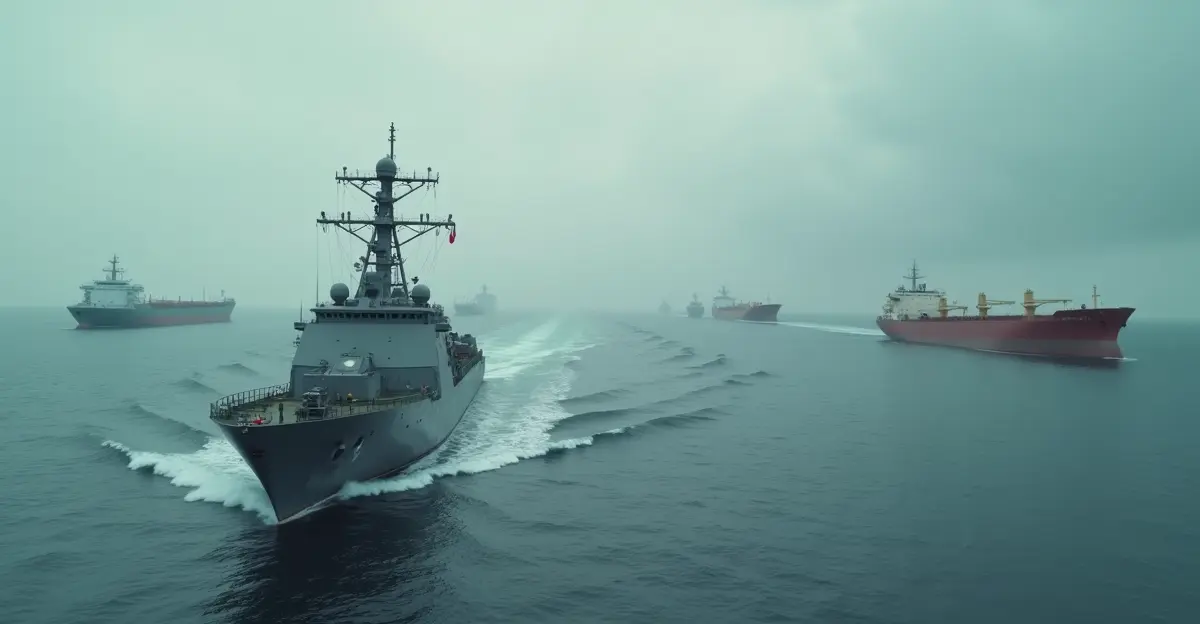
The February 2026 Middle East conflict has triggered the largest oil market disruption in history, with the effective closure of the Strait of Hormuz forcing a fundamental restructuring of global energy security frameworks. This strategic chokepoint, which typically handles 25-30% of global oil and 20% of liquefied natural gas (LNG) shipments, has been effectively blocked since late February 2026, creating unprecedented supply chain vulnerabilities just as governments were navigating post-pandemic recovery and accelerating energy transition timelines. The crisis has exposed critical weaknesses in the global energy security architecture that had developed over decades of relative stability.
What is the Strait of Hormuz Crisis?
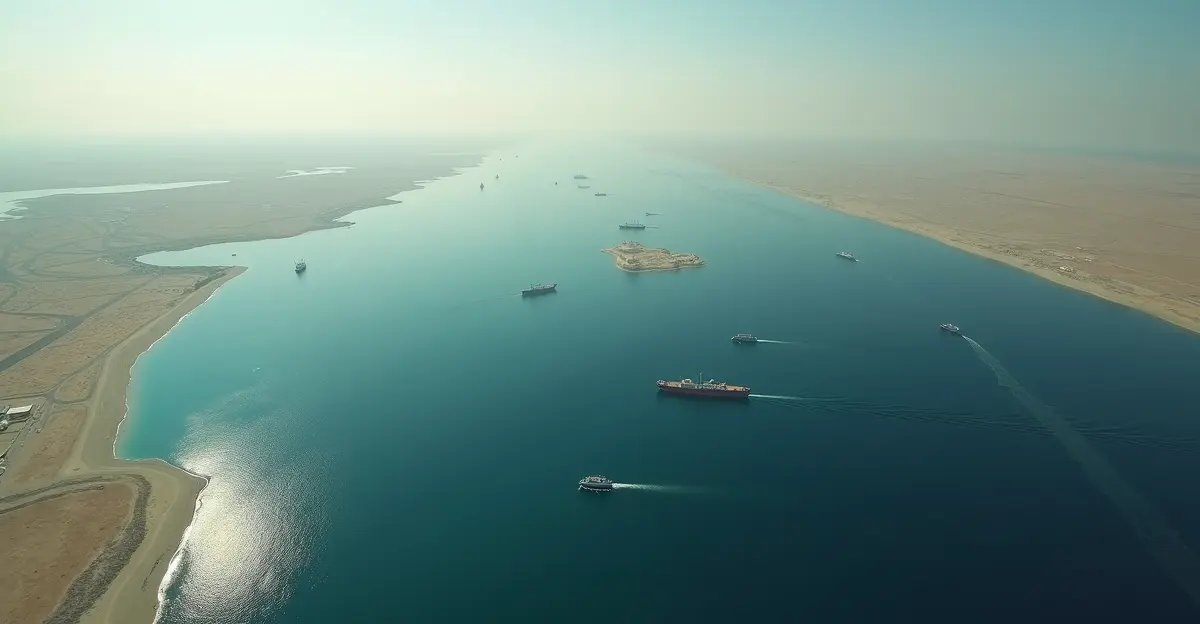
The Strait of Hormuz is a 104-mile waterway between the Persian Gulf and the Gulf of Oman that serves as the only sea passage for oil exports from major producers including Saudi Arabia, Iran, the United Arab Emirates, Kuwait, and Qatar. The February 28, 2026 escalation of conflict between Israel, the United States, and Iran resulted in the effective closure of this critical maritime route, disrupting approximately 20-30% of global oil trade and 20% of LNG shipments. According to the Global Cold Chain Alliance, Brent crude prices surged 64% in one month following the blockade, reaching levels not seen since the 1970s oil crises.
Immediate Global Impacts and Emergency Responses
The crisis has prompted emergency measures across approximately 60 countries, with governments implementing unprecedented interventions to stabilize energy markets. Key emergency responses include:
- A coordinated global release of 400 million barrels from strategic petroleum reserves
- Fuel export restrictions and consumption reduction mandates
- National energy emergency declarations in countries like the Philippines
- Temporary suspension of climate commitments in favor of energy security
- Work-from-home mandates and transportation restrictions to reduce fuel demand
The United Nations has warned that "fossil fuel addiction is destabilizing both climate and global security," with 75% of humanity living in countries dependent on imported fuels. This crisis has accelerated discussions about the energy transition timeline and the need for more resilient energy systems.
Accelerating Energy Diversification Strategies
Critical Minerals Supply Chain Reshaping
The crisis has intensified focus on critical minerals essential for energy transition technologies. According to the ODI analysis, China maintains dominance across processing and refining, projected to supply over 60% of refined lithium/cobalt and 80% of rare earths by 2035. The 2026 Critical Minerals Ministerial, hosted by the United States with 54 countries and the European Commission, resulted in 11 new bilateral frameworks and over $30 billion in U.S. government financing for strategic minerals projects. This represents a fundamental shift toward building secure, diversified supply chains essential for advanced technologies including AI, robotics, and batteries.
Regional Energy Corridor Development
Nations are rapidly developing alternative energy corridors to reduce vulnerability to single chokepoints. Key developments include:
- Expansion of Central Asian energy routes bypassing the Middle East
- Accelerated development of African energy infrastructure projects
- Enhanced trans-Atlantic LNG partnerships between North America and Europe
- Increased investment in Arctic shipping routes as climate change opens new possibilities
Strategic Implications for U.S.-China Energy Competition
The crisis has intensified the energy dimension of great-power competition between the United States and China. According to Time magazine analysis, energy has reemerged as a central geopolitical force in 2026, reversing earlier optimism about energy security and decarbonization. The United States has responded with physical interdiction of Venezuelan oil shipments and expanded strategic partnerships, while China has leveraged its position in critical minerals and renewable technology supply chains. This competition is reshaping global energy markets into politically defined blocs rather than integrated global systems.
Europe's Accelerated Transition from Middle Eastern Dependence
European nations, already reeling from the 2022 energy crisis triggered by Russia's invasion of Ukraine, are accelerating their transition away from Middle Eastern energy dependence. The crisis has:
- Spurred unprecedented investment in North Sea energy projects
- Accelerated deployment of renewable energy infrastructure
- Enhanced energy efficiency mandates across industrial sectors
- Strengthened energy partnerships with North African and Mediterranean producers
The European Union faces particular challenges in scaling financing for its Critical Raw Materials Act despite establishing 60 strategic projects. The crisis has highlighted the need for energy security frameworks that balance sustainability with resilience.
Long-Term Structural Changes to Global Energy Architecture
The 2026 Strait of Hormuz crisis represents a watershed moment in global energy security, forcing several fundamental shifts:
| Pre-Crisis Architecture | Post-Crisis Architecture |
|---|---|
| Integrated global energy markets | Fragmented, politically aligned blocs |
| Efficiency-focused supply chains | Resilience-focused supply chains |
| Gradual energy transition | Accelerated, crisis-driven transition |
| Market-based pricing mechanisms | Increased government intervention |
| Regional concentration of resources | Diversified sourcing and corridors |
According to the World Economic Forum analysis, the energy transition is no longer a linear, coordinated global shift but a fragmented, crisis-driven transformation requiring energy systems that are both clean and resilient to geopolitical shocks.
Expert Perspectives on the Crisis
Energy analysts emphasize that this crisis represents a fundamental turning point. "The 2022 energy crisis triggered by Russia's invasion of Ukraine marked a turning point, exposing energy system fragility," notes the Time analysis. "While globalization previously reduced energy's use as a political weapon through integrated markets, today's more contested world creates new vulnerabilities." The resurgence of energy as a geopolitical weapon reflects structural changes including great-power competition and the fragmentation of globalization into politically defined blocs.
Frequently Asked Questions
How much oil normally flows through the Strait of Hormuz?
Approximately 25-30% of global oil trade and 20% of liquefied natural gas (LNG) shipments pass through the Strait of Hormuz annually, making it the world's most important oil transit chokepoint.
What caused the February 2026 closure?
The closure resulted from escalating conflict between Israel, the United States, and Iran that began on February 28, 2026, with military actions effectively blocking maritime traffic through the strategic waterway.
How are countries responding to the crisis?
Approximately 60 countries have implemented emergency measures including strategic reserve releases, fuel export restrictions, consumption reduction mandates, and accelerated energy diversification strategies.
What does this mean for the energy transition?
The crisis has forced a tactical retreat from some decarbonization goals in the short term but is accelerating long-term transitions to renewable energy, electric vehicles, and more resilient energy systems.
How is this crisis different from previous energy disruptions?
This represents the largest oil market disruption in history, affecting a greater percentage of global energy flows than any previous crisis and occurring during a period of already heightened geopolitical tensions and supply chain vulnerabilities.
Conclusion: A New Energy Security Paradigm
The 2026 Strait of Hormuz crisis has exposed fundamental vulnerabilities in the global energy system and accelerated structural changes that were already underway. As nations grapple with the immediate impacts of the blockade, they are simultaneously building more resilient energy architectures for the future. The crisis has highlighted the urgent need for energy systems that balance the energy trilemma of security, affordability, and sustainability while reducing dependence on single chokepoints and vulnerable supply chains. The restructuring of global energy security frameworks triggered by this crisis will shape energy geopolitics for decades to come, with profound implications for economic stability, national security, and the pace of the global energy transition.
Sources
Global Cold Chain Alliance Situation Report (April 5, 2026), United Nations Climate Statement (2026), UNCTAD Report on Strait of Hormuz Disruptions, ODI Critical Minerals Analysis (2026), IEA Critical Minerals Security Programme, U.S. State Department 2026 Critical Minerals Ministerial, World Economic Forum Analysis (April 2026), Time Magazine Energy Geopolitics Analysis (April 2026), CASE Countries Energy Security Report (2026).
Follow Discussion