


 Deutsch
 English
 Español
 Français
 Nederlands
 Português


 Share
Share




In early 2026, conflict-related disruption in the Strait of Hormuz triggered the largest oil market shock in history, with Brent crude surging 65% in a single month and global supply falling by over 10 million barrels per day. This article analyzes the cascading effects on global trade, supply chain reconfiguration, and the accelerating push for renewable energy independence. It examines how developing economies face disproportionate pressure from fuel and food import costs, while NATO allies and major powers rethink strategic energy reserves and military posture in the Persian Gulf.
What Happened: The Strait of Hormuz Crisis of 2026
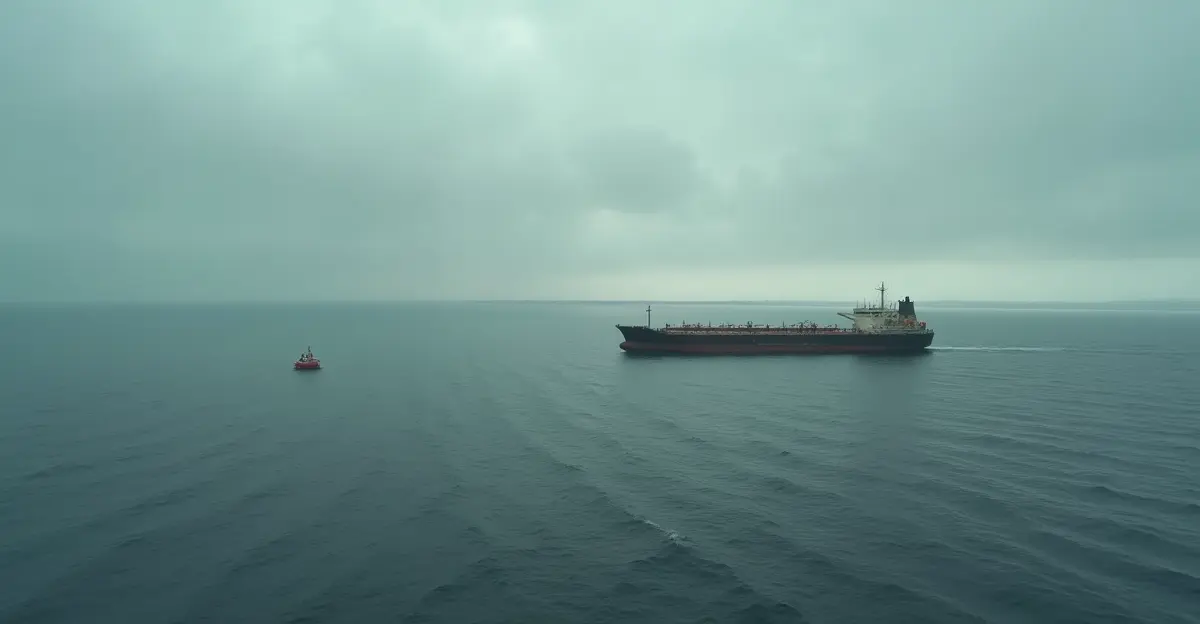
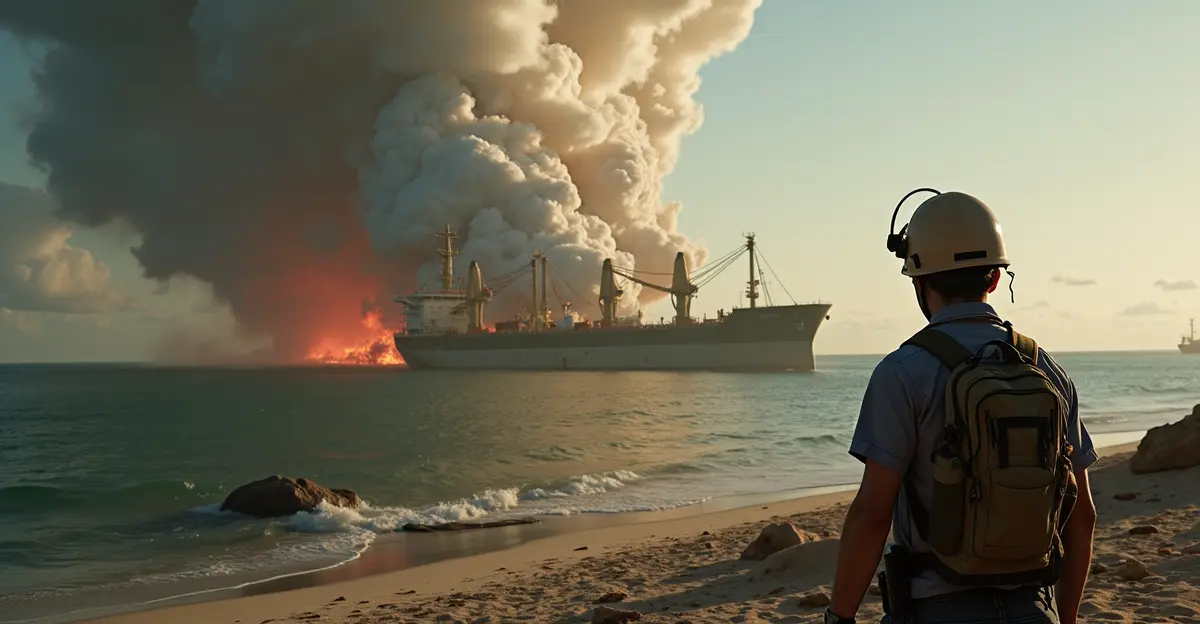
The crisis began in late February 2026 when the United States and Israel launched coordinated strikes on Iran, prompting Iranian retaliation that effectively shut down normal shipping through the Strait of Hormuz — a waterway carrying roughly 20% of the world's traded oil and significant LNG exports. By March 1, 2026, daily tanker transits plummeted from an average of 50–60 vessels to as few as 2 per day, according to UNCTAD reports. The World Bank and UNCTAD issued urgent reports in May 2026 documenting the supply crash and price shock, making this the defining global economic event of the year that intersects energy security, geopolitics, and the energy transition.
According to the World Bank blog post (May 2026), Brent crude prices surged by 65% ($46 per barrel) by the end of March, recording the highest monthly rise ever amid extreme volatility. Global oil supply crashed by 10.1 million barrels per day (mb/d) due to attacks on energy infrastructure and tanker restrictions. The U.S. Energy Information Administration (EIA) reported that an estimated 7.5 million b/d of crude oil production was shut in across Iraq, Saudi Arabia, Kuwait, UAE, Qatar, and Bahrain in March, rising to 9.1 million b/d in April. The Brent crude spot price averaged $103 per barrel in March and was expected to peak at $115 per barrel in Q2 2026.
Global Trade and Supply Chain Reconfiguration
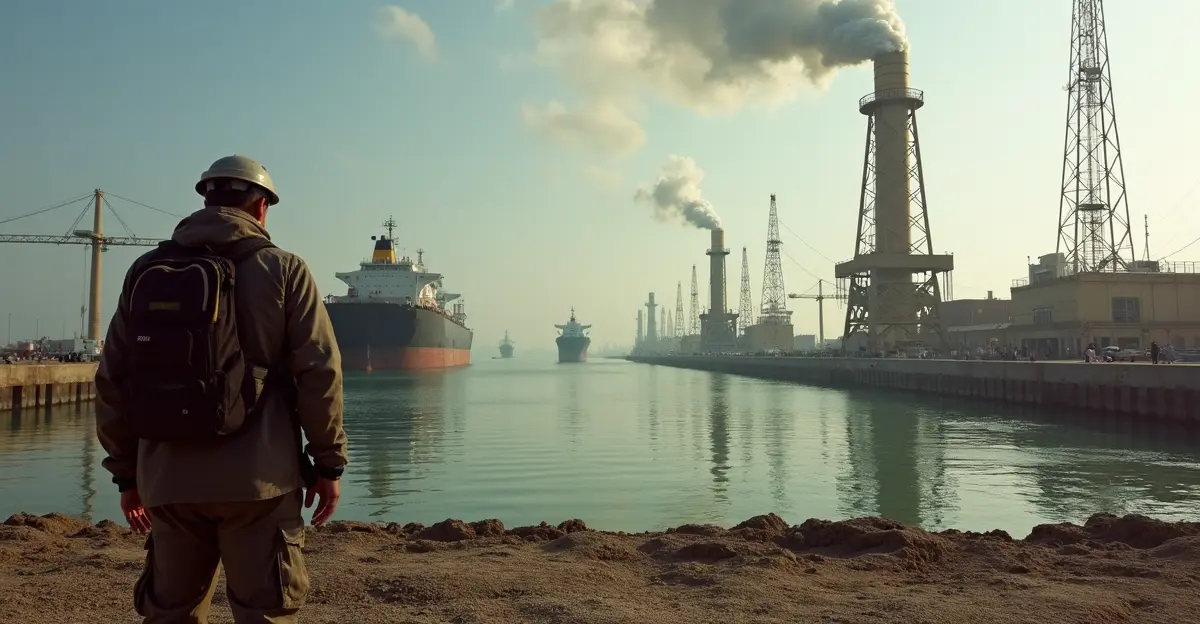
The disruption has sent shockwaves through global supply chains. The global energy supply chain is being fundamentally reconfigured as importers scramble for alternative sources. European nations, heavily reliant on Middle Eastern crude, have accelerated imports from the United States, West Africa, and the North Sea. The EIA noted that U.S. LNG export facilities are running at near-peak capacity around 18 billion cubic feet per day. However, shipping costs have skyrocketed, with tanker rates for alternative routes increasing by over 300% since February.
Developing economies are bearing the brunt of the crisis. According to a UN News report (19 May 2026), inflation is spiking across Asia, with Laos rising from 6.2% to over 10% and Pakistan from 7.3% to 10.9%. Currencies are weakening, and the International Labour Organization (ILO) warns that up to 38 million full-time jobs could be lost by 2027 if oil prices remain elevated. Remittance flows to labor-sending countries are declining, and vulnerable populations in Myanmar and elsewhere face soaring food and fuel prices. The impact on developing economies is particularly severe as they spend a larger share of income on energy and food.
Energy Security and Military Posture
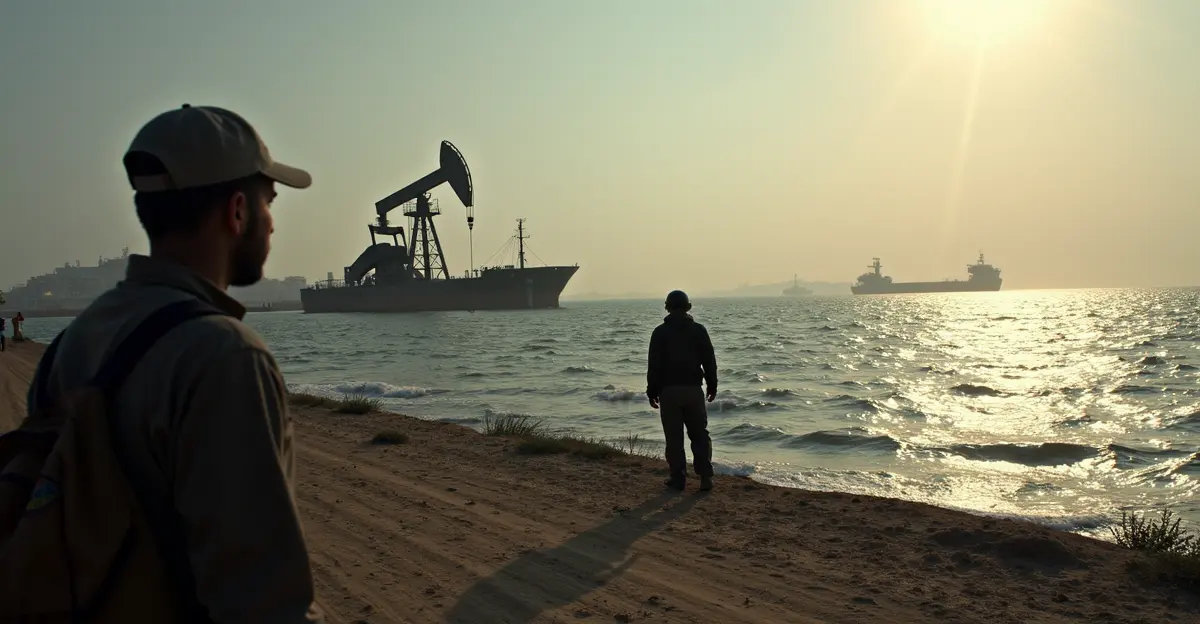
NATO allies and major powers are rethinking strategic energy reserves and military posture in the Persian Gulf. The United States has deployed additional naval assets to the region, while European nations are accelerating plans to increase strategic petroleum reserves. The crisis has exposed the vulnerability of relying on a single chokepoint for global energy supplies. The NATO energy security strategy is being revised to include more robust contingency plans for maritime chokepoint disruptions.
Wood Mackenzie, in its analysis, outlined three scenarios: Quick Peace (Strait reopens by June, Brent crude drops to ~$80/bbl by end-2026), Summer Settlement (reopening by September, shallow global recession), and Extended Disruption (closure through end-2026). In the worst case, Brent could approach $200/bbl, diesel and jet fuel could hit $300/bbl, and the global economy could contract by 0.4% in 2026. The analysis suggests accelerated electrification and reduced oil dependence as importing countries seek to strengthen energy security, potentially leading to structurally weaker oil prices long-term.
Accelerating the Energy Transition
The crisis is providing a powerful impetus for renewable energy investment. Governments worldwide are announcing new targets for solar, wind, and electric vehicle adoption. The European Union has proposed an emergency package to fast-track renewable projects, while China is ramping up domestic solar manufacturing. The renewable energy investment surge is expected to reach record levels in 2026 as countries seek to reduce dependence on fossil fuel imports. However, the transition faces short-term headwinds as high energy prices increase costs for raw materials like copper, which has hit historic highs.
Expert Perspectives
The Strait of Hormuz crisis is a stark reminder of the fragility of our global energy system. The 65% oil price surge is not just a market event; it is a geopolitical earthquake that will reshape trade patterns and energy policy for years to come. — Dr. Fatima Al-Sayed, Energy Security Analyst at the Oxford Institute for Energy Studies.
Developing countries are being hit hardest. They face a triple shock of higher fuel costs, food inflation, and currency depreciation. Without international support, we could see a wave of debt crises and social unrest. — Rebeca Grynspan, Secretary-General of UNCTAD, in a May 2026 statement.
FAQ
What caused the Strait of Hormuz disruption in 2026?
The disruption was triggered by US-Israeli military strikes on Iran in late February 2026, followed by Iranian retaliation that effectively closed the Strait of Hormuz to normal shipping traffic.
How much did oil prices increase?
Brent crude surged by 65% (about $46 per barrel) in March 2026, the largest monthly increase on record, reaching an average of $103 per barrel and peaking near $115 per barrel in Q2 2026.
Which countries are most affected by the crisis?
Developing economies in Asia, such as Laos, Pakistan, and Myanmar, are disproportionately affected due to higher energy and food import costs. European nations and other major oil importers are also severely impacted.
What are the long-term implications for energy policy?
The crisis is accelerating the global energy transition, with governments ramping up investments in renewables and electric vehicles to reduce dependence on fossil fuel imports and vulnerable chokepoints.
How long is the disruption expected to last?
Analysts have outlined three scenarios: quick resolution by June 2026, a summer settlement by September, or extended disruption through end-2026. The outcome depends on geopolitical developments.
Conclusion and Future Outlook
The Strait of Hormuz shock of 2026 is a watershed moment for global energy markets. The 65% oil surge has exposed the vulnerabilities of a system heavily reliant on a single maritime chokepoint. While short-term measures focus on stabilizing supply and prices, the long-term trajectory points toward accelerated energy diversification and the future of global energy security. The crisis underscores the urgent need for international cooperation to manage the transition to a more resilient and sustainable energy system.

Follow Discussion