


 Deutsch
 English
 Español
 Français
 Nederlands
 Português


 Share
Share




Latin America's Renewable Energy Revolution
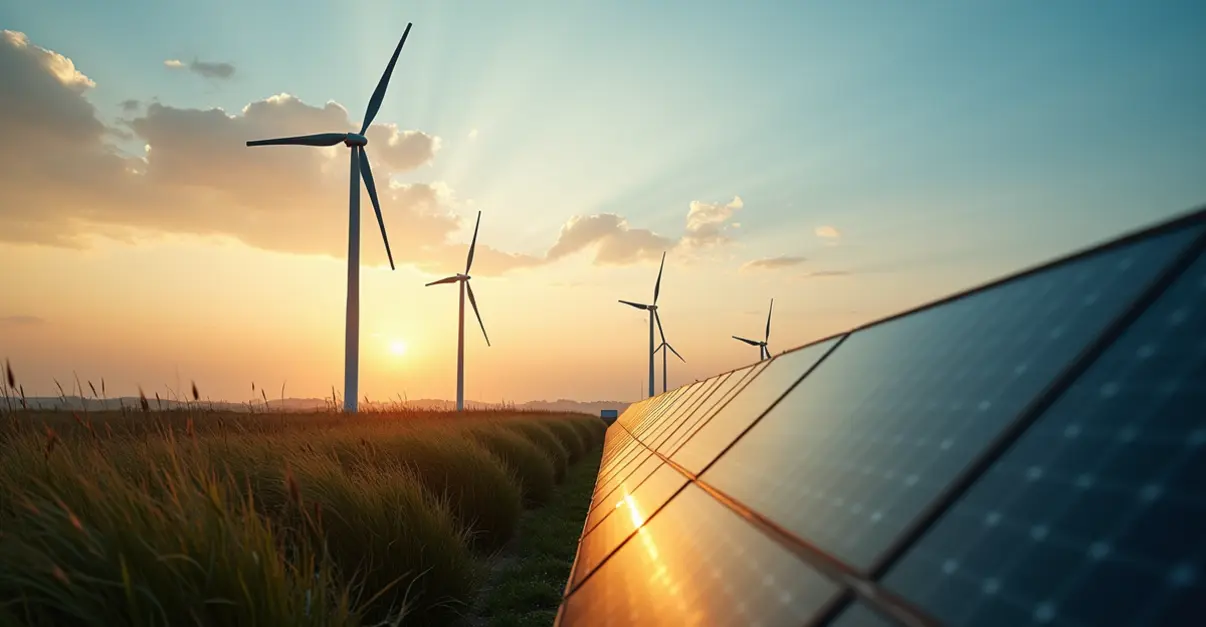
Latin American nations are accelerating regional partnerships to achieve energy independence through renewable resources. Countries including Brazil, Peru, Chile and Colombia are collaborating on cross-border green energy initiatives that leverage the region's abundant solar, wind and geothermal potential.
New Regional Strategies Emerge
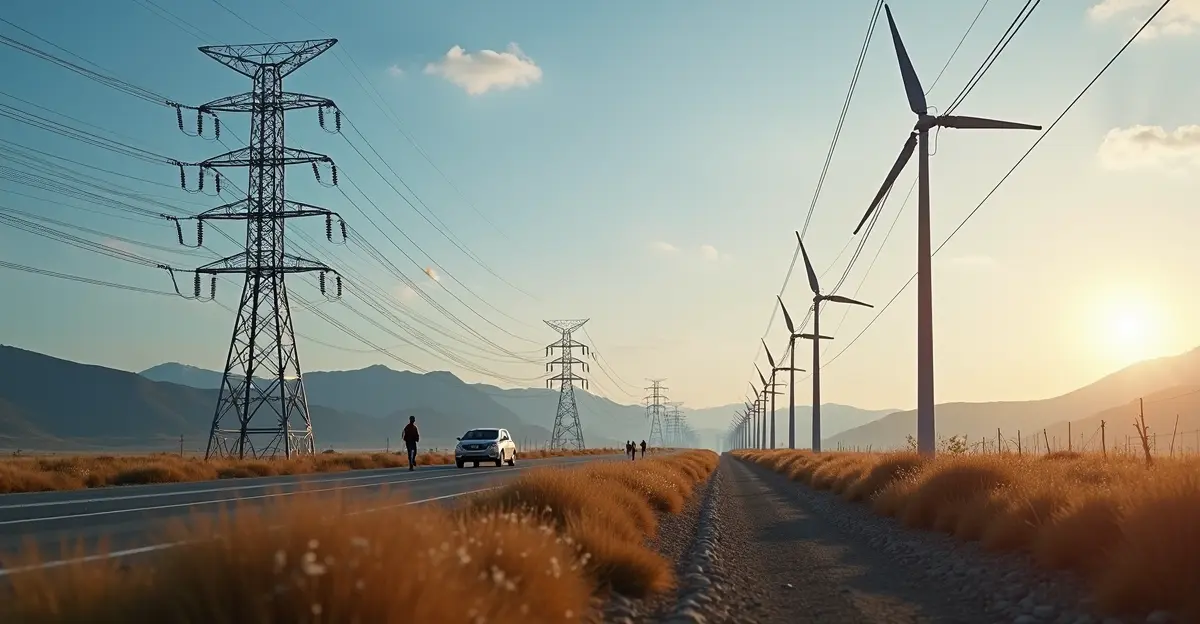
At the recent China-CELAC forum in Beijing, Latin American leaders secured $9B in renewable energy financing while asserting their commitment to regional energy sovereignty. "We're not just recipients of investment but architects of our energy future," stated Peruvian Energy Minister Camila Mercado. The region is developing integrated power grids like the Sistema de Interconexión Eléctrica Andina to share clean energy across borders.
Major Projects Underway
Key developments include:
- Peru's new $3B Chinese-funded Chancay megaport prioritizing renewable energy exports
- Brazil's wind capacity expansion to 30GW by 2030
- Chile converting abandoned copper mines to geothermal plants
- Colombia's recent entry into China's Belt and Road Initiative for solar infrastructure
According to International Energy Agency data, renewables will supply 60% of Latin America's new energy through 2030, reducing reliance on volatile fossil fuel markets.
Balancing Foreign Investment
While Chinese firms like PowerChina operate in 11 Latin American countries, nations are implementing local content rules. Brazil now requires 70% domestic manufacturing for wind turbine components. "We welcome investment but maintain operational control," emphasized Brazilian Energy Secretary Carlos Almeida.
The green transition creates economic opportunity beyond energy. Chile's lithium triangle (Argentina-Bolivia-Chile) is developing battery manufacturing, moving up the value chain from raw material exports.




Follow Discussion