


 Deutsch
 English
 Español
 Français
 Nederlands
 Português


 Share
Share




Historic Agreement Paves Way for Renewable Energy Exchange
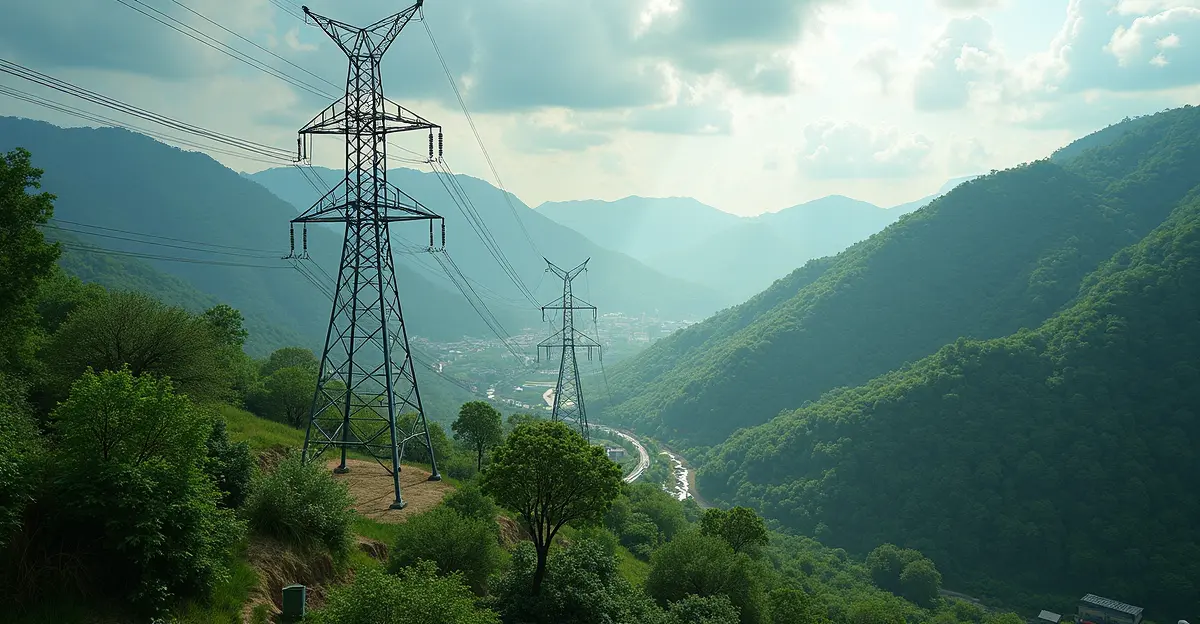
In a landmark decision that could reshape global energy markets, multiple countries have approved the construction of a major cross-border electric grid interconnector designed to facilitate renewable energy sharing and load balancing across national boundaries. The project represents one of the most ambitious energy infrastructure initiatives of 2025, coming at a critical time when nations worldwide are accelerating their transition to clean energy sources.
Technical Innovation and Infrastructure
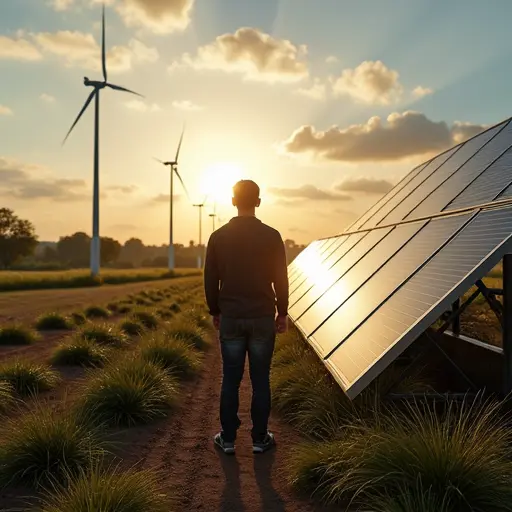
The interconnector will utilize high-voltage direct current (HVDC) technology, which enables efficient transmission of electricity over long distances with minimal energy loss. According to energy experts, this technology is particularly well-suited for connecting regions with different renewable energy profiles, allowing solar-rich areas to export excess power to wind-rich regions and vice versa.
'This interconnector represents a quantum leap in how we think about energy security and renewable integration,' said Dr. Elena Rodriguez, an energy policy expert at the International Renewable Energy Agency. 'By enabling countries to share their renewable generation capacity, we're essentially creating a continental-scale battery that doesn't require massive storage infrastructure.'
Economic and Environmental Benefits
The economic implications are substantial. A recent study by EPIcenter found that cross-border interconnections can reduce or replace the need for expensive battery storage by hundreds of times in renewable-dominated systems. The cost savings could reach billions of dollars annually while simultaneously reducing carbon emissions by optimizing the use of clean energy resources.
'What we're seeing is the emergence of truly integrated energy markets,' noted energy economist Michael Chen. 'Countries can now leverage their comparative advantages in renewable generation rather than being constrained by their own geographical limitations.'
Global Context and Similar Initiatives
This approval comes amid a global surge in cross-border energy projects. The Green Corridor Union connecting Central Asia to Europe and the ASEAN Power Grid development represent similar efforts to create regional energy networks. According to the World Resources Institute, only 2.8% of global electricity was traded across borders in 2018, indicating significant untapped potential for interconnection.
Regulatory Framework and Implementation
The project's approval follows recent regulatory changes, including the U.S. Department of Energy's elimination of presidential permit requirements for cross-border transmission facilities. These regulatory simplifications are expected to accelerate similar projects worldwide by reducing bureaucratic hurdles and streamlining approval processes.
'The regulatory environment is finally catching up with technological capabilities,' observed infrastructure lawyer Sarah Johnson. 'We're seeing a global shift toward recognizing that energy security in the 21st century requires thinking beyond national borders.'
Future Outlook and Challenges
While the project promises significant benefits, challenges remain in implementation. Technical coordination between different grid operators, harmonization of regulatory frameworks, and securing adequate financing represent key hurdles that must be overcome. However, the potential rewards - including enhanced energy security, reduced electricity costs, and accelerated climate action - make these challenges worth addressing.
The interconnector is expected to begin construction in early 2026, with full operational capacity projected for 2028. As countries continue to expand their renewable energy capacity, such cross-border connections will become increasingly vital for ensuring reliable, affordable, and sustainable electricity for all.



Follow Discussion