


 Deutsch
 English
 Español
 Français
 Nederlands
 Português


 Share
Share




What is Extreme Avalanche Danger?
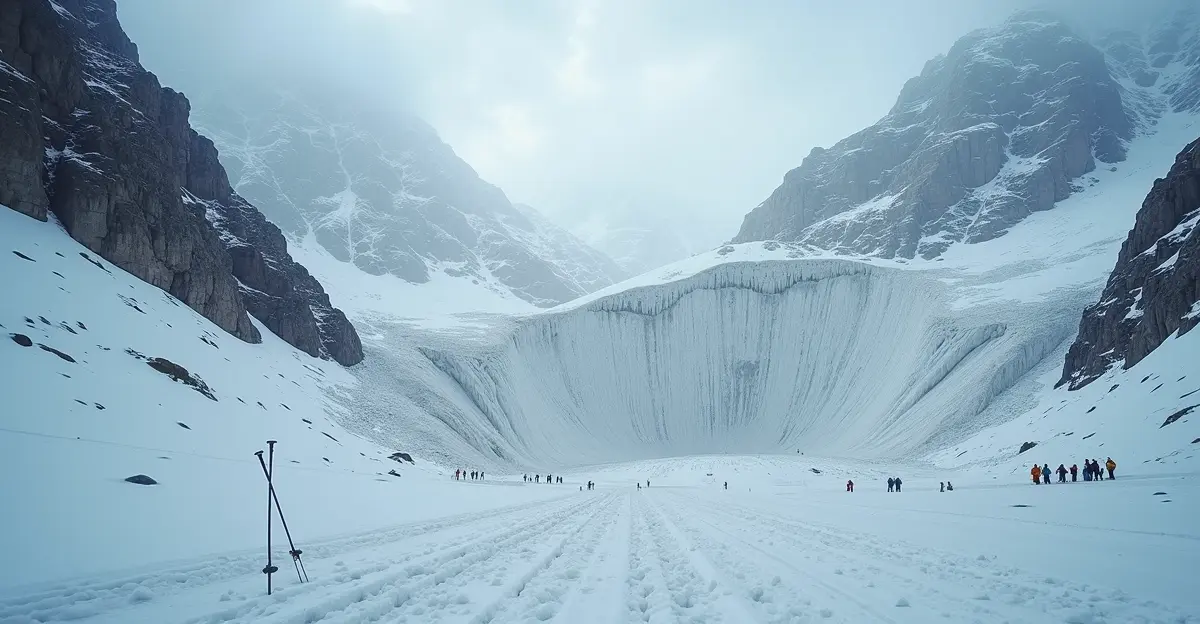
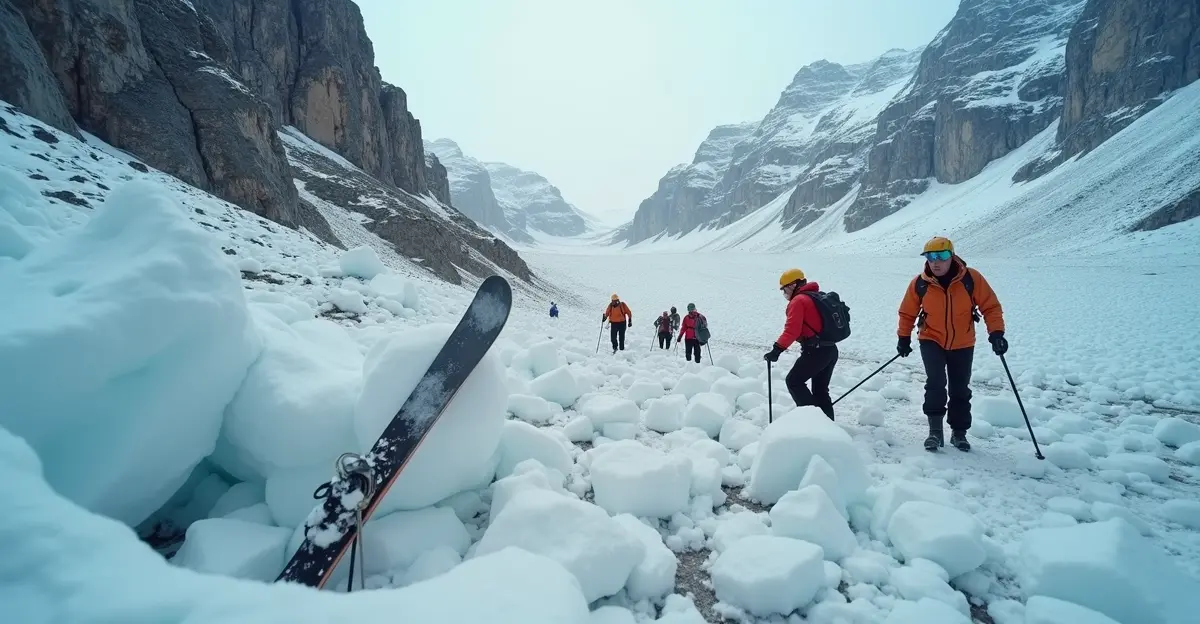
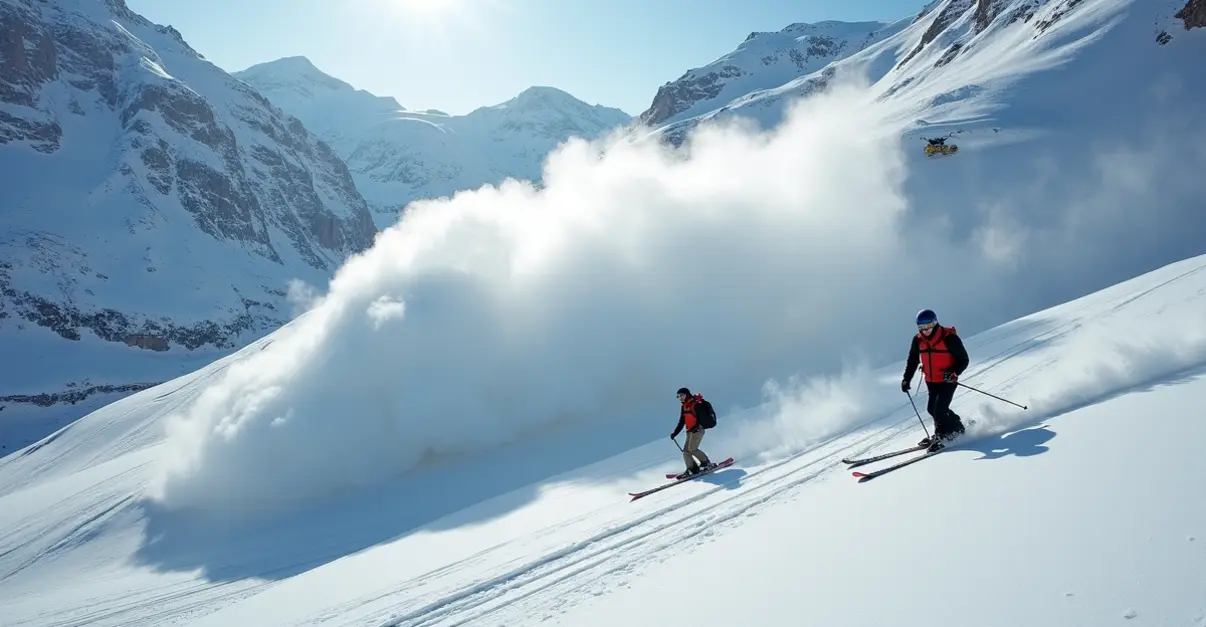
As winter sports enthusiasts prepare for the 2026 spring break season, the French Alps are facing an unprecedented avalanche crisis with danger levels reaching the maximum Level 5/5 in several key regions. The European avalanche safety protocols have been activated as major ski resorts including La Plagne and Les Arcs have completely shut down their entire ski areas due to what authorities describe as 'exceptionally dangerous avalanche conditions.' This extreme situation comes just as thousands of Dutch and international tourists are scheduled to begin their winter holidays, creating significant disruption and raising critical safety concerns across the Alpine region.
Current Crisis in the French Alps
The Savoie region of France is currently under the highest avalanche alert level, with dangerous conditions created by heavy snowfall over weak underlying snow layers. According to ski information sites and meteorological services, the combination of fresh snow accumulation and strong winds has created perfect conditions for large-scale avalanches. 'The risks are extremely high,' warned Sunweb, a major travel organization that has contacted approximately 450 clients in the affected La Plagne area, mandating that guests remain in their accommodations for safety reasons.
Affected Areas and Danger Zones
The extreme avalanche danger is concentrated in several specific regions of the French Alps:
- La Plagne: Maximum Level 5/5 danger rating with full resort closure
- Savoie Region: Orange avalanche alert across Northern Alps
- Villaroger, Tignes, and Val d'Isère: Official warnings issued by French authorities
- Beaufortain, Vanoise, and Haute-Maurienne: High danger expected due to heavy snowfall
The danger primarily affects areas above 1,800 meters, with some warnings extending down to 1,200-1,400 meters. This widespread threat has led to road closures, ski area shutdowns, and significant travel disruptions throughout the region.
Avalanche Danger Scale Explained
Understanding the avalanche danger scale is crucial for winter sports safety. The international system uses five levels:
| Level | Rating | Description | Travel Advice |
|---|---|---|---|
| 1 | Low | Generally stable snow | Normal caution |
| 2 | Moderate | Unstable on specific terrain | Careful route selection |
| 3 | Considerable | Unstable on many slopes | Conservative decisions |
| 4 | High | Very unstable on most slopes | Stay on gentle terrain |
| 5 | Extreme | Exceptionally unstable | Avoid all avalanche terrain |
The current Level 5 rating in parts of the French Alps represents the highest possible danger, where natural and human-triggered avalanches are certain, and large destructive avalanches can occur in various terrain aspects and elevations.
Safety Recommendations for Winter Sports Enthusiasts
Essential Avalanche Safety Equipment
For anyone venturing into mountain terrain during this dangerous period, proper equipment is non-negotiable. The essential avalanche safety trio includes:
- Avalanche Transceiver (Beacon): Modern three-antenna digital models with visual/audio displays
- Avalanche Probe: Minimum 240cm length (320cm for deeper snowpacks)
- Avalanche Shovel: Sturdy metal construction with extendable shaft
These tools are critical for companion rescue scenarios where rapid excavation and victim location can mean the difference between life and death. However, equipment alone isn't enough - proper training and regular practice are essential for effective use during emergencies.
Travel and Safety Guidelines
Sunweb and local authorities have issued specific recommendations for travelers:
- Follow all local safety regulations and restrictions without exception
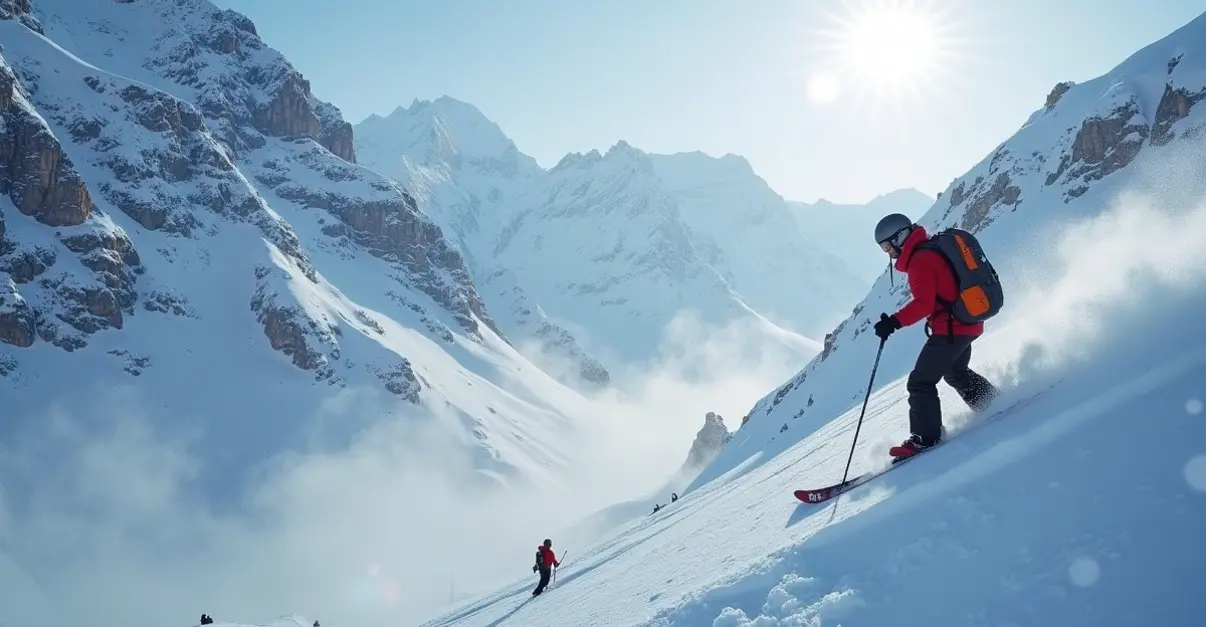
- Stay within marked ski areas and avoid off-piste terrain completely
- Prepare for significant travel delays and road closures
- Carry extra supplies in vehicles for potential extended waiting periods
- Monitor official avalanche bulletins from Météo-France and local authorities
- Consider postponing or canceling trips to affected areas
Impact on Tourism and Future Outlook
The timing of this avalanche crisis couldn't be worse for the tourism industry, coinciding with the beginning of spring break holidays across Europe. Sunweb currently has nearly 2,500 clients in France, with many facing uncertainty about refunds for unused ski passes and equipment rentals. The Alpine tourism economy faces significant disruption as resorts implement unprecedented safety measures.
Weather forecasts indicate continued snowfall through Saturday, with Weeronline predicting additional precipitation and strong winds across Alpine countries. Even after the weekend, meteorologists expect 'regular' heavy snowfall to continue, suggesting the avalanche danger may persist through much of the holiday season. This situation serves as a stark reminder of the climate change impacts on winter sports and the increasing frequency of extreme weather events in mountain regions.
Frequently Asked Questions (FAQ)
What does Level 5 avalanche danger mean?
Level 5 (Extreme) is the highest avalanche danger rating, indicating exceptionally unstable snowpack where natural and human-triggered avalanches are certain. Large, destructive avalanches can occur in various terrain aspects and elevations, making all avalanche terrain extremely dangerous.
Which French ski resorts are currently closed?
La Plagne and Les Arcs have implemented full closures of their entire ski areas. Other resorts including Val Thorens have closed significant portions, while Val d'Isère and Morzine report major delays due to avalanche control operations.
What should I do if I have a ski holiday booked?
Contact your travel provider immediately for updated information. Follow all local safety instructions, prepare for potential cancellations or modifications, and consider travel insurance options for weather-related disruptions.
How long will the extreme avalanche danger last?
Current forecasts suggest dangerous conditions may persist through the weekend and potentially longer, with continued snowfall expected. Monitor official bulletins from Météo-France for specific regional updates.
Is it safe to ski off-piste during this period?
Absolutely not. Authorities strongly advise against any off-piste skiing or snowboarding during Level 5 avalanche danger. Even terrain just meters from marked runs can be deadly under current conditions.

Follow Discussion