


 English
 Nederlands
 Deutsch
 Français
 Español
 Português

Daily News Summary – 2026-05-13 – en

In a day marked by pivotal geopolitical shifts, economic recalibrations, and regulatory milestones, the world witnessed significant developments across multiple fronts. The Middle East conflict deepened as Saudi Arabia and the UAE conducted covert strikes on Iran, while intelligence revealed Iran retained most of its missile capabilities. The Baltimore bridge collapse led to criminal charges, and the Trump Tower Gold Coast project collapsed amid brand toxicity. On the trade front, the FORGE initiative was launched to counter China’s critical mineral dominance, while the LNG glut paradoxically clashes with AI’s insatiable power demand. The EU AI Act compliance deadline approaches, and NATO’s 5% defense pledge raises fiscal sustainability concerns. Additionally, the IEA reports a shift in energy R&D from climate to security, and the WEF warns of geoeconomic confrontation as the top global risk.
Top Stories
Saudi Arabia Conducted Covert Airstrikes on Iranian Soil

Saudi Arabia secretly launched multiple airstrikes on Iranian territory in late March 2026, marking the first known direct Saudi military action against Iran, according to a Reuters report. The covert strikes were retaliatory for earlier Iranian drone and missile attacks on the kingdom.
Justice Department Files Criminal Charges in Deadly 2024 Bridge Collapse

Federal prosecutors unsealed criminal charges against the Singapore-based operator of the container ship Dali and a senior employee, accusing them of fraud, obstruction, and negligence that led to the catastrophic collapse of the Francis Scott Key Bridge in Baltimore on March 26, 2024, killing six construction workers.
Iran Retains Most Missile Bases Along Strait of Hormuz
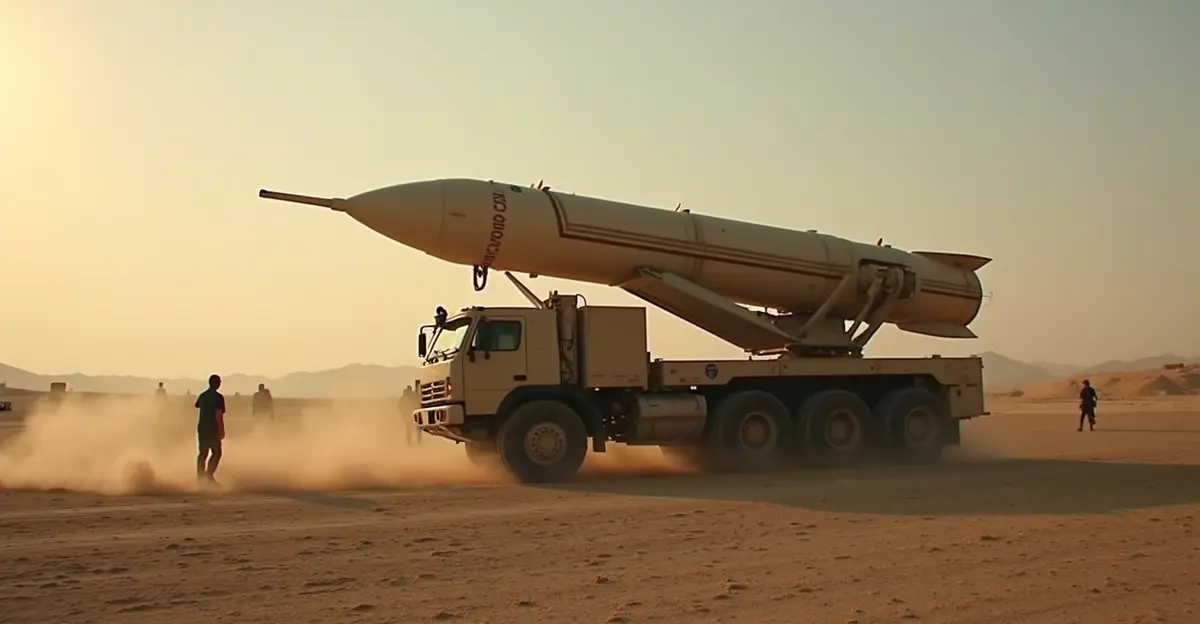
Iran has retained access to 30 out of 33 missile bases along the strategically vital Strait of Hormuz, according to a New York Times report citing classified U.S. military intelligence. The revelation contradicts public claims by President Trump that Iran’s military has been ‘crushed.’
Trump Tower Gold Coast Project Collapses After Three Months

Plans for a A$1.5 billion Trump Tower on Australia’s Gold Coast have been scrapped just three months after the deal was announced, with the developer blaming the growing unpopularity of the Trump brand amid the Iran war.
Also Notable
Trade War
How 2026 Tariff Volatility Is Reshaping Global Supply Chains

Unprecedented U.S. tariff volatility in 2026 has become the single most disruptive regulatory force in global trade, with 72% of trade professionals citing it as their primary challenge and supply chain concerns nearly doubling year-over-year.
China’s 2025 Export Controls Crystallize Across Global Supply Chains

In 2026, the full force of China’s 2025 export controls on rare earths and critical minerals is crystallizing across global supply chains, triggering price spikes of up to sixfold outside China and slashing licensing approval rates for European firms below 25%.
Geoeconomic Confrontation Tops Global Risks as Trade Fragmentation Deepens

The World Economic Forum’s Global Risks Report 2026 has elevated geoeconomic confrontation to the top global risk for the two-year outlook, rising eight positions from the previous year, reflecting a world where the multilateral trading system is fracturing into competing regional blocs.
Geopolitics
U.S. Launches FORGE to Counter China’s Critical Mineral Dominance
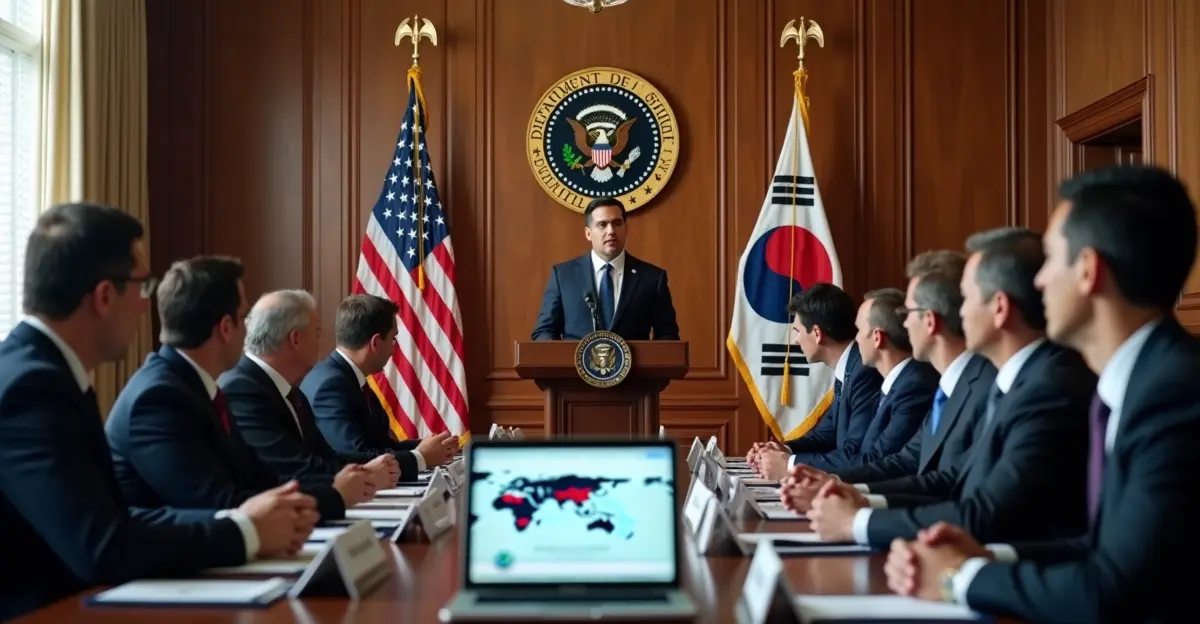
In February 2026, the United States launched the Forum on Resource Geostrategic Engagement (FORGE) at the inaugural Critical Minerals Ministerial, backed by over $30 billion in financing, representing the most coordinated Western effort to counter China’s dominance of rare earth supply chains.
Can the West Break China’s Stranglehold on Rare Earths?

The February 2026 Critical Minerals Ministerial marked a pivotal moment in the global struggle over rare earth elements, with 54 nations and the European Commission attending, but rebuilding independent processing capacity outside China could take 20 to 30 years.
FORGE Alliance: A New Era for Critical Mineral Supply Chains

In a landmark move to counter China’s stranglehold on rare earths and critical minerals, the United States launched FORGE on February 4, 2026, backed by over $30 billion in financing and 11 new bilateral framework agreements, bringing together 54 nations.
AI
AI’s Insatiable Energy Appetite Drives Historic Nuclear Pivot

In 2026, the convergence of artificial intelligence and nuclear energy has become the defining energy-technology story, with tech giants making unprecedented investments in small modular reactors (SMRs) to power the AI boom.
EU AI Act High-Risk Compliance Deadline Looms

With just weeks remaining until August 2, 2026, the European Union’s AI Act is set to enforce its most consequential obligations on high-risk AI systems, marking the world’s first comprehensive AI regulatory framework taking full effect.
Energy
LNG Glut and AI Power Hunger: The 2026 Energy Paradox

The global energy landscape in 2026 is defined by a striking paradox: a structural oversupply of liquefied natural gas is set to slash European gas prices by nearly half by 2030, even as surging electricity demand from AI data centers pushes global grids to their limits.
Energy R&D Shifts From Climate to Geopolitical Competition

The International Energy Agency’s State of Energy Innovation 2026 report reveals a fundamental strategic realignment: energy research and development is now driven primarily by competitiveness and national security, not emissions reduction.
Economy
NATO’s 5% Defense Pledge Triggers Fiscal Realignment

NATO’s landmark commitment to raise defense spending to 5% of GDP by 2035 is triggering a structural fiscal realignment with no modern precedent, according to IMF and ECB analyses, warning of sharp macroeconomic trade-offs.
Defense Spending Surges as Nations Confront Debt Dilemma

Global defense spending is on track to surpass $2.6 trillion in 2026 as NATO pushes toward a 3.5% of GDP target, yet this unprecedented rearmament coincides with record sovereign debt levels, sticky inflation, and rising interest costs.
 Share this article



