


 Deutsch
 English
 Español
 Français
 Nederlands
 Português


 Share
Share




Saudi Arabia Conducted Covert Airstrikes on Iranian Soil, Sources Say
Saudi Arabia secretly launched multiple airstrikes on Iranian territory in late March 2026, marking the first known direct Saudi military action against Iran, according to a Reuters report citing two Western and two Iranian officials. The covert strikes, carried out by the Saudi Air Force, were retaliatory measures for earlier Iranian drone and missile attacks on the kingdom during the broader Middle East war that began on February 28, 2026.
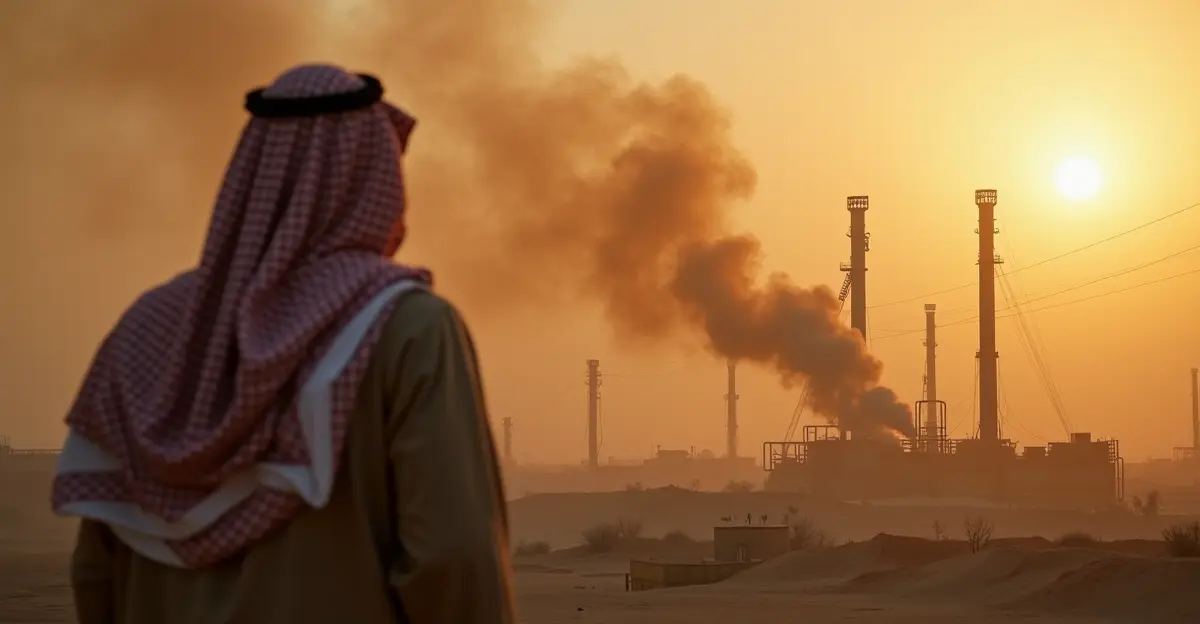
The previously undisclosed attacks represent a historic shift in Riyadh's defense posture. For decades, Saudi Arabia relied on US military protection, but the escalating conflict — which saw Iran strike all six Gulf Cooperation Council (GCC) states and effectively close the Strait of Hormuz — compelled the kingdom to take direct action. The Middle East war 2026 escalation has fundamentally altered regional security dynamics.
Background: The Widening Regional Conflict
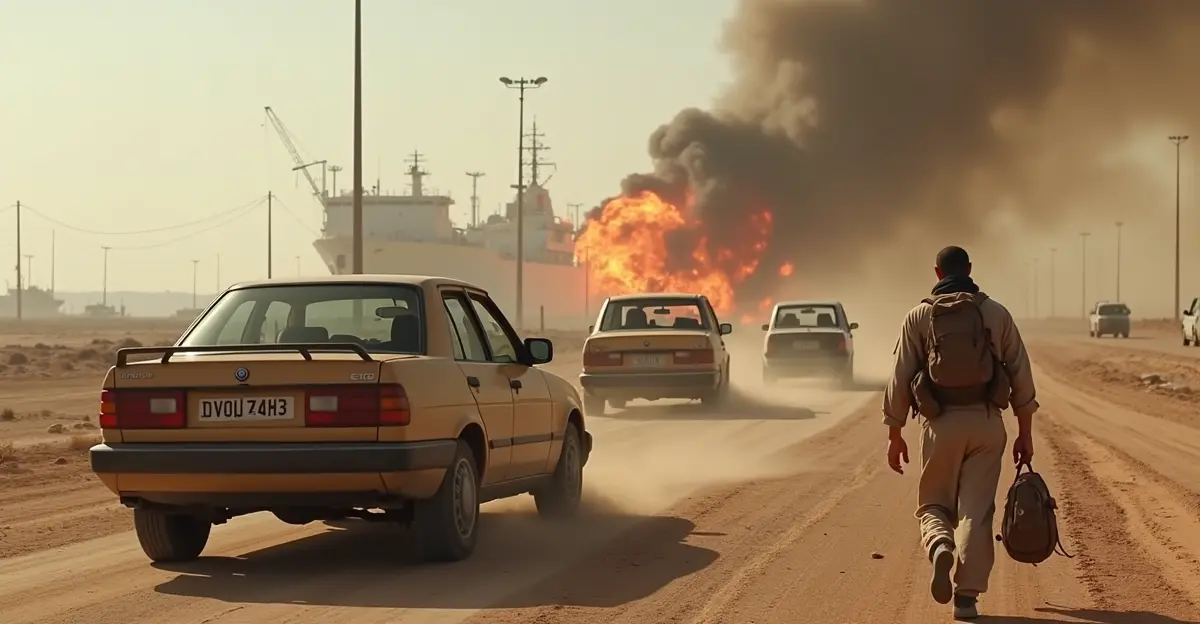
The broader war began on February 28, 2026, when the United States and Israel launched coordinated airstrikes targeting Iranian military installations, nuclear facilities, and command centers. Iran retaliated swiftly, launching hundreds of missiles and drones against Israel, US bases in the region, and all six GCC nations — Saudi Arabia, the UAE, Qatar, Kuwait, Bahrain, and Oman. Civilian infrastructure and oil facilities were hit, and Iran closed the Strait of Hormuz, triggering a global energy crisis.
Saudi Arabia faced particularly intense attacks. Between March 25 and March 31, Iran launched over 105 drone and missile strikes against the kingdom, targeting not only US military bases but also critical oil infrastructure and airports. The sustained assault pushed Riyadh to respond militarily for the first time on Iranian soil.
The Covert Strikes: Operation Details
According to Western officials, the Saudi airstrikes occurred in late March, with one source describing them as "tit-for-tat" retaliatory operations. The exact targets remain undisclosed, but Saudi Arabia reportedly informed Tehran of what had been struck and warned of further escalation if Iranian attacks continued. The operation, referred to by some sources as "Operation Epic Fury," was conducted by Saudi fighter jets.
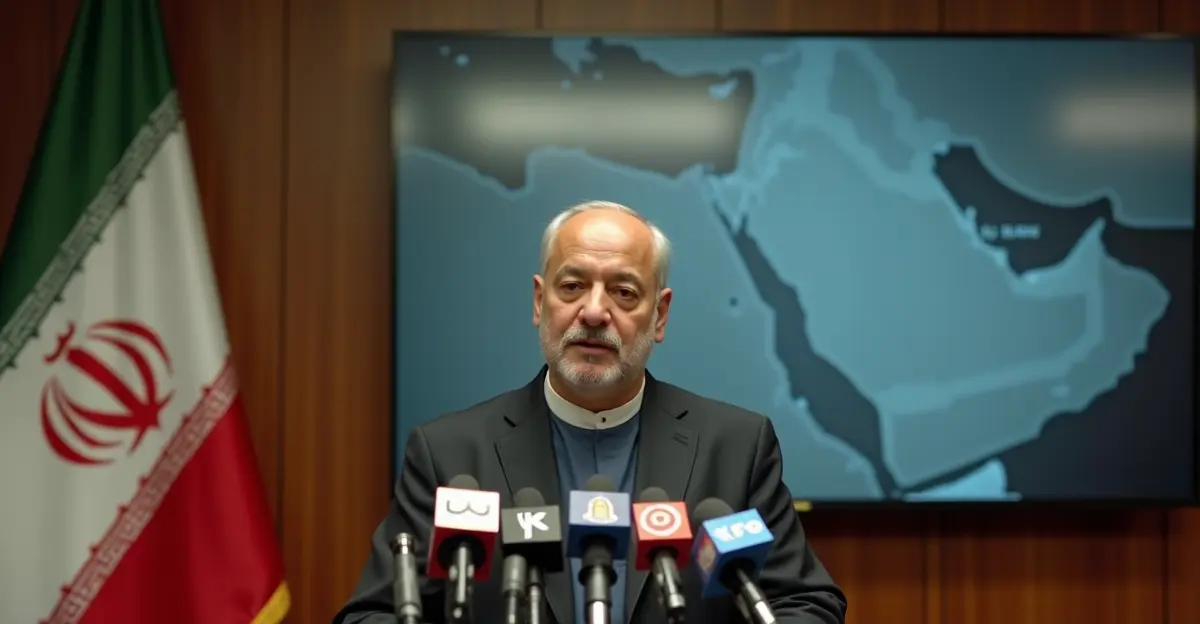
Following the strikes, intensive backchannel diplomatic engagement took place between Riyadh and Tehran. Saudi Arabia combined military action with threats of further retaliation, leading to an informal de-escalation understanding between the two nations. This understanding took effect before the broader US-Iran ceasefire on April 7, 2026, brokered with help from Pakistan and China.
Iranian attacks on Saudi Arabia dropped sharply after the understanding — from over 105 strikes in the last week of March to just over 25 in the first week of April — indicating the effectiveness of the backchannel deal.
UAE Also Carried Out Secret Strikes on Iran
Saudi Arabia was not the only Gulf state to take covert action. The Wall Street Journal reported on May 12, 2026, that the United Arab Emirates secretly conducted multiple strikes on Iran, including an attack on the Lavan Island oil refinery in the Persian Gulf. UAE Mirage 2000 fighter aircraft reportedly disabled a substantial portion of the refinery's processing capacity for several months. Iran retaliated with missiles and drones against the UAE and Kuwait.
The UAE secret attacks on Iran mirror Saudi Arabia's shift toward a more aggressive military posture, as Gulf states move beyond traditional reliance on US defense guarantees.
Impact and Implications
The covert Saudi and UAE strikes reveal a hidden dimension of the 2026 Middle East conflict. They demonstrate that Gulf states are willing to take independent military action against Iran when their national security and economic interests — particularly energy infrastructure — are directly threatened. The strikes also highlight the pragmatic nature of Riyadh-Tehran relations: despite decades of rivalry, both sides engaged in diplomatic channels to prevent uncontrolled escalation.
The de-escalation understanding between Saudi Arabia and Iran, along with the broader US-Iran ceasefire, has reduced hostilities but tensions remain fragile. The Gulf states role in Iran war continues to evolve as regional powers assert greater military independence.
Expert Analysis
"This is a watershed moment for Saudi defense policy," said a Western security analyst familiar with the operations. "For the first time, Riyadh has demonstrated both the will and capability to strike Iran directly, signaling a new era in Gulf security."
"The backchannel diplomacy shows that both Saudi Arabia and Iran recognize the catastrophic costs of all-out war," added a regional political analyst. "They are fighting but also talking — a complex dance of escalation and de-escalation."
FAQ: Saudi Arabia's Secret Airstrikes on Iran
Did Saudi Arabia really attack Iran?
According to Reuters, citing Western and Iranian officials, Saudi Arabia launched covert airstrikes on Iranian territory in late March 2026. Riyadh has not officially confirmed the operation.
Why did Saudi Arabia attack Iran?
The strikes were retaliatory for Iranian drone and missile attacks on Saudi Arabia during the broader Middle East war. Saudi Arabia faced over 105 attacks in one week alone.
What was the outcome of the strikes?
Following the strikes and intensive diplomatic engagement, Saudi Arabia and Iran reached an informal de-escalation understanding. Iranian attacks on Saudi Arabia dropped by over 75% in the following weeks.
Did the UAE also attack Iran?
Yes. The Wall Street Journal reported that the UAE secretly carried out multiple strikes on Iran, including a major attack on the Lavan Island oil refinery.
How does this affect the broader Middle East conflict?
The strikes mark a significant escalation, drawing Gulf states directly into the conflict. However, the subsequent de-escalation understanding helped pave the way for the broader US-Iran ceasefire on April 7.

Follow Discussion