


 Deutsch
 English
 Español
 Français
 Nederlands
 Português


 Share
Share




What is Iran's Diplomatic Shift?
Iranian President Masoud Pezeshkian has issued a formal apology to neighboring Gulf states for recent missile and drone attacks, marking a significant diplomatic development in Middle East relations. The Iran-Israel proxy conflict has escalated dramatically following the death of Supreme Leader Ayatollah Ali Khamenei on February 28, 2026, in US-Israeli strikes. In a televised address, Pezeshkian stated, 'I offer my personal apologies to the neighboring countries affected by Iran's actions,' signaling a potential shift toward diplomatic resolution rather than military escalation.
Background: The Gulf Attacks and Leadership Vacuum
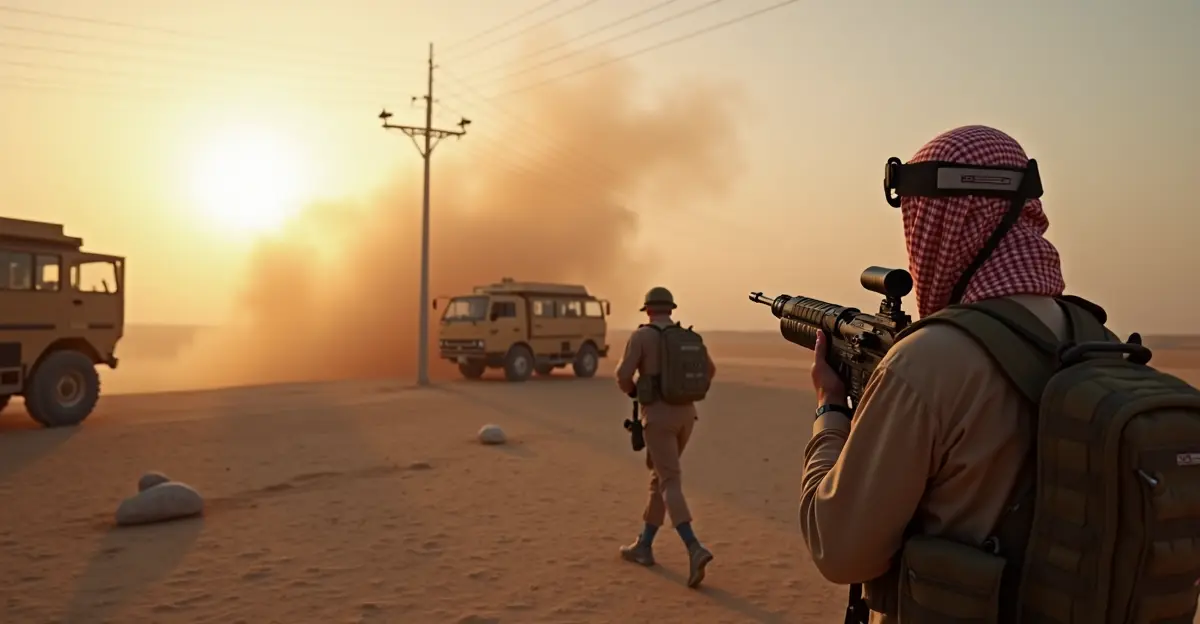
Over the past week, Iran launched dozens of missiles and hundreds of drones targeting Gulf Cooperation Council (GCC) countries including Qatar, Kuwait, Saudi Arabia, and the United Arab Emirates. These attacks occurred despite these nations maintaining neutrality in the conflict between Iran and the US-Israel alliance. The timing coincides with a power vacuum in Tehran following Khamenei's death, which has activated Iran's constitutional transition mechanism.
The interim leadership council, established on March 1, 2026, consists of three members: President Masoud Pezeshkian (reformist), Chief Justice Gholam-Hossein Mohseni-Eje'i (hardline), and Ayatollah Alireza Arafi from the Guardian Council. This temporary arrangement governs until the Assembly of Experts selects a new supreme leader, but real power appears to rest with the Islamic Revolutionary Guard Corps (IRGC), which controls military and intelligence assets.
Pezeshkian's Apology and Diplomatic Initiative
The Official Statement
President Pezeshkian announced that Iran's interim leadership council has agreed to suspend attacks on neighboring countries unless Iran itself is attacked. 'We should resolve this situation through diplomacy rather than fighting with neighboring countries,' he stated, adding that Gulf states are 'our brothers.' The apology represents a notable departure from Iran's previous stance and suggests internal debates about military strategy.
Command Confusion and Continued Attacks
Despite the apology, explosions were reported in Doha, Qatar's capital, shortly after Pezeshkian's statements. This contradiction highlights command confusion within Iran's military structure, particularly concerning the IRGC which traditionally answered directly to the supreme leader. With Khamenei's death, the powerful IRGC appears to be exercising greater operational autonomy, complicating the chain of command during wartime.
Analysts suggest the IRGC may be selecting its own targets as regional tensions escalate, creating a fragmented military decision-making process. The Middle East security dynamics have become increasingly complex with multiple actors operating independently.
Regional Impact and Gulf States' Response
Economic and Security Vulnerabilities
The attacks have exposed profound vulnerabilities in Gulf states' security strategies. Despite official reassurances and attempts to maintain normalcy, the conflict threatens the Gulf's economic foundations built on tourism, real estate, and foreign investment. The region's dependence on desalinated water and imported food makes it particularly vulnerable to sustained attacks on infrastructure.
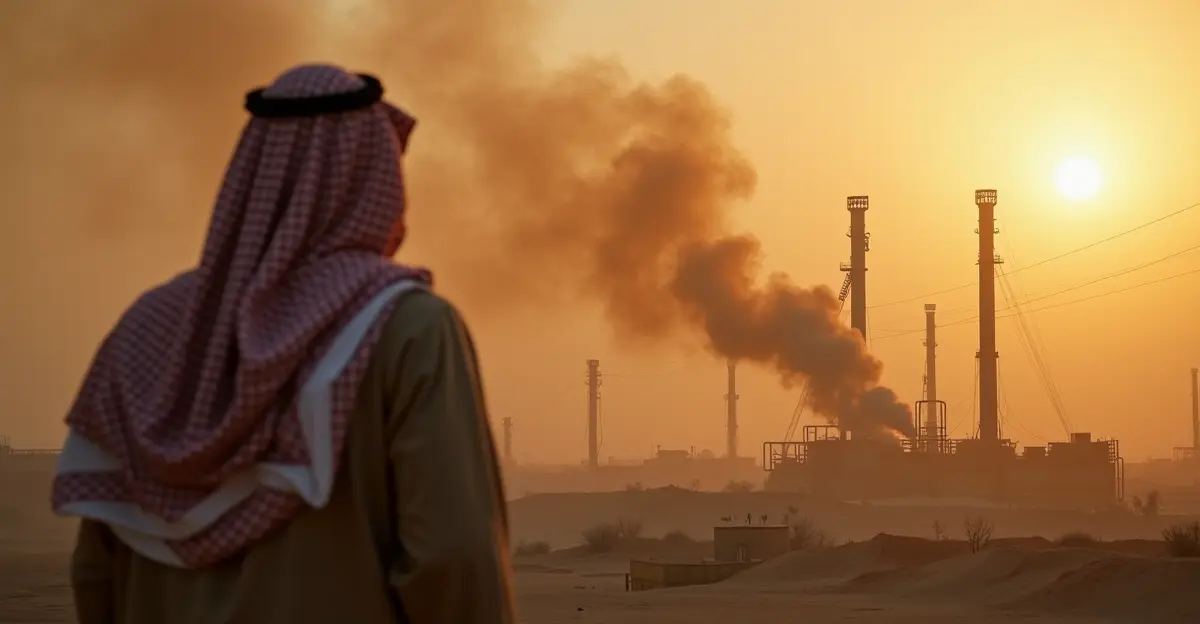
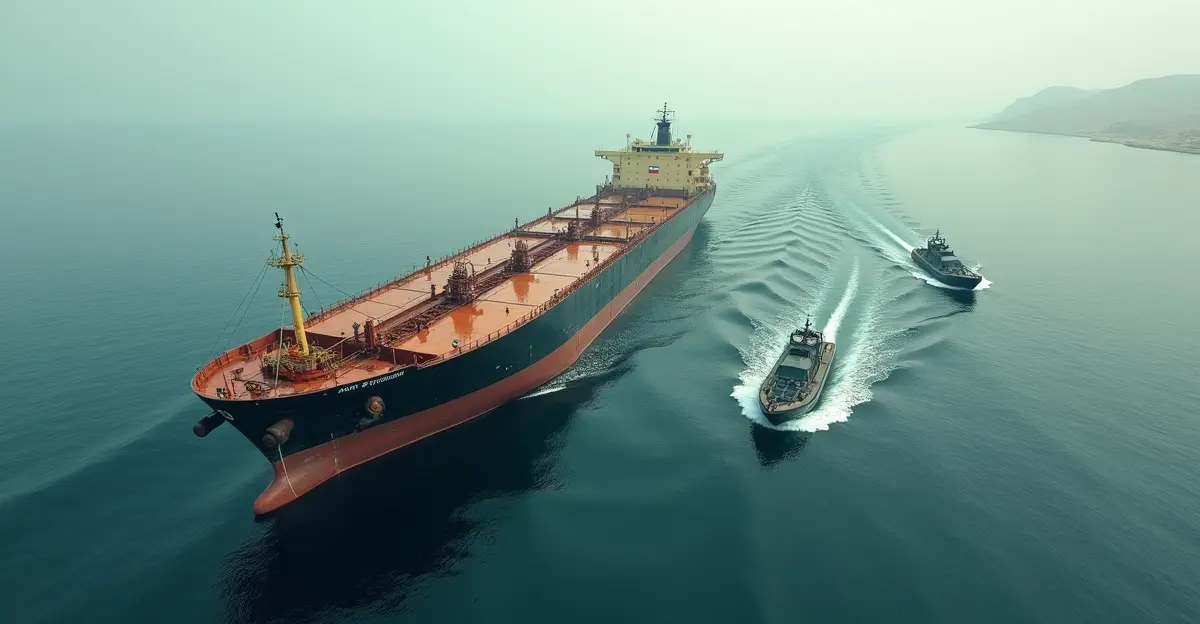
Iran appears to be targeting both military bases and economic symbols to pressure Gulf leaders, while threats to close the Strait of Hormuz could disrupt 20% of global oil supplies. Experts warn that prolonged conflict could trigger mass exodus of foreign workers and destabilize the global economy.
US-Israel Alliance and Trump's Position
Pezeshkian also addressed statements from US President Donald Trump, who declared via Truth Social that he seeks 'total surrender' of the Iranian regime and rejects diplomatic solutions. 'The idea that we would unconditionally surrender—they should take such dreams to their grave,' Pezeshkian responded, indicating Iran's refusal to capitulate despite the diplomatic overture.
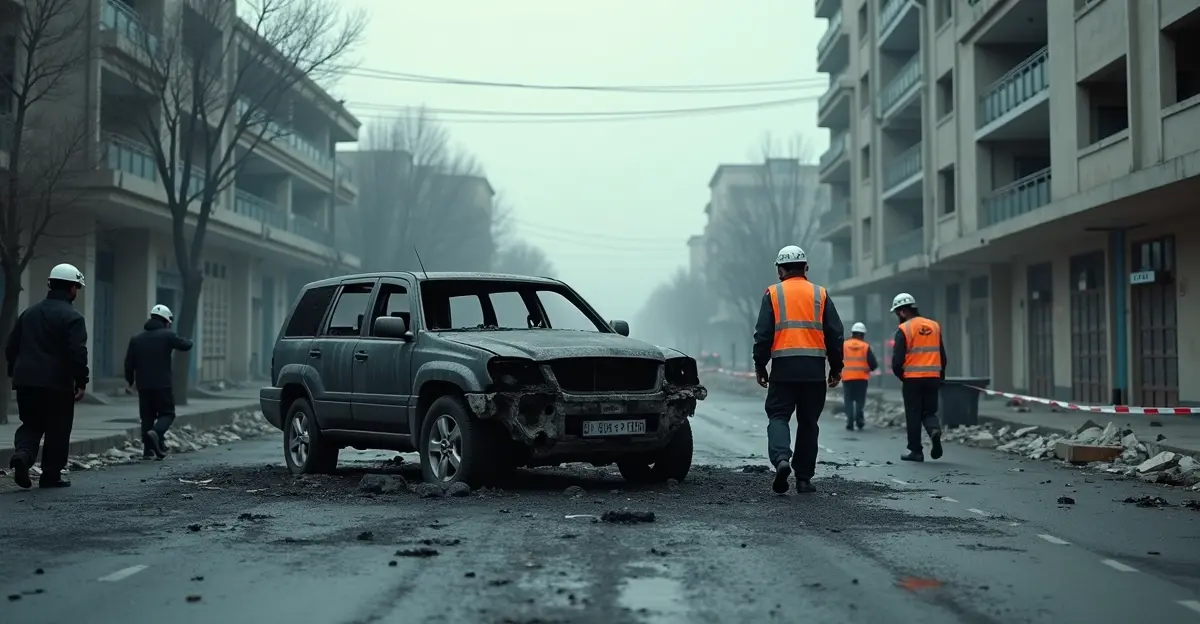
The conflict has expanded to include at least 11 nations from the Mediterranean to the Gulf of Oman, with Iranian forces targeting civilian infrastructure, hotels, airports, and energy facilities in what analysts call a 'spread the pain' strategy to pressure Gulf states into begging the US to stop the war.
Implications for Middle East Diplomacy
Pezeshkian's apology represents the most significant diplomatic gesture from Iran toward Gulf states in recent years. However, its effectiveness depends on several factors:
- Military Command Unity: Whether the IRGC will respect the interim leadership council's decisions
- Gulf States' Trust: Whether Qatar, Saudi Arabia, UAE, and others will accept the apology given continued attacks
- US-Israel Position: Whether the alliance will support diplomatic initiatives or continue military pressure
- Internal Iranian Politics: How power dynamics evolve during the supreme leader selection process
The Persian Gulf security architecture faces its most severe test in decades, with traditional alliances and security arrangements being fundamentally reassessed. Gulf nations must now choose between maintaining neutrality, aligning more closely with the US-Israel alliance, or pursuing independent security arrangements.
Frequently Asked Questions
Why did Iran attack Gulf states?
Iran launched attacks on Gulf states following US-Israeli strikes that killed Supreme Leader Ayatollah Ali Khamenei. The attacks targeted both military and civilian infrastructure as part of a 'spread the pain' strategy to pressure Gulf nations into influencing US policy.
What is the interim leadership council?
The Interim Leadership Council is Iran's temporary collective head of state that assumes supreme leader duties during vacancies. Established March 1, 2026, it includes President Pezeshkian, Chief Justice Mohseni-Eje'i, and Ayatollah Arafi, operating under Article 111 of Iran's constitution.
Will the attacks actually stop?
Despite Pezeshkian's apology, continued attacks suggest command confusion within Iran's military. The Islamic Revolutionary Guard Corps appears to be operating with significant autonomy following Khamenei's death, making ceasefire enforcement challenging.
How are Gulf states responding?
Gulf states are strengthening air defense systems and reassessing security strategies. The attacks have exposed vulnerabilities in their economic models and forced difficult decisions about regional alliances and hosting foreign military bases.
What does this mean for global oil markets?
Continued conflict threatens 20% of global oil supplies through the Strait of Hormuz. Attacks on Saudi Arabia's Ras Tanura refinery and other energy infrastructure could significantly impact global energy markets and prices.

Follow Discussion