


 English
 Nederlands
 Deutsch
 Français
 Español
 Português

Daily News Summary – 2026-04-25 – en

The global landscape in April 2026 is shaped by converging crises: China's relentless weaponization of critical mineral supply chains has sent shockwaves through Western defense and green energy industries, while the dollar's reserve share plummets to all-time lows as central banks hoard gold. Meanwhile, the Pentagon's historic $54 billion bet on autonomous warfare signals a new era of AI-driven conflict, and European unity is tested by leaked proposals to suspend Spain from NATO. On the domestic front, the US expands federal execution methods, and a Colorado funeral home owner faces 30 years for storing 189 bodies. In Canada, OpenAI's CEO apologizes after a mass shooting was linked to its chatbot, while Dutch graduates grapple with an AI-driven job market collapse. This daily brief captures these stories and more in our top stories and notable sections.
Top Stories
Pentagon Unveils $54 Billion Autonomous Warfare Group

The Pentagon requested $54.6 billion for the Defense Autonomous Warfare Group (DAWG), a 24,000% increase from the previous year, marking the largest commitment to AI-powered warfare in history. The funding covers drones, counter-drone systems, and contested logistics, with NATO allies watching closely ahead of the July 2026 Ankara summit.
Spain Reaffirms NATO Commitment After Leaked Pentagon Email Floats Suspension

A leaked Pentagon internal email proposed suspending Spain from NATO over its refusal to support U.S. operations against Iran. Spanish PM Sánchez forcefully reaffirmed Spain's commitment to the alliance, while European leaders rallied in support. NATO’s founding treaty contains no mechanism for suspension, but the incident has strained transatlantic relations.
Sam Altman Issues Formal Apology After Tumbler Ridge Mass Shooting

OpenAI CEO Sam Altman apologized for the company's failure to alert authorities about a teenage shooter's violent ChatGPT use, which may have prevented the February 2026 school shooting in Tumbler Ridge, Canada that killed eight. OpenAI employees had flagged the account but the threat was deemed not credible enough; the incident has sparked calls for mandatory reporting laws for AI platforms.
Colorado Funeral Home Owner Sentenced to 30 Years for Corpse Abuse

Carie Hallford, co-owner of Return to Nature Funeral Home, was sentenced to 30 years for storing 189 decomposing bodies and defrauding families with fake ashes made of concrete. The scandal exposed Colorado’s lax funeral home regulations, prompting statewide reforms including licensing and inspections.
China's Critical Minerals Export Controls: A Strategic Chokepoint
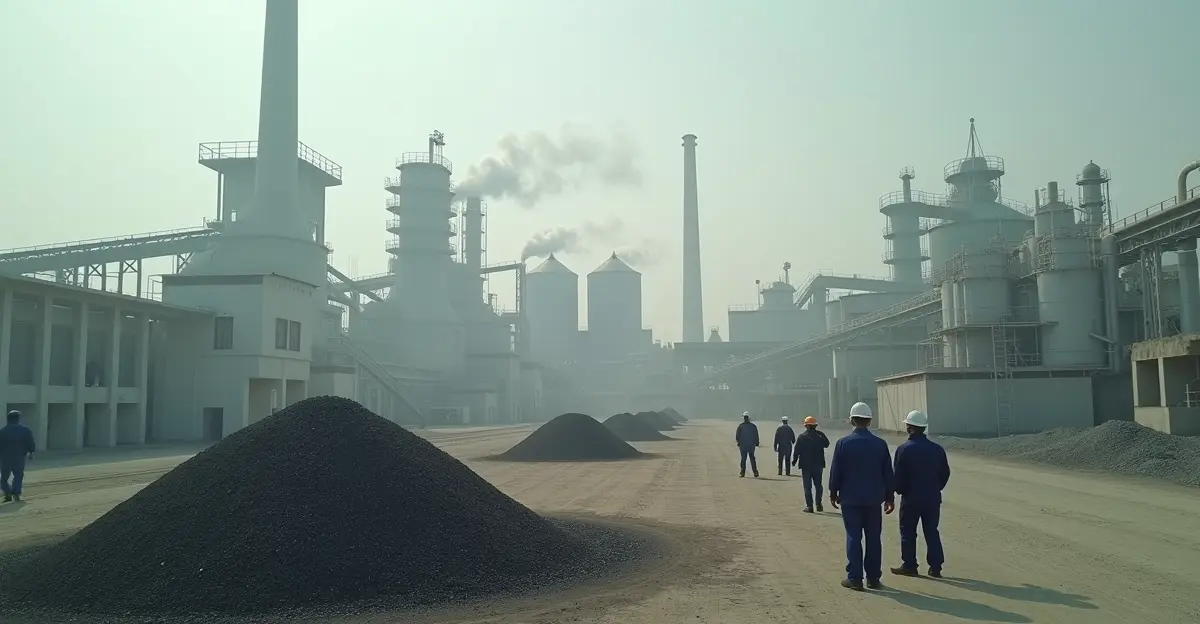
China's 2026 export controls on rare earths, tungsten, and antimony have driven price spikes of up to sixfold and cut licensing approval rates for European firms below 25%. With Beijing controlling over 90% of global rare earth processing, Western nations face a narrow 12-18 month window to build alternative supply chains or risk irreversible dependency.
Also Notable
The Critical Minerals Race: Resource Nationalism Reshapes Global Supply Chains

The global battle for lithium, cobalt, and rare earths intensifies as producer countries impose processing requirements and export controls. The US launched the FORGE alliance and Project Vault, while China's 15th Five-Year Plan aims to supply over 60% of refined lithium and cobalt by 2035. The EU struggles to finance its Critical Raw Materials Act targets.
Resource Nationalism: The Great Hoard of Critical Minerals

Governments worldwide are shifting from market-driven supply chains to national security infrastructure for critical minerals. The US launched Project Vault—a $12 billion strategic reserve—and the FORGE alliance with 54 nations, while China tightens its grip on processing. Analysts warn of a 12-18 month window for Western action.
Strait of Hormuz Crisis: Beyond Oil – Fertilizers, Helium, and Metals Face Severe Disruptions

The Iran conflict has effectively shut down the Strait of Hormuz, disrupting not only oil but also 46% of global urea trade, one-third of the world's helium, and 9% of aluminium supply. Prices for these critical inputs have surged, threatening food security in Asia and delaying AI chip production.
AI Power Crunch: Data Centers Push Global Grid to the Brink

Global data center electricity demand is projected to exceed 1,000 TWh by 2026—equivalent to Japan's total consumption—driven by AI workloads. The grid is struggling to keep pace, with PJM's capacity auction failing for the first time. Solutions include small modular reactors, on-site batteries, and behind-the-meter generation.
China's Critical Minerals Export Controls: Western Supply Chain Under Siege
China's 2025-2026 export controls on critical minerals have triggered price spikes and licensing bottlenecks, with European approval rates falling below 25%. Western nations are scrambling to diversify through initiatives like the 54-nation FORGE alliance, but rebuilding independent supply chains would take 20-30 years.
China's Rare Earth Export Controls: Weaponizing Processing Dominance
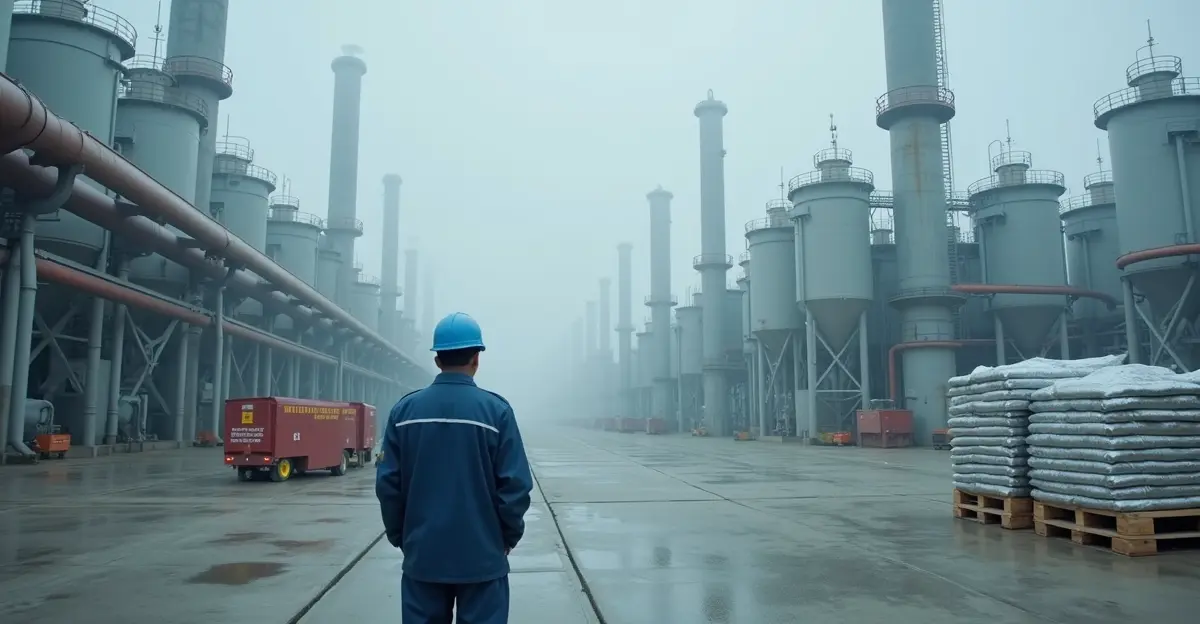
China's widening export controls on rare earths have triggered sixfold price spikes and forced European carmakers to pause production. The Western response—FORGE, Project Vault, and $30 billion in mobilization—faces a narrowing 12-18 month window to break China's stranglehold on processing.
China's Critical Minerals Export Controls: A 12-18 Month Window for the West
A multi-institutional analysis confirms that China's export controls are weaponizing control, not scarcity. With a 12-month suspension of certain bans, Beijing maintains leverage while discouraging Western investment. The West must choose between managed dependence, costly independence, or a hybrid resilience model.
AI Job Market Collapse for Dutch Graduates: Panic or Adaptation?

Starter vacancies in the Netherlands have halved in three years, with AI-sensitive sectors like IT, marketing, and law seeing declines of 50-70%. Economists caution against panic, noting that AI also creates new roles and the working-age population is shrinking. Adaptation through reskilling is key.
DOJ Authorizes Firing Squad, Electrocution, and Gas for Federal Executions

The US Department of Justice expanded federal execution methods to include firing squads, electrocution, and gas asphyxiation, citing persistent shortages of lethal injection drugs. The policy shift follows President Trump's Day-One executive order rescinding the Biden-era moratorium. Only three inmates remain on federal death row, but the DOJ is pursuing capital punishment for 44 new defendants.
Germ Bridge Theory: Why Younger Siblings May Have Lower IQ and Earnings

A new NBER study introduces the 'germ bridge' theory, showing that older siblings bring viruses home from school, infecting younger siblings during critical brain development. This early disease exposure accounts for half of the 1.9% income gap between first and second-born children, alongside 20-30 minutes less daily parental attention.
Dollar's Global Reserve Share Falls to Record Low Below 57%

The US dollar's share of global foreign exchange reserves has fallen to 56.77%, the lowest on record, as central banks pivot aggressively to gold and alternative payment systems. Poland led gold buying with 102 tonnes in 2025, while China's CIPS network expanded. Analysts warn this could raise US borrowing costs by 50-100 basis points.
Dollar Reserve Share Below 57% as Central Banks Buy Gold in Droves
The dollar's reserve share has fallen below 57% in early 2026, with central banks purchasing 863 tonnes of gold in 2025—82% above the historical average. The rise of BRICS+ local currency settlement and CIPS is eroding dollar hegemony, potentially reshaping global financial architecture.
 Share this article



