


 Deutsch
 English
 Español
 Français
 Nederlands
 Português


 Share
Share




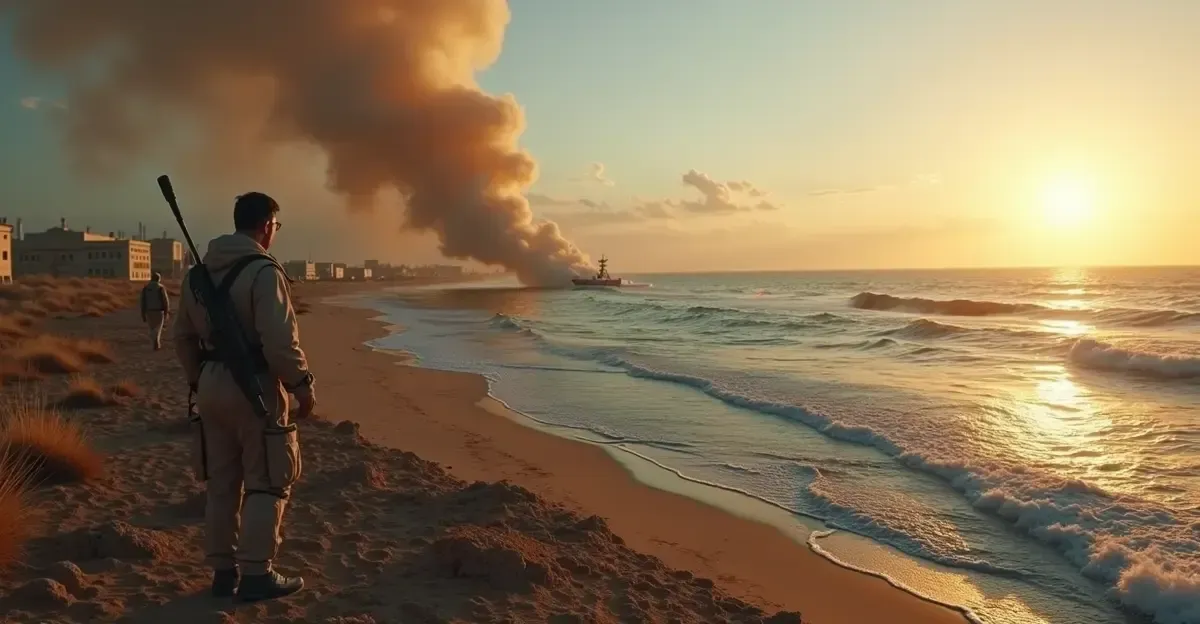
Iran has retained access to the vast majority of its missile bases along the strategically vital Strait of Hormuz, according to a bombshell report from The New York Times citing classified U.S. military intelligence. The revelation directly contradicts public claims by President Donald Trump and Defense Secretary Pete Hegseth that Iran's military has been 'crushed' and is 'no longer a threat.'
The intelligence assessment, published on May 12, 2026, reveals that 30 out of 33 Iranian missile bases along the Strait of Hormuz remain operational. Iran also retains approximately 70 percent of its mobile launchers and prewar missile arsenal, and has restored access to roughly 90 percent of its underground storage and launch facilities. The findings raise serious questions about the effectiveness of the U.S. military campaign against Iran and the durability of the fragile ceasefire currently in place.
What the intelligence reveals about Iran's missile capabilities
According to the classified documents obtained by The New York Times, Iran's missile infrastructure along the Strait of Hormuz has proven far more resilient than previously acknowledged. The strait is one of the world's most critical maritime chokepoints, through which about 20 percent of global liquefied natural gas and 25 percent of seaborne oil trade passes annually.
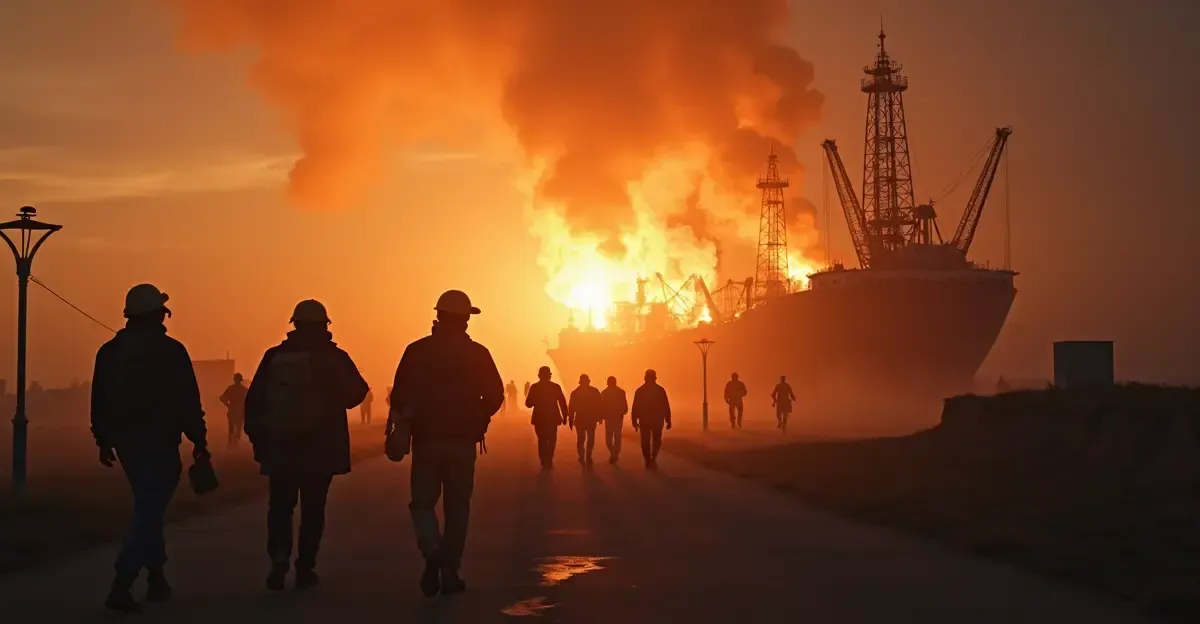
The Iran war 2026 ceasefire has held tenuously since April 7, but Iran has continued to harass U.S. forces and commercial vessels. Since the ceasefire, Iran has fired at commercial vessels nine times, seized two container ships, and attacked U.S. forces over 10 times, according to Joint Chiefs Chairman Dan Caine.
Key findings from the intelligence report
- 30 of 33 missile bases along the Strait of Hormuz are operational
- ~70% of mobile launchers and prewar missile inventory remain intact
- ~90% of underground storage and launch facilities are accessible
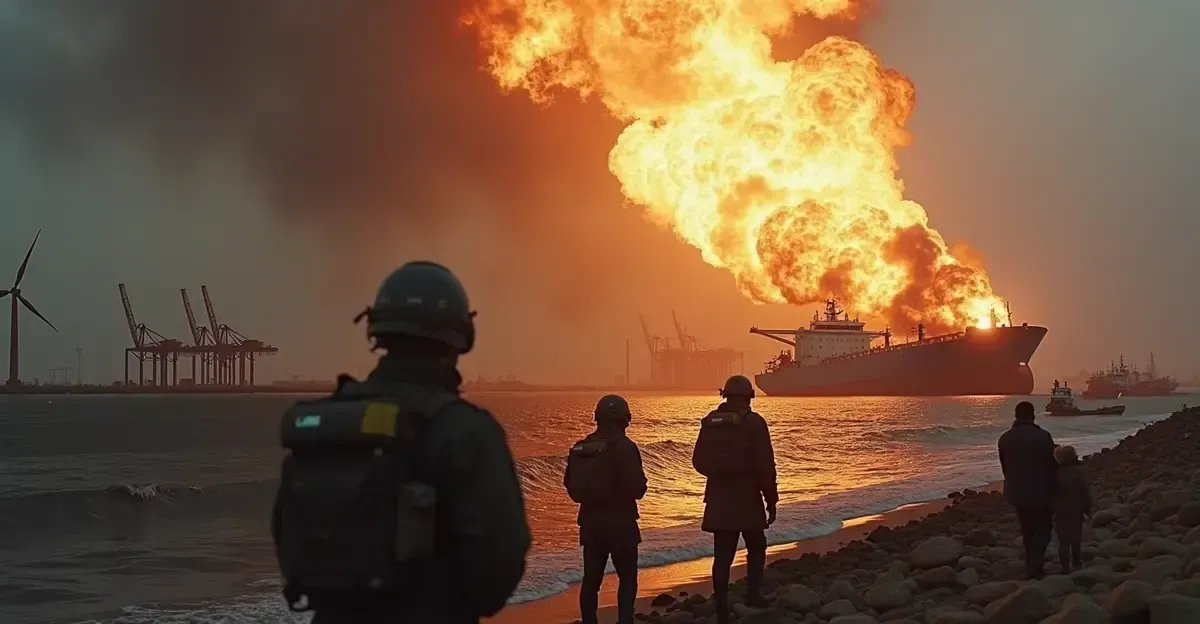
- Iran can still threaten U.S. warships and oil tankers transiting the strait
Why the U.S. failed to neutralize Iran's missile bases
American military officials told The New York Times that the U.S. was unable to fully destroy all Iranian missile bases due to a critical shortage of specialized munitions. The 39-day campaign — dubbed Operation Epic Fury — expended more than 1,000 Tomahawk cruise missiles, along with large numbers of Patriot and precision-guided munitions, in some cases exceeding annual production capacity.
The U.S. entered the conflict with an estimated stockpile of 4,000 Tomahawks, but hundreds were used to strike IRGC command centers and air defense networks. Annual production has historically been capped at roughly 90 missiles. While RTX has announced plans to expand production to over 1,000 missiles per year, the manufacturing cycle takes up to two years due to complex supply chains. A CSIS report from April 2026 warns that rebuilding prewar inventory levels will take one to four years.
This U.S. missile shortage crisis has implications beyond the Iran conflict. Diminished stockpiles affect the ability to supply allies such as Ukraine and could leave the U.S. vulnerable in a potential future conflict in the Western Pacific.
Contradiction with White House claims
The intelligence findings stand in stark contrast to public statements from the Trump administration. President Trump has repeatedly claimed that Iran's military has been 'verpletterd' (crushed) and that the U.S. controls the Strait of Hormuz. Defense Secretary Hegseth told Congress that 'nothing's going in that we don't allow.'
A White House spokeswoman dismissed the New York Times report, reiterating that the Iranian military has been 'crushed.' However, the intelligence community's assessment suggests otherwise. 'The disparity between public claims and on-the-ground reality is striking,' a senior military official told the Times on condition of anonymity. 'Iran has proven far more resilient than anticipated.'
Implications for global energy security
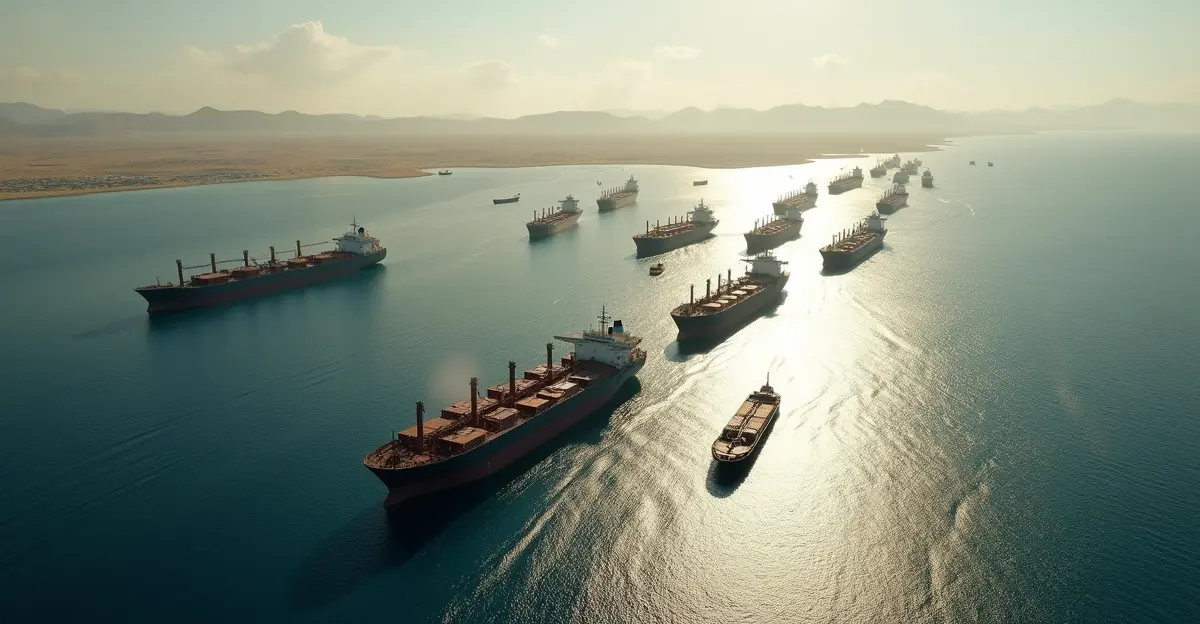
The Strait of Hormuz remains a flashpoint with global consequences. With Iran retaining the ability to threaten shipping lanes, the risk of disruption to oil and LNG supplies remains high. Norway has reported 25 stranded vessels due to the ongoing blockade. Gasoline prices in the U.S. have surged, contributing to a 3.8 percent inflation spike.
The Pentagon's war costs have reached nearly $29 billion, and the fragile ceasefire is the only thing preventing a return to large-scale combat. However, with ceasefire talks stalled and Iran's missile capabilities largely intact, the region remains on a knife's edge.
Experts in Middle East security analysis warn that the current situation is unsustainable. 'The ceasefire is a pause, not a resolution,' said a former CIA analyst. 'As long as Iran retains these capabilities, the threat to global shipping and regional stability persists.'
Frequently Asked Questions
How many Iranian missile bases are still operational?
According to U.S. intelligence cited by The New York Times, 30 out of 33 Iranian missile bases along the Strait of Hormuz remain operational.
What percentage of Iran's missile arsenal remains intact?
Iran retains approximately 70 percent of its mobile launchers and prewar ballistic and cruise missile inventory, and access to 90 percent of underground storage and launch facilities.
Why didn't the U.S. destroy all Iranian missile bases?
U.S. military officials cite a shortage of specialized munitions, including Tomahawk cruise missiles, which were expended at rates exceeding annual production capacity during the 39-day campaign.
Does Iran still threaten shipping in the Strait of Hormuz?
Yes. With 30 operational missile bases along the strait, Iran can still threaten U.S. warships and commercial oil tankers transiting this critical chokepoint.
What has been the U.S. response to the intelligence findings?
The White House has dismissed the report, reiterating claims that Iran's military has been 'crushed.' However, the intelligence community's assessment contradicts this position.


Follow Discussion