


 Deutsch
 English
 Español
 Français
 Nederlands
 Português


 Share
Share




What is Iran's Regional Attack Defense Strategy?
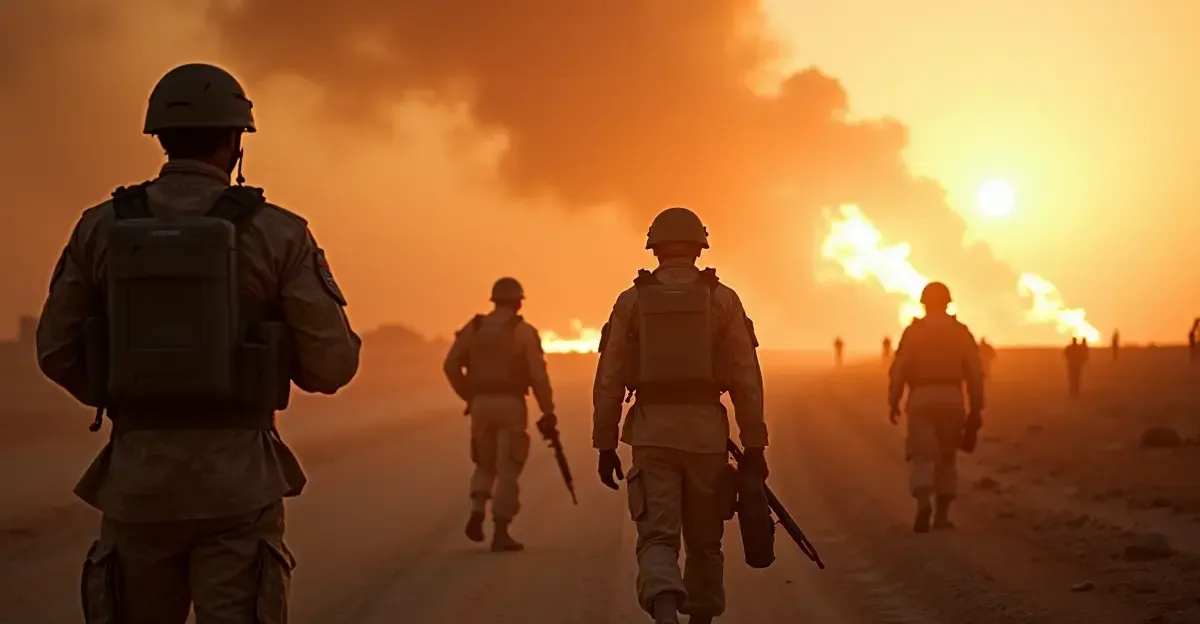
After four days of escalating conflict in March 2026, Iran has revealed its primary defense mechanism against the overwhelming military superiority of American and Israeli forces: launching coordinated drone and missile attacks across neighboring countries. This strategy, described by Middle East correspondent Tara Kenkhuis as 'making things as complex as possible for the United States,' represents a calculated approach to asymmetrical warfare where Iran leverages its geographic position and regional influence to create multiple simultaneous challenges for US forces. The Iranian military, unable to match US firepower directly, has instead adopted a strategy of regional dispersion, targeting American bases and consulates throughout the Middle East while threatening critical global shipping lanes.
Iran's Two-Pronged Defense Approach
Iran's defense strategy operates on two distinct but complementary levels, both designed to stretch US military resources and political will to their limits.
Regional Attack Campaign
Since the conflict began in late February 2026, Iran has launched attacks across multiple neighboring countries including Saudi Arabia, Bahrain, Qatar, UAE, Kuwait, Jordan, Oman, and Iraq. 'They can't match the US military directly, but they can make it as broad and complex as possible for the Americans,' explains Middle East correspondent Tara Kenkhuis. 'Iran is trying to keep expensive American defense systems busy with their own cheap weapons. The US can't sustain this indefinitely.' This approach mirrors tactics seen in other Middle East proxy conflicts where regional influence becomes a strategic weapon.
Key targets have included:
- Al Udeid Air Base in Qatar (largest US military base in the Middle East)
- US embassy compounds in Riyadh and Muscat
- Aramco oil refinery facilities in Saudi Arabia
- US Navy facilities in Bahrain
- Civilian infrastructure including Dubai's Zayed International Airport
Strait of Hormuz Control
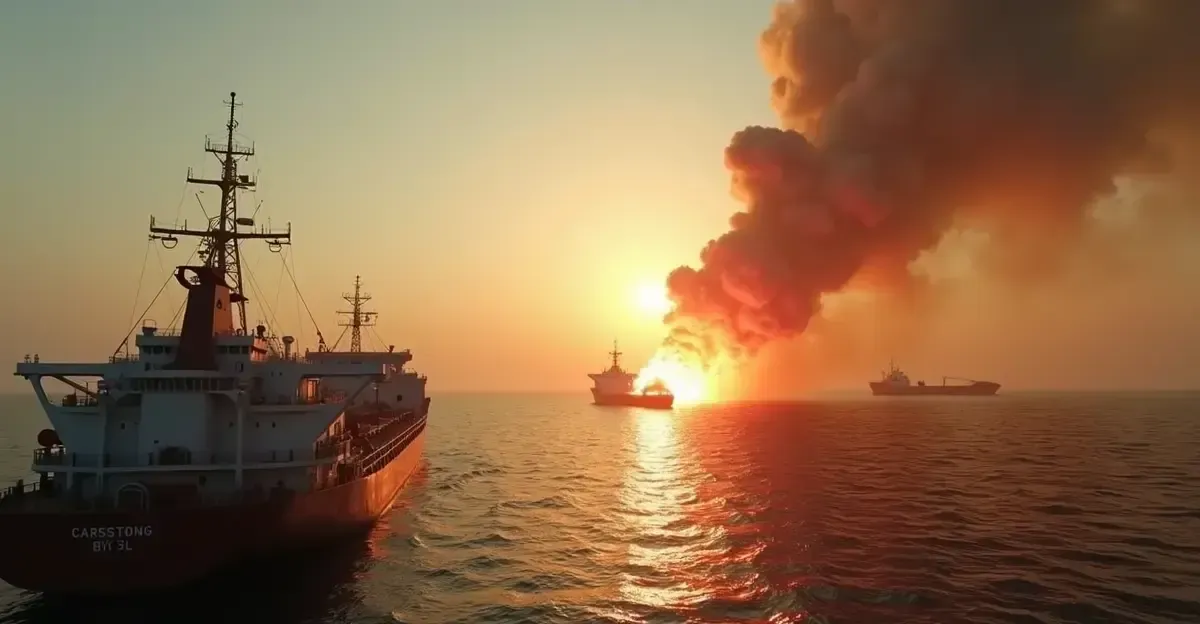
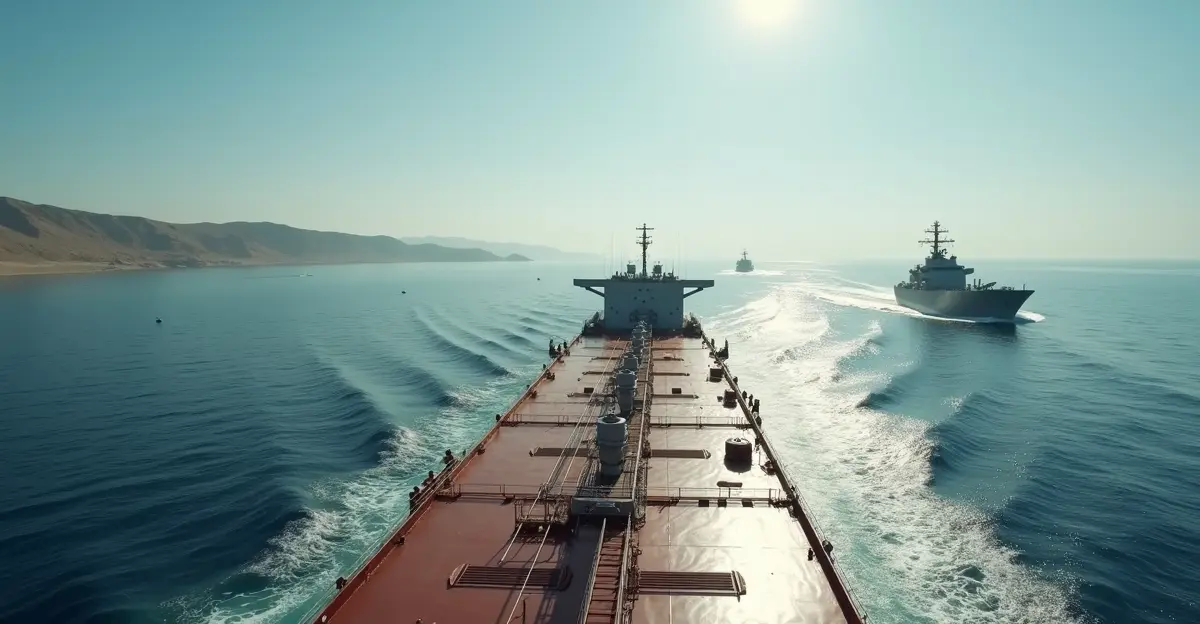
The second, potentially more powerful weapon in Iran's arsenal is its control over the Strait of Hormuz. This narrow sea passage, located just off Iran's coast, carries approximately 20% of the world's daily oil supply and 25% of seaborne liquefied natural gas. On February 28, 2026, Iran's Revolutionary Guard began issuing VHF transmissions stating that ship passages through the Strait of Hormuz were 'not allowed,' effectively halting commercial shipping through this critical chokepoint.
'This is the most powerful weapon Iran has in its hands,' says Kenkhuis. 'With this, you hit the US and citizens in the US. And actually the whole world.' The disruption has already caused oil prices to surge by 10-13%, with Brent crude reaching $82 per barrel and analysts warning of potential $100+ prices if the crisis persists.
Strategic Implications and US Response
Economic Warfare and Global Impact
Iran's strategy extends beyond military confrontation into economic warfare. By threatening the Strait of Hormuz, Iran directly impacts global energy markets and inflation rates worldwide. Major shipping companies like Maersk and Hapag-Lloyd have suspended operations, forcing rerouting around Africa's Cape of Good Hope—adding approximately 15 days to shipping times and significantly increasing costs. This economic pressure creates political complications for the US administration, similar to challenges faced during previous global energy crises.
US Military Dilemma
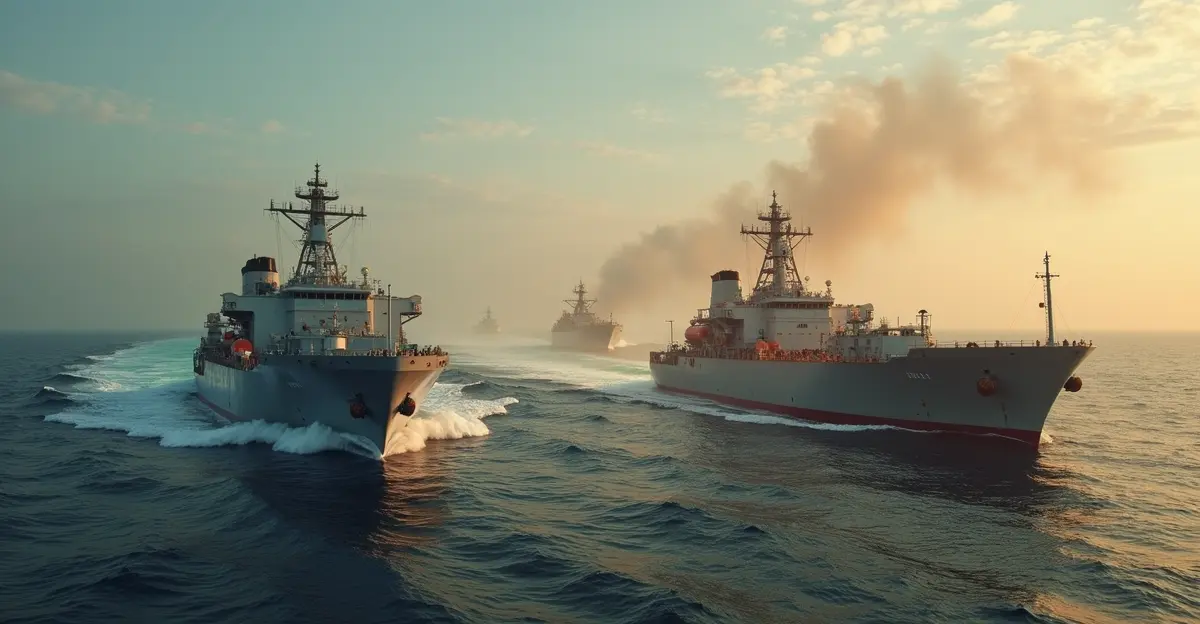
President Trump initially downplayed concerns but is now considering deploying naval forces to secure safe passage through the strait. However, Iran has developed a comprehensive layered defense strategy specifically designed to counter US carrier groups through sustained attrition rather than decisive victory. Their approach combines thousands of mines, submarines, anti-ship missiles, swarm tactics, and layered air defenses to create a high-risk environment that strains US missile defenses, logistics, and political tolerance.
According to military analysts, Iran's strategy focuses on:
- Dispersion and redundancy using many small launch points
- Volume attacks to deplete US interceptor inventories
- Creating time-consuming clearance operations through mining
- Complicating US anti-submarine warfare with submarine ambushes
Long-Term Sustainability and Political Dimensions
Experts believe Iran can sustain this regional attack strategy for an extended period. Their missile and drone inventories appear substantial, and as long as the US avoids deploying ground troops into Iran, the regime's survival remains plausible. 'Iran can keep up this tactic of dragging as many others as possible into its misery for a long time,' notes Kenkhuis.
The US is reportedly exploring alternative approaches, including potential CIA support for internal resistance groups within Iran. 'The CIA is reportedly planning to support militias within the country to arm people and encourage leadership change,' says Kenkhuis. 'They're thinking particularly about Kurdish fighters.' However, this approach faces significant challenges, including the absence of clear opposition leadership and historical complexities dating back to the 1979 revolution.
FAQ: Iran's Regional Defense Strategy
Why is Iran attacking neighboring countries instead of focusing on US forces directly?
Iran lacks the military capability to confront US forces directly but can create multiple simultaneous challenges across the region, stretching US resources and creating political complications through broader regional instability.
How serious is the threat to close the Strait of Hormuz?
While Iran has threatened closure for decades, the 2026 crisis represents the most serious implementation yet. The economic consequences would be severe globally, potentially pushing oil prices above $150 per barrel and causing worldwide inflation spikes.
Can the US military secure the Strait of Hormuz?
Yes, but at significant cost. Iran has developed sophisticated anti-access/area denial capabilities specifically for the strait, including mines, submarines, and anti-ship missiles that would make any US naval operation complex and potentially costly.
How long can Iran sustain this strategy?
Military analysts estimate Iran could maintain regional attacks for months given their weapons inventories. The Strait of Hormuz threat could be sustained indefinitely as it primarily requires political will rather than extensive military resources.
What are the global economic impacts?
The Strait of Hormuz closure has already increased oil prices by 10-13%, disrupted global shipping routes, and threatens to push inflation rates in Western countries toward 5% if sustained. Similar to previous energy market disruptions, the effects ripple through global economies.

Follow Discussion