


 Deutsch
 English
 Español
 Français
 Nederlands
 Português


 Share
Share




What is the Current US-Iran Crisis?
The United States and Iran are locked in their most dangerous confrontation since the 2025 Iran-Israel war, with President Donald Trump threatening military action against Iran if a nuclear deal isn't reached within 10-15 days. This escalating crisis involves massive military buildups, economic sanctions, and high-stakes diplomacy that could plunge the Middle East into wider conflict. The situation reached a critical flashpoint in February 2026 as the US deployed a second aircraft carrier to the region while Iran conducted live-fire exercises in the strategic Strait of Hormuz, threatening 20% of global oil supplies.
Military Buildup and Gunboat Diplomacy
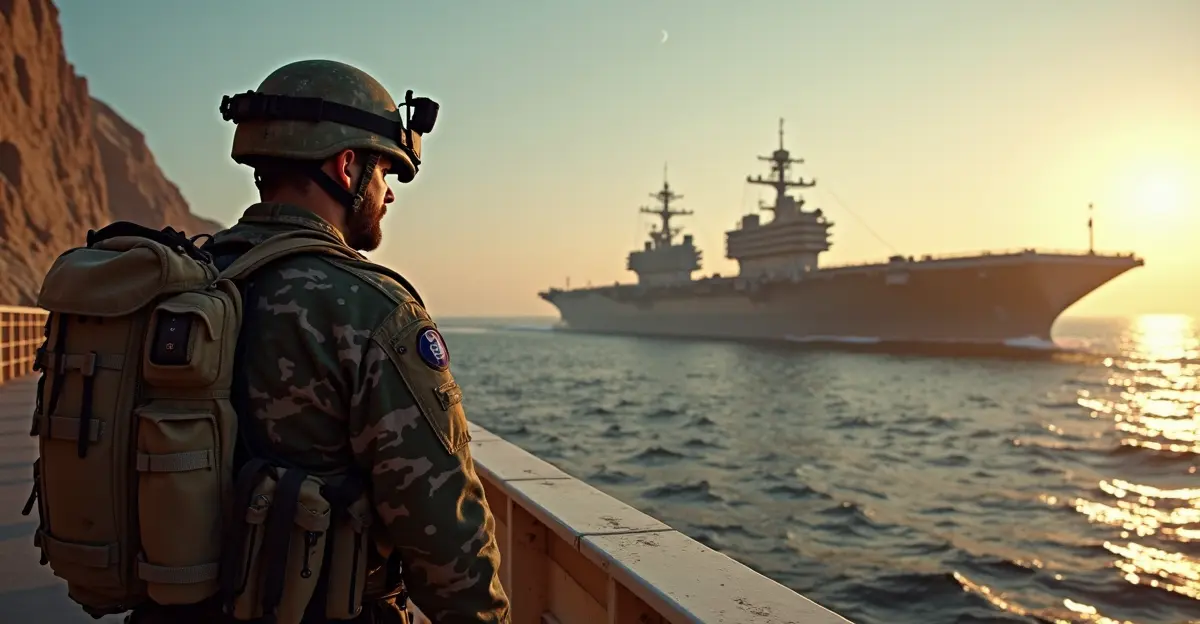
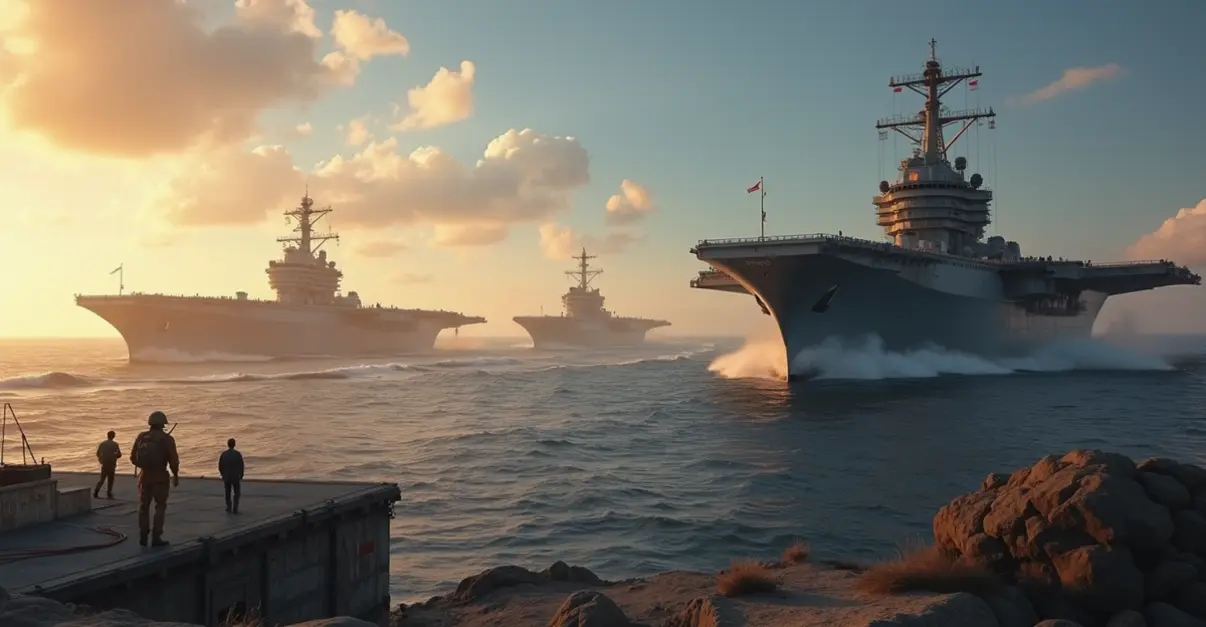
The Pentagon has deployed its largest naval force to the Middle East in decades, including the USS Gerald R. Ford aircraft carrier strike group. This military escalation represents what experts call 'gunboat diplomacy' - using military pressure to achieve diplomatic objectives. 'The Americans are using military means to force diplomatic talks, but in a new package,' says former Dutch Army commander Mart de Kruif. The US military presence now includes thousands of troops, advanced fighter jets, and anti-missile systems positioned to protect allies like Israel and Jordan.
Iran's Military Response
Iran has responded with its own show of force, conducting joint military drills with Russia in the Gulf of Oman and Indian Ocean. More significantly, Iran temporarily closed the Strait of Hormuz for live-fire exercises, demonstrating its ability to disrupt global energy markets. The Iranian ballistic missile program remains a key point of contention, with the US demanding Iran limit its missile capabilities as part of any nuclear agreement.
Nuclear Negotiations: What's at Stake?
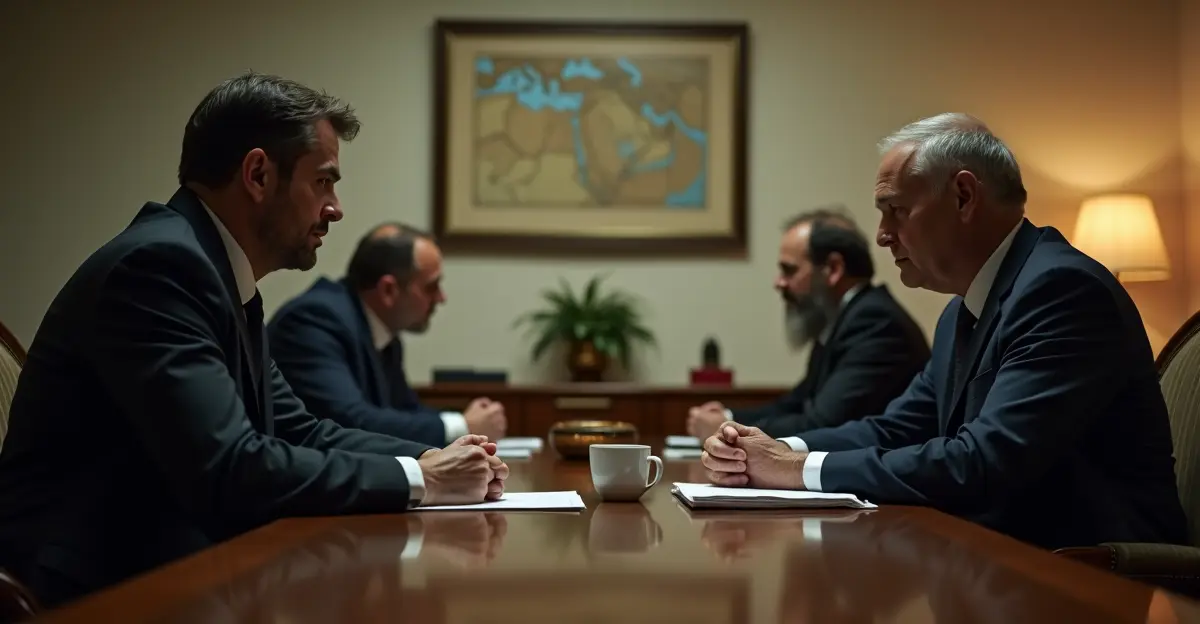
The core dispute centers on Iran's nuclear program. The US demands Iran stop uranium enrichment that could lead to nuclear weapons development, limit ballistic missile production, and cease support for armed groups like the Houthis in Yemen. In return, Iran seeks relief from crippling economic sanctions that have devastated its economy, causing massive inflation and sparking domestic protests.
Recent negotiations in Geneva and Oman have shown some progress, with Iranian Foreign Minister Abbas Araghchi describing talks as 'more constructive' than previous rounds. However, significant gaps remain. IAEA chief Rafael Grossi warns that Iran's enriched nuclear material remains 'still there, in large quantities' despite previous US strikes, creating urgency for a diplomatic solution.
Regional Implications and Global Impact
The stakes extend far beyond bilateral relations. A US-Iran conflict would likely trigger regional instability, with Iran warning it would retaliate against US bases throughout the Middle East and target Israel. The Strait of Hormuz closure would immediately impact global oil prices, potentially triggering economic repercussions worldwide. European countries have already begun evacuating personnel from the region, with Poland urging its citizens to leave Iran immediately.
China's role as Iran's primary economic partner adds another layer of complexity. As Mart de Kruif notes, 'If China says Iran must stop, then Iran will stop.' This highlights how the US-China geopolitical rivalry influences Middle Eastern dynamics.
What Happens Next: Three Possible Scenarios
- Diplomatic Breakthrough: Iran agrees to dilute its 60% enriched uranium and accept monitoring in exchange for sanctions relief
- Limited Military Strike: The US conducts targeted strikes on Iranian nuclear facilities if negotiations fail
- Full-Scale Conflict: Military escalation leads to regional war involving Israel and other Middle Eastern powers
Frequently Asked Questions
Why is the Strait of Hormuz so important?
The Strait of Hormuz is a critical chokepoint through which 20% of global oil supplies pass. Iran's ability to close this waterway gives it significant leverage in negotiations and makes any conflict potentially devastating for the global economy.
What are the US demands in nuclear talks?
The US wants Iran to: 1) Stop uranium enrichment that could lead to nuclear weapons, 2) Limit ballistic missile production, 3) Cease support for proxy groups in the region, and 4) Allow comprehensive IAEA monitoring of nuclear facilities.
How likely is military conflict?
Experts assess the risk as high but not inevitable. The combination of military buildups, political pressure from Israel, and Trump's domestic political considerations ahead of US elections increases the likelihood of some form of military action if diplomacy fails.
What would Iran's retaliation look like?
Iran has warned it would target US bases throughout the Middle East, attack Israel with missiles and drones, and disrupt shipping in the Persian Gulf. Their joint exercises with Russia demonstrate growing military cooperation that could complicate any US response.
How does this affect global markets?
Gold prices have already risen amid the tensions, and oil markets remain volatile. A full closure of the Strait of Hormuz could send oil prices soaring, impacting economies worldwide and potentially triggering a global recession.

Follow Discussion