


 Deutsch
 English
 Español
 Français
 Nederlands
 Português


 Share
Share




Iran's Supreme Leader Issues Stark Warning Amid Military Buildup
Iran's Supreme Leader Ayatollah Ali Khamenei has issued a stark warning that any US military attack on Iran would trigger a regional war across the Middle East. The 86-year-old leader made these comments during a speech marking the anniversary of Iran's 1979 Islamic Revolution, as tensions escalate with US President Donald Trump threatening strikes over Iran's crackdown on nationwide protests and its nuclear program.
'The Americans should know that if they start a war, this time it will be a regional war,' Khamenei stated through Iranian media. 'We do not want to attack any country, but the Iranian nation will deliver a strong blow to anyone who attacks them.'
Military Buildup in the Strait of Hormuz
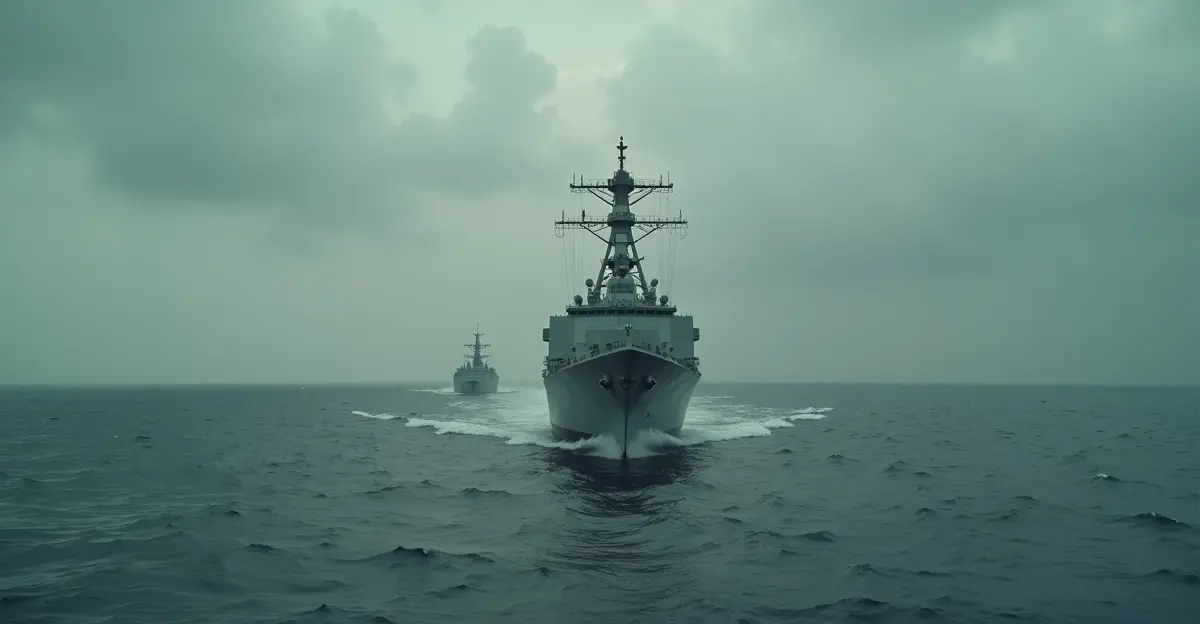
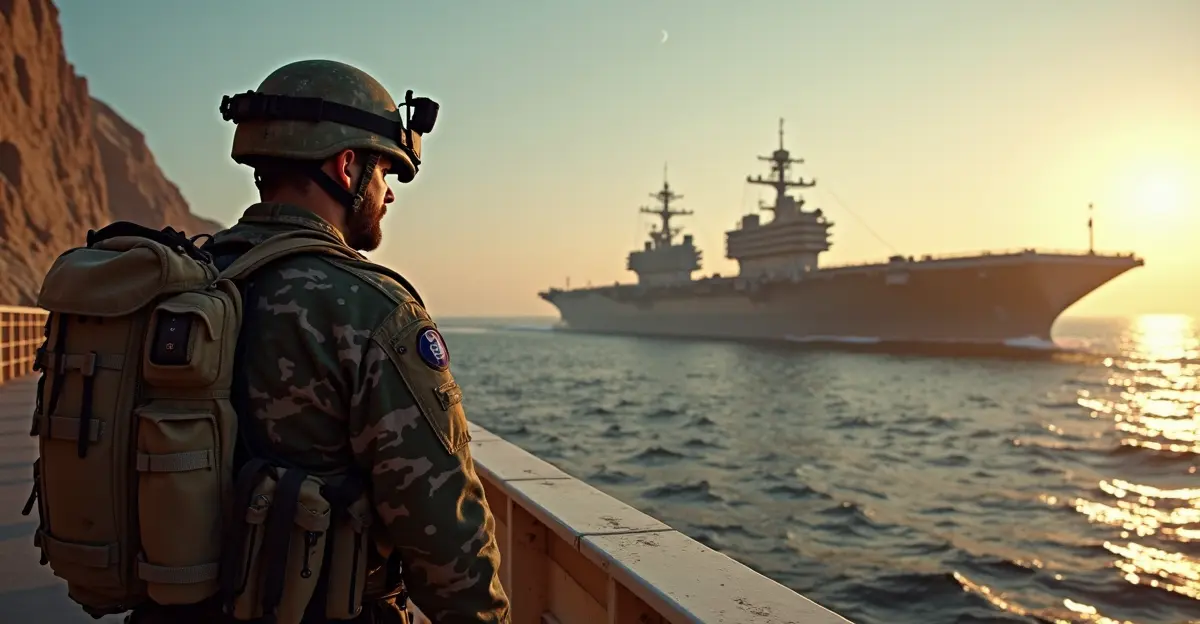
The warning comes as the US has significantly expanded its military presence in the region, with the USS Abraham Lincoln aircraft carrier group now deployed in the Arabian Sea and approximately ten warships positioned near Iran. The US Navy's buildup follows President Trump's threats of attacks if Iran doesn't stop killing protesters and halt its nuclear program.
Meanwhile, Iran had announced plans to conduct live-fire naval exercises in the strategically vital Strait of Hormuz, through which about 20% of the world's traded oil passes daily. However, in a confusing development, Iranian officials later denied these exercises were planned, with a spokesperson telling Reuters: 'There is no plan by the Revolutionary Guard to hold military exercises in that location, and this has not been officially announced. Media that reported on this made a mistake.'
Diplomatic Signals Amid Escalating Tensions
Despite the heated rhetoric, there were signs of potential de-escalation. President Trump told reporters overnight that Iran was 'seriously talking' with American negotiators. 'I hope they work it out, and that an agreement comes out that satisfies everyone. WITHOUT nuclear weapons.'
The diplomatic maneuvering occurs against the backdrop of significant international pressure on Iran. Last week, the European Union officially designated Iran's Islamic Revolutionary Guard Corps (IRGC) as a terrorist organization, following similar moves by the United States in 2019. The EU decision cited the IRGC's role in suppressing protests that began in December, with human rights groups reporting thousands of deaths during the crackdown.
Iran responded by designating European armies as terrorist groups, with Parliament Speaker Mohammad Bagher Ghalibaf announcing the retaliatory measure under Iran's countermeasures law.
Strategic Importance of the Strait
The Strait of Hormuz remains one of the world's most critical maritime chokepoints. At its narrowest point, the waterway is just 33 kilometers wide, with approximately one hundred commercial vessels passing through daily. The strategic importance cannot be overstated - any disruption could send global energy prices soaring and trigger economic consequences worldwide.
As tensions continue to simmer, regional analysts warn that miscalculation could lead to unintended escalation. 'We're seeing a dangerous game of brinkmanship,' said Middle East security expert Dr. Sarah Johansson. 'Both sides are testing limits while maintaining backchannel communications. The risk of accidental conflict is higher than it's been in years.'
The situation remains fluid, with Iranian parliament members today wearing Revolutionary Guard uniforms to show support for the militia, chanting 'Death to America' during parliamentary sessions. As the world watches, the delicate balance between military posturing and diplomatic engagement will determine whether the region descends into wider conflict or finds a path toward de-escalation.
Follow Discussion