


 Deutsch
 English
 Español
 Français
 Nederlands
 Português


 Share
Share




US Launches Swift Retaliatory Strikes on Iran
The United States military carried out new airstrikes against Iran on July 19, 2026, in a rapid response to an Iranian attack on a US base in Jordan that killed two American servicemen and left a third missing. The strikes, announced by US Central Command, targeted Iranian military installations near the strategic Strait of Hormuz, focusing on Islamic Revolutionary Guard Corps (IRGC) units believed responsible for the deadly assault.
The operation marks the first US military deaths since hostilities with Iran reignited on July 7, 2026, after a fragile interim ceasefire collapsed. According to Pentagon officials, the strikes began at 2200 GMT and were designed to degrade Iran's ability to threaten commercial shipping and to punish the IRGC forces involved in the Jordan attack.
Context: The Escalating US-Iran Conflict
The 2026 Iran war began on February 28, following coordinated US and Israeli airstrikes that killed Iran's Supreme Leader Ali Khamenei. In retaliation, Iran closed the Strait of Hormuz to all foreign shipping, triggering a global energy crisis. Since then, the conflict has claimed thousands of lives. According to the 2026 Iran war casualties tracker, total documented deaths range from 8,966 to 18,300 across all sides, including 20 US service members killed since the war began.
The July 19 airstrikes are the latest in a series of escalating exchanges. On July 8, the interim ceasefire brokered under the Islamabad Memorandum collapsed after Iran allegedly struck multiple commercial ships in the Strait of Hormuz. The US responded by striking Iranian territory, and Iran subsequently attacked US bases in Gulf states. On July 14, the US reinstated its naval blockade of Iran.
Details of the July 19 Airstrikes
Targets and Locations
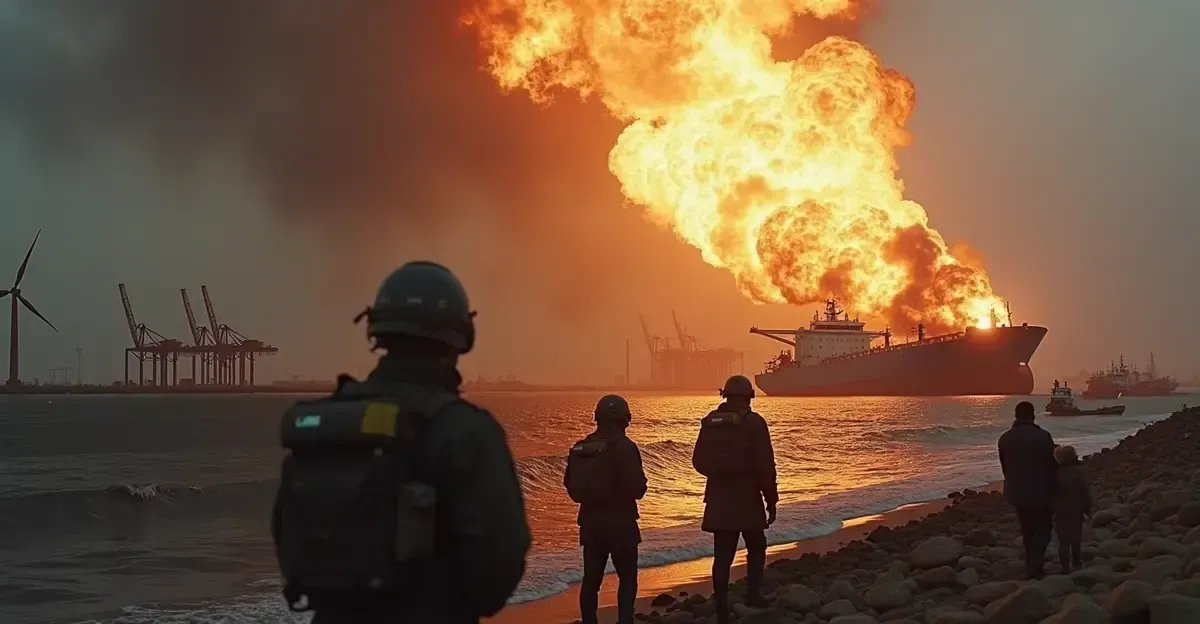
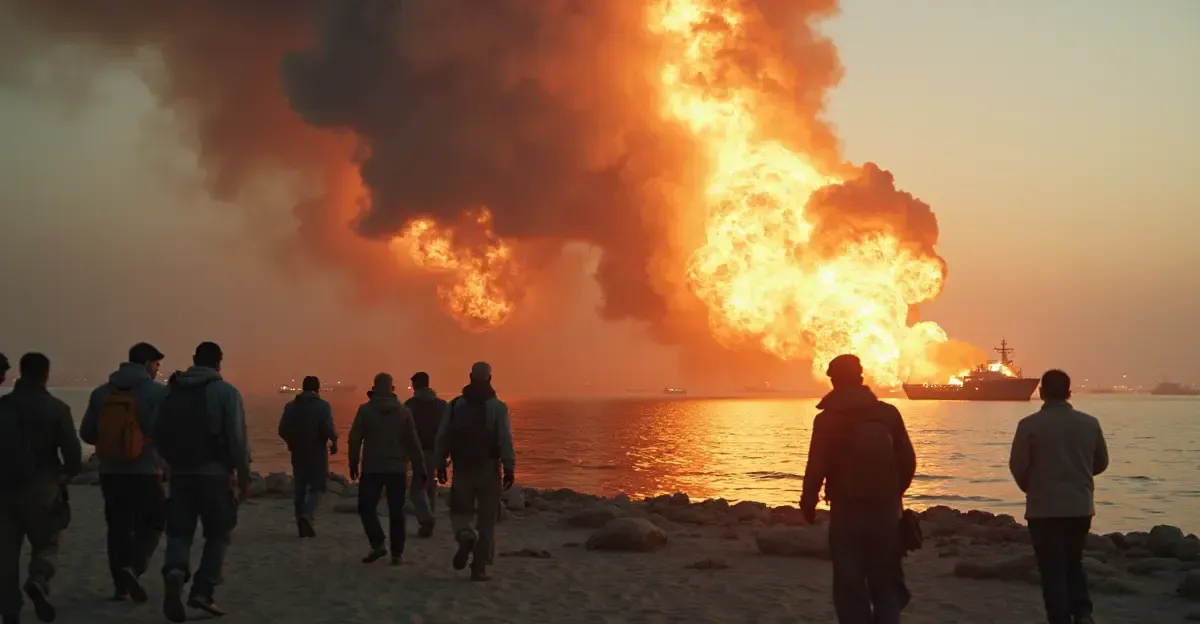
According to Iran's state news agency INRA, the US strikes hit near the port city of Sirik in southern Iran. Explosions were also reported in Bandar Abbas, a major naval hub, and on Qeshm Island, a strategic island in the Strait of Hormuz. These locations have been frequent targets throughout the US aerial campaign, which began in earnest on March 19, 2026, to reopen the Hormuz Strait to international shipping.
US Central Command confirmed that the strikes deliberately targeted IRGC units involved in the Jordan attack. The Pentagon stated that the operation aimed to dismantle Iran's anti-access/area-denial architecture and protect freedom of navigation in the vital waterway through which about 20% of the world's oil passes.
Casualties and Damage
Iranian authorities have not yet released official casualty figures for the July 19 strikes. However, earlier US campaigns have inflicted heavy losses. According to military loss trackers, Iran has lost 84 military assets (55 aircraft and 29 naval vessels) since the conflict began, while the US has lost 18 aircraft and one naval vessel. The US naval blockade of Iran has further tightened economic pressure on Tehran.
Diplomatic Fallout
The strikes come one day after Iran's Supreme Leader Mojtaba Khamenei — who succeeded his father Ali after the February assassination — suspended the June 17 memorandum of understanding with the US. In a written statement read on Iranian state television, Khamenei accused the US of repeatedly violating the agreement and declared that President Trump's signature was "worth nothing."
Trump had already declared the agreement void the previous week, stating: "The deal is over. They are thugs." The collapse of the Islamabad Memorandum, which had formally ended the war on June 17, has plunged the region back into open conflict.
Impact on Regional Stability
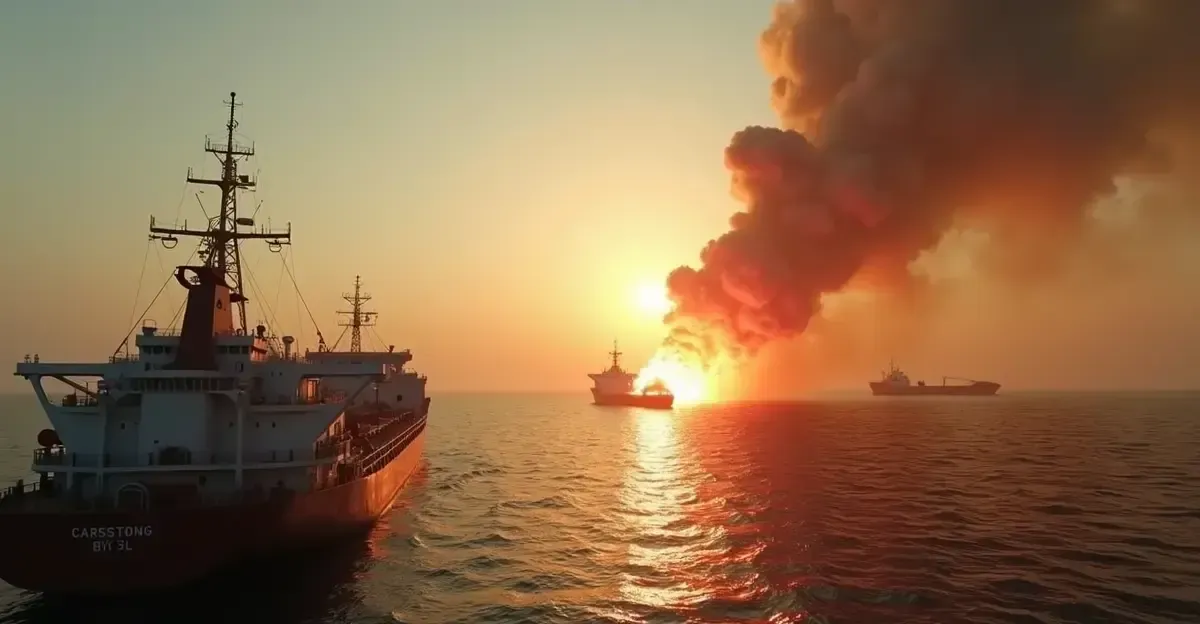
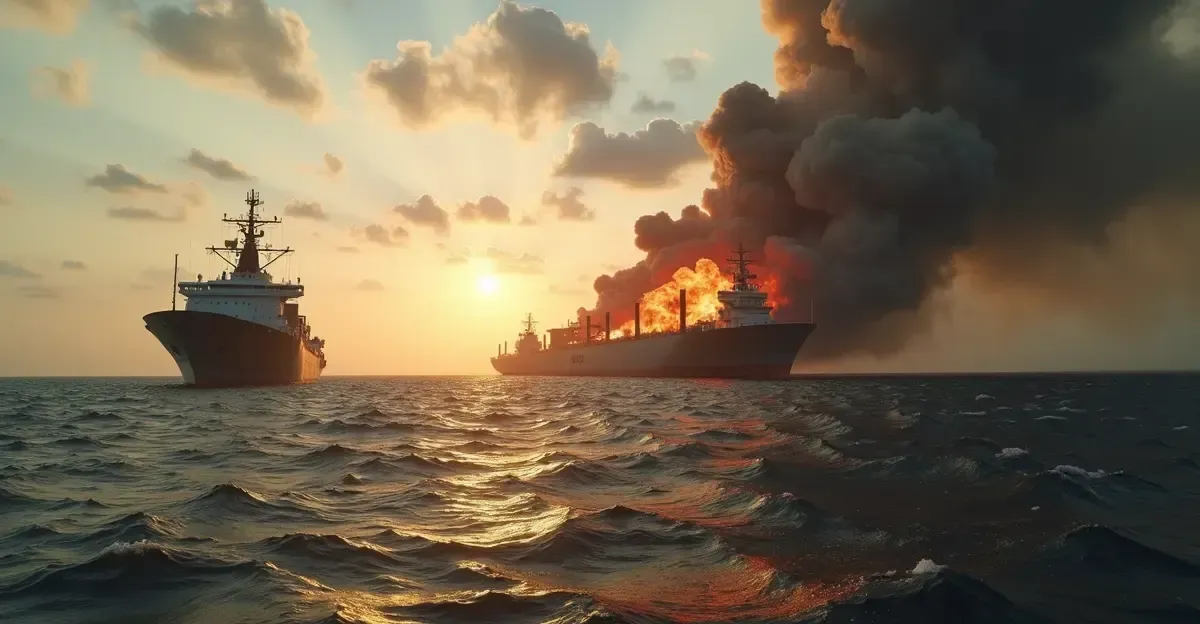
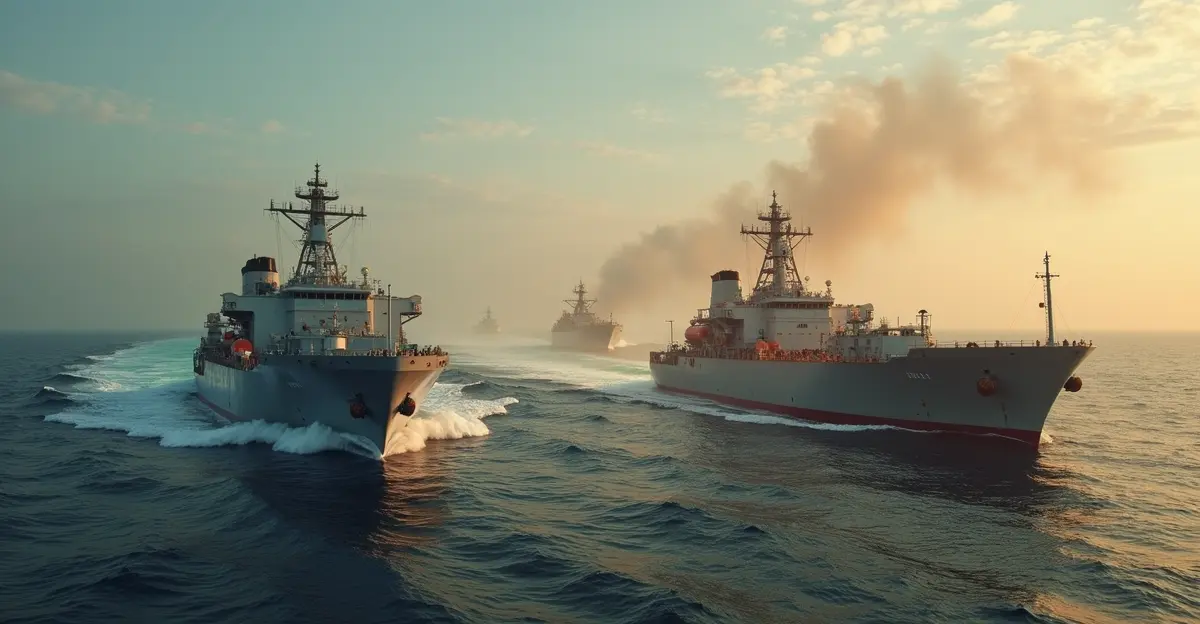
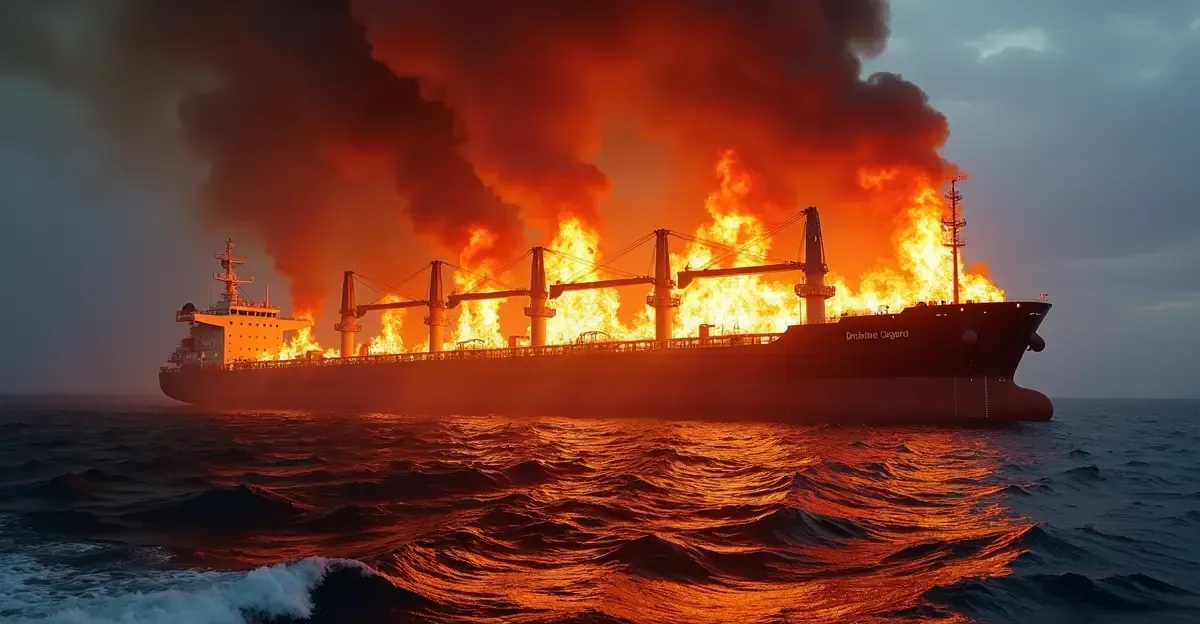
The renewed hostilities have raised fears of a broader regional war. The Strait of Hormuz remains effectively closed to most commercial shipping, driving up global oil prices. Iran has threatened to set fire to any unauthorized vessels attempting to pass, while the US has warned that it will destroy any Iranian boats laying mines in the waterway.
In Iraq, a separate attack targeted the headquarters of the Kurdistan Freedom Party (PAK) in Erbil, wounding eight members. Though no group claimed responsibility, both Iran and Iranian-backed militias have previously attacked Kurdish targets in the region.
"This is not our war, we have not started it," German Defense Minister Boris Pistorius said earlier in the conflict, reflecting the reluctance of many US allies to become directly involved. NATO members including Germany, Spain, Italy, and the UK have declined US requests to help secure the Strait of Hormuz.
FAQ
Why did the US launch airstrikes on Iran on July 19, 2026?
The US carried out retaliatory airstrikes after an Iranian attack on a US military base in Jordan killed two American servicemen and left a third missing. The strikes targeted IRGC units near the Strait of Hormuz.
What is the status of the US-Iran ceasefire?
The interim ceasefire collapsed on July 8, 2026, after Iran allegedly struck commercial ships in the Strait of Hormuz. The US responded with strikes on Iranian territory, and both sides have resumed active hostilities.
How many US troops have died in the 2026 Iran war?
As of July 19, 2026, at least 20 US service members have been killed since the war began on February 28, 2026, according to casualty tracking sources.
What is the Strait of Hormuz and why is it important?
The Strait of Hormuz is a narrow waterway between Iran and Oman through which about 20% of the world's oil passes. Iran closed the strait on February 28, 2026, in retaliation for US-Israeli strikes, triggering a global energy crisis.
Who is Iran's current Supreme Leader?
Mojtaba Khamenei became Supreme Leader after his father, Ali Khamenei, was killed in a US-Israeli airstrike on February 28, 2026. He has since taken a hardline stance against the US.
Follow Discussion