


 Deutsch
 English
 Español
 Français
 Nederlands
 Português


 Share
Share




Strait of Hormuz Crisis Deepens as US and Iran Exchange Strikes
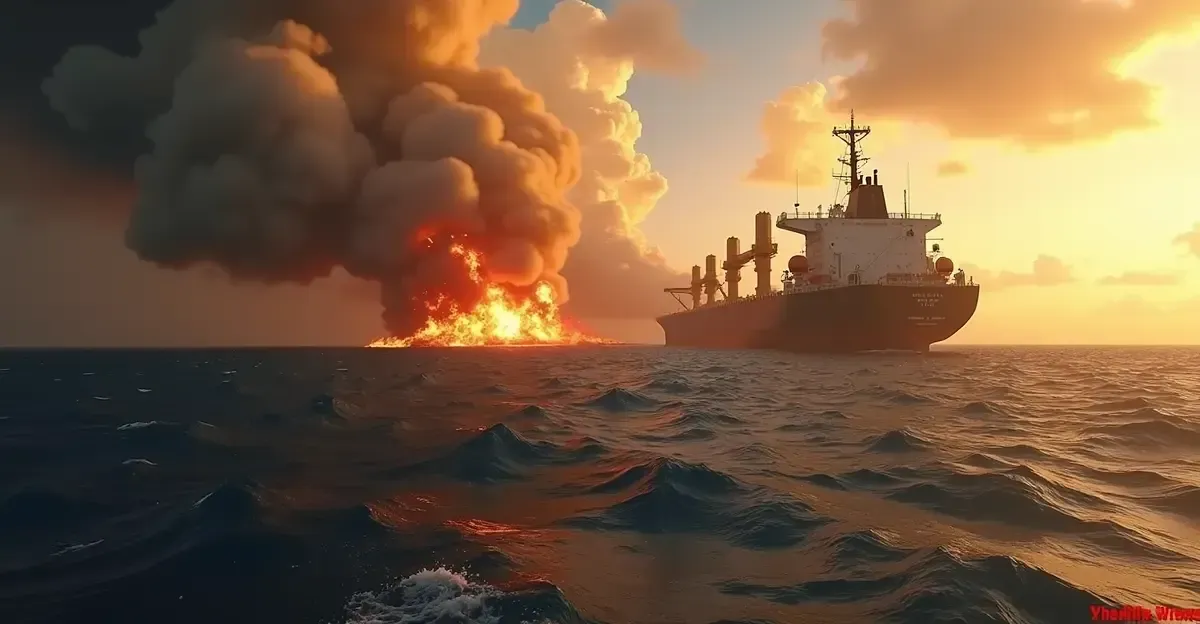
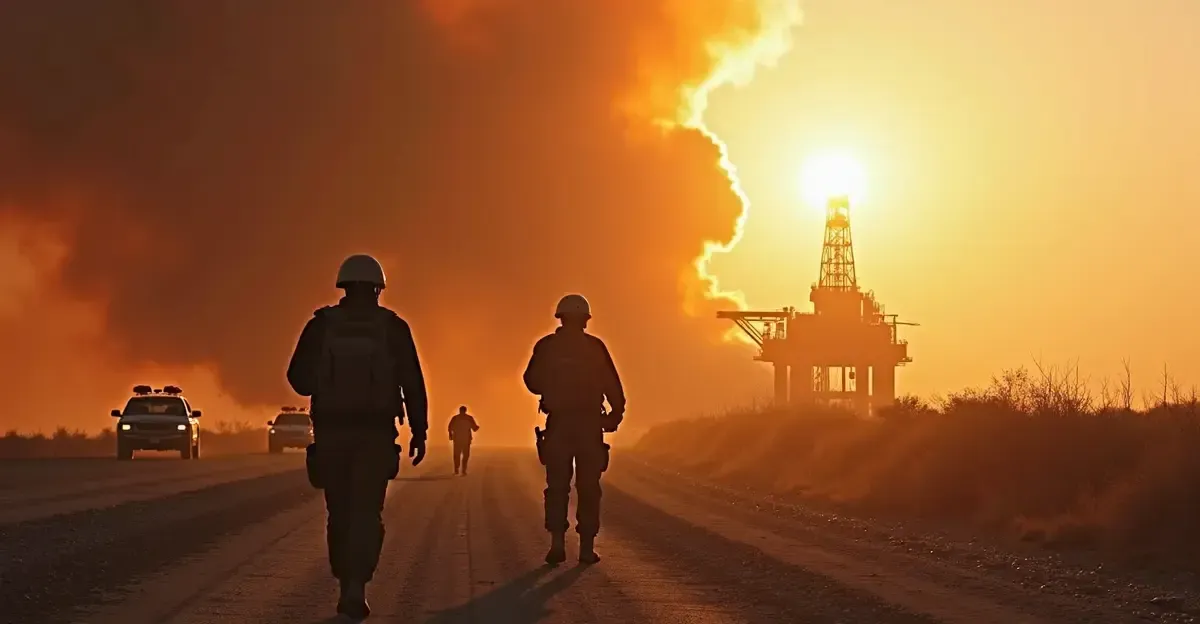
The Strait of Hormuz crisis has escalated dramatically in July 2026, with the United States and Iran engaging in direct military strikes after Tehran declared the strategic waterway closed. The crisis, which has disrupted roughly 20% of the world's oil supply, marks one of the most serious confrontations in the Middle East in decades. On July 11, Iran's Islamic Revolutionary Guard Corps (IRGC) struck a Cyprus-flagged container ship, the M/V GFS Galaxy, damaging its engine room and leaving a civilian crew member missing. The US responded with precision air strikes against over 140 Iranian military installations, including missile launchers, coastal radar networks, and IRGC fast attack craft.
The Strait of Hormuz blockade has sent shockwaves through global energy markets, with Brent crude trading at $76 per barrel, up 5.6% from pre-crisis levels. War-risk insurance premiums for tankers have surged eightfold, reaching approximately $2.5 million for a Very Large Crude Carrier (VLCC).
Background: The Path to Confrontation
The current crisis follows a fragile ceasefire that was brokered in June 2026 after months of tensions. On June 17, 2026, the US and Iran signed a memorandum intended to reopen the Strait of Hormuz and restore normal maritime traffic. However, the agreement quickly unraveled. Iran's new Supreme Leader, Ayatollah Mojtaba Khamenei, who succeeded the late Ayatollah Ali Khamenei after his assassination in a US strike in February 2026, has taken a hardline stance, vowing vengeance and rejecting further negotiations.
The strait, a narrow 21-mile-wide waterway between Iran and Oman, is one of the world's most critical maritime chokepoints. According to the Wikipedia entry on the strait, it carries about 25% of the world's seaborne oil trade and 20% of global liquefied natural gas (LNG) supplies. The waterway has been closed for 133 days as of July 12, with commercial transit at just 39% of pre-crisis volume — only 34 vessels per day compared to the typical 88.
Military Escalation: US and Iran Exchange Fire
US Strikes Target Iranian Military Infrastructure
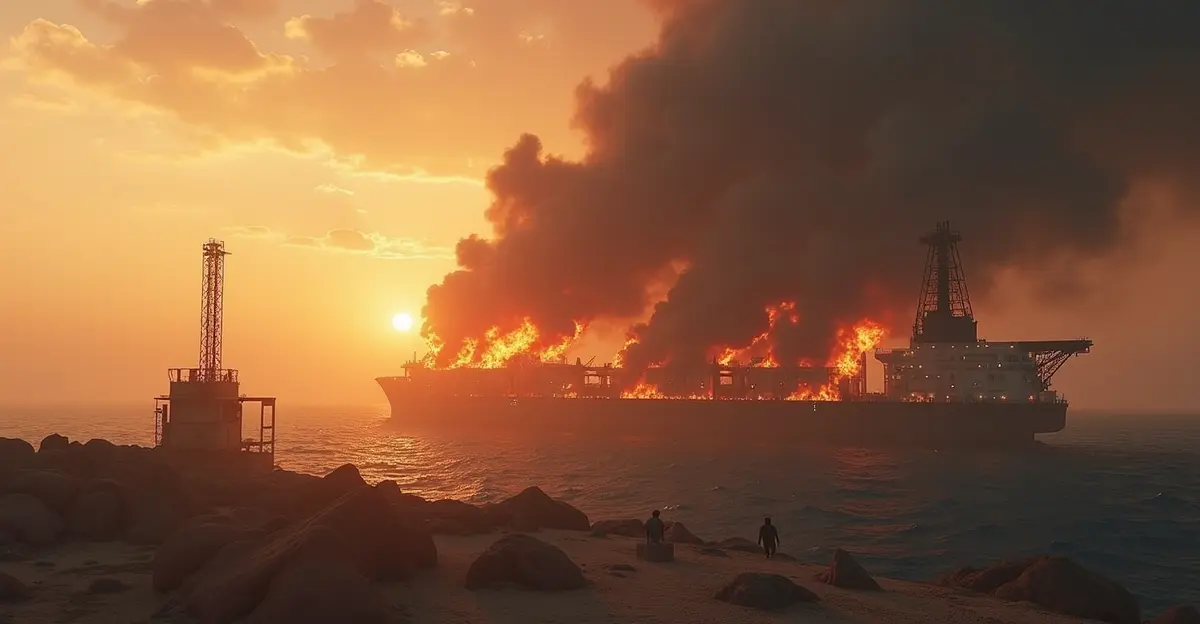
On July 11-12, 2026, US Central Command (CENTCOM) launched massive precision air strikes against Iranian military installations across southern Iran. The operation targeted anti-access/area-denial (A2/AD) infrastructure including long-range anti-ship missile sites, coastal radar networks, air defense systems, command-and-control nodes, and over 60 IRGC fast attack craft. Key hubs in Bandar Abbas, Qeshm Island, and Sirik were struck. The US also rescinded temporary Iranian oil export sanctions waivers, escalating the conflict beyond the diplomatic track into a comprehensive military campaign.
Iran Retaliates with Multi-Front Attacks
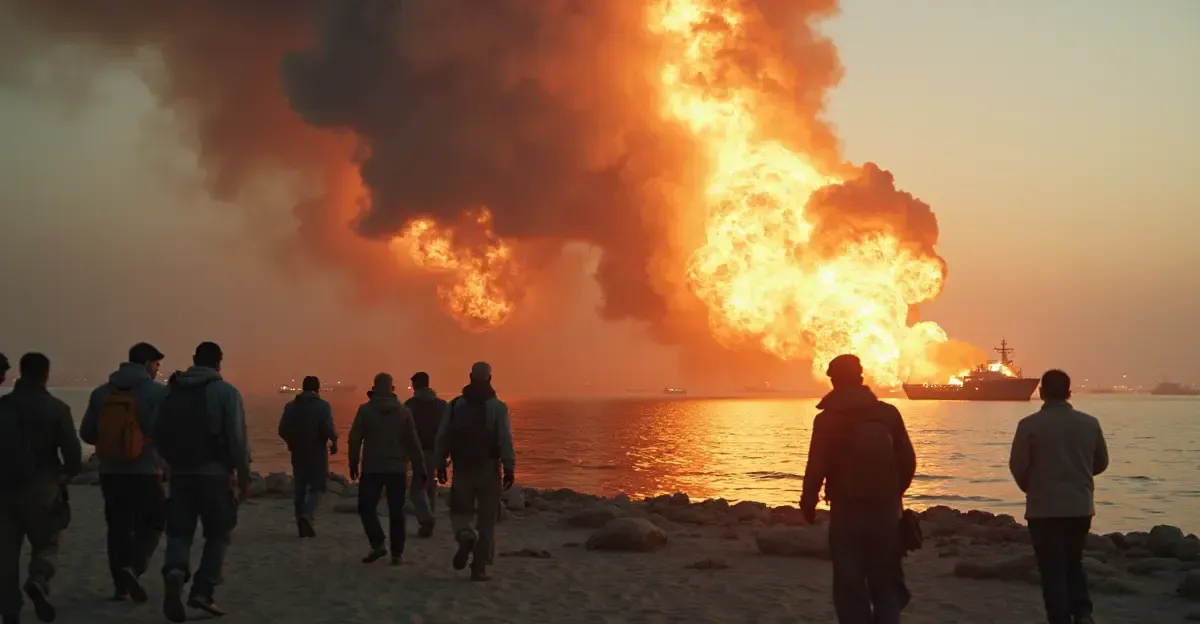
In response, Iran's Revolutionary Guards struck US military sites across Jordan, Kuwait, Oman, and Qatar, claiming to have disabled a second vessel in the strait. The IRGC announced that the Strait of Hormuz will remain closed 'until the end of US interference in this region.' Explosions were reported in the Iranian cities of Bushehr and Asaluyeh as US strikes continued. The 2026 Iran war has drawn in regional powers, with the UAE and Qatar intercepting missile and drone strikes aimed at their territory.
Global Economic Impact
The blockade has sent energy prices soaring globally. Brent crude has risen 5.6% since the crisis began, but analysts warn of further spikes if the strait remains closed. Eight of the nine major container carriers are rerouting via the Cape of Good Hope, adding thousands of miles and significant costs to shipping routes. Over 412,000 twenty-foot equivalent units (TEU) of container cargo are stranded. The crisis is also affecting global food supply chains, as the Persian Gulf region is a major exporter of petrochemicals used in fertilizers.
The global energy crisis 2026 is being compounded by other extreme weather events. A deadly heat dome over the US during the Fourth of July weekend killed at least 44 people, while wildfires in Greece forced evacuations near Thessaloniki, with toxic smoke blanketing the city.
Political Fallout in Washington
The crisis comes amid significant political developments in the United States. Senator Lindsey Graham (R-SC), a prominent Republican voice on national security and a close ally of President Trump, died on July 11, 2026, at age 71 after a brief illness. Graham, who served in the Senate since 2003 and chaired the Judiciary Committee from 2019 to 2021, was a key figure in shaping US foreign policy and defense strategy. His death leaves a void in the Senate's national security leadership at a critical moment.
Meanwhile, President Donald Trump's financial disclosures, released on June 30, revealed he made over $526 million from cryptocurrency sales tied to World Liberty Financial in 2025, raising questions about conflicts of interest as his administration manages the Iran crisis. The Supreme Court's June 30 ruling upholding birthright citizenship in a 6-3 decision also continues to reverberate politically.
What's Next: Prospects for De-escalation
Diplomatic efforts remain stalled. Iran's foreign minister met with Omani officials in Muscat to discuss a proposed two-lane system for the strait, but those talks were disrupted by the July 11 attack. The US has issued an ultimatum demanding Iran declare the strait safe and open, while Iran has vowed 'severe' retaliation against any further US or allied response. The 30-day Escalation Forecast stands at 61 (High), suggesting the crisis is likely to intensify before any resolution is reached.
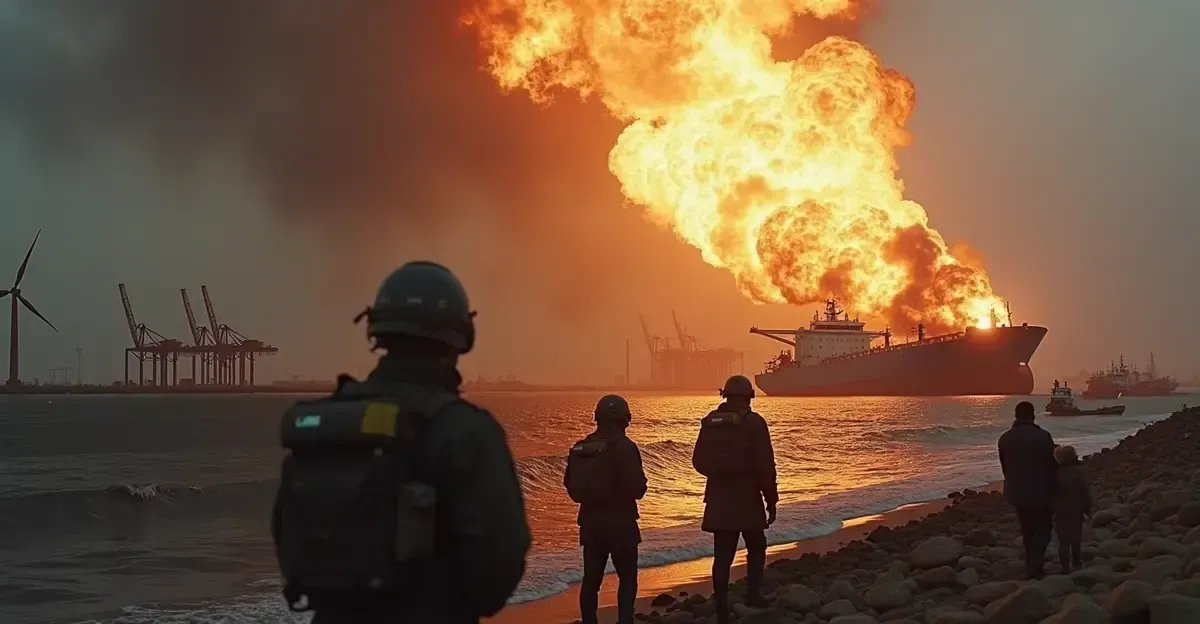
Sixteen tankers are currently running AIS-dark (with their transponders turned off) in an attempt to evade detection, and the Crisis Pressure index remains at 86 (Extreme). The international community is watching closely as the situation threatens to spiral into a broader regional war.
Frequently Asked Questions
What is the Strait of Hormuz and why is it important?
The Strait of Hormuz is a 21-mile-wide waterway connecting the Persian Gulf to the Gulf of Oman. It is one of the world's most strategically important maritime chokepoints, through which approximately 20% of the world's oil and 25% of LNG pass daily. Its closure can cause severe supply shortages and price spikes globally.
Why did Iran close the Strait of Hormuz?
Iran declared the strait closed after striking a container ship, the M/V GFS Galaxy, on July 11, 2026. The IRGC stated the vessel was using an unapproved route. Iran has vowed to keep the strait closed until 'the end of US interference' in the region, following the breakdown of a June 2026 ceasefire agreement.
How has the US responded to the Strait of Hormuz closure?
The US launched massive precision air strikes against over 140 Iranian military targets, including anti-ship missile sites, radar networks, and IRGC fast attack craft. CENTCOM stated the strikes aim to 'degrade Iran's ability to attack civilian mariners.' The US has also rescinded temporary Iranian oil export sanctions waivers.
What is the global economic impact of the crisis?
Brent crude prices have risen 5.6% to $76 per barrel. War-risk insurance premiums for tankers have increased eightfold. Eight of nine major container carriers are rerouting via the Cape of Good Hope, and over 412,000 TEU of cargo is stranded. The crisis threatens global energy supplies and could trigger a recession if prolonged.
Is there any hope for a diplomatic resolution?
Diplomatic efforts are ongoing but stalled. Iran and Oman held crisis talks in Muscat over a proposed two-lane system, but those were disrupted by the July 11 attack. The US has issued an ultimatum, while Iran demands an end to US interference. The 30-day escalation forecast is high, indicating the crisis may worsen before improving.
Sources
- New York Times: 'U.S. Strikes Iran After Iran Fires on Ship in Strait of Hormuz' (July 11, 2026)
- Army Recognition: 'US Strikes Iran Strait of Hormuz July 2026'
- New York Post: 'Iran says Strait of Hormuz is closed after firing on container ship' (July 11, 2026)
- The Guardian: 'US and Iran exchange strikes as Tehran again says strait of Hormuz is closed' (July 12, 2026)
- Straits.live: 'Strait of Hormuz Live Tracker & Monitor' (July 12, 2026)
- Wikipedia: 'Lindsey Graham' and 'Strait of Hormuz'
Follow Discussion