


 Deutsch
 English
 Español
 Français
 Nederlands
 Português


 Share
Share




Iran Strikes Commercial Vessels in Strait of Hormuz Amid Leadership Transition
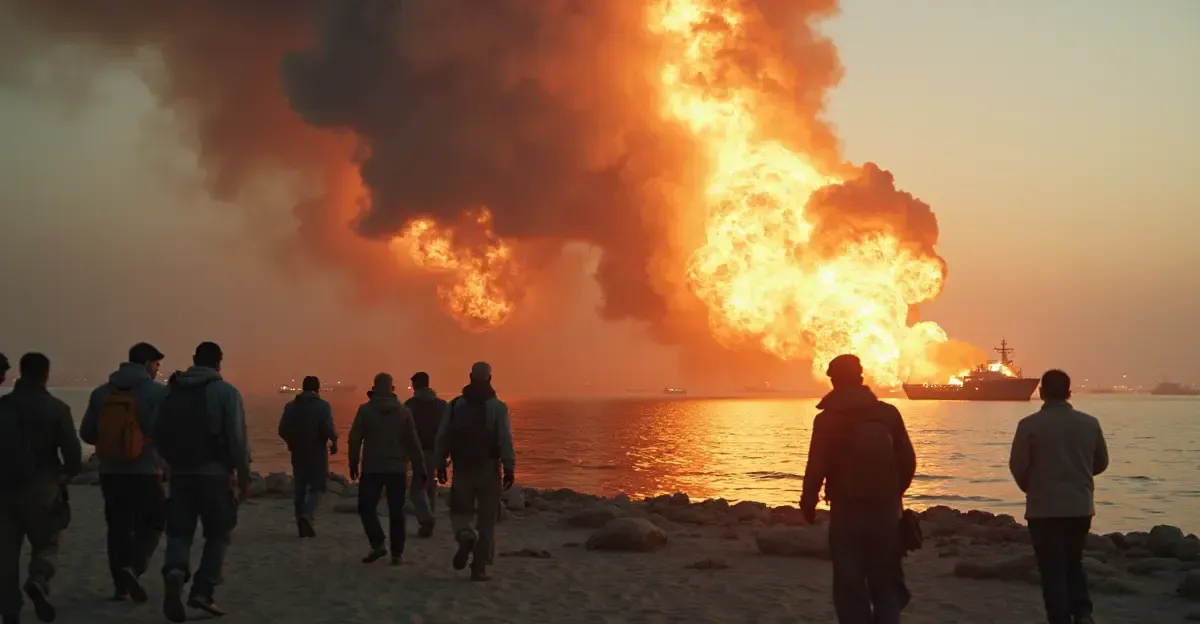
On July 7, 2026, Iranian forces struck three commercial vessels near the Strait of Hormuz, including the Qatari-flagged LNG tanker Al-Rakiyat and the Saudi crude oil supertanker Wedyan, escalating tensions in one of the world's most critical maritime chokepoints. The attacks occurred in Omani territorial waters, hours before US President Donald Trump departed for a NATO summit in Ankara and during Iran's multi-day funeral for slain Supreme Leader Ayatollah Ali Khamenei. Brent crude surged 5.6% to $76.04 per barrel as markets priced in heightened geopolitical risk. The 2026 Iran-US war aftermath continues to destabilize global energy markets.
Background: The Fragile US-Iran Peace Process
The attacks come just weeks after the signing of the Islamabad Memorandum of Understanding (MoU) on June 14, 2026, a 14-point framework agreement brokered by Pakistan that ended the four-month US-Israeli war on Iran. The MoU included a commitment by Iran to ensure safe passage for commercial vessels through the Strait of Hormuz and a US pledge to remove its naval blockade within 30 days. However, the agreement left critical details unresolved, including shipping fees, vessel control procedures, and the status of Iran's nuclear program. The IRGC had previously warned that any new shipping route announced without Tehran's coordination would be considered 'unacceptable and dangerous.'
The Khamenei Funeral and Power Vacuum
The attacks unfolded during Iran's dayslong funeral ceremonies for Supreme Leader Ayatollah Ali Khamenei, who was killed during the war. Millions of mourners filled the streets of Tehran, creating a volatile political environment. The power vacuum at the top of Iran's leadership has emboldened hardline factions within the IRGC, who view the MoU as a capitulation to US demands. Analysts suggest the strikes may have been intended to signal that Iran's military capabilities remain intact despite the leadership transition.
Details of the Attack
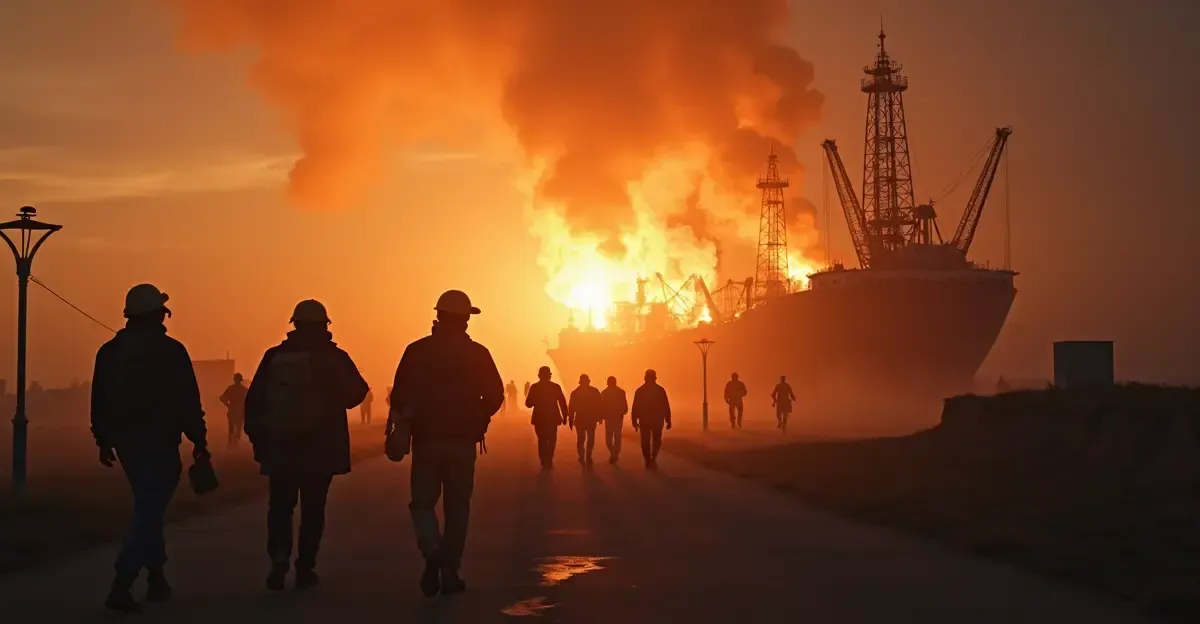
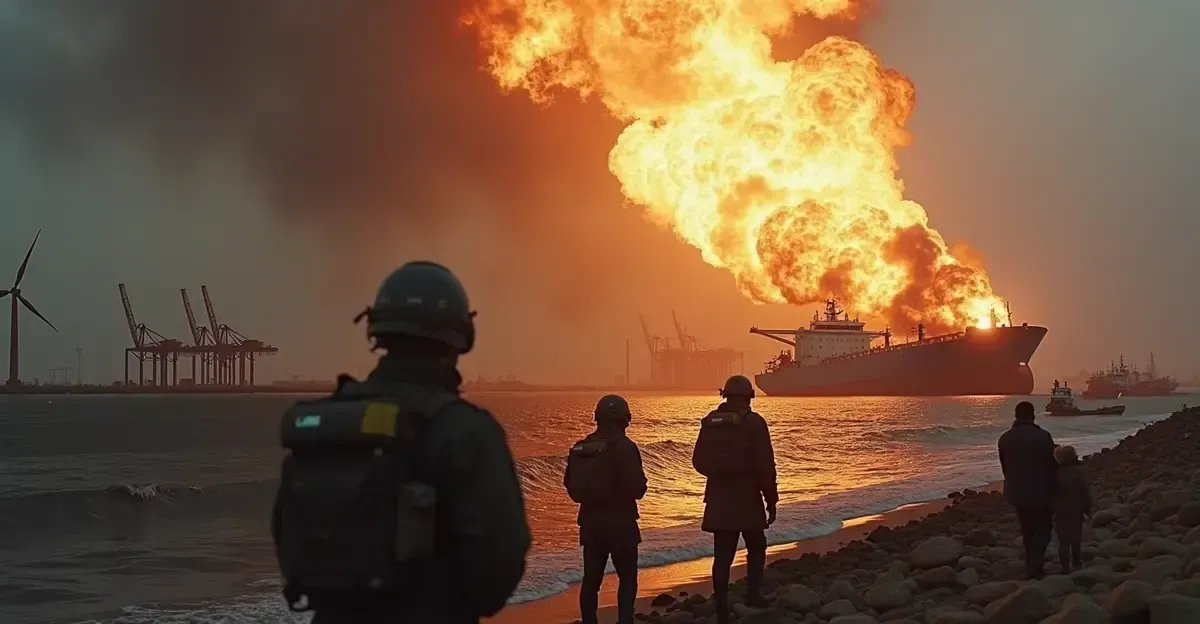
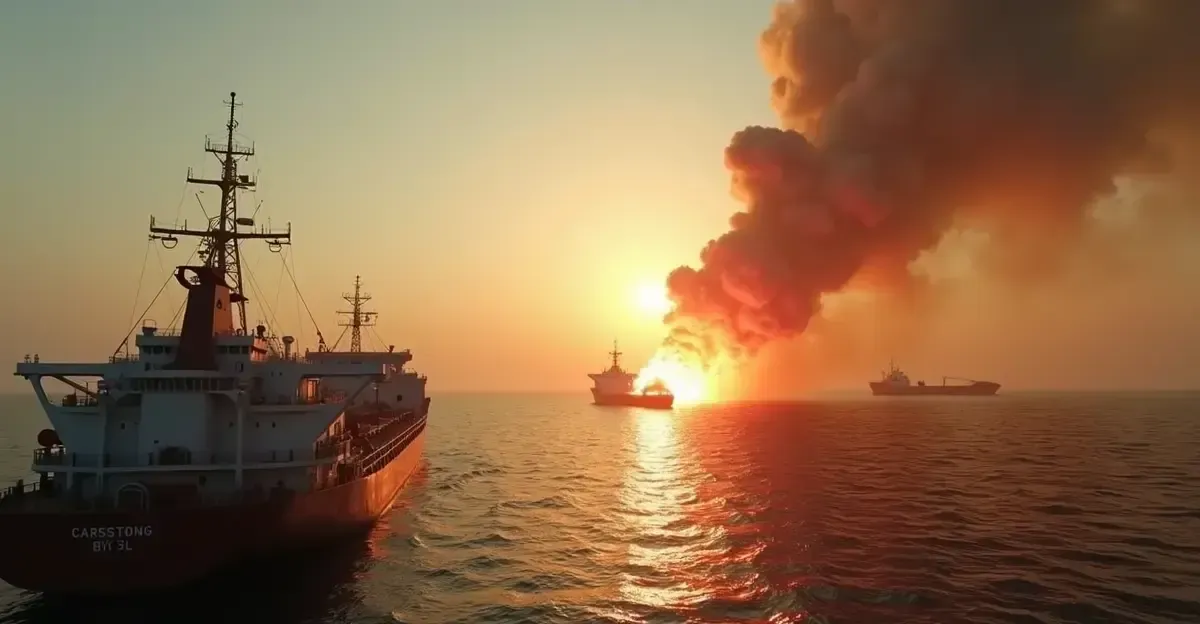
According to the UK Maritime Trade Operations (UKMTO), the attacks involved multiple projectiles striking three vessels in quick succession. The LNG tanker Al-Rakiyat, operated by Qatar's Nakilat, was hit near its engine room and subsequently abandoned by its crew. The Saudi-flagged VLCC supertanker Wedyan sustained damage but remained seaworthy. A third vessel, whose identity has not been confirmed, was also struck. No casualties or environmental damage have been reported. The UKMTO raised its threat level from 'Substantial' to 'Severe,' triggering mandatory operational protocols for all transiting vessels.
Iran's Justification and Legal Claims
Iran's Islamic Revolutionary Guard Corps (IRGC) asserted that the vessels had violated Tehran-designated shipping corridors and failed to communicate on the required channel. The IRGC claims sovereign authority to designate shipping routes in the Strait of Hormuz, a position that conflicts with the UN Convention on the Law of the Sea (UNCLOS) provisions guaranteeing transit passage rights. The attacks specifically targeted the US-promoted southern corridor in Omani waters, deliberately challenging US naval deterrence in the region.
Global Energy Market Reaction
The attacks sent shockwaves through global energy markets. Brent crude settled 3% higher at $74.16 per barrel on the day of the attack, before jumping an additional 5.6% to $76.04 after the US revoked Iran's license to sell oil. WTI crude rose 5.4% to $72.25. Natural gas prices also spiked, as the Strait of Hormuz handles approximately 20% of global LNG trade. The global energy supply chain disruption has reignited fears of a prolonged period of elevated energy costs.
'This is a significant threshold event that shifts insurance and risk calculations for all future transits through the strait,' said a senior maritime security analyst at the International Maritime Organization. 'The targeting of an LNG tanker, in particular, introduces a new dimension of risk that will likely lead to higher premiums and potentially reduced shipping volumes.'
International Condemnation and Diplomatic Fallout
Qatar condemned the strike as a 'grave violation of international law' and summoned the Iranian deputy ambassador. Saudi Arabia also condemned the attacks, stating that Iran bears 'full responsibility' for the escalation. The UN Security Council held an emergency session on July 10, where UN peace affairs chief Rosemary DiCarlo warned of a 'lost continuity of knowledge' regarding Iran's nuclear program since the US-Israeli strikes began in late February. The head of the International Atomic Energy Agency (IAEA) offered to assist both parties with verification of Iran's nuclear activities, a central sticking point in ongoing negotiations.
Implications for the US-Iran MoU and Regional Stability
The attacks represent the most serious challenge to the Islamabad MoU since its signing. The agreement's 60-day timeline for reaching a final deal now appears increasingly uncertain. The US has demanded that Iran publicly guarantee the safety of shipping through the Strait of Hormuz and has threatened to reimpose sanctions if attacks continue. Meanwhile, Iran's hardliners view the MoU as a temporary truce rather than a permanent settlement, and the power vacuum following Khamenei's death may further complicate negotiations.
The Strait of Hormuz blockade risk remains the single greatest threat to global energy security. The UN Conference on Trade and Development (UNCTAD) has warned that a prolonged disruption could trigger a global recession, particularly impacting energy-dependent economies in Asia and Europe. With both sides showing signs of brinkmanship, the coming weeks will be critical in determining whether the fragile peace holds or the region descends into renewed conflict.
FAQ
What happened in the Strait of Hormuz on July 7, 2026?
Iranian forces struck three commercial vessels, including a Qatari LNG tanker and a Saudi crude oil carrier, in Omani territorial waters near the Strait of Hormuz. The attacks occurred amid Iran's funeral for Supreme Leader Khamenei and hours before a NATO summit.
Why did Iran attack these ships?
Iran's IRGC claimed the vessels violated Tehran-designated shipping corridors and failed to communicate on required channels. The attacks also served as a show of force during Iran's leadership transition and challenged US-promoted shipping routes.
How did oil prices react?
Brent crude surged 5.6% to $76.04 per barrel, and WTI rose 5.4% to $72.25. Natural gas prices also spiked due to the strategic importance of the Strait of Hormuz for LNG shipments.
What is the status of the US-Iran peace deal?
The Islamabad MoU, signed June 14, 2026, ended active hostilities and set a 60-day timeline for a final agreement. The attacks have severely tested the fragile truce, with both sides trading accusations.
Could the Strait of Hormuz be blocked?
While a full blockade is unlikely, the risk of further attacks remains elevated. The UKMTO has raised its threat level to 'Severe,' and insurance costs for transiting vessels have increased significantly.

Follow Discussion