


 Deutsch
 English
 Español
 Français
 Nederlands
 Português


 Share
Share




Iran Offers Conditional Deal to Reopen Strategic Waterway
Iran has submitted a new proposal to the United States through Pakistani mediators to reopen the Strait of Hormuz and end the ongoing war, while postponing nuclear negotiations to a later date, according to a report by Axios published April 27, 2026. The Strait of Hormuz — a vital maritime chokepoint through which roughly 20% of the world's oil and 25% of LNG passes — has been effectively closed since the outbreak of the US-Iran war on February 28, 2026, triggering the worst global oil supply disruption in history.
The proposal marks a significant shift in Tehran's diplomatic strategy. Instead of insisting on parallel talks covering both the waterway and its nuclear program, Iran now prioritizes a ceasefire and maritime access as urgent first steps. According to Iranian media, the key demands include the US lifting its naval blockade of Iranian ports, agreeing to a new legal framework for navigation through the strait, and ruling out future military action. In exchange, Iran would cease its disruption of shipping and allow the strait to reopen.
Background: The Strait of Hormuz Crisis
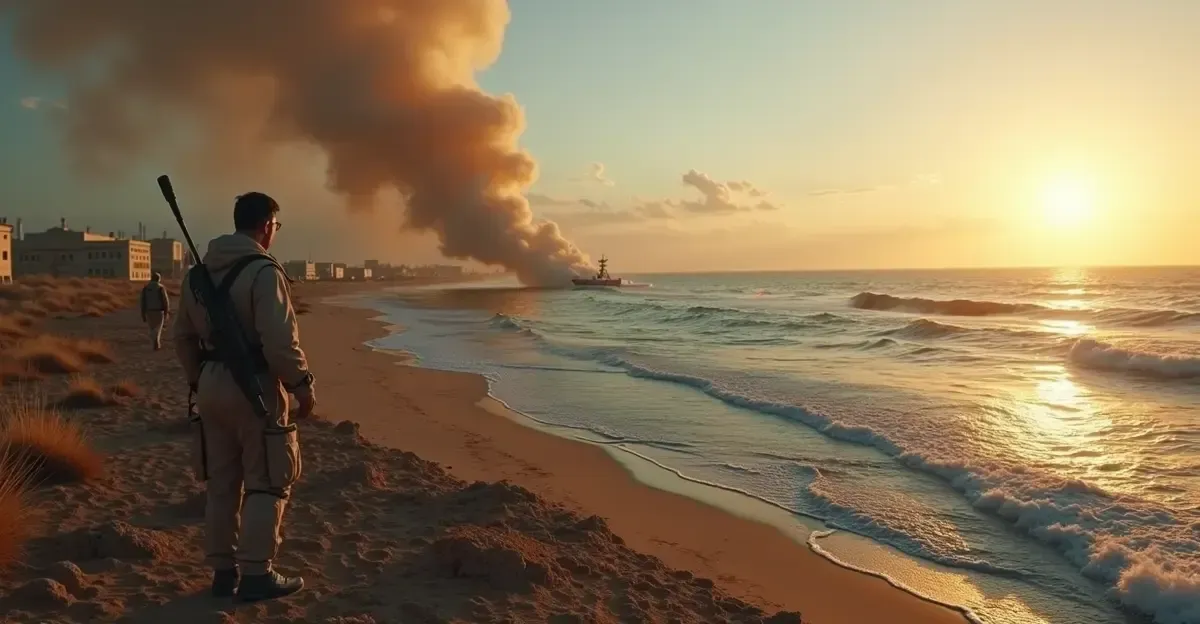
The crisis began on February 28, 2026, when the United States and Israel launched coordinated airstrikes on Iranian nuclear facilities and military targets, killing Supreme Leader Ali Khamenei. Iran retaliated by mining the Strait of Hormuz and attacking vessels, effectively shutting down the waterway. Daily ship transits collapsed from approximately 135 before the conflict to near zero. The US subsequently imposed a naval blockade on Iranian ports on April 13, 2026, further tightening the stranglehold on global energy supplies.
The economic impact has been severe. According to the Federal Reserve Bank of Dallas, the closure — removing nearly 20% of global oil supplies — is three to five times larger than any previous geopolitical oil disruption. WTI crude prices surged past $104 per barrel, and the UN Conference on Trade and Development (UNCTAD) warned that global merchandise trade growth could decelerate from 4.7% in 2025 to between 1.5% and 2.5% in 2026. Developing countries face the heaviest burden, with higher import costs, weaker currencies, and rising borrowing costs threatening a cascading debt crisis affecting 3.4 billion people.
The 2026 Strait of Hormuz crisis has fundamentally reshaped global energy markets and forced major importers, particularly in Asia, to seek alternative suppliers at significantly higher prices.
Key Terms of the Iranian Proposal
According to multiple sources, including Axios, Reuters, and AP News, the proposal delivered via Pakistani intermediaries contains several core elements:
- Ceasefire extension: Iran proposes extending the existing two-week ceasefire (which began April 8 but collapsed on April 11) into a permanent end to hostilities.
- Lifting of US blockade: The US must lift its naval blockade of Iranian ports, allowing Iranian oil exports to resume.
- New legal framework: Both sides would agree to a new international legal regime governing navigation through the Strait of Hormuz.
- No future military action: The US would commit to excluding future military strikes against Iran.
- Nuclear talks postponed: Negotiations over Iran's nuclear program would be deferred until after the strait is reopened and the ceasefire is stabilized.
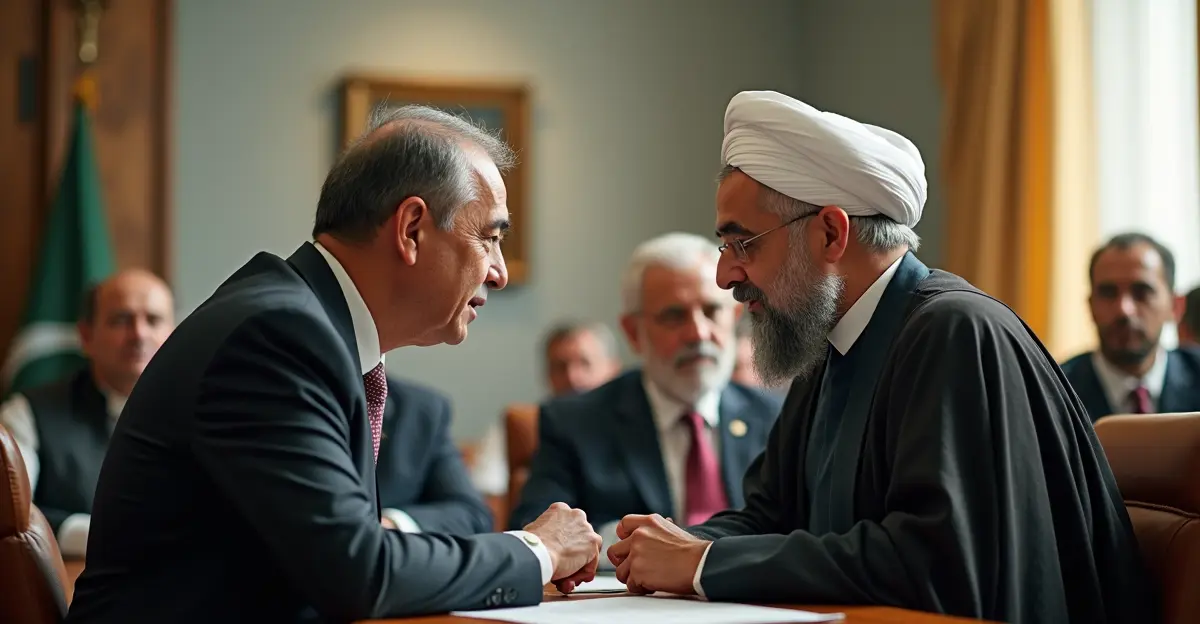
Iranian Foreign Minister Abbas Araghchi reportedly communicated the proposal to Pakistani, Egyptian, Qatari, and Turkish mediators. However, Araghchi also indicated that there is no consensus within Iran's leadership on suspending uranium enrichment — a key US demand.
US Response and White House Position
President Donald Trump acknowledged receiving a fresh proposal from Iran, stating that Tehran had offered 'a lot but not enough' in an interview with Fox News. However, White House spokeswoman Olivia Wales said the administration would not negotiate through the press. Trump is expected to hold a situation room meeting with his national security team to review possible actions.
The White House has maintained that any agreement must prioritize American interests and prevent Iran from developing a nuclear weapon. Trump has also expressed his intention to maintain the blockade of Iranian ports to hinder Iran's oil exports, telling Fox News: 'The US has all the cards in hand.'
Analysts suggest that the US-Iran nuclear negotiations remain a major sticking point. The US insists that any comprehensive deal must address Iran's nuclear program, while Iran now wants to separate the two issues.
Global Market Reaction
Financial markets responded positively to the news of a potential diplomatic breakthrough. Crude oil prices pared gains, and Asian stock markets extended advances on April 27. However, the Dallas Fed projects that if the closure extends to two quarters, oil prices could reach $115 per barrel, and a three-quarter closure could push oil to $132 per barrel.
Leaders from the Gulf region and Europe expect that comprehensive negotiations — including the nuclear dossier — will take at least six months, according to Bloomberg. The immediate focus remains on whether the US will accept Iran's offer to separate the strait reopening from nuclear talks.
Challenges Ahead
Despite the diplomatic opening, significant obstacles remain. The IRGC's dominance in Iranian decision-making and deep mutual distrust between the two nations complicate any agreement. Iran's internal divisions over uranium enrichment and the US insistence on keeping nuclear issues central to any deal create a wide gap between the two sides' positions.
Meanwhile, the humanitarian and economic toll continues to mount. UNCTAD warns that if disruptions persist, the situation could evolve into a cascading crisis with far-reaching consequences, including risks to food security and a wider debt crisis. The global economic impact of the Hormuz closure is already being felt across supply chains and financial markets worldwide.
Frequently Asked Questions
What is the Strait of Hormuz and why is it important?
The Strait of Hormuz is a 104-mile-long waterway connecting the Persian Gulf to the Gulf of Oman. It is the only sea passage from the Persian Gulf to the open ocean and handles about 20% of the world's oil and 25% of LNG shipments, making it the world's most strategically important energy chokepoint.
What is Iran proposing in the new deal?
Iran proposes reopening the Strait of Hormuz and ending the war in exchange for the US lifting its naval blockade of Iranian ports, agreeing to a new legal framework for the strait, and ruling out future military action. Nuclear negotiations would be postponed to a later date.
Has the US responded to Iran's proposal?
President Trump acknowledged receiving the proposal but stated Iran offered 'a lot but not enough.' The White House said it will not negotiate publicly. Trump is meeting with his national security team to discuss next steps.
How has the Strait of Hormuz closure affected oil prices?
Brent crude rose approximately 40% since the war began, reaching $102 per barrel by mid-April 2026. The Dallas Fed projects oil could reach $115-$132 per barrel if the closure persists for two to three quarters.
Who mediated the proposal between Iran and the US?
Pakistan acted as the primary mediator, with Iranian Foreign Minister Abbas Araghchi conveying the proposal through Pakistani officials. Egyptian, Qatari, and Turkish mediators were also involved in the discussions.
Sources
This article is based on reporting from Axios, Associated Press, Reuters, Bloomberg, the Federal Reserve Bank of Dallas, UNCTAD, and Gulf News, as well as information from Wikipedia on the Strait of Hormuz and the 2026 crisis.




Follow Discussion