


 Deutsch
 English
 Español
 Français
 Nederlands
 Português


 Share
Share




What is the US-Iran Nuclear Crisis?
The United States has issued a stark warning to Iran that it would be 'very wise' to reach a nuclear agreement, while simultaneously expanding military presence in the Middle East with two aircraft carrier groups. White House spokesperson Leavitt emphasized that diplomacy remains the preferred path, but confirmed that military options are being actively discussed, with some reports suggesting potential strikes could occur as early as this weekend. This escalating tension comes amid Iran's temporary closure of the strategically vital Strait of Hormuz for military exercises, creating a volatile situation where diplomatic negotiations and military posturing are occurring simultaneously.
Background: The Nuclear Standoff
The current crisis stems from longstanding disputes over Iran's nuclear program, which Western nations suspect is aimed at developing nuclear weapons despite Tehran's consistent denials. The Joint Comprehensive Plan of Action (JCPOA), commonly known as the Iran nuclear deal, collapsed in 2018 when the US withdrew under President Trump. Since then, negotiations have been sporadic, with the latest round occurring in Geneva where both sides reported 'some progress' but acknowledged significant differences remain on key issues including enrichment capabilities and regional proxy support.
US Military Buildup in the Middle East
Dual Aircraft Carrier Deployment
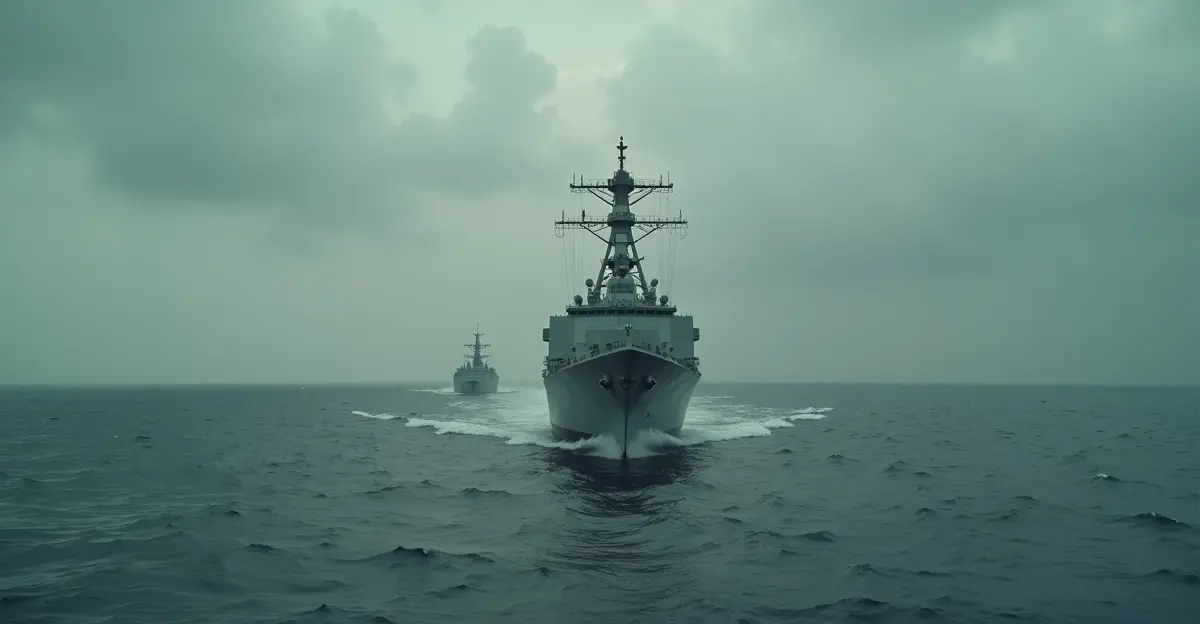
The United States is deploying an unprecedented dual-carrier strike force to the Persian Gulf region. Satellite imagery confirms the USS Abraham Lincoln is already positioned near Iran, while the world's largest aircraft carrier, the USS Gerald R. Ford, is en route to join it. This marks the first time in nearly a year that two US carrier strike groups will operate simultaneously in the CENTCOM area. The Ford's deployment represents a significant extension of its mission, potentially exceeding 300 days at sea and raising concerns about crew fatigue and maintenance delays for this first-in-class vessel.
Military Readiness and Potential Strikes
According to White House sources, national security advisors have informed President Trump that military forces are prepared for potential strikes against Iranian nuclear facilities. While no final decision has been made, discussions about military options are reportedly ongoing. 'Iran would be wise to make a deal with President Trump and his administration,' stated White House spokesperson Leavitt, adding that there are 'many reasons and arguments' for military action but emphasizing diplomatic preference.
Iran's Response: Military Exercises and Strategic Messaging
Strait of Hormuz Closure
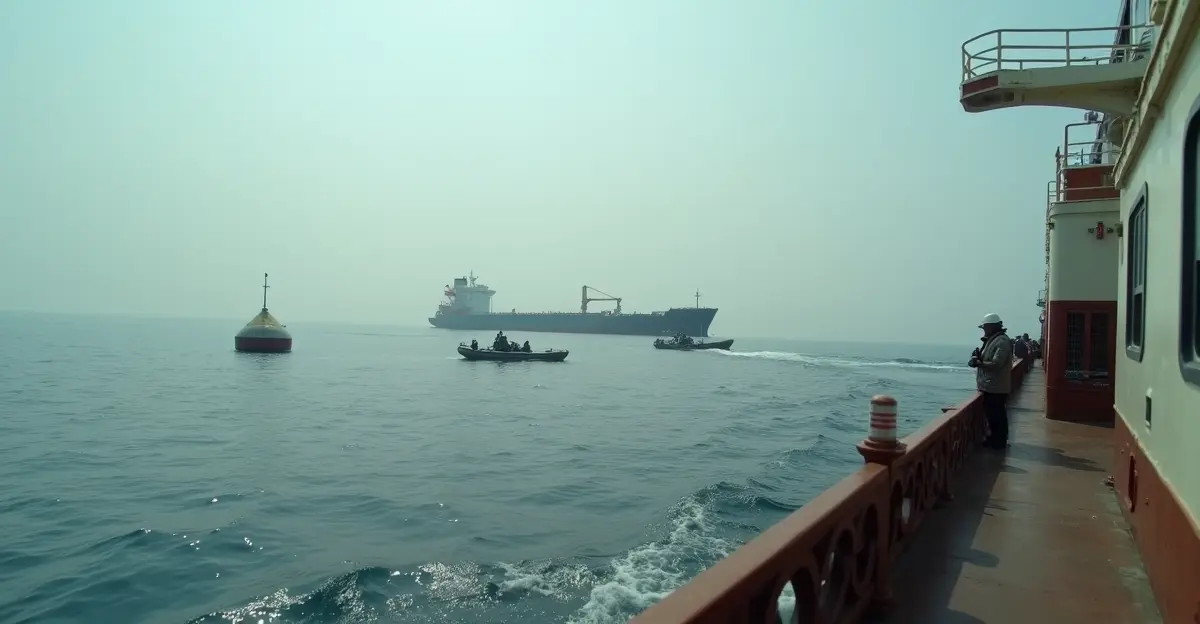
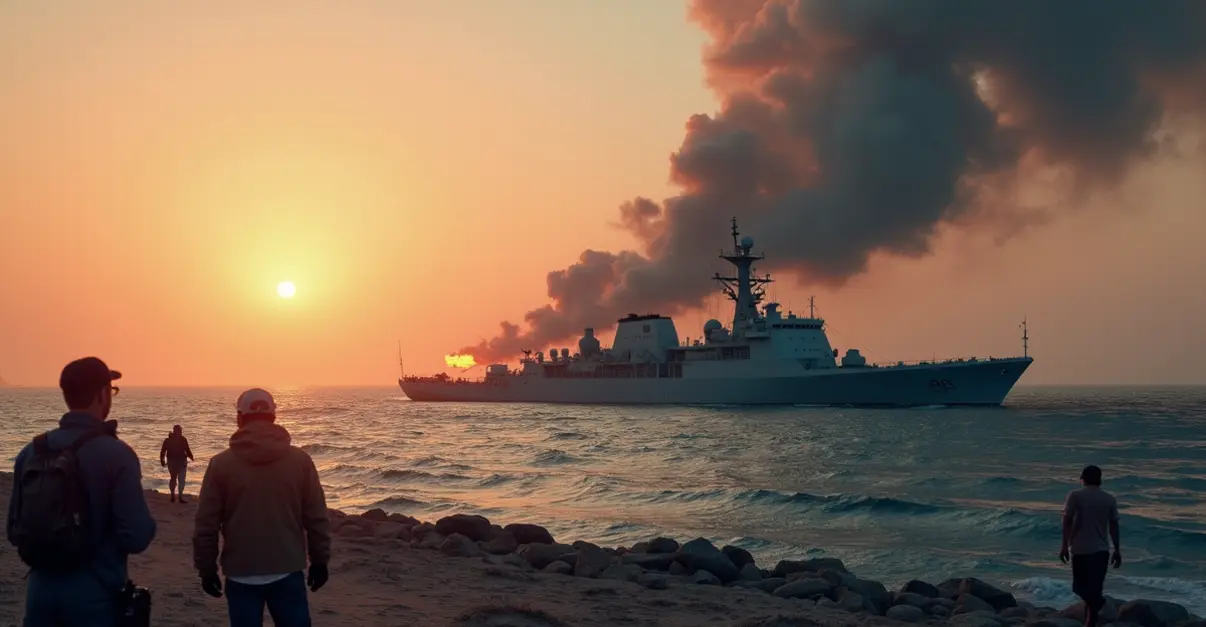
Iran responded to US pressure with its own military demonstration, temporarily closing the Strait of Hormuz on February 17, 2026, for live-fire exercises conducted by the Islamic Revolutionary Guard Corps. This strategic waterway handles approximately 20% of the world's oil shipments, making any disruption potentially catastrophic for global energy markets. The exercises, dubbed 'Smart Control of the Strait of Hormuz,' involved missile launches toward the strait and lasted several hours, marking the first announced closure since US military threats began escalating.
AI-Generated Propaganda and Warnings
In a striking display of psychological warfare, Iran's Supreme Leader Ayatollah Ali Khamenei posted an AI-generated image showing the USS Gerald R. Ford at the bottom of the sea. 'The strongest army in the world might sometimes receive such a slap that it cannot get back on its feet,' Khamenei warned, adding that 'a warship is dangerous, but the weapon that can sink such a ship is even more dangerous.' This messaging coincides with Iran's accusations that the US is trying to predetermine negotiation outcomes, which Khamenei called 'wrong and foolish.'
Regional Implications and Global Impact
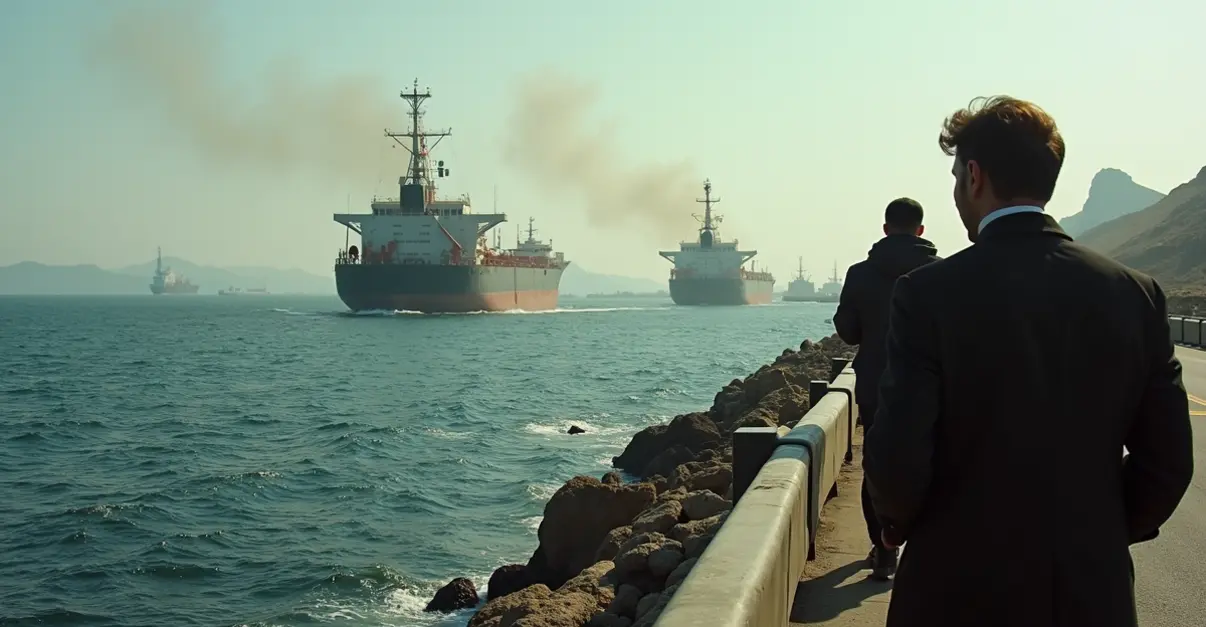
The escalating tensions have significant implications for global security and energy markets. The Strait of Hormuz serves as a critical choke point for oil exports from the Middle East, with about 13 million barrels per day of crude oil transiting through it in 2025, accounting for roughly 31% of global seaborne crude flows. Any prolonged closure could trigger global energy crises and economic instability. Additionally, the situation is complicated by Russia-Iran joint naval drills in the Gulf of Oman, increasing the risk of accidental escalation as multiple naval powers operate in close proximity.
Diplomatic Outlook and Timeline
Despite the military posturing, diplomatic channels remain open. The latest round of talks in Geneva reportedly made progress on 'guiding principles' for a potential agreement, but significant gaps remain on Iran's uranium enrichment levels, ballistic missile program, and support for regional proxies. All US military units in the region are expected to be operational by mid-March 2026, creating a potential deadline for diplomatic resolution before military options become more likely. The situation represents one of the most dangerous Middle East security crises in recent years, with the potential for miscalculation leading to broader regional conflict.
Frequently Asked Questions
What is the Strait of Hormuz and why is it important?
The Strait of Hormuz is a narrow waterway between Oman and Iran that connects the Persian Gulf with the Gulf of Oman and Arabian Sea. It's the world's most important oil transit chokepoint, handling approximately 20% of global oil shipments and 31% of seaborne crude flows.
What military assets has the US deployed to the region?
The US has deployed two aircraft carrier strike groups: the USS Abraham Lincoln (already positioned) and the USS Gerald R. Ford (en route). These carriers are accompanied by guided-missile destroyers and carry dozens of combat aircraft, representing significant naval firepower.
What are the main sticking points in nuclear negotiations?
Key issues include Iran's uranium enrichment levels, monitoring and verification mechanisms, ballistic missile development, and Iran's support for regional proxy groups. The US also seeks limitations on Iran's nuclear research and development activities.
Could military action occur this weekend?
While some media reports suggest potential strikes could occur as early as this weekend, White House officials state no final decision has been made. Military options are being discussed, but diplomacy remains the stated preference.
How are oil markets reacting to the tensions?
Oil prices initially spiked on news of the Strait of Hormuz closure but moderated after the temporary nature became clear. Markets remain sensitive to developments, with analysts warning that prolonged closure could trigger significant price increases.

Follow Discussion