


 Deutsch
 English
 Español
 Français
 Nederlands
 Português


 Share
Share




US Deploys Second Aircraft Carrier to Middle East 2026: Pressure Mounts on Iran
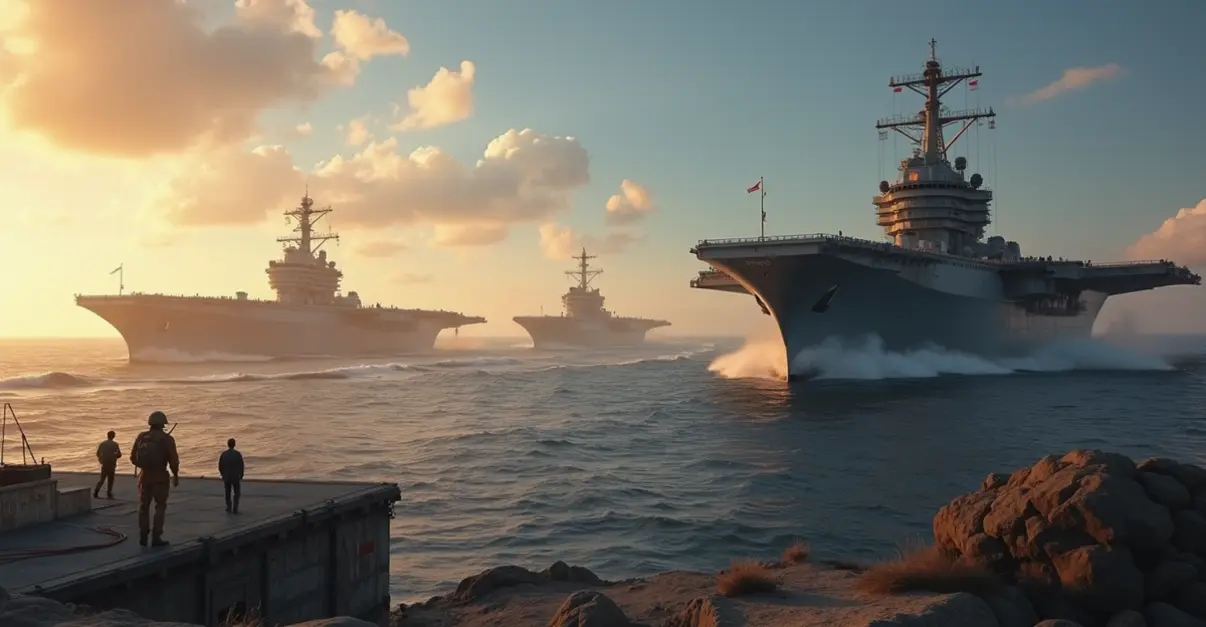
The United States has ordered the world's largest aircraft carrier, the USS Gerald R. Ford, to deploy to the Middle East, marking a significant escalation in military pressure on Iran as nuclear negotiations reach a critical phase. This deployment creates a formidable dual-carrier presence in the region, with the USS Abraham Lincoln already stationed there for more than two weeks.
What is the USS Gerald R. Ford?
The USS Gerald R. Ford (CVN-78) is the lead ship of the Navy's newest class of nuclear-powered aircraft carriers and represents the most advanced naval warfare platform in the world. Commissioned in 2017 and named after the 38th U.S. president, this 100,000-ton behemoth measures 1,106 feet long and carries approximately 75 aircraft, including F/A-18 Super Hornets, EA-18G Growlers, and various support craft. The carrier features revolutionary technology including the Electromagnetic Aircraft Launch System (EMALS) and Advanced Arresting Gear (AAG), which enable faster aircraft launch rates and safer landings compared to traditional steam-powered systems.
Strategic Context: Nuclear Negotiations at Critical Juncture
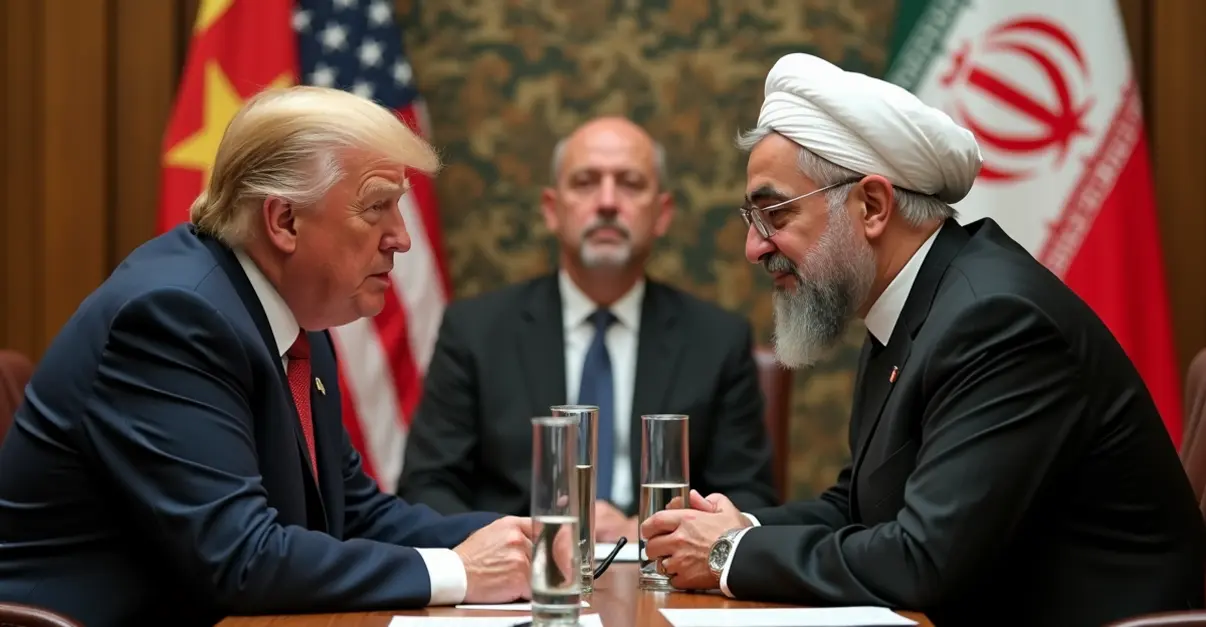
The deployment comes as U.S.-Iran nuclear talks enter a decisive phase. President Donald Trump has given Iran an ultimatum of "about a month" to reach an agreement, stating that failure to do so would be "very traumatic" for Tehran. The negotiations, which resumed last week after previous rounds in 2025, center on Iran's nuclear program, missile development, and regional activities. The U.S. seeks to prevent Iran from developing nuclear weapons, while Iran hopes for relief from crippling economic sanctions that have devastated its economy.
This military buildup follows a pattern of US military pressure tactics in international negotiations. The Trump administration has consistently paired diplomatic efforts with military posturing, creating what experts describe as a "carrot-and-stick" approach to foreign policy.
Military Capabilities: Dual Carrier Strike Groups
Enhanced Regional Presence
With both the USS Gerald R. Ford and USS Abraham Lincoln now positioned in the Middle East, the U.S. maintains unprecedented naval power in the region. Each carrier strike group typically includes:
- 1 aircraft carrier with 75+ aircraft
- 2-3 guided-missile destroyers
- 1 guided-missile cruiser
- 1 attack submarine
- Multiple supply and support vessels
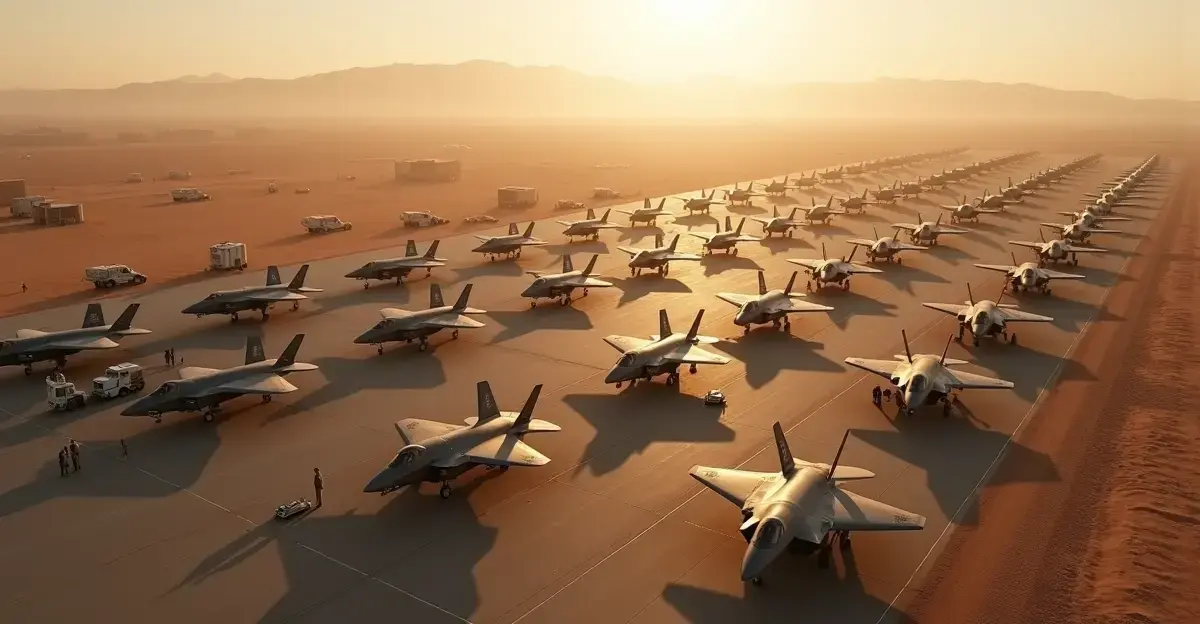
This dual-carrier presence represents a significant escalation from the single carrier deployment that began in late January 2026. The Middle East military buildup now includes additional air, naval, and missile defense forces across strategic locations including the Strait of Hormuz, Red Sea, Mediterranean, and Persian Gulf.
Rapid Deployment Timeline
The USS Gerald R. Ford's deployment marks a rapid operational shift. The carrier was previously stationed in the Caribbean as part of military operations near Venezuela, having moved there in November 2025. Its crew has been at sea since June 2025, facing an unusually long deployment that highlights the Navy's operational tempo amid global tensions.
Political Implications: Trump's Ultimatum Strategy
President Trump has been explicit about his strategy, stating on Wednesday: "Either we make a deal, or we have to do something very tough, like last time." This reference to previous U.S. strikes on Iranian nuclear facilities in June 2025 underscores the seriousness of the current situation. The administration's approach combines:
- Direct military pressure through carrier deployments
- Diplomatic negotiations with clear deadlines
- Public statements emphasizing consequences of failure
- Coordination with regional allies including Israel and Gulf states
The timing is particularly sensitive given Iran's internal situation. The country faces ongoing unrest following a violent crackdown on nationwide protests, with families beginning 40-day mourning ceremonies for those killed. This domestic pressure may influence Tehran's negotiating position.
Regional Reactions and Risks
Iran has responded to the military buildup with warnings of its own. Supreme Leader Ayatollah Ali Khamenei has stated that any U.S. attacks would spark a "regional war" in the Middle East. Meanwhile, Gulf Arab nations have cautioned that any attack could escalate into broader conflict, potentially drawing in multiple regional actors.
The situation represents one of the most significant U.S. military buildups in the region in recent years, blending deterrence, reassurance for allies, and preparation for multiple contingencies. Analysts note that while the deployment serves as pressure for negotiations, it also prepares the U.S. for potential military action should diplomacy fail.
FAQ: US Aircraft Carrier Deployment to Middle East
Why is the US sending a second aircraft carrier to the Middle East?
The deployment aims to increase pressure on Iran during critical nuclear negotiations. President Trump has given Iran approximately one month to reach an agreement, with the military presence serving as both leverage and preparation for potential military action.
What aircraft does the USS Gerald R. Ford carry?
The carrier carries approximately 75 aircraft including F/A-18 Super Hornets, EA-18G Growlers, E-2D Hawkeye surveillance planes, MH-60R/S helicopters, and support craft. It's designed to handle next-generation fighters and unmanned drones.
How long will the carriers remain in the region?
While no official timeline has been announced, the deployment is expected to continue at least through the nuclear negotiation period. The USS Abraham Lincoln has already been in the region for more than two weeks, and the USS Gerald R. Ford's crew has been at sea since June 2025.
What are the risks of this military buildup?
Experts warn of potential miscalculations, accidental engagements, and escalation into broader regional conflict. Iran has conducted live-fire military exercises in the Strait of Hormuz in response, and several incidents have already occurred, including Iranian gunboats attempting to stop a US tanker.
How does this affect nuclear negotiations?
The military pressure is designed to strengthen the U.S. negotiating position, but some analysts worry it could harden Iran's stance. The success of the Iran nuclear deal negotiations will depend on whether both sides can find acceptable compromises amid the heightened military tension.
Follow Discussion