


 Deutsch
 English
 Español
 Français
 Nederlands
 Português


 Share
Share




High-Stakes Diplomacy as Military Buildup Continues
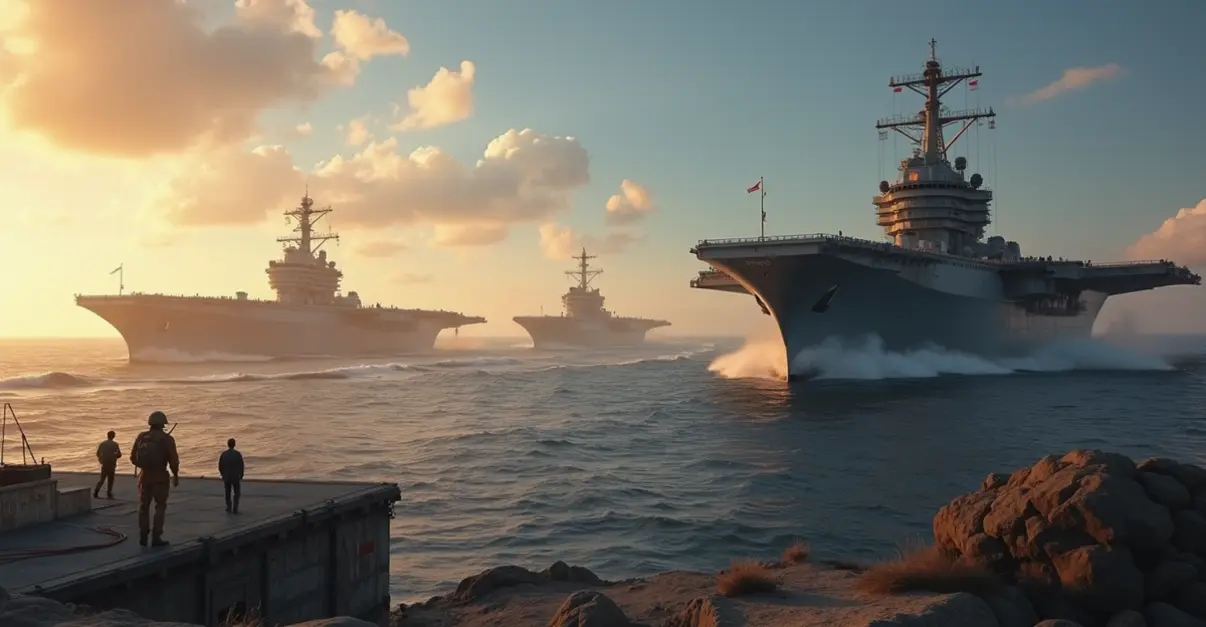
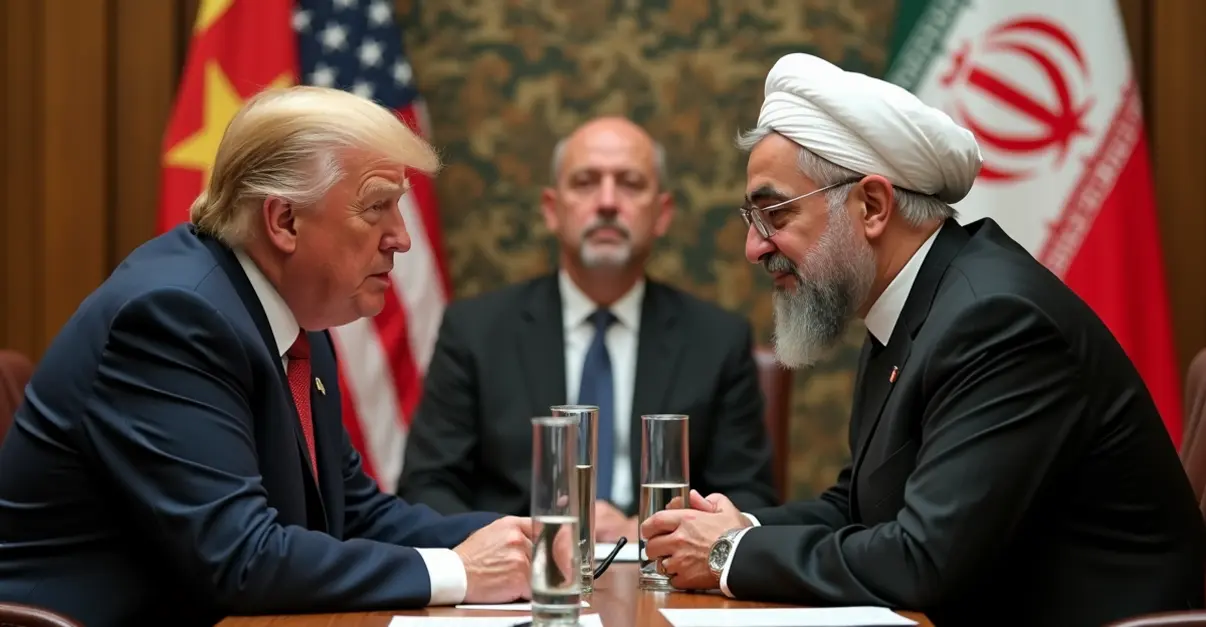
The United States and Iran have agreed to hold crucial nuclear talks in Muscat, Oman on Friday, February 4, 2026, according to diplomatic sources from both nations. The negotiations come amid one of the most significant military buildups in the Middle East in recent years, with the USS Abraham Lincoln aircraft carrier strike group and additional U.S. forces deployed to the region.
Last-Minute Venue Change
The talks nearly collapsed earlier this week when Iran's request to move the venue from Turkey to Oman was initially rejected by U.S. officials. 'There was a real possibility these talks wouldn't happen at all,' said a Western diplomat speaking on condition of anonymity. 'The location change was a major sticking point, but both sides ultimately recognized the urgency of dialogue.'
According to Reuters, Iran specifically requested the Omani venue to limit discussions exclusively to its nuclear program, avoiding expansion to other contentious issues like its ballistic missile program and support for regional proxies.
Proposed Framework for Agreement
Mediators from Qatar, Turkey, and Egypt have reportedly prepared a framework for potential agreement. Al Jazeera reports the proposal includes Iran temporarily halting uranium enrichment and transferring its stockpile of highly enriched uranium to another country. In return, Iran would receive unspecified concessions, though details remain unclear.
'This represents a last-ditch effort to prevent military escalation,' said regional analyst Fatima Al-Mansoori. 'Both sides are playing with fire while trying to appear reasonable.'
Military Tensions at Boiling Point
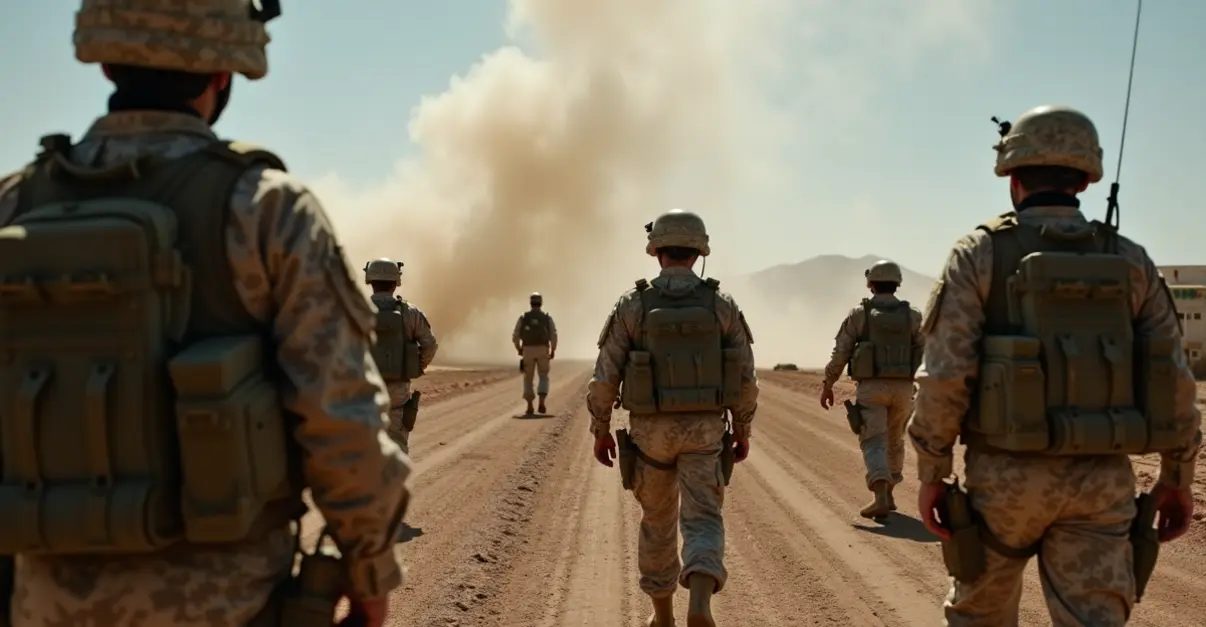
The diplomatic efforts unfold against a backdrop of unprecedented military tensions. The U.S. has deployed what Military.com describes as a 'massive armada' to the region, including the USS Abraham Lincoln carrier strike group, three destroyers, advanced fighter jets, and missile defense systems.
Recent incidents have further escalated tensions. On February 3, a U.S. aircraft carrier shot down an Iranian drone that approached too closely, while Iranian gunboats have attempted to seize U.S.-flagged tankers in the Strait of Hormuz.
Domestic Unrest Complicates Negotiations
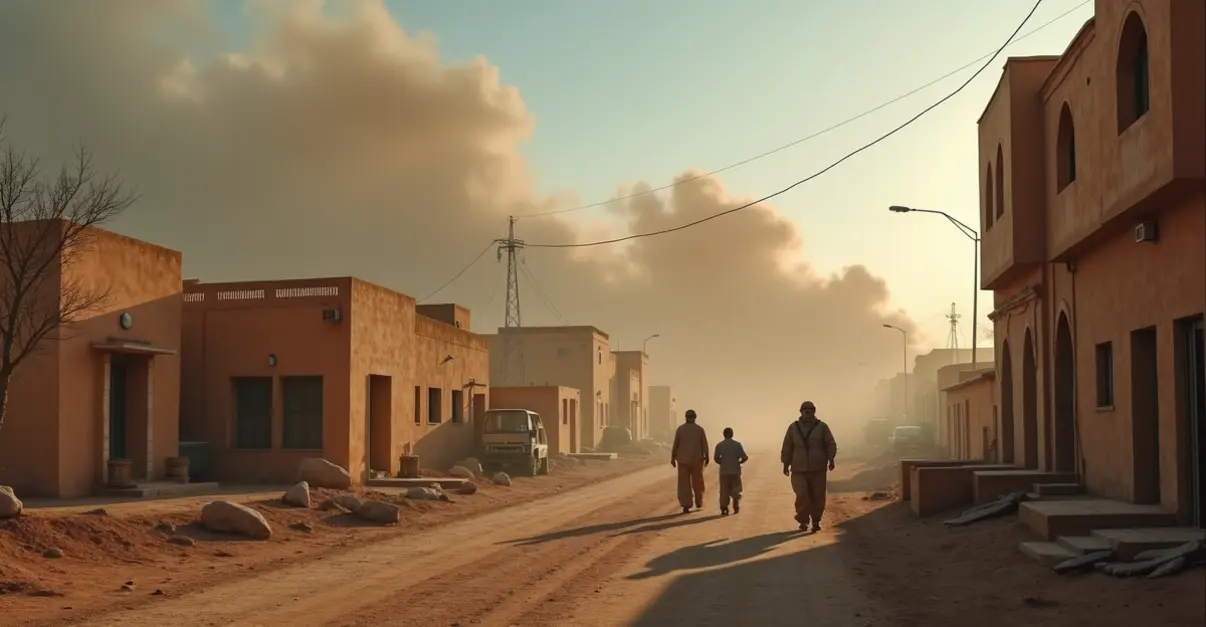
Iran's negotiating position is complicated by severe domestic unrest. According to Human Rights Watch, Iranian authorities have executed over 2,000 people in 2025 - the highest number since the late 1980s - and security forces have killed thousands of protesters in early 2026 crackdowns.
'The regime is fighting for survival on multiple fronts,' noted Tehran-based political commentator Reza Karimi. 'They need sanctions relief to address economic collapse, but they're also brutally suppressing dissent at home.'
Historical Context and Stakes
The talks represent the first direct U.S.-Iran nuclear negotiations since the collapse of the Joint Comprehensive Plan of Action (JCPOA). As detailed on Wikipedia, the 2015 nuclear deal limited Iran's nuclear program in exchange for sanctions relief, but the U.S. withdrew in 2018 under President Trump's 'maximum pressure' campaign.
Iran officially terminated the agreement in October 2025 following the June 2025 Iran-Israel war, leaving no formal constraints on its nuclear activities.
What's at Stake
The outcome of Friday's talks could determine whether the region slides toward conflict or finds a diplomatic path forward. With both sides maintaining military readiness while engaging in dialogue, the world watches anxiously as diplomats attempt to bridge seemingly irreconcilable positions.
'This is diplomacy under the shadow of war,' concluded former U.S. diplomat James Wilkinson. 'The alternative to successful talks is almost certainly military confrontation with catastrophic regional consequences.'

Follow Discussion