Deutsch
 English
 Español
 Français
 Nederlands
 Português






Another Rail Accident Shakes Spain's Transport System
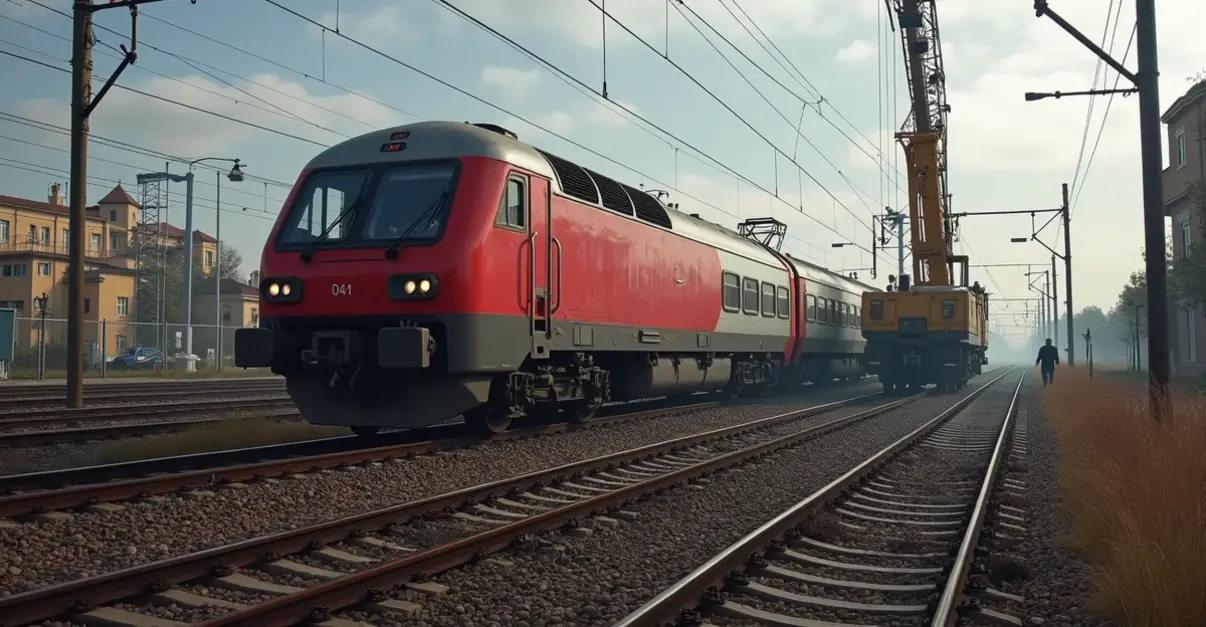
Spain's railway network has been rocked by yet another serious incident, marking the third train accident in just one week. On January 22, 2026, a passenger train collided with a construction crane near the port city of Cartagena in southeastern Spain's Murcia region, leaving one person seriously injured and several others with minor injuries.
The accident occurred on the Cartagena-Los Nietos regional line in the Alumbres area when a crane that was not part of railway operations intruded into the track's safety zone. According to Spanish rail infrastructure manager Adif, 'traffic was interrupted due to the intrusion into the infrastructure gauge by a crane not belonging to the railway operation.'
Details of the Cartagena Incident
Emergency services confirmed that the train did not derail or overturn, but the collision caused significant damage with smashed windows. Spanish media reported one seriously injured victim and multiple minor injuries. A spokesperson for emergency services told Reuters that 'the train did not overturn and also did not derail.'
This latest incident follows two other devastating rail accidents earlier in the week. On Sunday, January 18, two high-speed trains collided in Andalusia, resulting in 43 fatalities - Spain's deadliest train crash in over a decade. Then on Tuesday, January 20, a commuter train accident near Barcelona claimed the life of a trainee driver and injured at least 37 people.
Growing Safety Concerns and Union Response
The series of accidents has sparked widespread concern about railway safety across Spain. Train drivers are questioning the safety of the rail network, and the main drivers' union, SEMAF, has called for a nationwide strike scheduled for February 9-11. 'We cannot continue working under these conditions,' said union representative Miguel Ángel García. 'The constant deterioration of the railway system has reached a critical point.'
Spanish Transport Minister Oscar Puente acknowledged the drivers' emotional state but expressed hope that talks could prevent the strike. Authorities have already implemented temporary speed limits on key routes and suspended Catalonia's commuter network for safety checks.
Local Concerns and Investigation
Residents along the Cartagena-Los Nietos line have long complained about inadequate safety measures, including poor signage and regulation. An investigation is now underway to determine responsibility for the crane's improper positioning near the active rail line.
The Cartagena incident involved a regional metric-gauge train, different from the high-speed AVE trains involved in Sunday's tragedy. Spain's railway system, operated by Renfe with infrastructure managed by Adif, is Europe's second-largest high-speed network after France.
As Spain grapples with this unprecedented series of rail accidents, questions are mounting about maintenance protocols, safety oversight, and whether these incidents represent isolated failures or systemic problems within the country's transportation infrastructure.