Nederlands
 English
 Deutsch
 Français
 Español
 Português





Diplomatic Breakthrough Amid Military Buildup
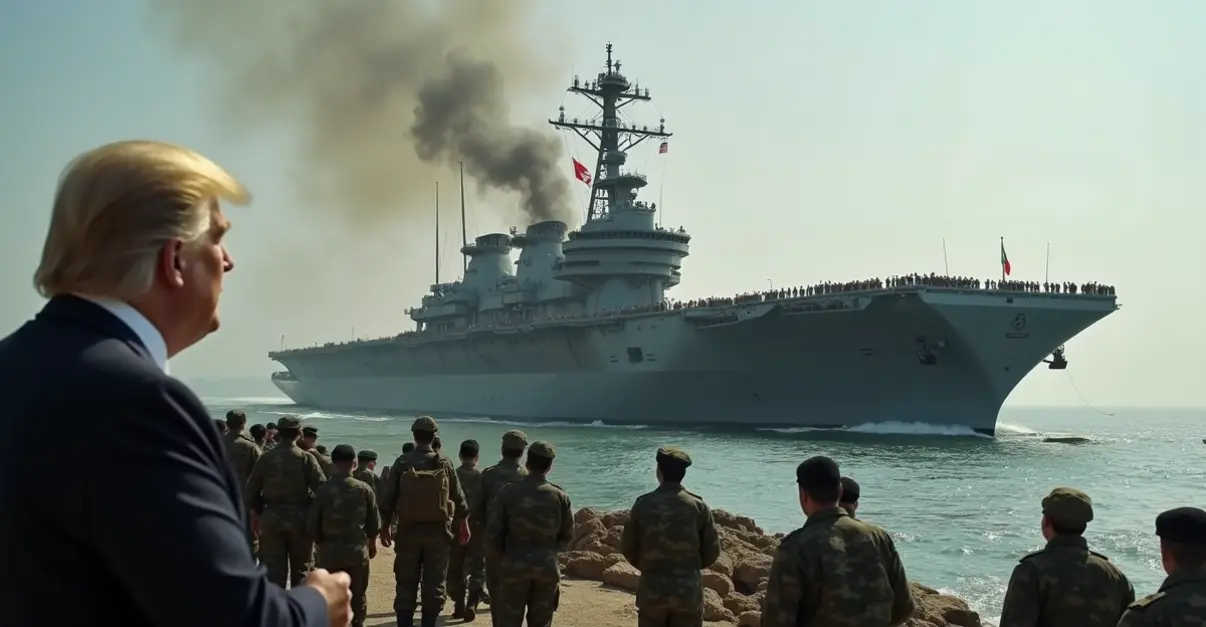
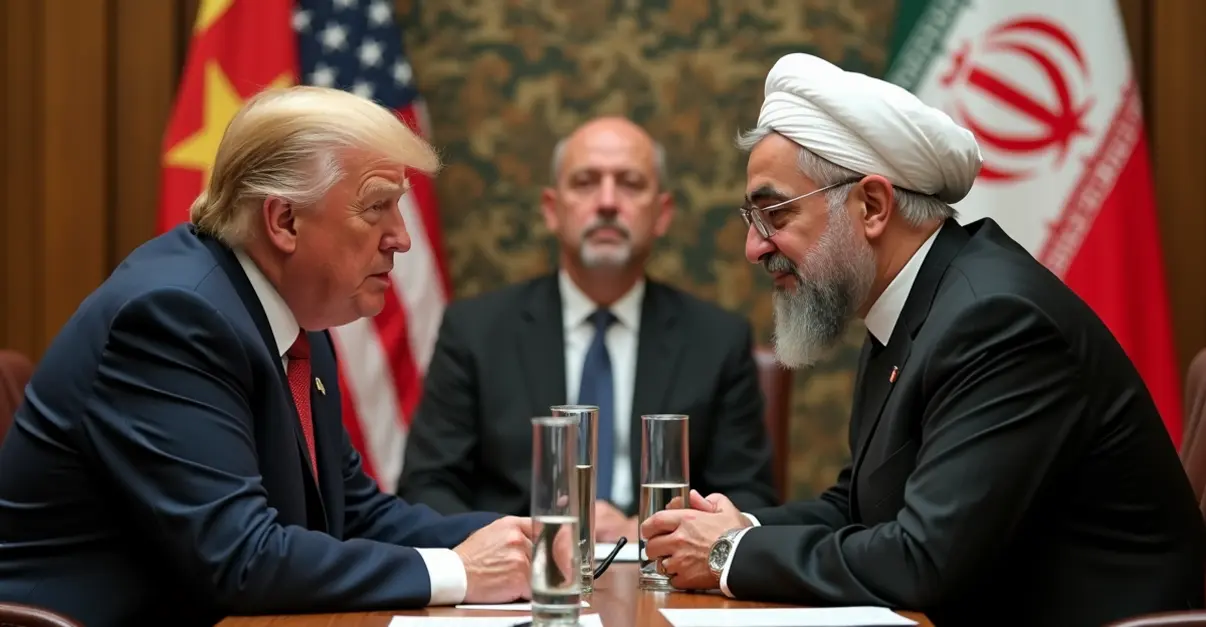
In a significant diplomatic development, the United States and Iran have agreed to hold direct talks this week in Istanbul, Turkey, marking the first high-level engagement between the two adversaries in years. The negotiations come amid escalating military tensions that have brought the region to the brink of conflict, with ten US warships including the USS Abraham Lincoln aircraft carrier currently positioned near Iranian waters.
Key Players and Agenda
The US delegation will be led by Middle East envoy Steve Witkoff and includes Jared Kushner, former President Donald Trump's son-in-law and senior adviser. On the Iranian side, Foreign Minister Abbas Araghchi will represent Tehran, with President Masoud Pezeshkian instructing him to pursue 'fair and equitable negotiations guided by principles of dignity, prudence, and efficiency' according to a statement on X.
Regional mediators from Turkey, Qatar, and Egypt are expected to facilitate the discussions, which are scheduled to begin on Friday. The talks represent a dramatic shift from just weeks ago when both sides were exchanging military threats and warnings of regional war.
Three Core Demands and Iranian Resistance
According to sources speaking to Reuters, the US has presented three non-negotiable demands: complete cessation of uranium enrichment, limitations on Iran's ballistic missile program, and ending support for regional militant groups. While Iran has shown some flexibility on nuclear issues, the missile program and regional alliances remain major sticking points.
'Iran would be willing to limit its nuclear program, but not to stop it entirely,' one diplomatic source revealed, highlighting the complex bargaining ahead.
Military Context and Regional Concerns
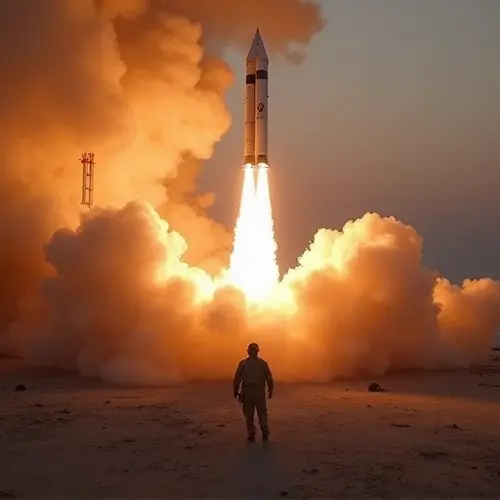
The diplomatic initiative unfolds against a backdrop of unprecedented military buildup. The US has deployed what military analysts describe as a 'massive armada' to the region, including advanced fighter jets, reconnaissance aircraft, and missile defense systems. This follows President Trump's June 2025 order to bomb three Iranian nuclear facilities during the Iran-Israel conflict, an operation that reportedly set back Tehran's nuclear program by two years.
Supreme Leader Ayatollah Ali Khamenei recently warned that 'the Iranian nation will deliver a strong blow to anyone who attacks them,' while simultaneously giving tacit approval for the diplomatic track.
Regional Pressure and Domestic Calculations
President Pezeshkian acknowledged that the decision to engage came after 'requests from friendly governments in the region,' suggesting pressure from neighboring states concerned about potential conflict. The Iranian regime also faces internal challenges, with human rights organizations reporting over 6,000 deaths during recent protests and growing public discontent.
President Trump confirmed the talks while maintaining his characteristic tough stance: 'If we can work it out, that would be great. If not, then probably bad things will happen.' He emphasized that the 'biggest and best ships' remain en route to the region as negotiations proceed.
Historical Context and Future Prospects
The US-Iran relationship has been strained since the 1979 Iranian Revolution, with brief periods of engagement under the 2015 nuclear deal that Trump abandoned in 2018. The current talks represent perhaps the most significant diplomatic opportunity since then, though experts caution that bridging decades of mistrust will require substantial compromise from both sides.
As diplomats prepare for what could be a marathon negotiating session in Istanbul, the world watches to see whether dialogue can prevail over military confrontation in one of the world's most volatile regions.