Nederlands
 English
 Deutsch
 Français
 Español
 Português





Military Buildup and Nuclear Ultimatums Heighten Middle East Crisis
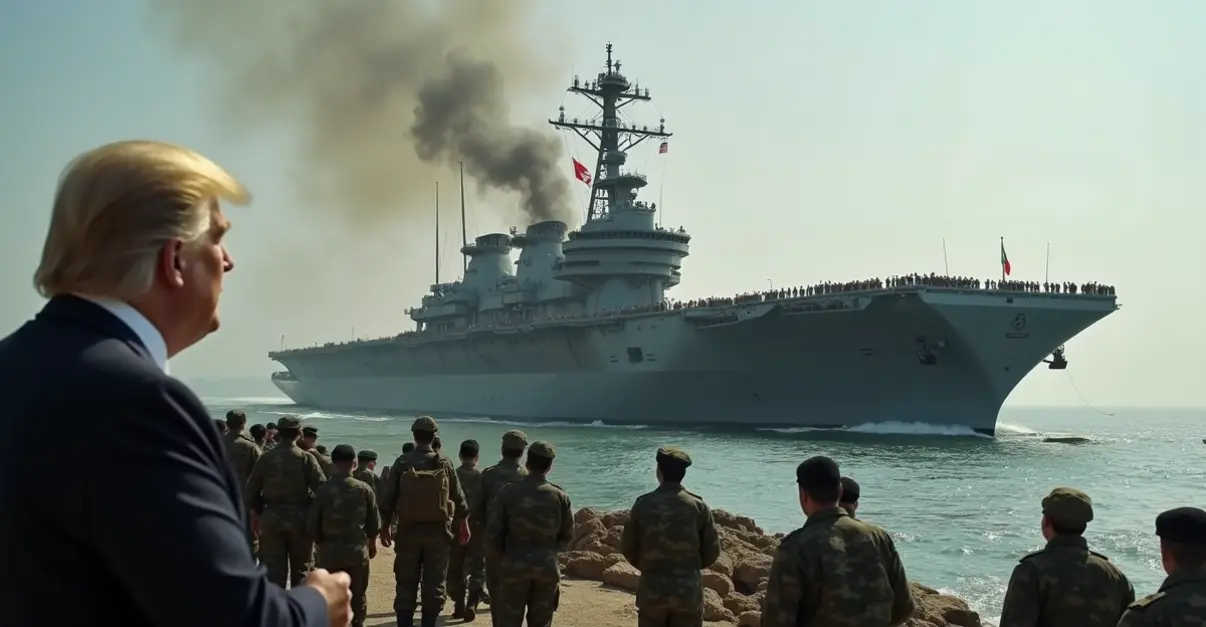
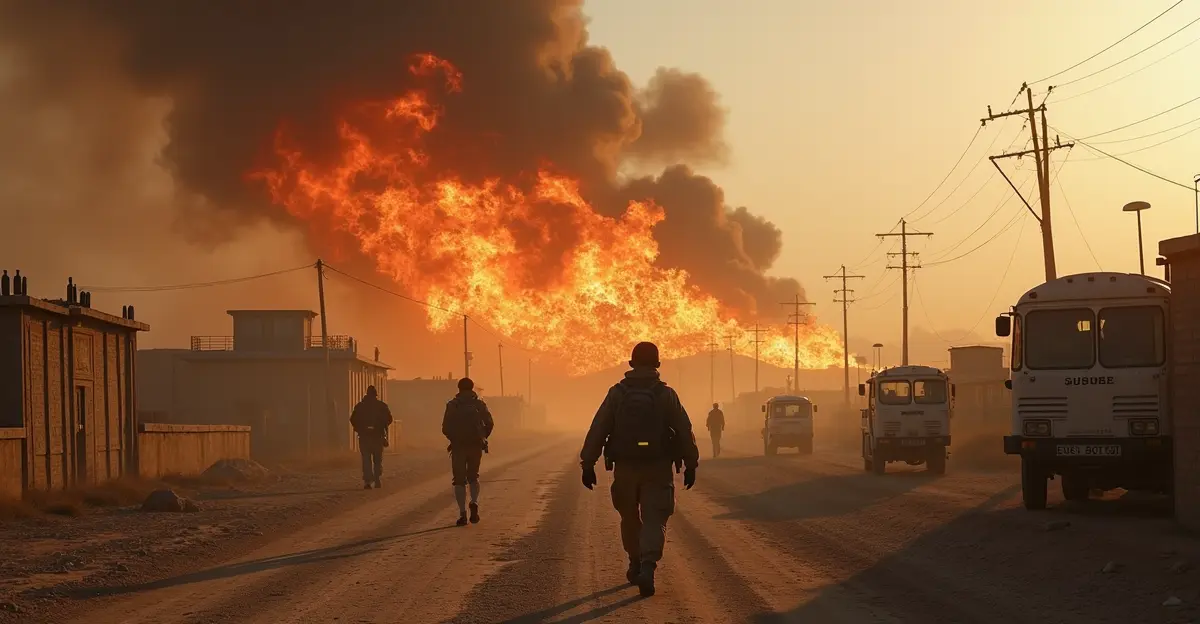
The Middle East stands on the brink of a major conflict as tensions between Iran and the United States reach their highest point in years. President Donald Trump has issued a stark nuclear ultimatum to Tehran, warning that 'the time is running out' for a new nuclear agreement and threatening military action if Iran doesn't comply. This comes as the US has deployed its largest military force to the region since striking Iranian nuclear facilities in June 2025, including the USS Abraham Lincoln carrier strike group and additional F-15E strike fighters to bases in Jordan.
Visible Military Preparations and Regional Anxiety
Satellite imagery and open-source intelligence reveal significant US military movements across the Middle East. According to regional analysts, the US has positioned approximately 40,000-50,000 troops across the region, with additional air defense systems and surveillance aircraft deployed to strategic locations. 'We are fully prepared for any military scenario,' declared a spokesperson for Iran's Islamic Revolutionary Guard Corps, highlighting Tehran's readiness to respond to what it perceives as hostile actions.
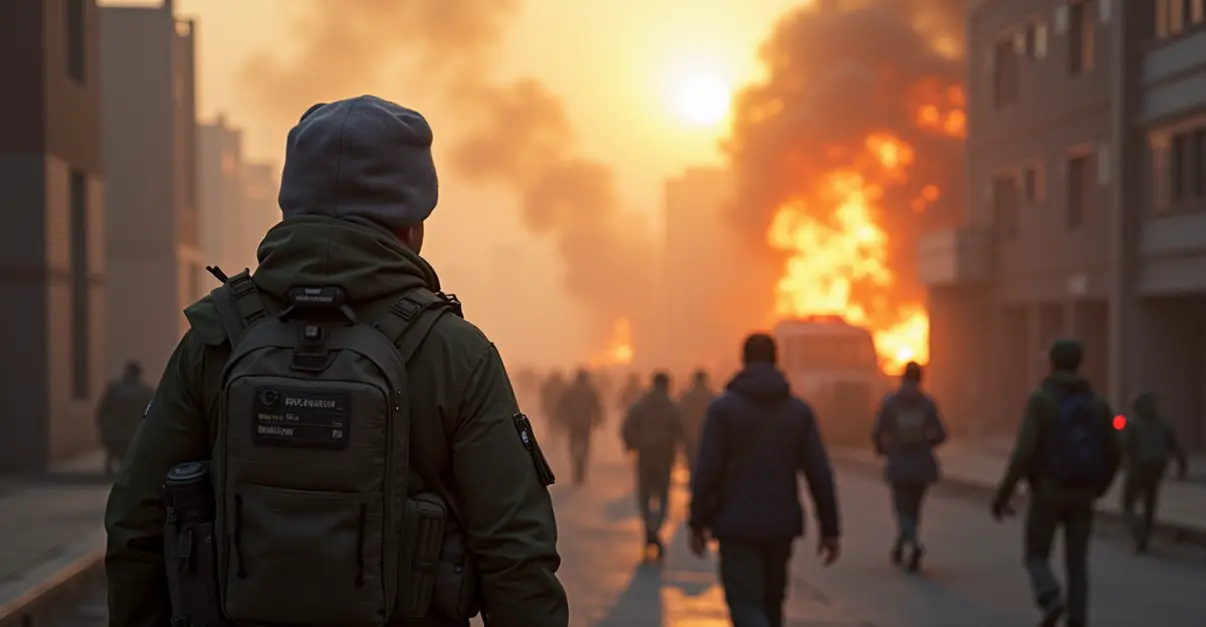
The situation has created palpable anxiety among Iranian citizens. An anonymous Tehran resident told reporters: 'On the surface, everything looks normal with heavy security presence, but people are mourning and tense. They follow news about potential attacks closely and talk about it constantly.' This sentiment reflects the broader uncertainty gripping the region as diplomatic channels remain strained.
Diplomatic Maneuvering and Regional Consultations
Behind the scenes, intense diplomatic activity continues. The US is reportedly conducting high-level consultations with Israel and Saudi Arabia regarding Iran. According to sources familiar with the discussions, Israeli officials have shared intelligence on potential targets in Washington, while Saudi Arabia has attempted to mediate between Washington and Tehran to reduce tensions. Gulf states have reportedly expressed reluctance to allow their airspace to be used for potential attacks against Iran.
The European Union has further complicated matters by designating Iran's Revolutionary Guards as a terrorist organization, a move that Iranian Foreign Minister Hossein Amir-Abdollahian criticized as 'fanning the flames of war.' This comes amid reports that the EU is considering additional sanctions against Iran following the government's brutal crackdown on protests that began in December 2025.
Potential Conflict Scenarios and Regional Implications
Military analysts suggest that if Washington decides to strike, initial attacks would likely target nuclear facilities, missile bases, and military infrastructure. However, experiences in Iraq and Libya demonstrate that quick military successes don't automatically translate to political stability. 'Even if the Iranian regime survives militarily, an attack could pressure Tehran's policies regarding nuclear activities or support for armed groups in the region,' noted a regional security expert.
Iran has threatened to retaliate through various means, including missile and drone attacks on US bases or regional infrastructure. Of particular concern is the potential disruption of shipping through the Strait of Hormuz, a critical global energy chokepoint. According to recent reports, Iran's Revolutionary Guard Corps plans live-fire exercises in the strait next week, signaling its readiness to disrupt this vital waterway.
Domestic Unrest and Regime Vulnerability
The current crisis unfolds against the backdrop of significant domestic unrest in Iran. According to Wikipedia documentation, protests that began in December 2025 have grown into the largest uprising since the 1979 Islamic Revolution, with reports suggesting between 30,000 and 36,500 protesters killed during the government's violent crackdown in early January 2026. The economic crisis, with inflation reaching 42.2% in December 2025 and food prices rising 72%, has fueled widespread discontent.
US Secretary of State Marco Rubio stated this week that the Iranian regime is 'probably weaker than ever,' citing economic problems and deadly protests. This assessment has led some analysts to suggest that external pressure might exacerbate internal divisions within Iran's power structure.
The Path Forward: Diplomacy or Conflict?
Despite the escalating rhetoric, diplomatic channels remain open. Iran maintains it is willing to negotiate a nuclear agreement based on 'mutual respect' without coercion. However, as military buildup continues and rhetoric hardens, diplomats and analysts increasingly fear that a single incident or miscalculation could trigger a conflict with consequences extending far beyond the region.
The coming weeks will be critical in determining whether diplomacy can prevail or whether the Middle East will descend into another devastating conflict. With global energy markets already nervous and regional stability hanging in the balance, the international community watches anxiously as Iran and the United States navigate this dangerous geopolitical standoff.