Deutsch
 English
 Español
 Français
 Nederlands
 Português






US and UK Pull Troops from Key Middle East Base
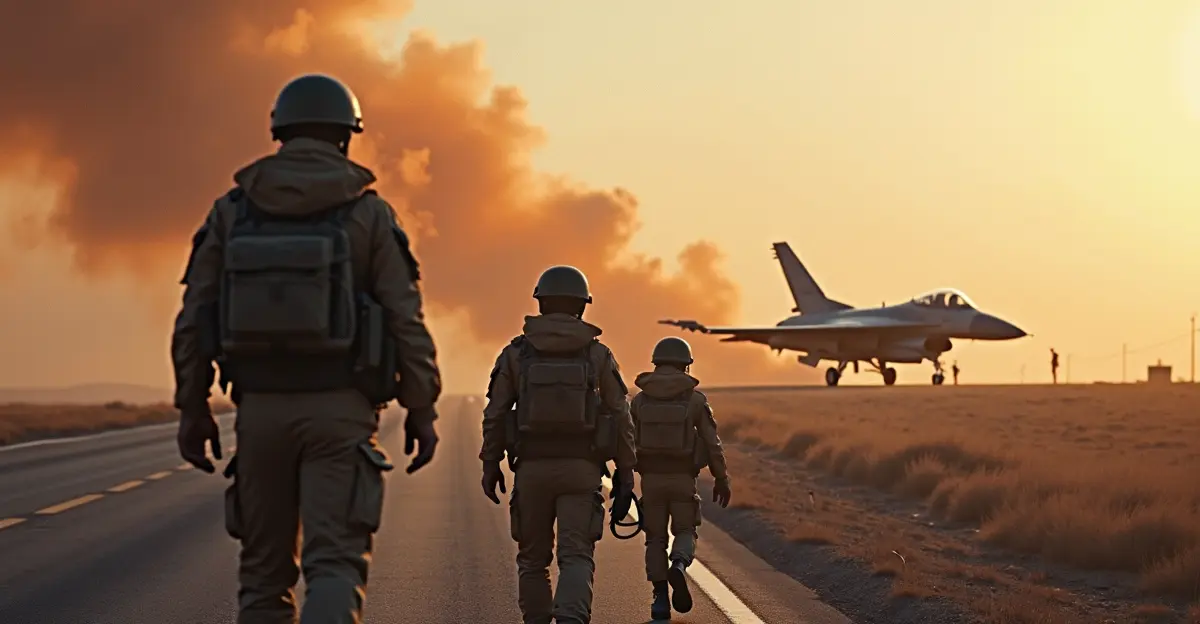
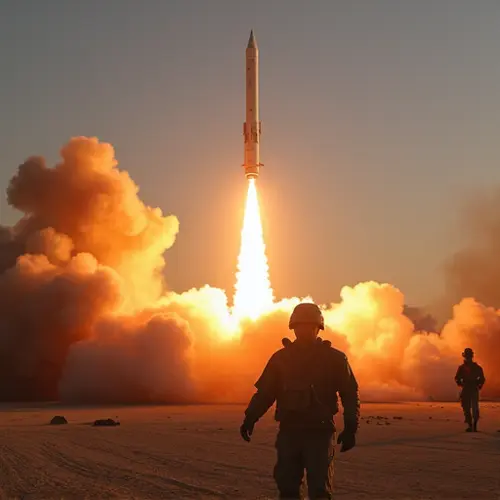
The United States has begun withdrawing personnel from the strategically vital Al Udeid Air Base in Qatar, the largest American military installation in the Middle East, as tensions with Iran reach a boiling point. The precautionary move follows explicit warnings from Tehran that it would strike American bases in the region if Washington intervenes militarily in Iran's domestic unrest. According to Reuters, American officials and diplomats confirmed that personnel were advised to leave the base before Tuesday evening.
Strategic Base Under Threat
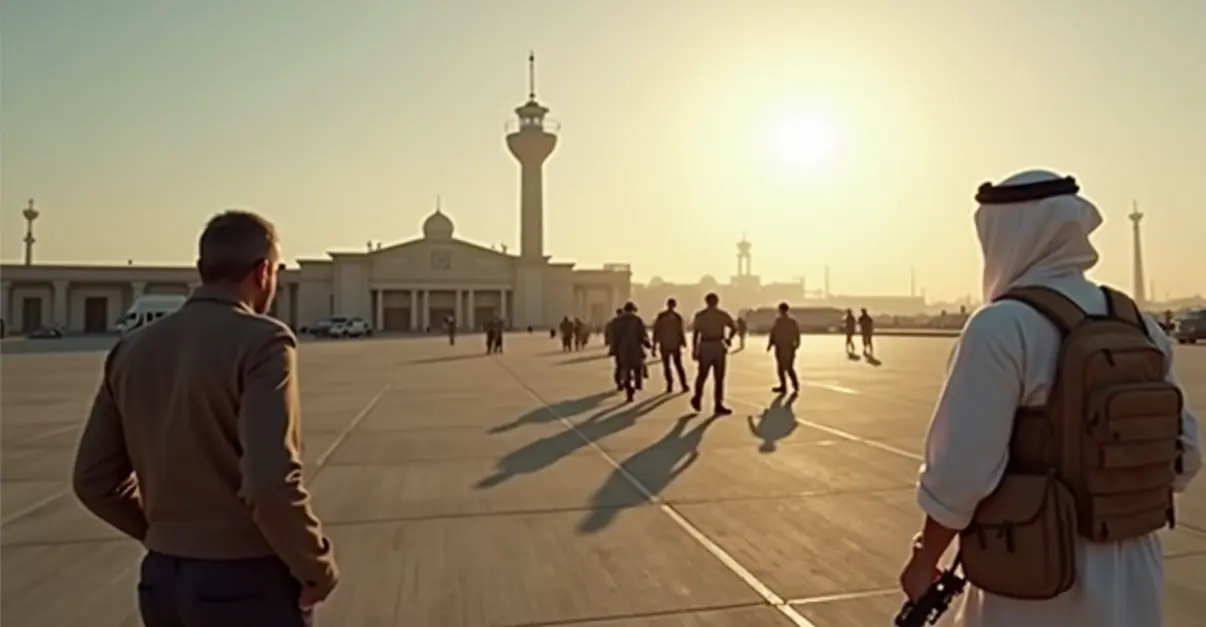
Al Udeid Air Base, located southwest of Doha, Qatar, is a critical hub for US operations in the Middle East. It serves as the forward headquarters of US Central Command and houses approximately 10,000 American troops along with British Royal Air Force personnel. The base has been targeted before—in June 2025, Iran launched missile strikes on Al Udeid in retaliation for US attacks on Iranian nuclear facilities. 'This is a posture change, not an ordered evacuation,' one US official told Gulf News, emphasizing the precautionary nature of the withdrawal.
Iran's Domestic Crisis Escalates
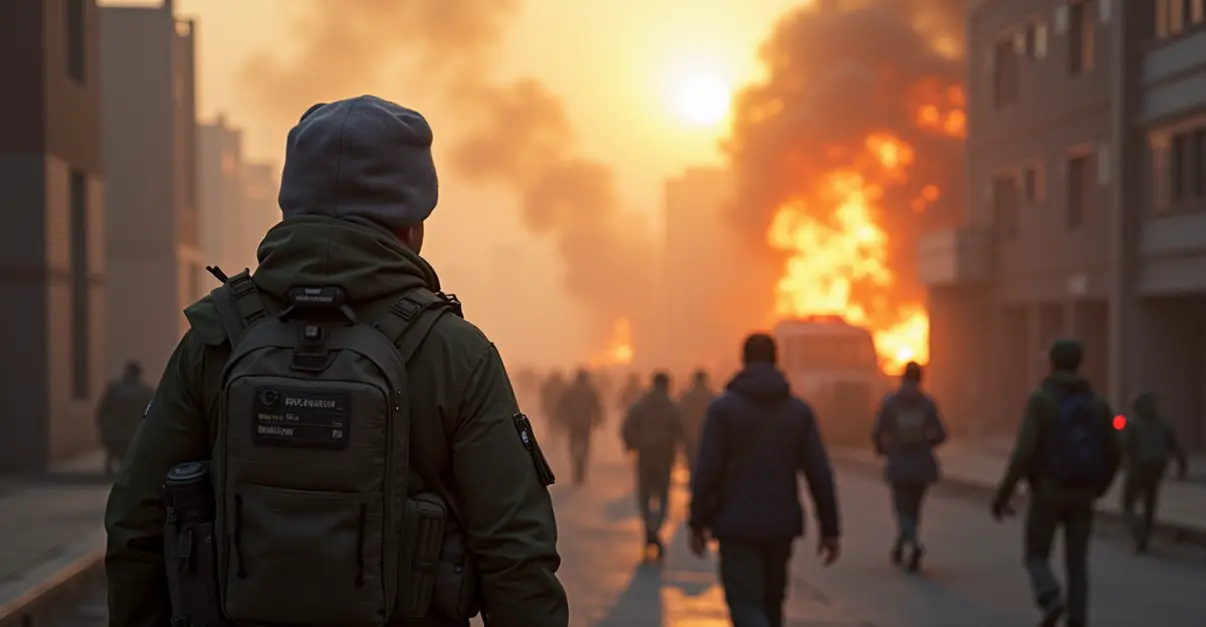
The immediate trigger for the military repositioning is Iran's worst domestic unrest in decades. What began as protests over economic hardship has evolved into a nationwide challenge to the clerical regime of Supreme Leader Ayatollah Khamenei. Human rights organizations report the death toll has surpassed 2,500, with some estimates reaching nearly 3,500 fatalities. The Norwegian group Iran Human Rights, using data from Iranian authorities, suggests at least 10,000 people have been arrested.
Iran has imposed a near-total internet blackout, making independent verification difficult. 'We are seeing the boldest challenge to the regime since the 2022 Woman Life Freedom movement,' a regional analyst noted. The regime's brutal crackdown has drawn international condemnation and prompted threats of military intervention from US President Donald Trump.
Trump's Threats and Regional Warnings
President Trump has repeatedly warned Iran against executing detained protesters, threatening 'very strong action' if such measures proceed. On his Truth Social platform, Trump told Iranian 'patriots' that 'HELP IS ON ITS WAY,' though he declined to specify what form this assistance would take. European officials speaking to Reuters suggested US military intervention 'looks likely' and could occur within 24 hours.
In response, Iran has warned neighboring countries hosting US forces—including Saudi Arabia, the United Arab Emirates, and Turkey—that their territories would be targeted if the US attacks Iran from bases located there. Tehran has asked these nations to prevent any American assault.
International Response and Solidarity
The United Kingdom has joined the US in withdrawing personnel from Al Udeid and temporarily closed its embassy in Tehran. Several European countries have issued travel warnings or begun evacuating citizens from Iran. Globally, solidarity protests have emerged, including a march in Amsterdam where hundreds gathered to support Iranian demonstrators.
The situation remains fluid, with diplomatic channels strained and military postures shifting daily. As one Middle East expert observed, 'We're witnessing a dangerous escalation where miscalculation by either side could trigger a broader regional conflict.' The world watches anxiously as Iran's internal crisis threatens to spill beyond its borders, testing the limits of international diplomacy and military deterrence.