


 Deutsch
 English
 Español
 Français
 Nederlands
 Português


 Share
Share




NATO Secretary General Mark Rutte Supports US-Israel Iran Campaign
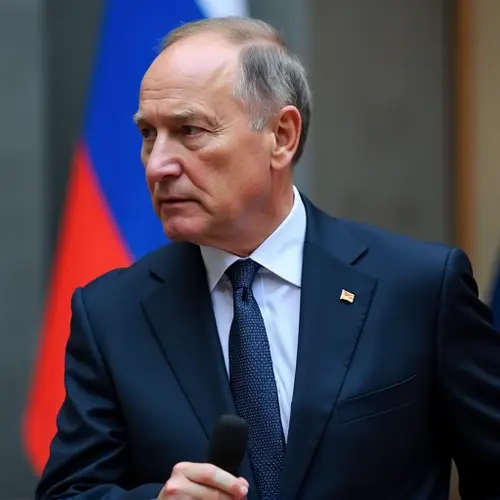
NATO Secretary General Mark Rutte has publicly expressed support for the recent US-Israeli military strikes against Iran, calling the Iranian government a 'terrorist regime' that poses a direct threat to European cities including London, Hamburg, and his hometown of Den Haag. In a revealing BBC interview on March 2, 2026, the former Dutch prime minister stated that many European leaders are 'extremely happy' with the American-led campaign against Iran, marking a significant diplomatic position from NATO's top official amid escalating Middle East tensions.
What is the US-Israel Iran Conflict?
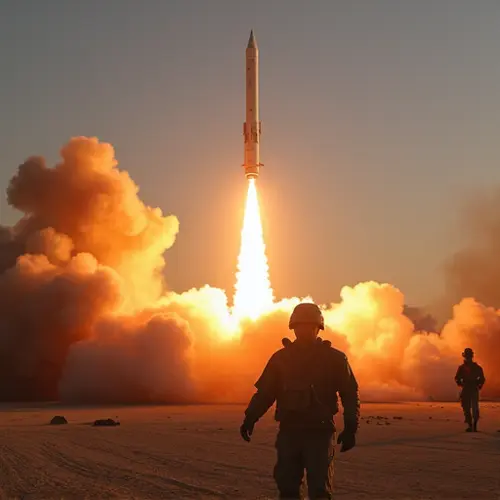
The 2026 Iran conflict began on February 28, 2026, with coordinated joint attacks by Israel and the United States on Iranian targets, codenamed Operation Roaring Lion and Operation Epic Fury respectively. The strikes targeted key Iranian officials including Supreme Leader Ali Khamenei, who was assassinated, along with other government and military leaders. According to the White House, the operation aimed to destroy Iran's nuclear facilities, missile capabilities, and navy while preventing Iran from obtaining nuclear weapons. Iran retaliated with missile and drone attacks throughout the Persian Gulf region, targeting Israel and US military bases in multiple countries including Jordan, Kuwait, Bahrain, Qatar, Iraq, Saudi Arabia, and the UAE.
Rutte's Direct Quotes on Iran Threat
In his BBC interview, Rutte was unequivocal in his assessment: 'It is a terrorist regime and thus clearly a threat to, for example, London, Hamburg and my own hometown The Hague.' He emphasized that Iran represents not only an oppressive regime but also an aggressive, terrorist state that threatens European security. The NATO chief clarified that while NATO itself was not involved in the attacks, he maintains close contact with alliance partners about the situation.
Positive Implications for Ukraine Conflict
Rutte highlighted a significant strategic benefit of the Iran campaign for Ukraine's defense against Russian aggression. 'Let's not forget that Iran with the Shahed drones is the main supplier of military support to Russia,' he stated. The NATO secretary general expressed hope that the disruption of Iran's military capabilities would reduce Russia's access to crucial drone technology that has been devastating Ukrainian cities and infrastructure. This connection reveals how the Middle East conflict dynamics directly impact European security architecture.
Iran's Drone Supply to Russia
Iran has been Russia's primary supplier of Shahed-type drones, with Russia launching over 54,500 such drones in 2025 alone. These Iranian-made drones have overwhelmed Ukrainian air defenses and depleted Ukraine's air defense resources. The conflict in Iran has consumed most of Tehran's drone arsenal, potentially limiting future supplies to Russia and affecting Moscow's aerial advantage in Ukraine. Ukrainian President Volodymyr Zelensky has offered to share Ukraine's battle-tested expertise in countering Iranian Shahed drones with allies facing similar threats.
NATO's Position and European Support
While Rutte expressed strong support for the US-Israeli actions, he carefully distinguished NATO's official position from the military campaign. 'This is an American-led campaign,' he emphasized, noting that NATO was not directly involved in the strikes. However, he revealed that 'a large number of European leaders are extremely happy' with the military actions against Iran. This statement suggests significant behind-the-scenes support among European NATO members for the Trump administration's approach to Iran, despite public diplomatic caution.
Legal and Constitutional Questions
When questioned about the legal justification for the attacks, particularly whether they were presented to the US Congress as required by American law, Rutte declined to comment directly. 'I leave that to people who are much smarter than I am,' he stated, avoiding discussion of the constitutional implications of the military strikes. This diplomatic sidestep reflects the complex international law considerations surrounding preemptive military actions against sovereign states.
Regional Impact and Future Scenarios
The conflict has resulted in significant casualties, with hundreds killed and injured on both sides, and has led to the closure of the strategic Strait of Hormuz, disrupting global oil shipments. The situation continues to evolve rapidly, with Iran facing leadership uncertainty following Khamenei's death and hardline cleric Alireza Arafi emerging as a potential successor. Rutte expressed hope that the Iranian people would eventually be able to decide their own future, stating his conviction that when the campaign ends, Iran will no longer be an exporter of terrorism and chaos.
Economic Consequences for Europe
According to ING analysis, the eurozone economy is most vulnerable in the event of a prolonged conflict with Iran. Rising oil and gas prices resulting from Middle East instability could put pressure on European purchasing power and economic stability. The global energy market volatility represents a significant secondary threat to European security and prosperity.
Frequently Asked Questions
What did NATO chief Mark Rutte say about Iran?
NATO Secretary General Mark Rutte called Iran a 'terrorist regime' and expressed support for US-Israeli military strikes against the country, stating that many European leaders are 'extremely happy' with the campaign.
Is NATO directly involved in the Iran attacks?
No, Rutte clarified that NATO is not directly involved in the military strikes against Iran, describing them as 'an American-led campaign' while maintaining close contact with alliance partners.
How does the Iran conflict affect Ukraine?
The conflict disrupts Iran's supply of Shahed drones to Russia, which has been crucial for Russia's aerial warfare in Ukraine. Rutte hopes this will reduce Russia's military capabilities against Ukraine.
What are the main targets of the US-Israel strikes?
The strikes targeted Iran's nuclear facilities, missile capabilities, military leadership including Supreme Leader Ali Khamenei, and naval assets to prevent nuclear weapon development.
How has Iran responded to the attacks?
Iran has launched retaliatory missile and drone attacks against Israel and US military bases throughout the Persian Gulf region, including in Bahrain, UAE, Qatar, and other countries.




Follow Discussion