


 Deutsch
 English
 Español
 Français
 Nederlands
 Português


 Share
Share




Israel-US Joint Strikes on Iran: Operation Epic Fury Explained
In a dramatic escalation of Middle East tensions, Israel and the United States launched coordinated military strikes against multiple Iranian cities on February 28, 2026, including the capital Tehran, in what President Donald Trump described as 'major combat operations.' The joint attack, codenamed 'Operation Epic Fury' by the US and 'Roaring Lion' by Israel, represents one of the most significant direct military confrontations between Western powers and Iran in decades, targeting Iranian missile capabilities, nuclear infrastructure, and military installations across the country.
What is Operation Epic Fury?
Operation Epic Fury is the US military designation for the joint Israeli-American strikes against Iran that began on February 28, 2026. The operation follows months of planning and preparation between the two allies, with the stated objectives of eliminating imminent threats from Iran's nuclear program, destroying Iranian missile and naval capabilities, and preventing Tehran from obtaining nuclear weapons. The attack represents a major escalation in the US-Iran tensions that have been building since late 2025, when massive anti-government protests swept across Iran and diplomatic efforts to revive the nuclear deal collapsed.
Key Targets and Locations
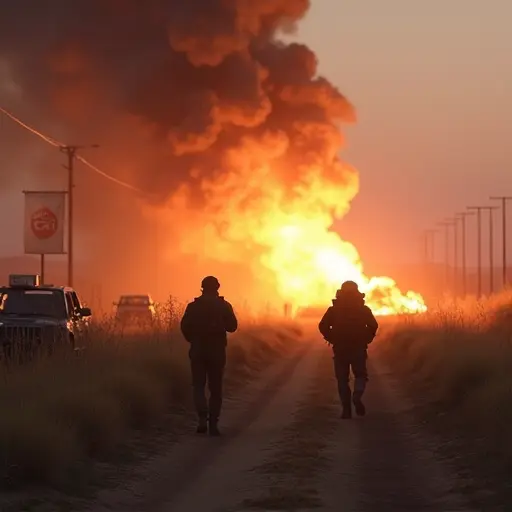
The strikes targeted multiple Iranian cities simultaneously, with explosions reported in Tehran, Isfahan, Karaj, Kermanshah, and Qom. According to military sources, the attacks focused on several key areas:
- Tehran: Strikes near the offices of Supreme Leader Ayatollah Ali Khamenei and Revolutionary Guard headquarters
- Isfahan: Nuclear research facilities and missile production sites
- Kermanshah: Military bases and missile storage facilities
- Qom: Religious and military command centers
- Karaj: Industrial and military infrastructure
Israeli officials described the operation as a 'preventive attack' aimed at neutralizing what they called 'imminent threats' from Iran's expanding missile program. The 86-year-old Supreme Leader Khamenei was reportedly moved to a secure location before the attacks began, having not been seen in public for several days prior to the strikes.
Military Strategy and Preparation
Months of Planning
According to Israeli military officials speaking to Reuters, the attacks were 'months in the making' with the date set weeks in advance. The operation involved extensive coordination between US and Israeli intelligence and military forces, with both nations preparing for what officials described as 'multiple days' of sustained attacks. This represents a departure from previous, more limited strikes and signals a more comprehensive military campaign.
US Military Buildup
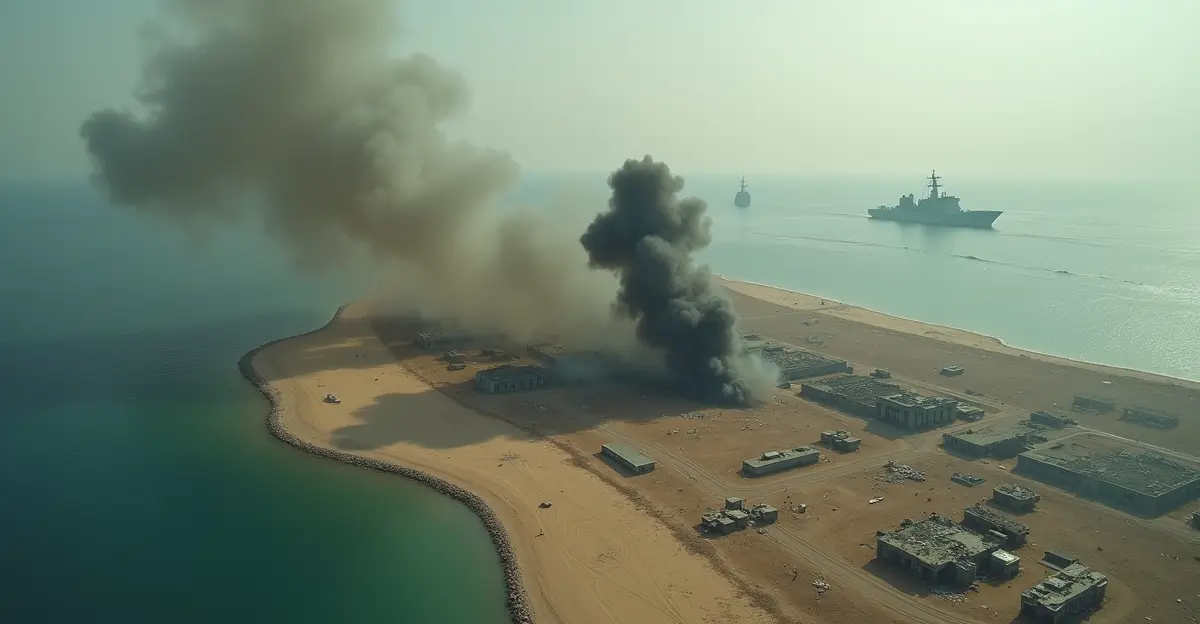
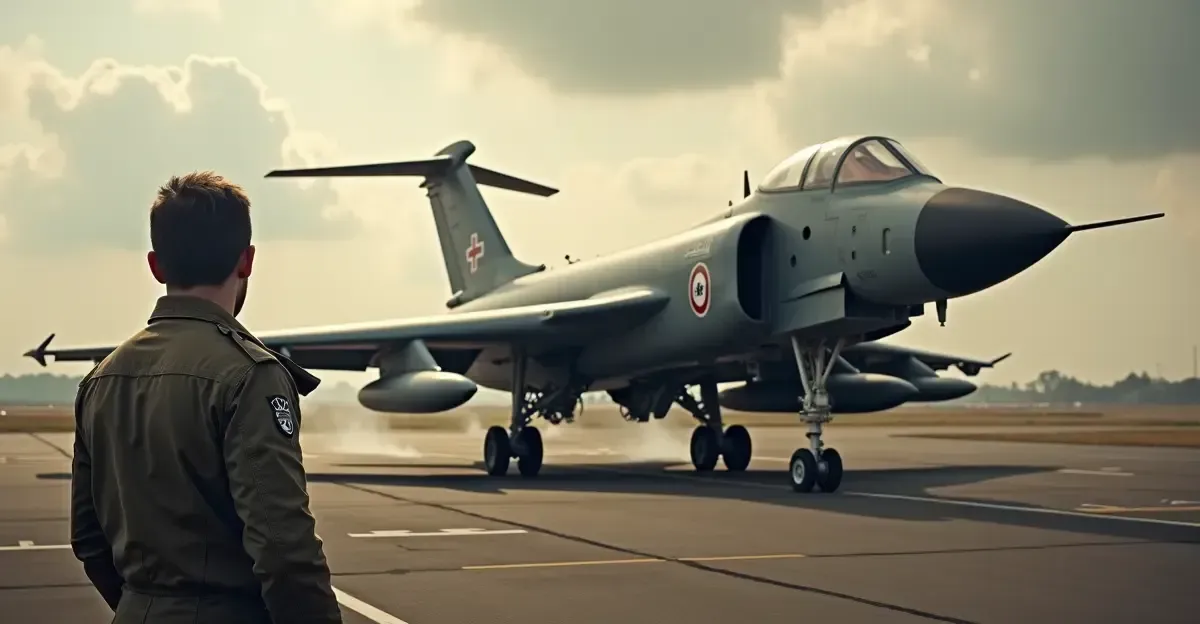
The strikes followed a significant US military buildup in the Middle East, including the deployment of two aircraft carrier groups and additional fighter squadrons to the region. This buildup, described as the largest since the 2003 invasion of Iraq, provided the necessary firepower for the coordinated strikes. US Navy ships launched Tomahawk cruise missiles as part of the initial wave of attacks, while Israeli aircraft conducted precision strikes on specific targets.
Immediate Consequences and Regional Impact
Airspace Closures and Emergency Measures
Both Israel and Iran immediately closed their airspace to civilian aviation following the attacks. Israel declared a state of emergency, with air raid sirens sounding across the country as authorities warned of potential retaliatory strikes. The Israeli Mossad intelligence agency reportedly used Telegram channels to call on the Iranian population to share information about 'legitimate protests against the regime,' attempting to leverage ongoing domestic unrest within Iran.
Iranian Retaliation
Iran responded swiftly to the attacks, launching missile and drone strikes against northern Israel and US military bases across the Gulf region. Explosions were reported at US facilities in Bahrain, Qatar, Kuwait, and the United Arab Emirates, indicating a broad regional response. Iranian officials warned they were prepared to 'export this war' across the Middle East, raising concerns about potential escalation involving regional proxies and allies.
Political Context and Diplomatic Breakdown
The attacks occurred against a backdrop of failed diplomatic efforts and escalating tensions. Nuclear negotiations between Iran and world powers had stalled repeatedly throughout 2025 and early 2026, while massive anti-government protests swept Iran beginning in late 2025. These protests, described as the largest since the 1979 revolution, created domestic pressure on the Iranian regime while providing what Western powers saw as an opportunity to support regime change.
President Trump's announcement of the operation included a direct appeal to the Iranian people and military, calling on members of the Islamic Revolutionary Guard Corps to 'lay down their arms in exchange for immunity' and urging Iranians to 'take over your government.' This explicit call for regime change represents a significant escalation in US policy toward Iran, moving beyond previous containment strategies to active regime change efforts.
International Reactions and Concerns
The international community has expressed grave concerns about the potential for wider regional conflict. Regional actors including Qatar have warned that any escalation could have severe consequences for Middle East stability. The attacks have raised fears of a broader regional war that could involve multiple state and non-state actors across the Middle East, potentially drawing in other powers and disrupting global energy markets.
Experts warn that the situation represents one of the most dangerous escalations in the region in decades, with potential implications for global security and the international order. The coordinated nature of the attacks, combined with their scale and the explicit political objectives stated by US leadership, suggests a fundamental shift in Western strategy toward Iran.
FAQ: Israel-US Strikes on Iran
What triggered the February 2026 attacks on Iran?
The attacks were triggered by multiple factors including Iran's advancing nuclear program, failed diplomatic negotiations, massive domestic protests in Iran, and escalating tensions between Tehran and Western powers throughout 2025-2026.
How long has this operation been planned?
Military officials indicate the operation was 'months in the making' with the specific date set weeks in advance, involving extensive coordination between US and Israeli intelligence and military forces.
What are the main targets of Operation Epic Fury?
The operation targets Iranian missile capabilities, nuclear infrastructure, military installations, and Revolutionary Guard facilities across multiple cities including Tehran, Isfahan, Kermanshah, Qom, and Karaj.
How has Iran responded to the attacks?
Iran has launched retaliatory missile and drone strikes against northern Israel and US military bases across the Gulf region, including facilities in Bahrain, Qatar, Kuwait, and the UAE.
What are the potential consequences for regional stability?
Experts warn of potential widespread regional conflict that could involve multiple state and non-state actors, disrupt global energy markets, and create one of the most significant security crises in the Middle East in decades.
Follow Discussion