


 Deutsch
 English
 Español
 Français
 Nederlands
 Português


 Share
Share




Operation Epic Fury Explained: Complete Guide to US-Iran Conflict 2026
Operation Epic Fury represents the largest joint US-Israeli military operation in a generation, launched on February 28, 2026, with the stated objective of eliminating Iran's military capabilities and preventing nuclear weapons development. This comprehensive guide examines what Operation Epic Fury is, how it unfolded, and its global implications as the Middle East faces its most significant conflict escalation in decades.
What is Operation Epic Fury?
Operation Epic Fury is the US codename for coordinated joint attacks by American and Israeli forces against Iranian targets beginning February 28, 2026. The operation, known as Operation Roaring Lion in Israel, represents a dramatic escalation in the long-standing tensions between Western powers and Iran's Islamic Republic. According to US Central Command (CENTCOM), the operation has struck over 1,250 targets across Iran, including Islamic Revolutionary Guard Corps command facilities, air defense systems, missile launch sites, and military airfields.
The operation began with the assassination of Iranian Supreme Leader Ali Khamenei, whose compound was destroyed in the initial strikes. Other senior Iranian officials killed include Ali Shamkhani, former head of Iran's Supreme National Security Council. President Donald Trump declared that the objective was to destroy Iran's missile capabilities, prevent nuclear weapons development, and ultimately achieve regime change. 'We are delivering swift, decisive action against Iranian military capabilities,' stated a White House release about the operation.
Military Operations and Casualties
US Military Assets Deployed
The operation has involved unprecedented military firepower with over 20 different weapons systems deployed. Key assets include:
- B-2 Spirit stealth bombers striking hardened ballistic missile facilities
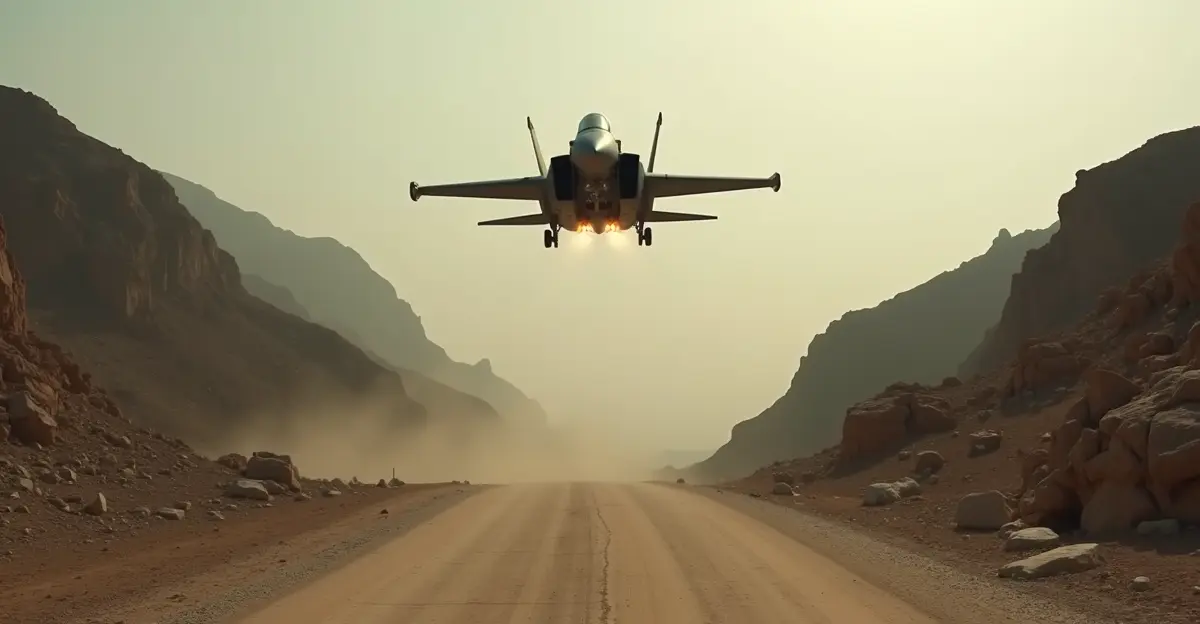
- F-22 Raptor and F-35 Lightning II fifth-generation fighter jets
- EA-18G Growler electronic warfare aircraft
- MQ-9 Reaper drones conducting surveillance and strikes
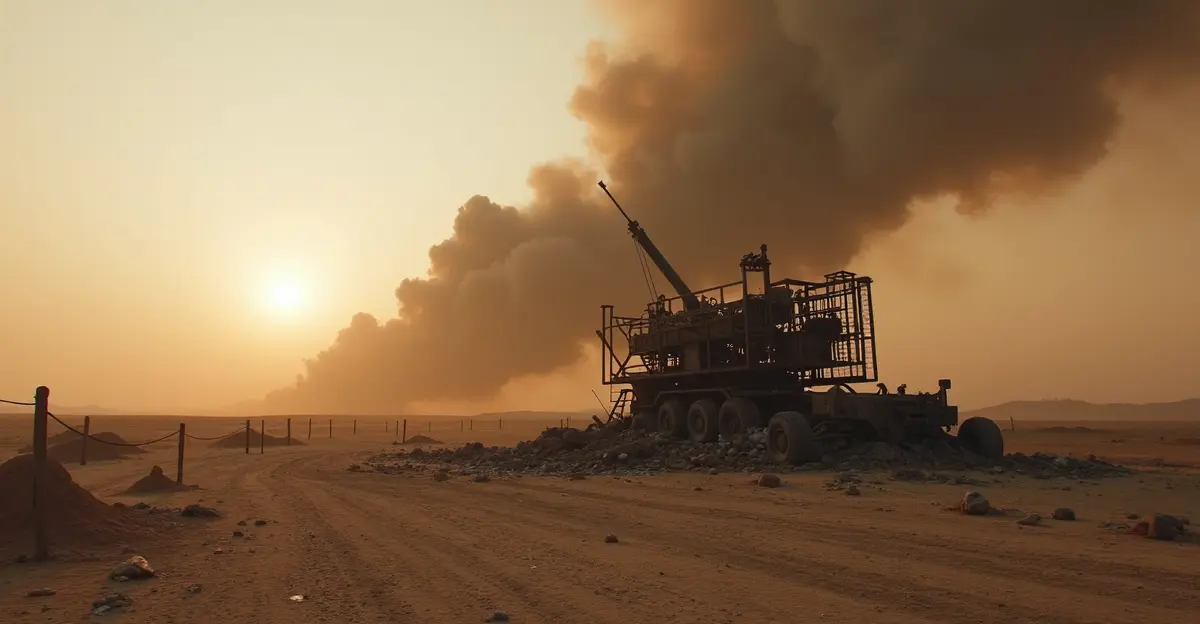
- HIMARS rocket systems providing precision fire
- Independence-class littoral combat ships launching LUCAS drones
- Nuclear-powered aircraft carriers and guided-missile destroyers
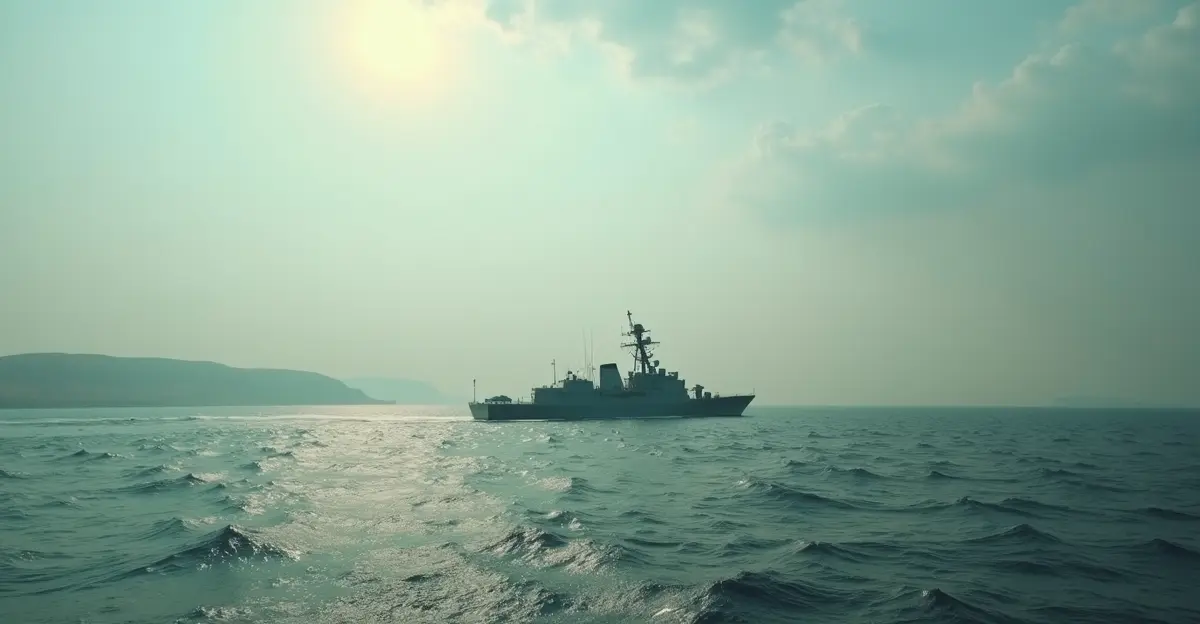
Notably, all 11 Iranian ships in the Gulf of Oman were destroyed, including a Jamaran-class corvette near Chah Bahar port. The US introduced LUCAS drones, reverse-engineered from Iranian Shahed-136 drones, into combat for the first time during this conflict.
Casualty Reports and Human Cost
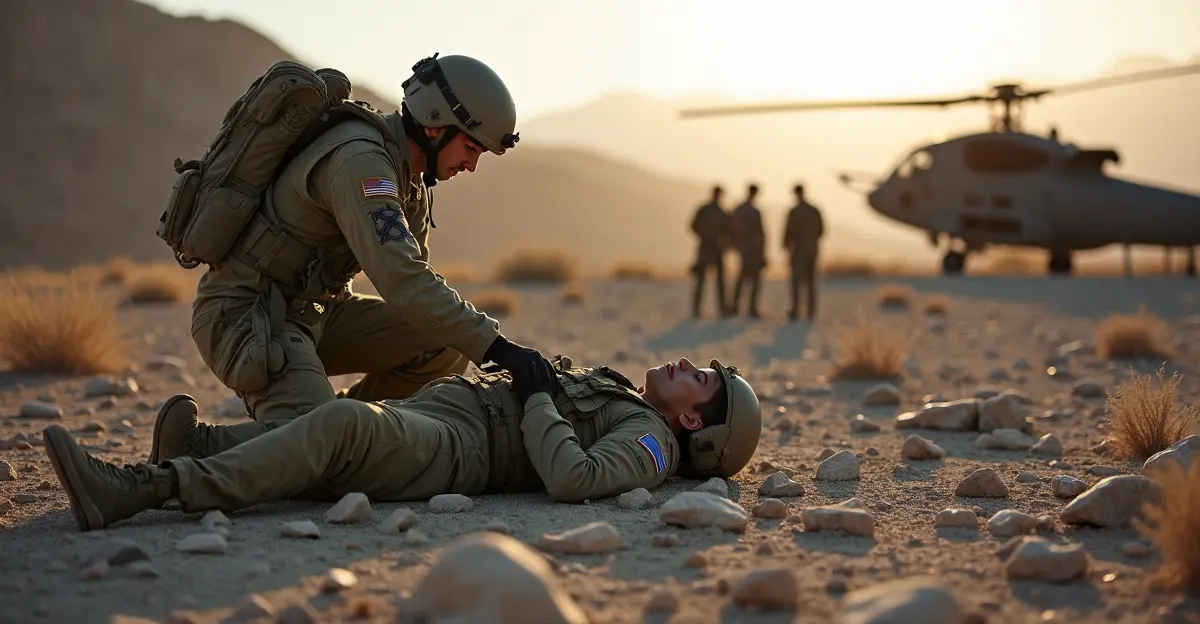
The human toll of Operation Epic Fury has been significant on all sides. Three US service members were killed and five seriously wounded in the operation, marking the first American combat deaths in the conflict. Several additional personnel sustained minor shrapnel injuries and concussions. Iranian authorities report over 200 people killed since the start of strikes, though these numbers are difficult to verify independently.
Iran's retaliatory strikes, codenamed Operation True Promise IV, have targeted multiple countries in the region. At least eight Israelis were killed near Jerusalem from Iranian strikes, while the UAE reported one civilian death from falling debris of intercepted ballistic missiles. The conflict has created a Middle East humanitarian crisis with thousands displaced and regional stability severely compromised.
International Reactions and Legal Controversies
Global Diplomatic Response
The international community has responded with mixed reactions to Operation Epic Fury. The United Nations and several uninvolved countries condemned the initial strikes for undermining Middle East stability. Iranian Ambassador to the UN Amir-Saeid Iravani called the attack a violation of international law during a Security Council meeting, promising decisive self-defense.
Key international positions include:
- UK, France, Germany: Joint statement saying they didn't participate but are in close contact with involved parties
- Canada: Firm support for US action to prevent Iranian nuclear weapons
- Australia: Endorsement of military action with emergency consular measures activated
- Spain: Rejection of unilateral military action as escalation
- Saudi Arabia: Condemnation of Iranian aggression in Gulf states
- Pakistan: Strong condemnation calling for urgent diplomatic resumption
Legal and Ethical Questions
Operation Epic Fury has raised significant legal questions under both US and international law. Critics describe the operation as illegal under US law and a violation of Iran's sovereignty under international law. The Atlantic Council analysis highlights concerns about legal justification and unclear endgame objectives, noting this represents a high-risk gamble by President Trump aimed at regime change rather than limited strikes.
The operation's timing and scale have drawn comparisons to previous US military interventions in the region, with experts warning that regime collapse could lead to 'IRGCistan' - a military-controlled state under the Islamic Revolutionary Guard Corps rather than democratic transition. The operation continues as Iran has closed the Strait of Hormuz, disrupting global oil and gas shipments and creating economic ripple effects worldwide.
Strategic Implications and Future Scenarios
The strategic implications of Operation Epic Fury extend far beyond immediate military outcomes. With Iran vowing revenge and trading strikes with Israel in a widening conflict, the region faces potential prolonged instability. President Trump stated on March 1 that the operation would take one month or less to complete objectives, while not ruling out the possibility of using ground forces.
Key strategic considerations include:
- Regional Proxy Networks: Iran's extensive proxy forces across the Middle East could be activated
- Nuclear Program Status: The operation's impact on Iran's nuclear development capabilities
- Global Energy Markets: Closure of Strait of Hormuz affecting 20% of global oil trade
- Great Power Competition: How Russia and China respond to US military action
- Domestic Political Support: American public opinion as casualties mount
Experts warn that initiating war with a nation of 93 million people possessing significant retaliatory capabilities represents enormous risk. The operation's success will depend not only on military outcomes but also on political stabilization and international diplomatic efforts in the aftermath.
Frequently Asked Questions (FAQ)
What is Operation Epic Fury?
Operation Epic Fury is the US codename for joint military strikes against Iran beginning February 28, 2026, involving over 1,250 targets and unprecedented military firepower.
How many casualties have occurred?
Three US service members killed, five seriously wounded; Iranian authorities report over 200 killed; at least eight Israelis killed in retaliatory strikes.
What weapons are being used?
Over 20 weapons systems including B-2 stealth bombers, F-35 jets, HIMARS rockets, LUCAS drones, and naval assets from aircraft carriers to guided-missile destroyers.
What is the operation's objective?
To destroy Iran's missile capabilities, prevent nuclear weapons development, and achieve regime change according to President Trump's statements.
How has the international community reacted?
Mixed reactions with some allies supporting, others condemning, and the UN expressing concern about Middle East stability and international law violations.
What are the economic impacts?
Iran closed the Strait of Hormuz, disrupting 20% of global oil trade, with potential ripple effects on energy markets and global economy.

Follow Discussion