


 Deutsch
 English
 Español
 Français
 Nederlands
 Português


 Share
Share




What is Operation Epic Fury? US-Iran Conflict Explained
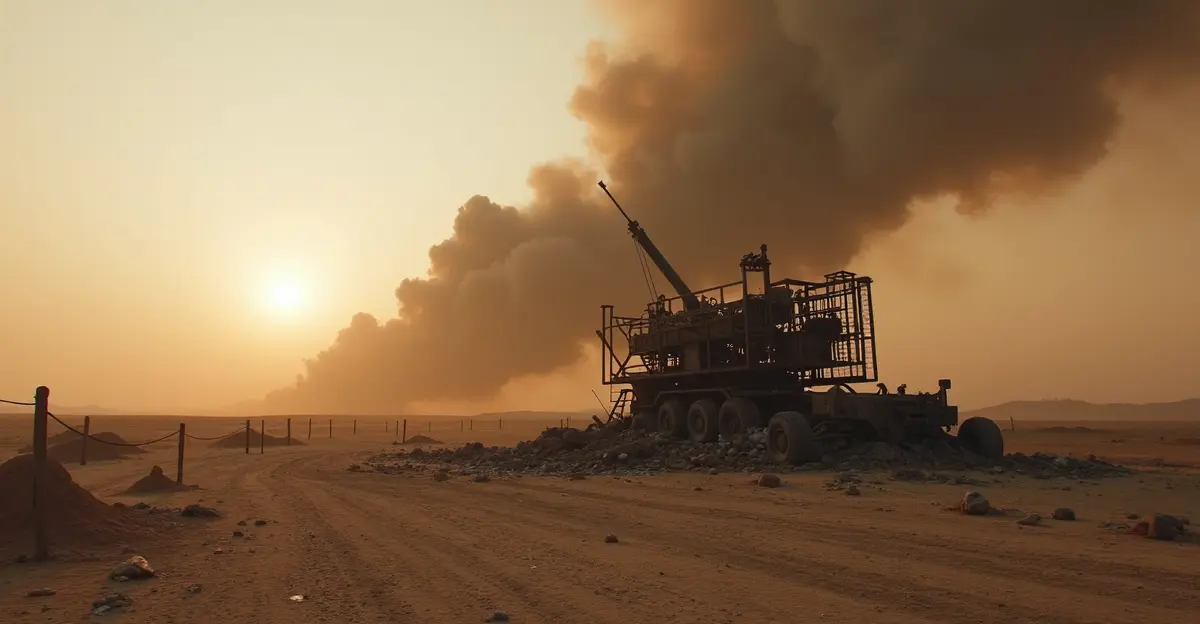
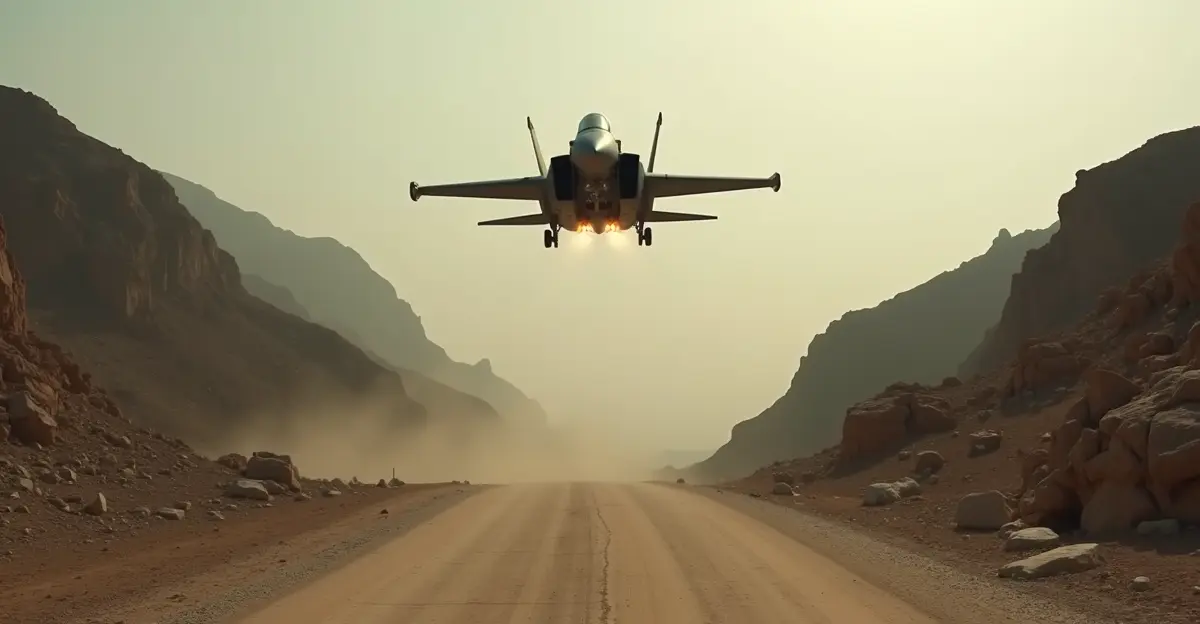
The United States military campaign against Iran, codenamed Operation Epic Fury, represents the most significant escalation in Middle East tensions since the 2003 Iraq invasion. Launched on February 28, 2026, this coordinated US-Israeli operation has already resulted in the death of Iranian Supreme Leader Ayatollah Ali Khamenei and significant damage to Iran's military infrastructure. Defense Secretary Pete Hegseth emphasized in a March 2nd Pentagon press conference that this conflict differs fundamentally from previous Middle Eastern engagements, stating 'This is not Iraq. This is not endless.' The operation involves over 100 aircraft and precision strikes targeting Iranian missile facilities, naval assets, and nuclear infrastructure across multiple cities.
Pentagon's Strategic Objectives and Timeline
According to Defense Secretary Hegseth, Operation Epic Fury has three primary objectives: destroying Iran's missile threat capabilities, neutralizing its naval forces, and preventing nuclear weapons development. Unlike previous conflicts that involved nation-building, Hegseth emphasized this operation represents a strategic shift toward direct military suppression of Iran's strategic deterrent posture. The campaign began with synchronized strikes at 1:15 am ET on February 28th, targeting Islamic Revolutionary Guard Corps command facilities, air defense systems, and military airfields.
Key Military Targets and Progress
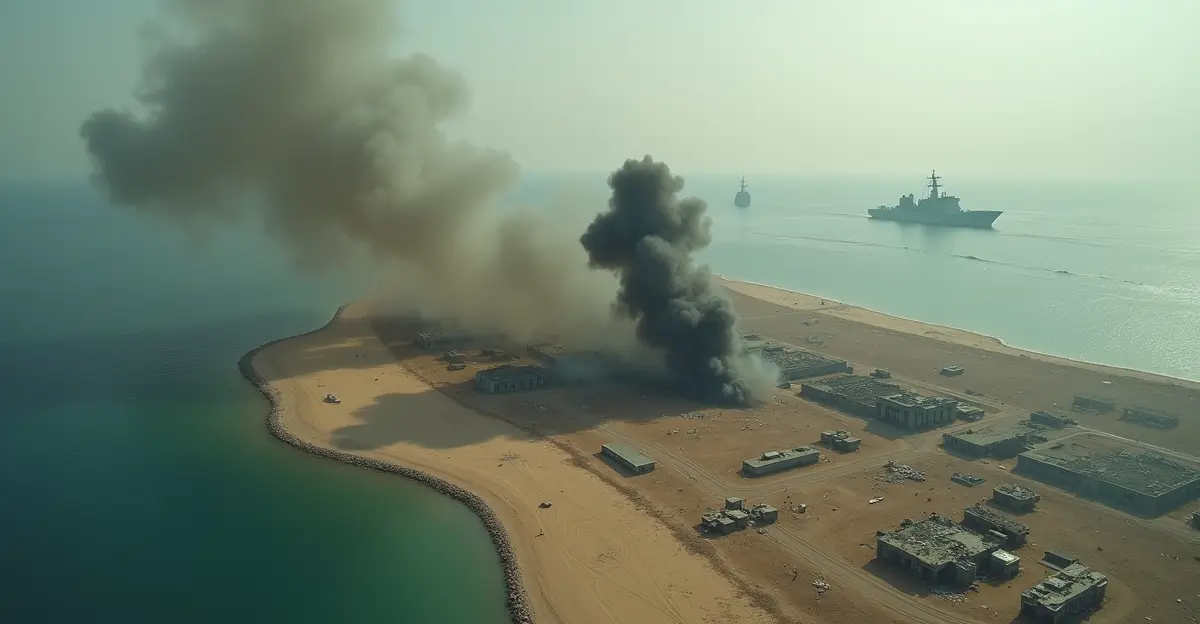
The operation has focused on dismantling Iran's security apparatus through precision munitions from air, land, and sea platforms. Targets have included:
- Iranian Ministry of Intelligence and Ministry of Defense facilities
- Office of the Supreme Leader in Tehran
- Iranian Atomic Energy Agency complexes
- Parchin military base and missile production sites
- Naval assets in the Persian Gulf and Strait of Hormuz
Joint Chiefs Chairman Gen. Dan Caine revealed that President Trump approved the operation on Friday, leading to what represents the largest regional concentration of American military firepower in a generation. The operation has featured the first combat use of low-cost one-way attack drones by CENTCOM's Task Force Scorpion Strike.
'This Is Not Iraq': Hegseth's Strategic Distinction
Defense Secretary Hegseth repeatedly emphasized the distinction between Operation Epic Fury and previous Middle Eastern conflicts during his March 2nd press conference. 'We are not here for nation-building or politically correct wars,' Hegseth stated. 'We fight to win, and we don't waste time or lives.' This approach represents a fundamental departure from the Iraq War strategy that involved prolonged occupation and reconstruction efforts.
The Secretary framed the conflict as concluding a 47-year struggle with Iran's 'expansionist and Islamist regime' that began with the 1979 Iranian Revolution. While denying this is a 'regime change war,' Hegseth acknowledged that with Khamenei's death, 'the regime sure did change.' This nuanced position attempts to balance military objectives with political realities, avoiding the open-ended commitments that characterized previous conflicts.
Casualties and Military Impact
The human cost of Operation Epic Fury has been significant on both sides. US military officials have confirmed four American service member deaths and 18 serious injuries, with three F-15E jets lost to friendly fire from Kuwaiti defenses. Iranian casualties include Supreme Leader Khamenei and numerous high-ranking officials, with civilian casualties reportedly in the hundreds according to international observers.
From a military perspective, the operation has achieved several tactical successes:
| Objective | Status | Impact |
|---|---|---|
| Missile Threat Reduction | Significant Progress | Multiple launch sites destroyed |
| Naval Capability Degradation | Ongoing Operations | Key naval assets targeted |
| Nuclear Program Disruption | Initial Strikes Completed | Enrichment facilities damaged |
| Command Structure Disruption | Major Success | Senior leadership eliminated |
Global Economic and Geopolitical Implications
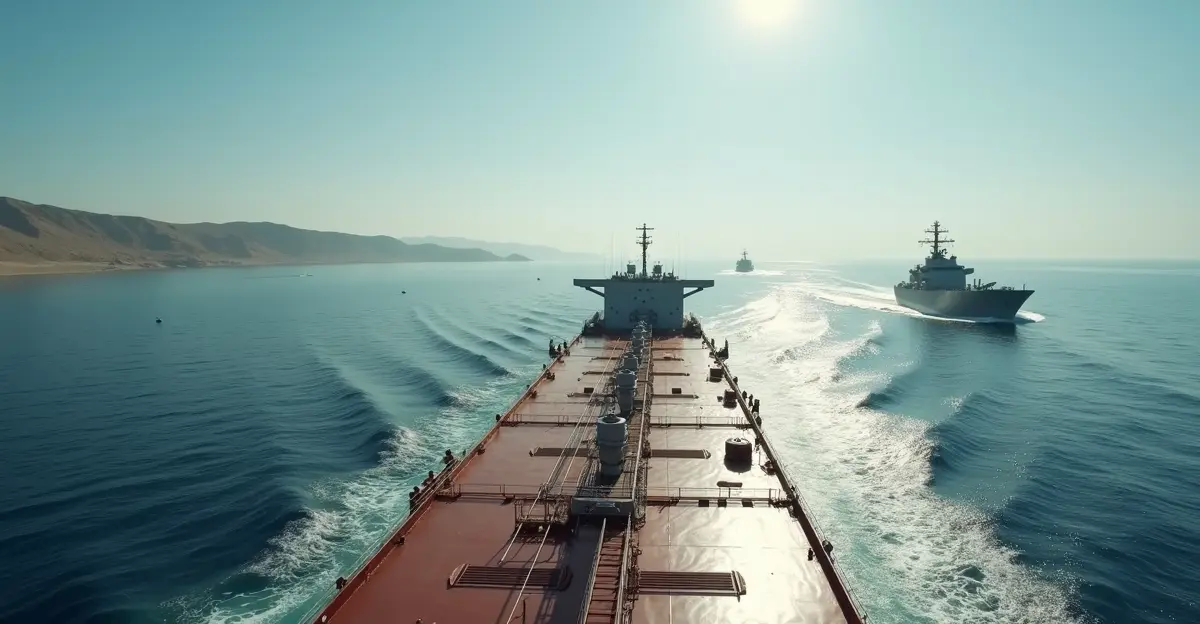
The US-Iran conflict has already triggered significant global economic consequences, particularly in energy markets. Oil prices have surged as the conflict disrupts Middle Eastern energy output and shipping routes through the critical Strait of Hormuz. This strategic waterway handles approximately 20% of global oil demand (20 million barrels daily) and 30% of seaborne oil exports, primarily to Asian economies like China.
Experts warn that prolonged disruption could spike oil prices above $100 per barrel, potentially triggering a global recession. The conflict has also impacted global shipping, with Iran controlling access to the Strait of Hormuz and possessing stockpiled mines and missiles capable of disrupting commercial traffic. This situation mirrors concerns about Middle East energy security that have persisted for decades.
Political Context and Congressional Response
The military operation occurs against a complex political backdrop. Public support remains limited, with only 27% of Americans backing the strikes according to recent polling. Congress is divided, with bipartisan war powers resolutions being considered to potentially limit or end US involvement. The operation follows failed nuclear negotiations and comes after President Trump built up substantial US military presence in the region throughout 2025.
Defense Secretary Hegseth, confirmed in November 2024 with Vice President JD Vance casting a tie-breaking vote, represents a new generation of defense leadership. His approach emphasizes decisive military action over prolonged engagement, reflecting lessons learned from Afghanistan withdrawal challenges and previous Middle Eastern conflicts.
FAQ: Operation Epic Fury and US-Iran Conflict
What is Operation Epic Fury?
Operation Epic Fury is the codename for the joint US-Israeli military campaign against Iran launched on February 28, 2026, targeting Iranian military, nuclear, and government infrastructure.
How long will the conflict last?
President Trump has projected 4-5 weeks, while Defense Secretary Hegseth emphasizes it won't be 'endless' like previous conflicts. Military officials note they're ahead of schedule in eliminating key targets.
What are the US objectives?
Primary objectives include destroying Iran's missile capabilities, neutralizing naval forces, and preventing nuclear weapons development without engaging in nation-building.
How has Iran responded?
Iran has retaliated by attacking US Navy's Fifth Fleet headquarters in Bahrain, US bases in Qatar and UAE, and launching missiles toward Israel while threatening Strait of Hormuz closure.
What's the economic impact?
Oil prices have surged significantly, with potential for $100+ per barrel prices if Strait of Hormuz closes, risking global recession due to disrupted energy supplies.

Follow Discussion