


 Deutsch
 English
 Español
 Français
 Nederlands
 Português


 Share
Share




What is the US F-15E Fighter Jet Incident in Iran?
On April 3, 2026, a United States Air Force F-15E Strike Eagle fighter jet was shot down by Iranian forces over southwestern Iran, marking the first confirmed instance of a manned U.S. aircraft being brought down by enemy fire during Operation Epic Fury. The incident, confirmed by anonymous American officials to The New York Times, represents a significant escalation in the ongoing conflict between the U.S. and Iran that began in February 2026. The fate of the two-member crew remains uncertain, with one pilot successfully rescued by American forces while search operations continue for the second crew member.
Background: Operation Epic Fury and US-Iran Conflict
The downing of the F-15E occurs within the broader context of Operation Epic Fury, a major U.S. military campaign launched in March 2026 with four clear objectives: destroying Iran's ballistic missile capabilities, annihilating the Iranian navy, severing Iran's support for terrorist proxies, and ensuring Iran never obtains nuclear weapons. According to Pentagon figures, 13 U.S. service members have been killed and 348 wounded in operations against Iran as of March 31, 2026. The conflict has seen extensive strikes against Iranian military infrastructure, with over 1,000 targets hit in the first 24 hours alone using B-2 bombers, F-16, F/A-18, F-22, and F-35 fighter jets.
This incident follows a pattern of escalating tensions similar to the 2025 Middle East drone attacks that targeted international shipping lanes. Iranian forces have demonstrated increasing capability to challenge U.S. air superiority, despite earlier American assertions of dominance in the region.
Key Details of the F-15E Shootdown
Aircraft Identification and Location
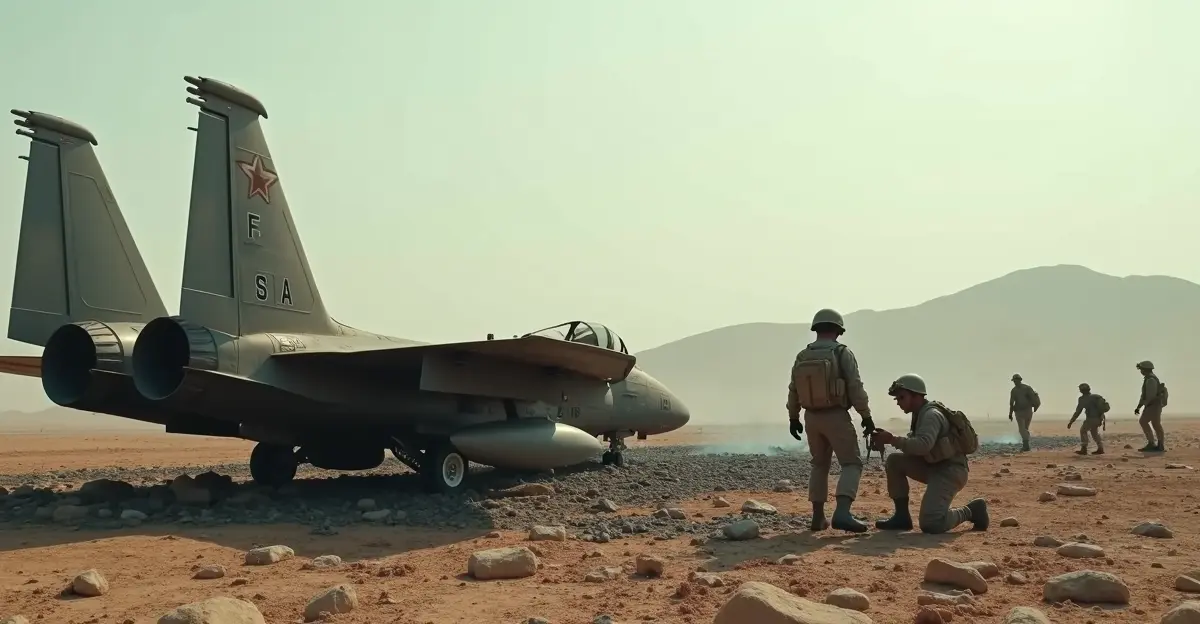
Initial Iranian claims suggested they had downed an F-35, but subsequent analysis of wreckage photos and video evidence confirms the aircraft was an F-15E Strike Eagle from the 48th Fighter Wing based at RAF Lakenheath in the United Kingdom. The incident occurred in Khuzestan Province, approximately 470 kilometers south of Tehran, where Iranian authorities have offered bounties for the capture of any surviving U.S. aircrew.
Rescue Operations and Additional Losses
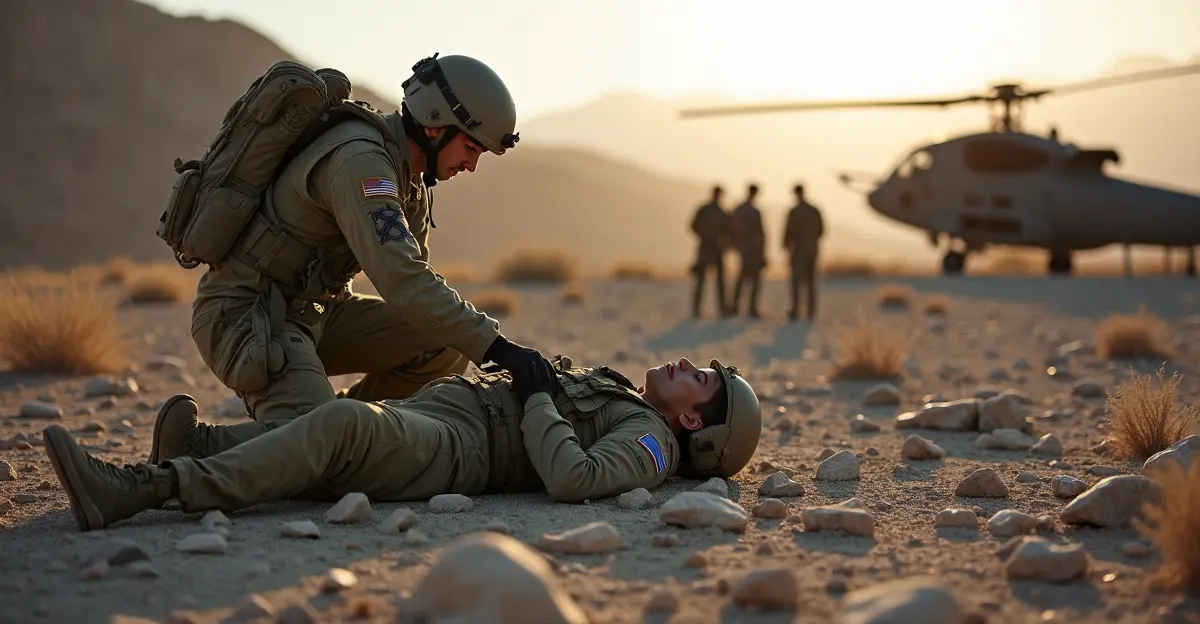
U.S. forces launched an immediate combat search and rescue mission involving MC-130J and HH-60W helicopters. During these operations, an A-10 Warthog supporting the rescue was damaged by enemy fire, forcing its pilot to eject over Kuwaiti airspace where they were safely recovered. Additionally, a helicopter carrying the rescued F-15E pilot was hit by small arms fire, wounding crew members, though it managed to land safely. These incidents highlight the extreme risks of rescue missions in hostile territory where Iran possesses weapons capable of targeting slow-flying helicopters.
F-15E vs F-35: Understanding the Difference
The confusion between F-15E and F-35 aircraft stems from their different design philosophies and capabilities:
| Feature | F-15E Strike Eagle | F-35 Lightning II |
|---|---|---|
| Primary Role | Air superiority and ground attack | Multi-role stealth fighter |
| Stealth Capability | Limited | Advanced stealth design |
| Maximum Speed | Mach 2.5+ | Mach 1.6 |
| Payload Capacity | Up to 23,000 lbs | Up to 18,000 lbs |
| Sensor Technology | Conventional radar systems | Advanced sensor fusion |
| Production Era | Fourth generation | Fifth generation |
The F-15E represents kinetic dominance with exceptional speed and payload capacity, while the F-35 emphasizes information dominance through stealth and sensor fusion technology. The downing of an F-15E rather than an F-35 suggests Iranian air defenses successfully targeted a less stealthy aircraft, raising questions about the effectiveness of current U.S. air operations in the region.
Geopolitical Implications and Economic Impact
The shootdown occurs amid broader regional instability that has already affected global energy markets. The Strait of Hormuz, which normally carries 20% of global oil supply, has experienced disruptions due to Iranian attacks on civilian ships and energy infrastructure. According to Federal Reserve Bank of Dallas research, closure of the strait could raise West Texas Intermediate oil prices to $98 per barrel and reduce global real GDP growth by 2.9 percentage points annually.
Chicago Fed President Austan Goolsbee has warned that the conflict could delay planned 2026 interest rate cuts, while Morgan Stanley analysis indicates that a 10% oil price rise could increase U.S. headline inflation by 0.35% over three months. The economic consequences extend beyond energy markets, affecting global supply chains and potentially triggering the largest loss of crude supply in history if the strait remains closed.
These developments mirror concerns raised during the 2024 global energy crisis about supply chain vulnerabilities. The current situation represents an even more severe test of international energy security frameworks.
Military and Strategic Consequences
The loss of an F-15E challenges previous U.S. assertions of air superiority over Iran and marks a psychological victory for Iranian forces. The Islamic Revolutionary Guard Corps (IRGC) has claimed responsibility for the shootdown, demonstrating their continued capability to engage advanced U.S. aircraft despite extensive American strikes against Iranian air defenses.
From a strategic perspective, this incident may influence future U.S. military planning in several ways:
- Increased risk assessment for combat search and rescue operations in hostile territory
- Reevaluation of aircraft deployment in contested airspace
- Potential acceleration of F-15EX Eagle II deployment with enhanced survivability features
- Greater emphasis on electronic warfare and counter-air defense measures
The incident also raises questions about the broader effectiveness of Operation Epic Fury, which has now seen its first confirmed loss of a manned aircraft to enemy fire. As noted by Maryland Governor Wes Moore, there are growing concerns about the U.S. entering "another forever war" without clear objectives, a sentiment echoed by Republican Senator John Curtis who stated he won't support additional funding without a formal congressional declaration of war.
FAQ: Frequently Asked Questions
What type of aircraft was shot down in Iran?
A U.S. Air Force F-15E Strike Eagle fighter jet was shot down over southwestern Iran on April 3, 2026. Initial Iranian claims of downing an F-35 were incorrect based on wreckage analysis.
What happened to the crew of the downed F-15E?
One crew member has been successfully rescued by American forces, while search operations continue for the second crew member. The rescued pilot is receiving medical attention.
How does this affect US-Iran relations?
The incident represents a significant escalation in the ongoing conflict, challenging U.S. air superiority claims and potentially prolonging military engagement. It comes amid broader tensions over Iran's nuclear program and regional influence.
What is Operation Epic Fury?
Operation Epic Fury is a major U.S. military campaign launched in March 2026 with objectives including destroying Iran's ballistic missile capabilities, neutralizing its navy, and preventing nuclear weapons development.
How will this impact global oil prices?
The conflict has already disrupted oil shipments through the Strait of Hormuz, potentially raising oil prices to $98-132 per barrel depending on closure duration and reducing global GDP growth by 2.9 percentage points annually.

Follow Discussion