


 Deutsch
 English
 Español
 Français
 Nederlands
 Português


 Share
Share




Trump Sends 'Armada' as Iran Crisis Deepens
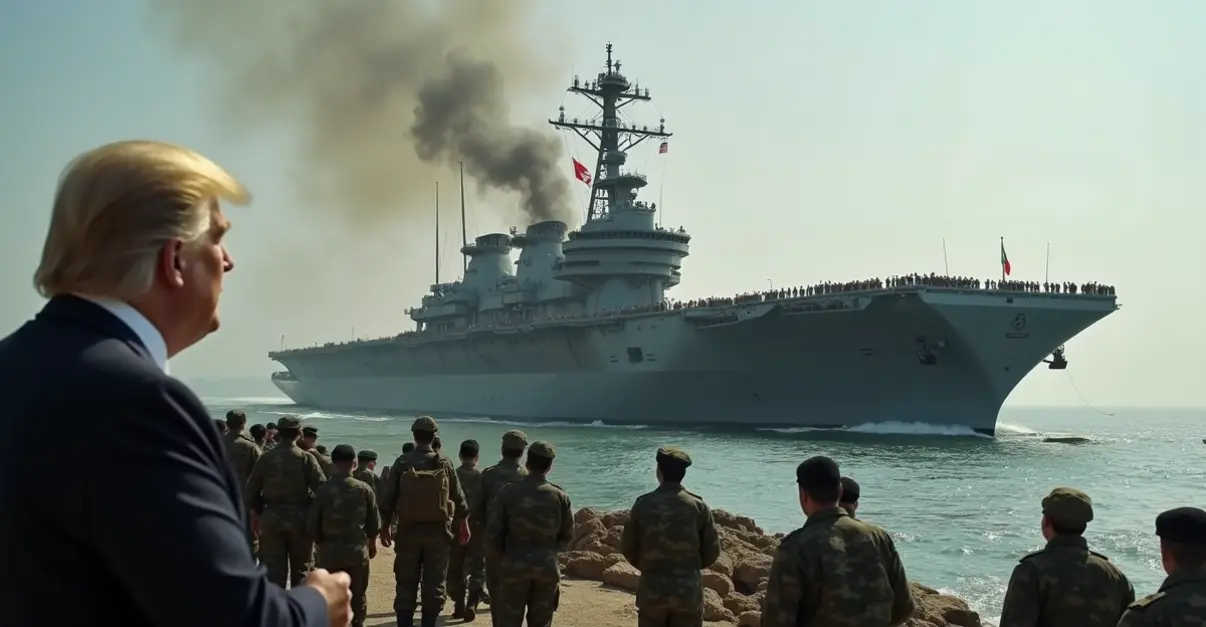
In a dramatic escalation of tensions, former President Donald Trump announced that the United States has deployed a significant naval force toward Iran, including the aircraft carrier USS Abraham Lincoln and multiple guided-missile destroyers. Speaking to reporters aboard Air Force One, Trump described the deployment as a deterrent force he hopes 'not to have to use' but warned Tehran against restarting its nuclear program or continuing violent crackdowns on protesters.
'If they try it again, they have to go to another area. We'll hit them there just as easily,' Trump stated, referring to potential Iranian attempts to resume nuclear activities after previous US-Israeli strikes in June.
Military Assets on the Move
The USS Abraham Lincoln Carrier Strike Group, which includes the Nimitz-class carrier and destroyers from Destroyer Squadron 21, is reportedly en route to the Middle East. According to military analysts, this represents part of a coordinated global strategy involving three supercarriers, with the Abraham Lincoln redeploying from the Indo-Pacific region.
The carrier group typically includes F/A-18E/F Super Hornets, EA-18G Growlers, and advanced missile systems, providing substantial power projection capabilities. Defense Department officials confirmed the deployment represents a significant show of force amid rising regional tensions.
Human Rights Crisis in Iran
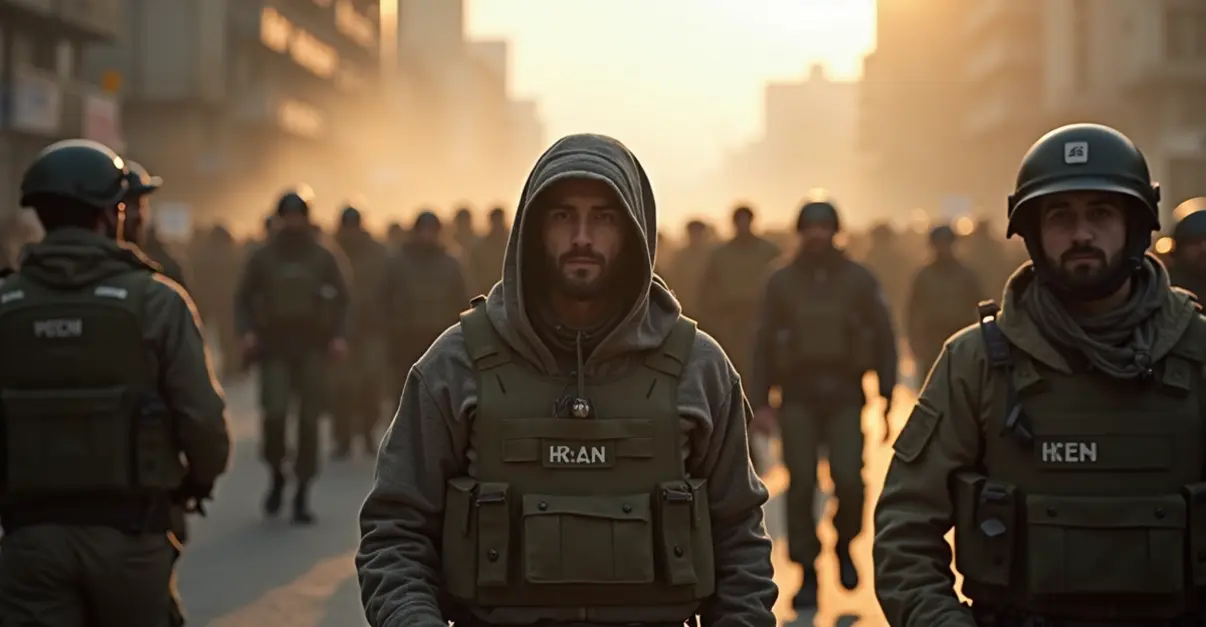
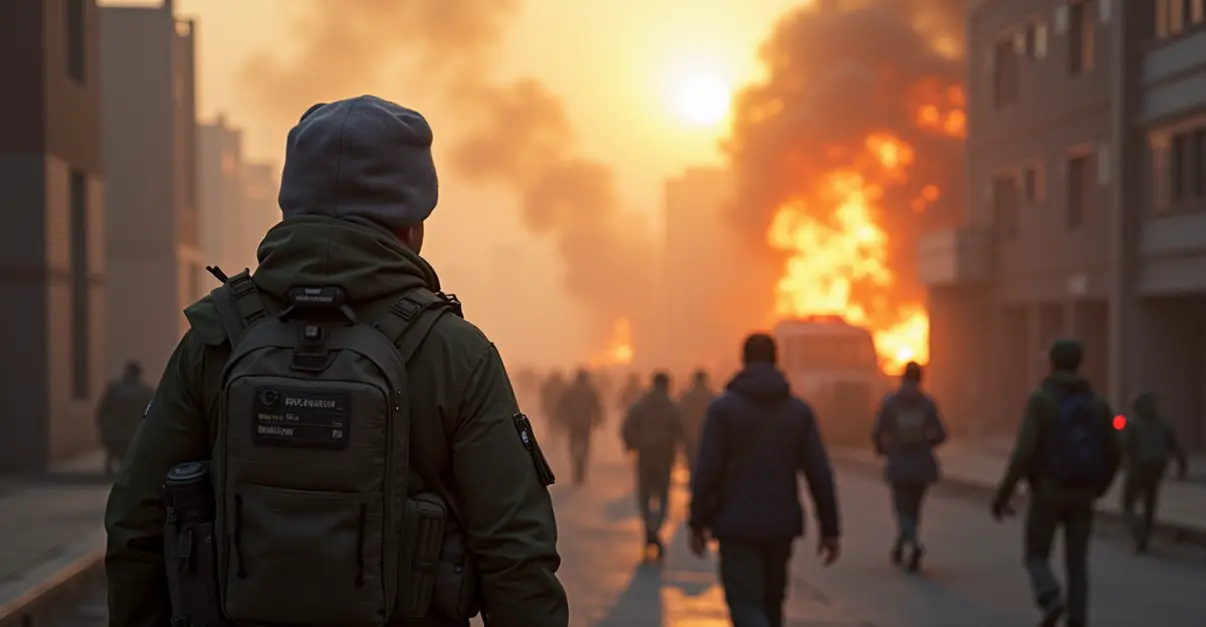
The military deployment coincides with a deepening human rights crisis in Iran. According to the US-based Human Rights Activists News Agency (HRANA), the death toll from protests that began on December 28 has reached 4,519 verified fatalities, including 4,251 protesters. Over 9,000 additional deaths remain under investigation.
'We're watching them closely,' Trump emphasized, warning Iranian authorities against further violence against demonstrators. The protests, which began over economic hardship, have reportedly diminished in recent weeks but have left a devastating human toll.
Nuclear Program Concerns
Analysts warn that Iran's internal crisis carries significant nuclear proliferation risks. According to PBS NewsHour analysis, Iran maintains a stockpile of 440.9 kilograms of uranium enriched to 60% purity - just a technical step away from weapons-grade levels. The International Atomic Energy Agency has lost verification of this stockpile's status since June.
Iranian officials have responded defiantly to the US deployment. General Mohammad Pakpour of the Islamic Revolutionary Guard Corps stated that Iranian forces have their 'finger on the trigger' and are prepared to follow orders from Supreme Leader Ali Khamenei if threatened.
Regional Implications
The deployment comes amid what some analysts describe as the largest massacres in modern Iranian history. According to Wikipedia documentation, death toll estimates range from over 5,000 (per Iranian government) to closer to 30,000, with other sources reporting 12,000-20,000 protesters killed.
The situation remains volatile, with both sides positioning for potential escalation while attempting to avoid direct confrontation. The US deployment serves as both a deterrent and a demonstration of Washington's commitment to regional stability, even as diplomatic channels remain strained.


Follow Discussion