


 Deutsch
 English
 Español
 Français
 Nederlands
 Português


 Share
Share




What is the US Maritime Advisory About Iranian Waters?
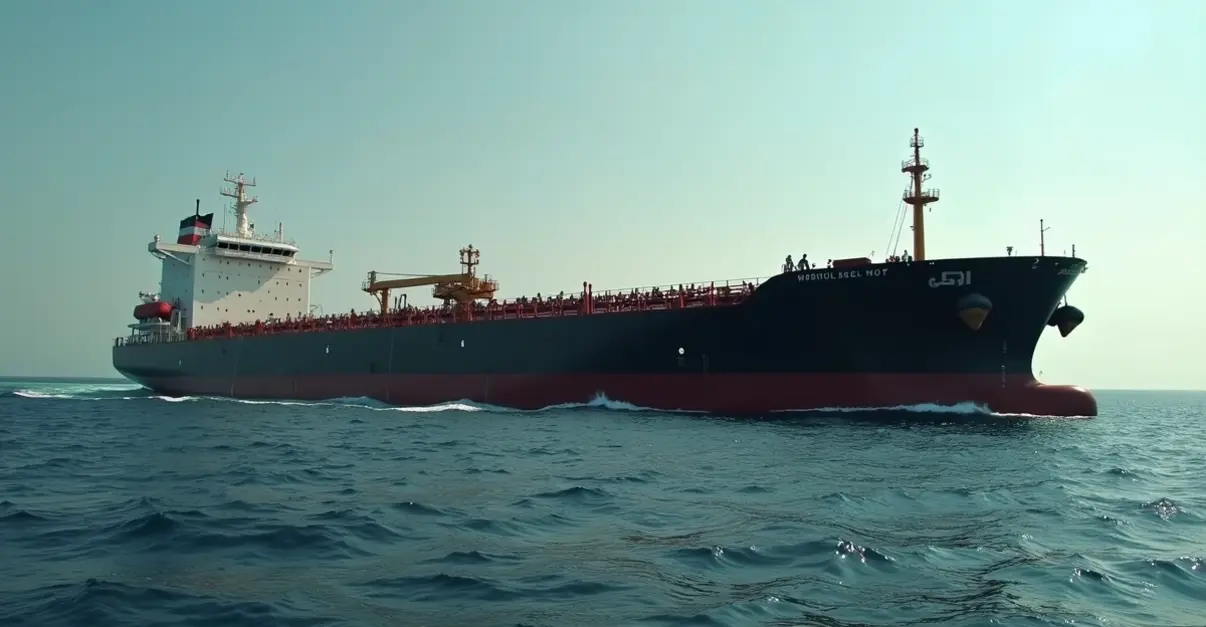
The United States has issued a critical security advisory urging American-flagged commercial vessels to stay 'as far as possible' from Iranian territorial waters when navigating the strategically vital Strait of Hormuz. This updated guidance from the US Maritime Administration (MARAD) represents a significant escalation in maritime security protocols amid heightened tensions between Washington and Tehran. The advisory specifically recommends that eastbound ships transit close to Oman's territorial sea instead of Iranian waters, marking a clear shift in navigation patterns for one of the world's most important oil shipping routes.
Background: Why the US Issued This Warning
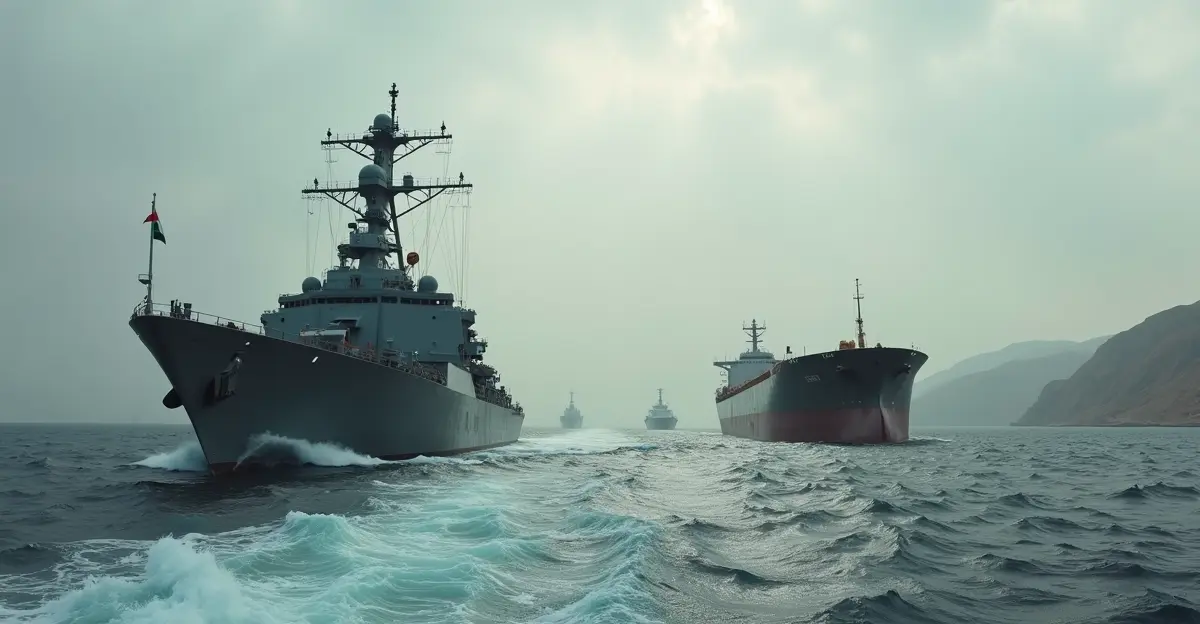
The February 2026 advisory follows several concerning incidents in the region, including a February 3rd incident where Iranian gunboats allegedly approached a US-flagged cargo ship in the Strait of Hormuz. According to US military officials, small boats operated by Iran's Islamic Revolutionary Guard Corps (IRGC) harassed the commercial vessel, prompting a US Navy guided-missile destroyer to intervene and escort the ship to safety. This incident occurred against the backdrop of ongoing Middle East geopolitical tensions that have brought the two nations to the brink of conflict multiple times in recent years.
The advisory states: 'There is an ongoing risk to commercial vessels operating in the area of being detained, questioned, boarded, detained, or seized by Iranian forces.' This warning represents an update from previous guidance that stated there was 'no specific threat to US-flagged vessels in this area,' indicating a significant deterioration in the security situation.
Key Details of the US Maritime Advisory
Specific Navigation Instructions
The US Maritime Administration provides clear instructions for vessel operators:
- Eastbound vessels should transit as close as possible to the territorial sea of Oman
- Ships must stay as far as possible from Iranian territorial waters without compromising navigation safety
- Vessels should coordinate voyage planning with US Naval Forces Central Command
- Commercial ships are advised to maintain constant communication and situational awareness
Protocol for Iranian Boarding Attempts
The advisory includes specific guidance for crews if Iranian forces attempt to board US vessels:
- Verbally decline permission for Iranian forces to board
- Inform Iranian forces they are operating in accordance with international law
- Do not forcibly resist boarding parties (though this does not imply consent)
- Prioritize crew safety while maintaining vessel security
The Strategic Importance of the Strait of Hormuz
The Strait of Hormuz is arguably the world's most critical maritime chokepoint for global energy supplies. This narrow 21-mile-wide waterway connects the Persian Gulf to the Gulf of Oman and serves as the primary transit route for Middle Eastern oil exports. Key statistics about this vital passage include:
| Metric | Value | Global Significance |
|---|---|---|
| Daily Oil Transit | 13 million barrels | Nearly one-third of global seaborne crude flows |
| Global Oil Share | 20-21% | One-fifth of world's oil consumption |
| Strategic Importance | Critical chokepoint | Primary export route for Saudi Arabia, UAE, Kuwait, Qatar |
| Historical Tensions | Multiple conflicts | Iran-Iraq Tanker War, 2019 sabotage attacks |
Any disruption to shipping through the Strait of Hormuz would have immediate and severe consequences for global energy markets, potentially causing oil prices to spike and creating supply chain disruptions worldwide. This reality makes the current US advisory particularly significant for global energy security and international trade.
Recent Incidents and Escalating Tensions
The maritime advisory comes amid several recent security incidents that have heightened concerns:
February 3rd Boarding Attempt
Iranian small boats allegedly harassed a US-flagged cargo ship in the Strait of Hormuz, requiring US Navy intervention. A Pentagon spokesperson stated: 'US military support ultimately prevented escalation at that moment, but the incident demonstrates the ongoing risks in the region.'
Aircraft Carrier Incident
In a separate development, the US military reported shooting down an Iranian Shahed-136 drone that approached the USS Abraham Lincoln aircraft carrier in the Arabian Sea. An F-35 fighter jet from the carrier destroyed the drone, which Iranian forces typically use for reconnaissance missions but can also deploy as kamikaze drones.
Iranian Military Exercises
Iran recently conducted live-fire military drills in the Strait of Hormuz, prompting warnings from US Central Command about unsafe behavior that could threaten American warships or commercial vessels. These exercises occurred alongside threatening rhetoric from Iranian officials about turning the strait into a 'place of massacre' for US forces.
Diplomatic Context and Nuclear Talks
Despite the escalating maritime tensions, the US and Iran recently held indirect talks in Oman regarding Tehran's nuclear program. These discussions marked the first diplomatic engagement since US forces bombed Iranian nuclear facilities during a 12-day conflict in June 2025. The talks focused on several key issues:
- Iran's uranium enrichment activities and stockpiles
- Verification mechanisms for nuclear compliance
- Regional security concerns and proxy activities
- Potential sanctions relief in exchange for nuclear concessions
The maritime advisory paradoxically comes during these diplomatic efforts, highlighting the complex nature of US-Iran relations where security concerns and diplomatic engagement often proceed simultaneously. Experts note that the advisory serves as both a practical safety measure and a political signal about US concerns regarding Iranian behavior in the region.
Impact on Global Shipping and Energy Markets
The US advisory has immediate implications for commercial shipping and global energy security:
Shipping Industry Response
Major shipping companies and tanker operators are reviewing their routes and security protocols in response to the advisory. Insurance premiums for vessels transiting the Strait of Hormuz are expected to increase, adding to operational costs for energy companies and shipping firms. The guidance may lead to longer transit times as vessels adjust their routes to comply with the recommendations.
Energy Market Implications
With approximately 13 million barrels of oil passing through the Strait of Hormuz daily, any perceived threat to shipping can cause market volatility. Energy analysts note that while the advisory itself doesn't disrupt flows, it signals heightened risks that could affect oil prices and supply chain planning. The situation bears watching for global economic stability given the strait's critical role in energy transportation.
International Shipping Community
The International Maritime Organization and other shipping associations are monitoring the situation closely. Many non-US flagged vessels may also adjust their routes as a precaution, given the advisory's implications for regional security. The guidance represents a significant development in maritime security protocols that could influence global shipping patterns for the foreseeable future.
Frequently Asked Questions (FAQ)
What should US-flagged ships do if Iranian forces attempt to board?
Crews should verbally decline permission, state they're operating under international law, not forcibly resist (though this doesn't imply consent), and prioritize crew safety while maintaining communication with US authorities.
How much oil passes through the Strait of Hormuz daily?
Approximately 13 million barrels of crude oil transit the Strait of Hormuz each day, representing nearly one-third of global seaborne crude flows and about 20-21% of global oil consumption.
Why did the US issue this advisory now?
The advisory follows a February 3rd incident where Iranian boats harassed a US-flagged ship, ongoing Iranian military exercises in the area, and heightened regional tensions despite recent diplomatic talks.
What's the strategic importance of the Strait of Hormuz?
The strait is the world's most important oil chokepoint, serving as the primary export route for Middle Eastern oil producers including Saudi Arabia, UAE, Kuwait, and Qatar. Any disruption would severely impact global energy supplies.
Are diplomatic talks continuing despite the maritime tensions?
Yes, the US and Iran recently held indirect talks in Oman regarding Tehran's nuclear program, marking their first engagement since June 2025 conflicts, demonstrating the complex nature of US-Iran relations.

Follow Discussion