


 Deutsch
 English
 Español
 Français
 Nederlands
 Português


 Share
Share




What is the Strait of Hormuz Crisis?
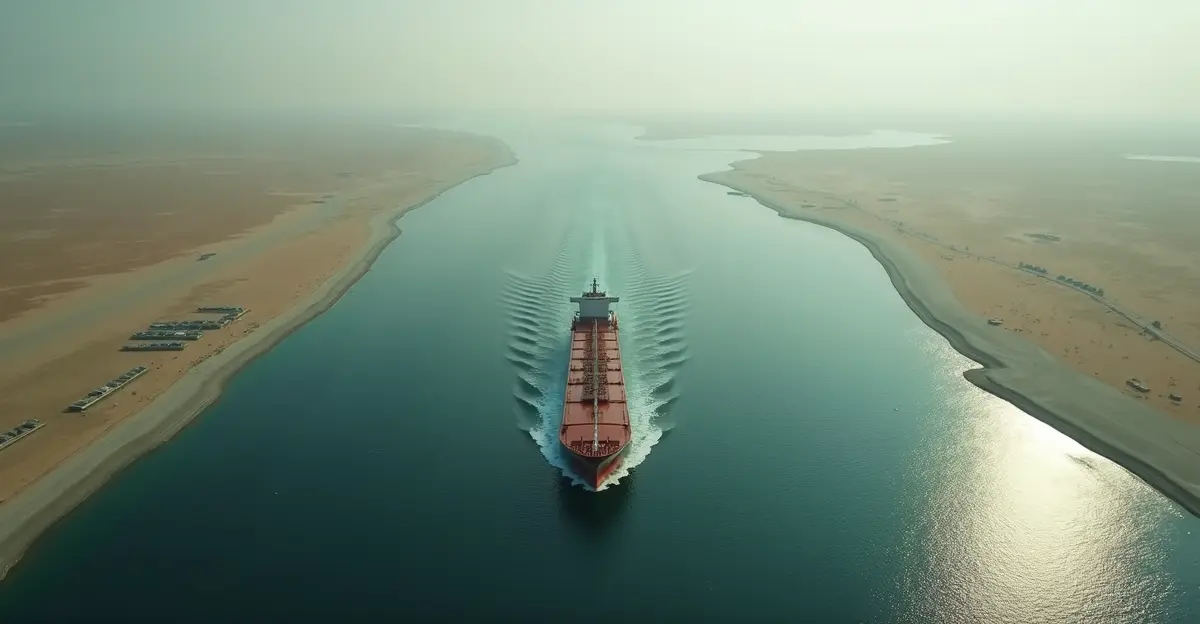
The Strait of Hormuz crisis represents one of the most significant disruptions to global energy shipping in decades, with Iran's March 2026 blockade causing tanker traffic to plummet from 140 daily transits to near-zero levels. This critical maritime chokeppoint, which normally handles 20% of the world's oil supply and 31% of seaborne crude flows, has become a geopolitical flashpoint following US-Israeli strikes on Iran in late February 2026. The situation has created a standoff between Western powers and Iran, with President Donald Trump urging tanker crews to 'show some guts' while ship owners face impossible choices between risking Iranian attacks or abandoning lucrative shipping routes.
Background: Iran's Strategic Blockade
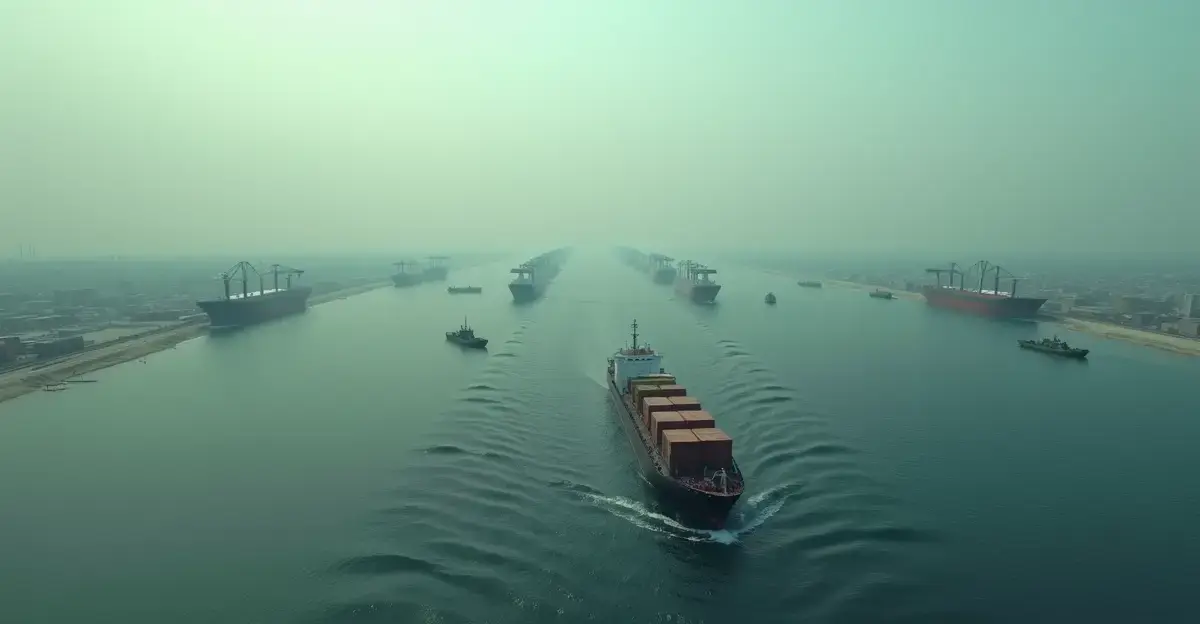
Following the assassination of Iran's Supreme Leader Ali Khamenei and subsequent US-Israeli military strikes on February 28, 2026, Iran's Revolutionary Guard Corps announced the closure of the Strait of Hormuz on March 2. This 104-mile waterway between the Persian Gulf and Gulf of Oman serves as the only sea passage for oil exports from major producers like Saudi Arabia, Iraq, and the UAE. The blockade has effectively paralyzed global energy shipping, with over 1,000 tankers now anchored on both sides of the strait awaiting instructions. 'The Straits of Hormuz can be a street of peace and prosperity for all, or a street of humiliation and suffering for warmongers,' warned Iranian security chief Larijani, highlighting Tehran's willingness to use energy as a geopolitical weapon.
Shipping Industry Response and 'Dark Mode' Operations
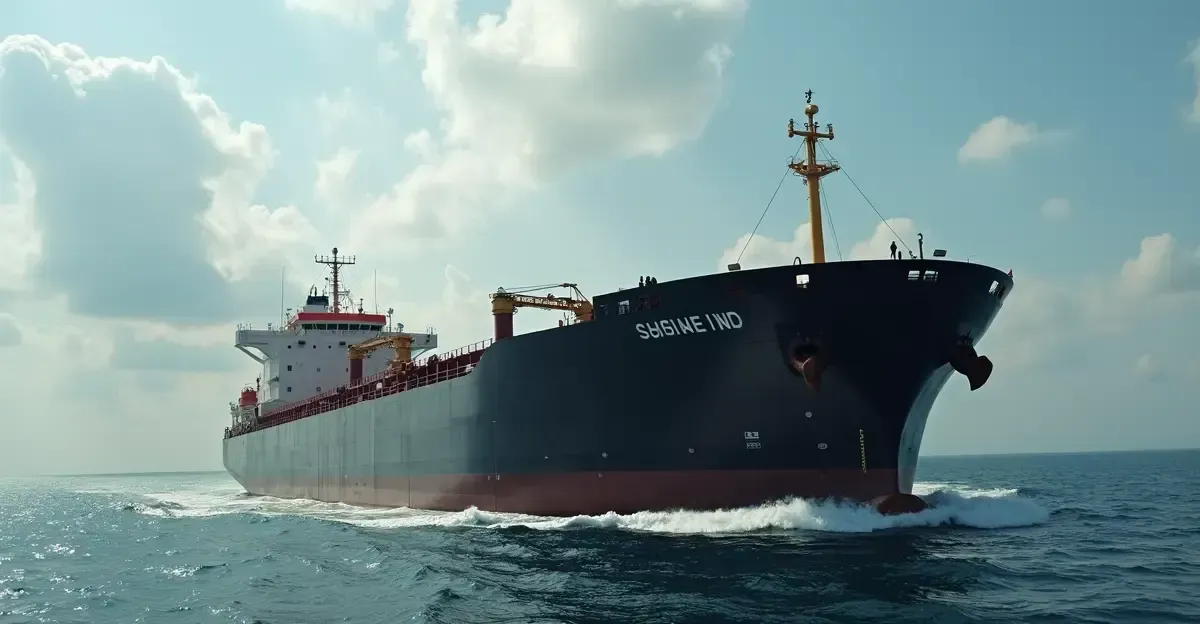
The shipping industry has responded with extreme caution to the Iranian threat. Major carriers including Maersk, MSC, CMA CGM, Hapag-Lloyd, and COSCO have suspended all bookings and transits through the region. Insurance providers have issued war-risk notices, making it financially impossible for most ship owners to operate without coverage. The few tankers attempting passage are operating in 'dark mode' - turning off automatic identification systems (AIS) that broadcast their location and course, or using false names to appear as Russian or Chinese vessels. This dangerous practice requires crews to navigate using primitive methods like radar and visual observation due to widespread GPS jamming by Iranian, US, and Israeli forces.
Trump's Response and Military Escort Proposal
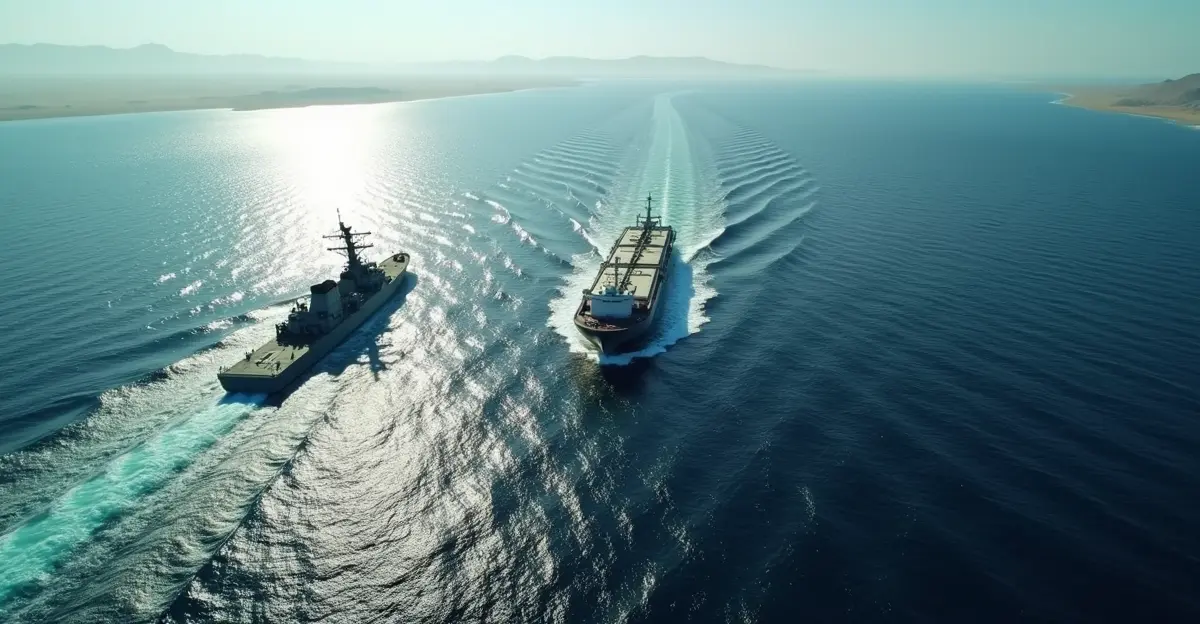
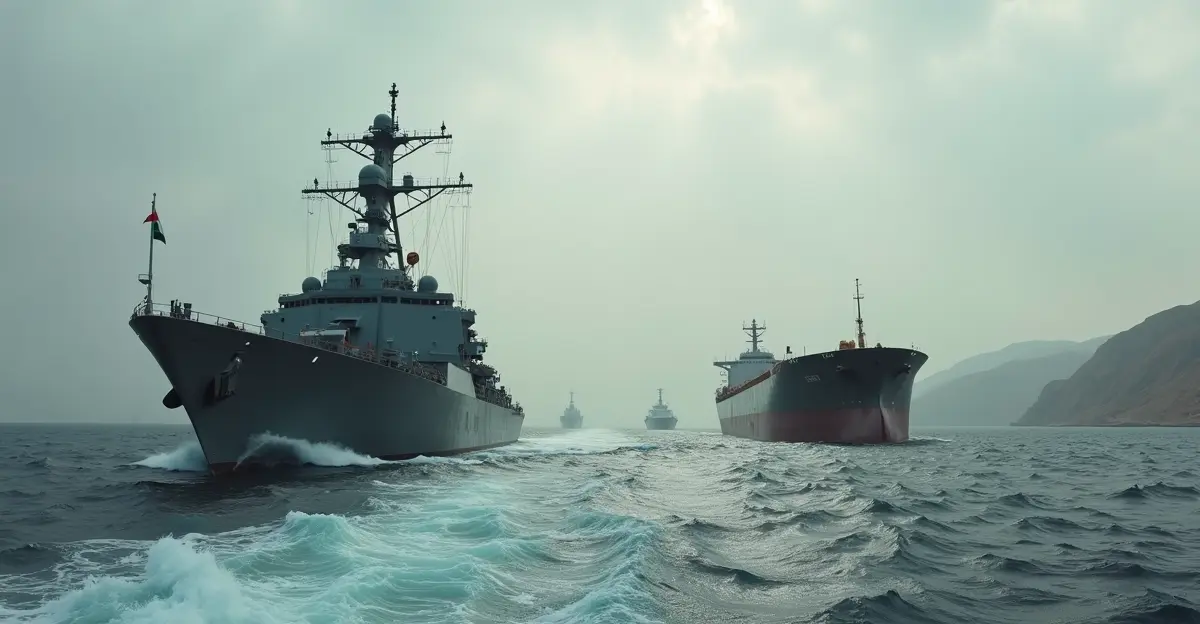
President Trump has taken an aggressive stance against the Iranian blockade, urging tanker crews to demonstrate courage despite the clear dangers. 'The bemanning of tankers must show more guts because the Iranian navy has now been destroyed,' Trump stated, though maritime experts dispute this assessment. The administration has offered $17 billion in US government insurance guarantees for tankers whose commercial coverage has been withdrawn, and proposed military escorts through the strait. However, multiple ship owners have indicated they won't risk passage even with American naval protection, citing concerns about Iranian drone and missile capabilities that have already damaged or sunk 50 Iranian warships according to US General Caine.
Global Economic Impact and Oil Price Volatility
The economic consequences of the Strait of Hormuz closure are already severe. Brent crude prices have surged past $100 per barrel, with experts warning they could reach $150-$215 if the blockade continues. The disruption affects 82% of crude bound for Asian markets, particularly China, India, and Japan - major manufacturing economies that depend on Middle Eastern oil. Route diversions around Africa are adding 10-14 days to transit times, creating supply chain bottlenecks and increasing shipping costs. European leaders including British Prime Minister Starmer, German Chancellor Merz, and Italian Premier Meloni are discussing options to support free navigation, though no concrete plans have emerged.
Chinese Intelligence Gathering and Regional Dynamics
Adding complexity to the situation, China has deployed its advanced Liaowang-1 signals intelligence vessel to the Gulf of Oman. This 30,000-ton 'floating supercomputer,' commissioned in 2025, features sophisticated surveillance systems capable of tracking up to 1,200 missiles and aircraft simultaneously. While officially supporting China's space program, the vessel's position allows monitoring of US and Israeli military movements, potentially providing Iran with real-time intelligence. The presence of Chinese Type 055 and Type 052D destroyers as escorts represents a significant strategic development in the region, similar to the South China Sea maritime disputes where great power competition plays out through naval positioning.
Insurance Crisis and Risk Management
The insurance industry faces unprecedented challenges with war-risk premiums skyrocketing and many providers withdrawing coverage entirely. Without insurance, ship owners cannot operate legally or financially, creating a catch-22 situation. The global shipping insurance market has been thrown into turmoil, with underwriters struggling to assess risks in what has become essentially a war zone. Some vessels are attempting to register under Chinese ownership to avoid Iranian targeting, though this provides limited protection against sophisticated Iranian drone systems that can identify vessels through multiple verification methods.
Future Outlook and Resolution Scenarios
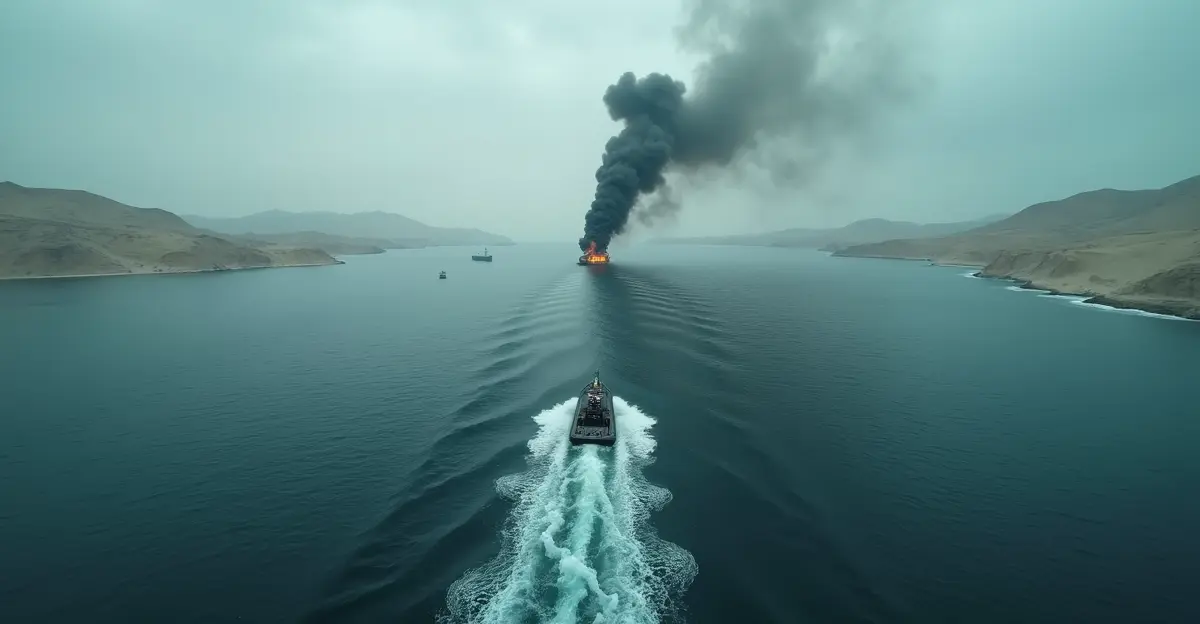
Experts outline several potential scenarios for resolving the crisis. The most optimistic involves diplomatic negotiations leading to limited Iranian concessions, perhaps allowing escorted convoys with international oversight. A middle scenario sees continued low-level conflict with periodic attacks on shipping, maintaining high insurance costs and reduced traffic. The worst-case scenario involves a full-scale regional conflict that could close the strait for months, triggering global recession and energy rationing. Unlike previous Middle East conflicts, the 2026 Iran war escalation involves more sophisticated drone and missile technology, making traditional naval protection less effective and increasing risks for commercial shipping.
Frequently Asked Questions
Why is the Strait of Hormuz so important?
The Strait of Hormuz is the world's most critical oil chokepoint, handling approximately 20 million barrels per day or 20% of global oil consumption. It's the only sea route connecting major Gulf oil producers to international markets.
How long can the blockade last?
Experts estimate Iran has supplies to maintain the blockade for several months, though economic pressure on Tehran grows daily. The situation could resolve quickly with diplomacy or persist for extended periods if military conflict escalates.
What are the alternatives to Hormuz shipping?
Limited alternatives exist: pipelines from Saudi Arabia to the Red Sea can handle about 5 million barrels daily, and UAE pipelines bypass the strait for 1.5 million barrels. Most diverted shipping must travel around Africa, adding significant time and cost.
How are oil prices affected?
Brent crude has surged past $100/barrel with predictions of $150-$215 if the blockade continues. The price spike affects everything from gasoline costs to manufacturing and consumer goods prices globally.
What safety measures are tankers taking?
Tankers are using 'dark mode' navigation (turning off tracking systems), employing false identification, traveling in convoys when possible, and relying on radar instead of GPS due to signal jamming.
Follow Discussion