


 Deutsch
 English
 Español
 Français
 Nederlands
 Português


 Share
Share




What is the Strait of Hormuz and Why Does It Matter?
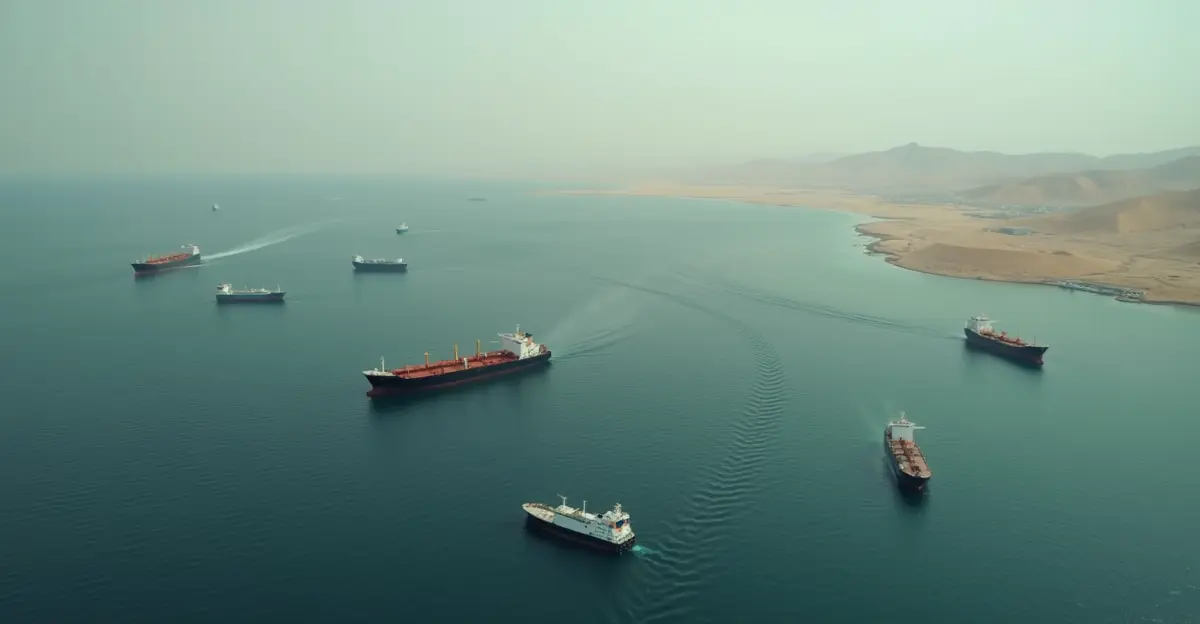
The Strait of Hormuz is one of the world's most critical maritime chokepoints, a narrow 21-mile-wide waterway connecting the Persian Gulf to the Gulf of Oman. This strategic passage handles approximately 20% of global oil consumption and 25% of seaborne oil trade, making it the lifeblood of the world economy. As of March 2026, Iran has dramatically tightened its grip on this vital artery, creating what experts call the most severe global energy crisis in decades.
Iran's Escalating Control: A Strategic Wargrip
Despite ongoing U.S. and Israeli airstrikes against Iranian military targets, Tehran has successfully maintained what analysts describe as a 'wurggreep' or stranglehold on the Strait of Hormuz. The situation escalated dramatically on March 12, 2026, when Iran's new Supreme Leader, Ayatollah Mojtaba Khamenei, issued his first public statement declaring that 'the lever of blocking the Strait of Hormuz must definitely continue to be used' as a tool against Western powers.
Recent Attacks and Shipping Disruptions
Iran has conducted a series of coordinated attacks on commercial shipping in recent days, including:
- A Thai-flagged container ship, Mayuree Naree, struck by Iranian projectiles near Dubai, leaving three crew members missing
- Two vessels set ablaze in Iraq's Basra port using underwater drones
- At least 14 ships attacked since the conflict began on February 28, 2026
- Shipping traffic through the strait has plunged by 90%
Michiel Hijmans, former commander of the Royal Netherlands Navy and current Clingendael Institute analyst, expressed surprise at Iran's continued capabilities: 'The Iranian navy is hard attacked. But they are still able to attack tankers and set them on fire.' He noted that even the threat of mines is enough to close the strait, as detection remains extremely difficult.
The Global Economic Impact: Oil Prices and Market Chaos
The disruption has created immediate and severe consequences for global energy markets:
| Metric | Pre-Conflict Level | Current Status (March 2026) | Impact |
|---|---|---|---|
| Brent Crude Price | $78-82 per barrel | $99.35 per barrel (8% surge) | Peaked near $120 before retreat |
| Daily Oil Transit | 20 million barrels | 2 million barrels (90% reduction) | 15 million barrels stranded in Gulf |
| Shipping Insurance | Standard coverage | Withdrawn by major insurers | Vessels 'going dark' by disabling trackers |
| Global LNG Transit | 20% of world supply | Virtually halted | Asian markets particularly affected |
Lucia van Geuns, energy expert at The Hague Centre for Strategic Studies, explained the structural nature of the crisis: 'What Iran does is attack and destroy infrastructure important for oil exports. That makes the market very nervous. This problem is no longer just short-term; it gets a structural character because all damage must be repaired.'
Iran's Strategic Calculus: Selective Shipping and Chinese Exports
Despite the blockade, Iran has maintained selective shipping operations, particularly to China. According to vessel-tracking data, Iran has shipped at least 11.7 million barrels of crude oil to China since the conflict began, with tankers reportedly receiving Iranian approval for passage. This selective approach allows Tehran to maintain revenue while keeping global prices high.
The situation resembles previous Middle East energy crises but with more sophisticated Iranian capabilities. Meanwhile, Western powers face difficult choices about military intervention at critical infrastructure like Kharg Island, Iran's main oil terminal in the Persian Gulf.
International Response and Naval Escorts
The G7 countries are discussing plans to escort oil tankers through the strait with naval vessels. U.S. Energy Secretary Wright suggested American naval escorts could begin by late March, though Iranian officials mocked the announcement on social media, suggesting such successes only occurred 'on the PlayStation.'
The U.S. Fifth Fleet maintains patrols in the region, but faces challenges from Iran's asymmetric warfare capabilities including:
- Small boats capable of laying mines
- Shore-based anti-ship missiles
- Explosive-laden suicide drones
- Underwater drone technology
Long-Term Implications for Global Energy Security
The crisis highlights the vulnerability of global energy infrastructure to geopolitical tensions. As Van Geuns notes, even when the strait reopens, oil exports won't immediately resume because 'refineries and gas and oil wells are still broken.' The International Energy Agency has coordinated the release of 400 million barrels from strategic reserves, but this provides only temporary relief.
The situation has particular significance for global shipping routes and energy-dependent economies. Asian nations like China, India, and Japan, which import approximately 65% of their oil from the Persian Gulf, face particular vulnerability.
Frequently Asked Questions
Why is the Strait of Hormuz so important?
The Strait of Hormuz is the world's most important oil transit chokepoint, handling approximately 20 million barrels of oil daily (20% of global consumption) and 20% of global LNG shipments. It's the only sea passage from the Persian Gulf to open oceans.
How long can Iran maintain control of the strait?
Military analysts suggest Iran could maintain effective control for months using asymmetric warfare tactics like mine threats, even if their conventional navy suffers damage. The psychological impact of potential attacks may keep shipping traffic suppressed.
What are the alternatives to the Strait of Hormuz?
Limited alternatives exist. Some Gulf producers can use pipelines to Red Sea ports, but capacity is insufficient. Iran has resumed loading at its Jask terminal south of the strait, providing an alternative export route for its own oil.
How high could oil prices go?
Iran has warned prices could reach $200 per barrel if the blockade continues. Brent crude already peaked near $120 before retreating to around $99.35. Sustained prices above $100 would trigger global inflation and recession risks.
What is the U.S. military response?
The U.S. has targeted Iranian minelayers and maintains Fifth Fleet patrols, but has avoided attacking Iran's critical Kharg Island oil infrastructure, reportedly to preserve post-war recovery options.

Follow Discussion