


 Deutsch
 English
 Español
 Français
 Nederlands
 Português


 Share
Share




What is the Strait of Hormuz Crisis?
Multiple major oil tankers are avoiding the Strait of Hormuz following escalating military tensions between the United States and Iran, creating immediate risks for global energy markets and potential oil price spikes. According to Bloomberg reports on February 28, 2026, shipping companies including Japan's Nippon Yusen KK and Greece's merchant fleet have instructed vessels to avoid this critical waterway that handles approximately 20% of global oil shipments and one-fifth of liquefied natural gas (LNG) transport daily. The Middle East geopolitical tensions have reached a critical point where commercial shipping companies are prioritizing safety over transit efficiency, potentially triggering a global energy supply chain disruption.
Why Are Tankers Avoiding the Strait of Hormuz?
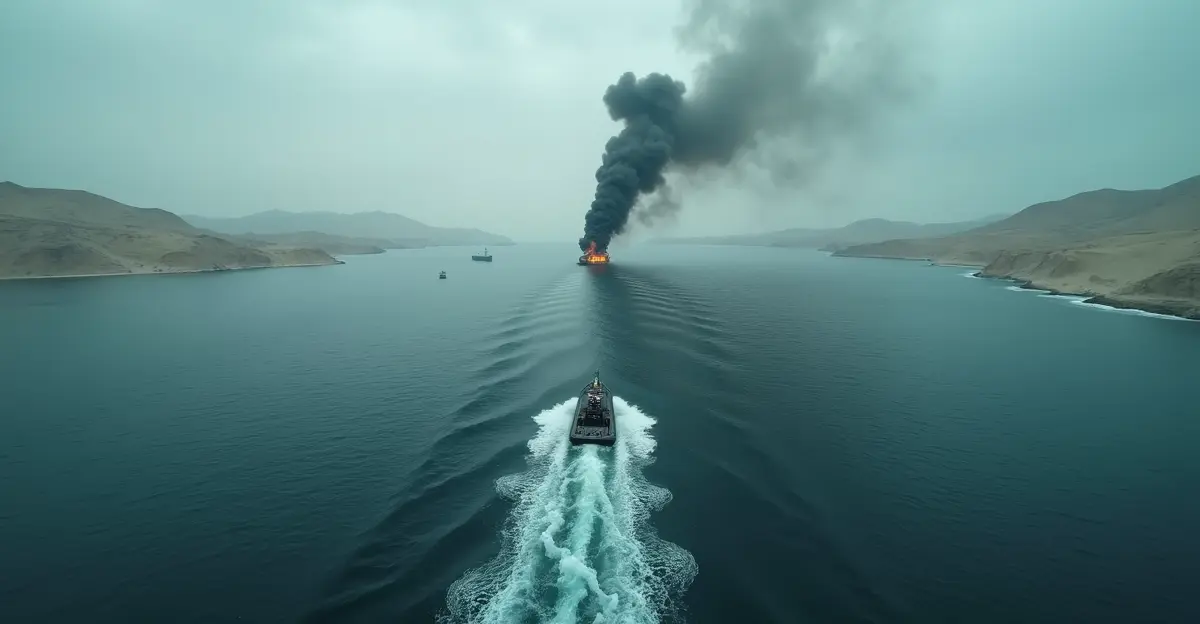
The immediate catalyst for the shipping rerouting appears to be recent U.S. military strikes against Iranian targets, which have raised fears that the Strait of Hormuz could become directly involved in military conflict. The strait, a narrow 104-mile passage between Iran and Oman, serves as the only sea route from the Persian Gulf to open ocean waters, making it the world's most important oil shipping chokepoint.
Key Developments in the Shipping Crisis
- Japanese Shipping Giant Halts Operations: Nippon Yusen KK, one of Japan's largest shipping companies, has ordered its entire fleet to avoid the Strait of Hormuz until further notice.
- Greek Advisory Issued: Greece, which operates one of the world's largest merchant fleets, has advised all Greek-flagged vessels to reassess passage through the region.
- Major Oil Companies Suspending Shipments: According to Reuters sources, several major oil companies and commodity trading houses have suspended crude oil and fuel shipments via the strait.
- U.S. Navy Warnings: INTERTANKO, the association for independent oil tankers, reports that the U.S. Navy has warned that it cannot guarantee vessel safety in the area.
Global Energy Market Impact
The potential consequences of prolonged Strait of Hormuz disruption could be severe for global energy markets. Florence Schmit, energy expert at Rabobank, warns: 'If Qatar cannot export LNG cargoes due to infrastructure damage or shipping obstacles, the effect on global gas prices would be dramatic.' Qatar is a critical supplier of liquefied natural gas to both Asia and Europe, and any disruption to its exports would have immediate price impacts.
Oil Price Projections and Market Reactions
Oil markets have already reacted to the developing situation, with West Texas Intermediate crude rising as much as 12% in retail trading following the initial reports. Analysts suggest that if the current situation persists, oil prices could surge above $100 per barrel, creating inflationary pressures worldwide. The global energy supply chain faces particular vulnerability because limited alternative routes exist for Persian Gulf oil exports.
| Metric | Impact | Timeframe |
|---|---|---|
| Oil Price Increase | Up to 12% immediate spike | Immediate |
| Shipping Costs | Insurance premiums rising 30-50% | Within days |
| Global LNG Supply | 20% at risk from Qatar disruption | Within weeks |
| Alternative Routes | Limited pipeline capacity available | Long-term constraint |
Geopolitical Context and Historical Precedents
The current crisis occurs against a backdrop of escalating tensions between Iran and Western powers. While the Strait of Hormuz has never been completely closed during previous Middle East conflicts, Iran has repeatedly threatened closure as a strategic response to international pressure. The waterway's strategic importance cannot be overstated—approximately 20 million barrels of oil pass through daily, with most shipments destined for Asian markets including China, India, Japan, and South Korea.
Energy analyst Mark Thompson notes: 'This represents the most significant threat to global energy security since the 1970s oil embargoes. The combination of military conflict and shipping disruption creates a perfect storm for energy markets.' The situation has prompted OPEC to convene emergency meetings to discuss potential supply increases, though capacity constraints may limit their ability to fully offset any major disruption.
What Happens Next: Scenarios and Implications
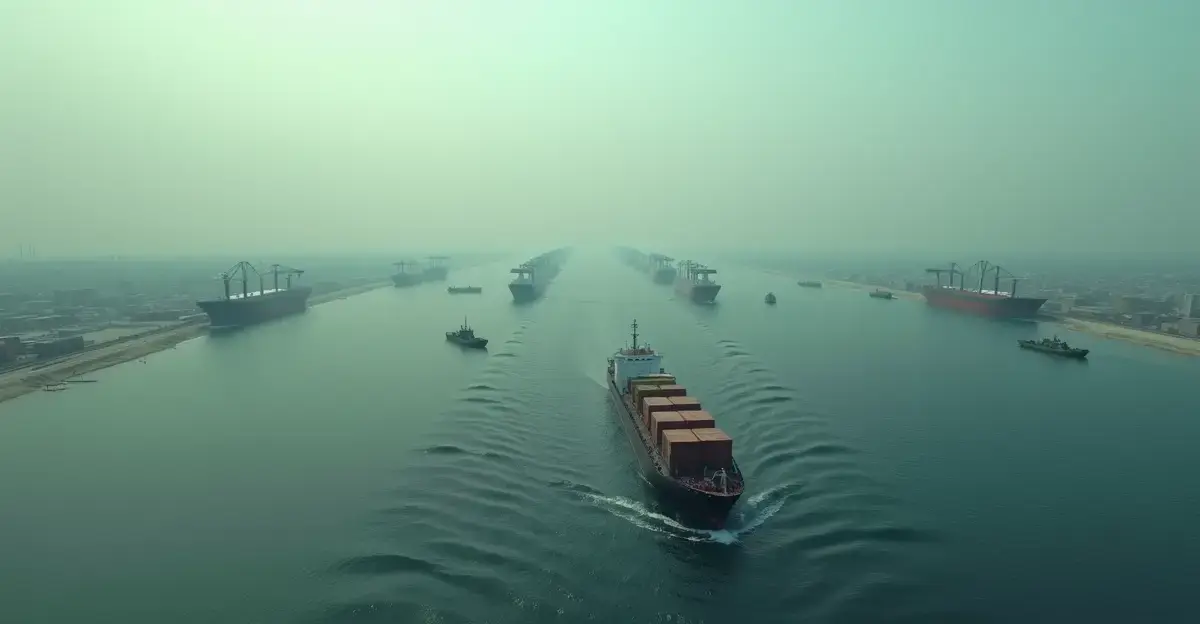
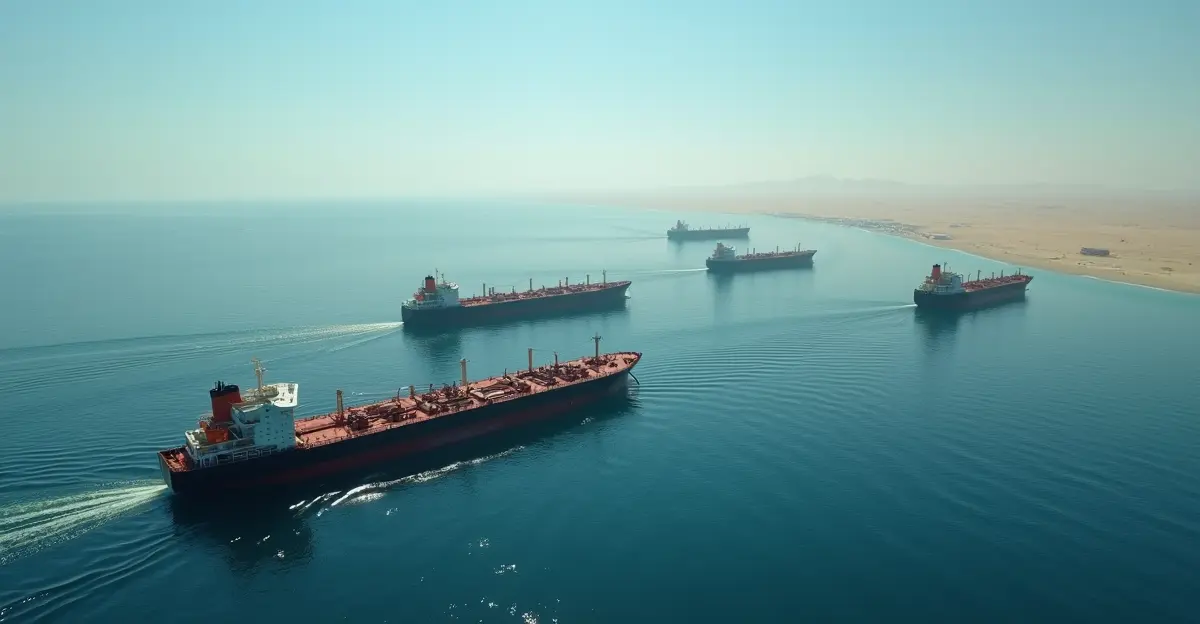
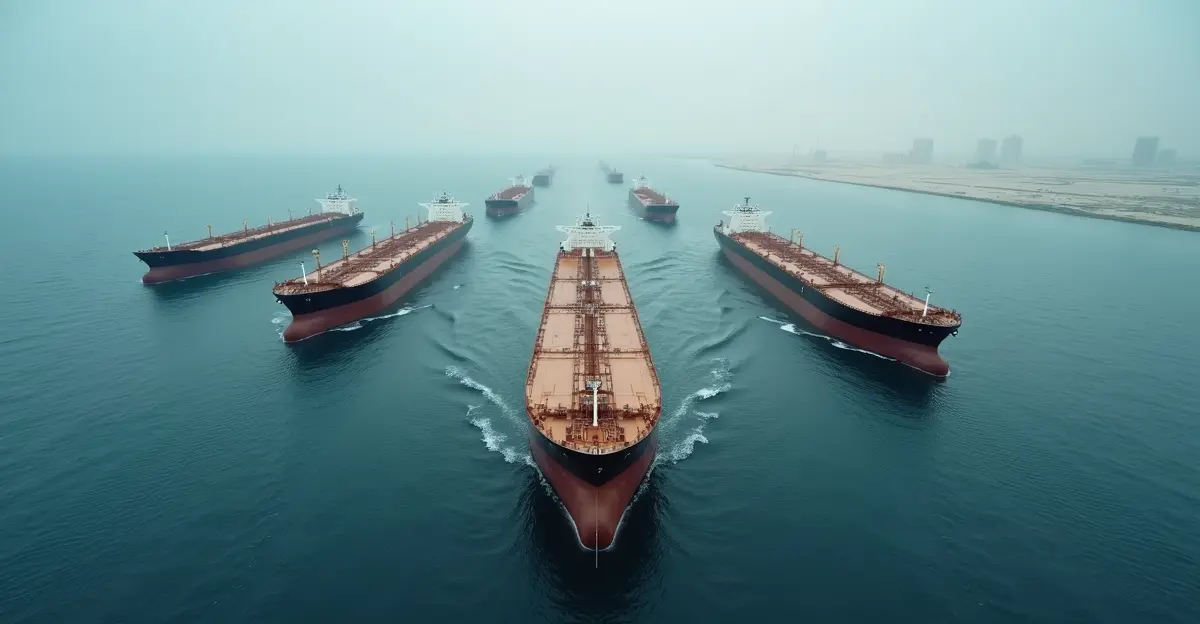
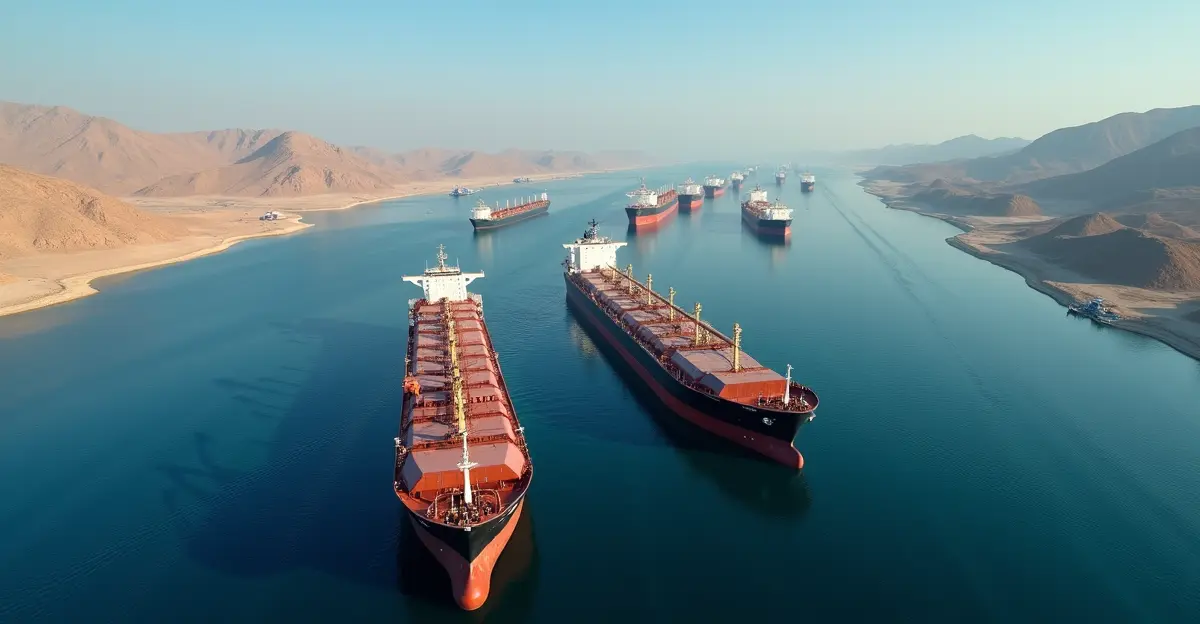
The immediate future depends on several factors, including diplomatic efforts to de-escalate tensions and the willingness of shipping companies to resume normal operations. However, with a growing flotilla of idling tankers building up on both sides of the strait, the international shipping industry faces difficult decisions about risk management and operational continuity.
Potential Outcomes
- Short-term Disruption: If tensions de-escalate quickly, shipping may resume within days with minimal long-term impact.
- Medium-term Rerouting: Continued avoidance could lead to permanent rerouting patterns, increasing shipping costs and transit times.
- Full Closure Scenario: In the worst-case scenario of actual strait closure, global oil prices could spike 50-100%, triggering economic recession.
Frequently Asked Questions (FAQ)
What is the Strait of Hormuz?
The Strait of Hormuz is a narrow sea passage between Iran and Oman that connects the Persian Gulf to the Gulf of Oman. It's the world's most important oil shipping chokepoint, handling approximately 20% of global oil consumption daily.
Why are oil tankers avoiding it now?
Tankers are avoiding the strait due to security concerns following U.S. military strikes against Iran and warnings from naval authorities that vessel safety cannot be guaranteed in the current tense environment.
How will this affect gas and oil prices?
Prices have already risen significantly, with potential for further increases if the situation persists. LNG prices could be particularly affected due to Qatar's critical role in global supply.
Which countries are most affected?
Asian nations like China, Japan, India, and South Korea are most exposed, as they receive the majority of Persian Gulf oil shipments. European countries also face LNG supply risks.
How long might this disruption last?
The duration depends on geopolitical developments. Some analysts predict days to weeks of disruption, while others warn of potential months-long impacts if tensions escalate further.

Follow Discussion