


 Deutsch
 English
 Español
 Français
 Nederlands
 Português


 Share
Share




What is the Strait of Hormuz and Why Does Its Closure Matter?
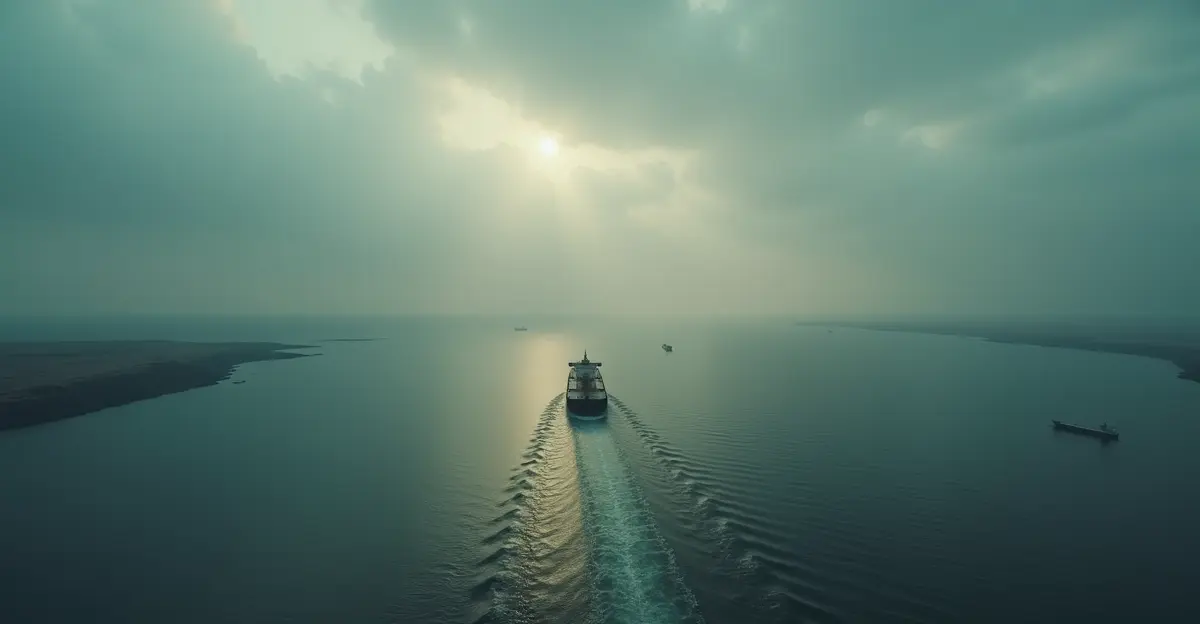
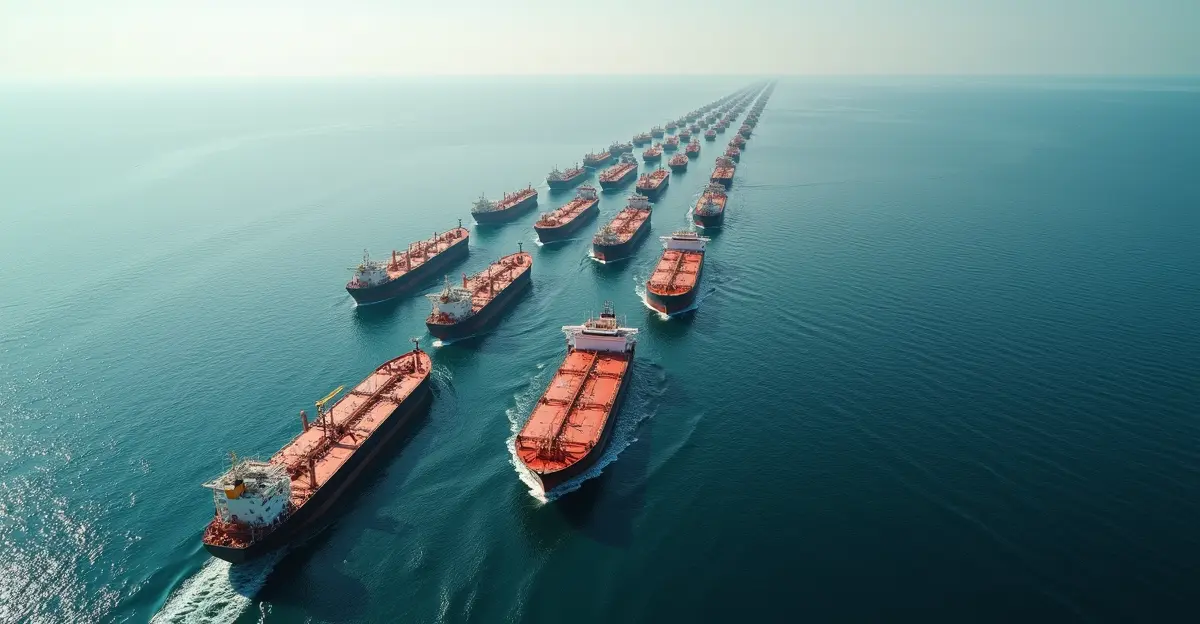
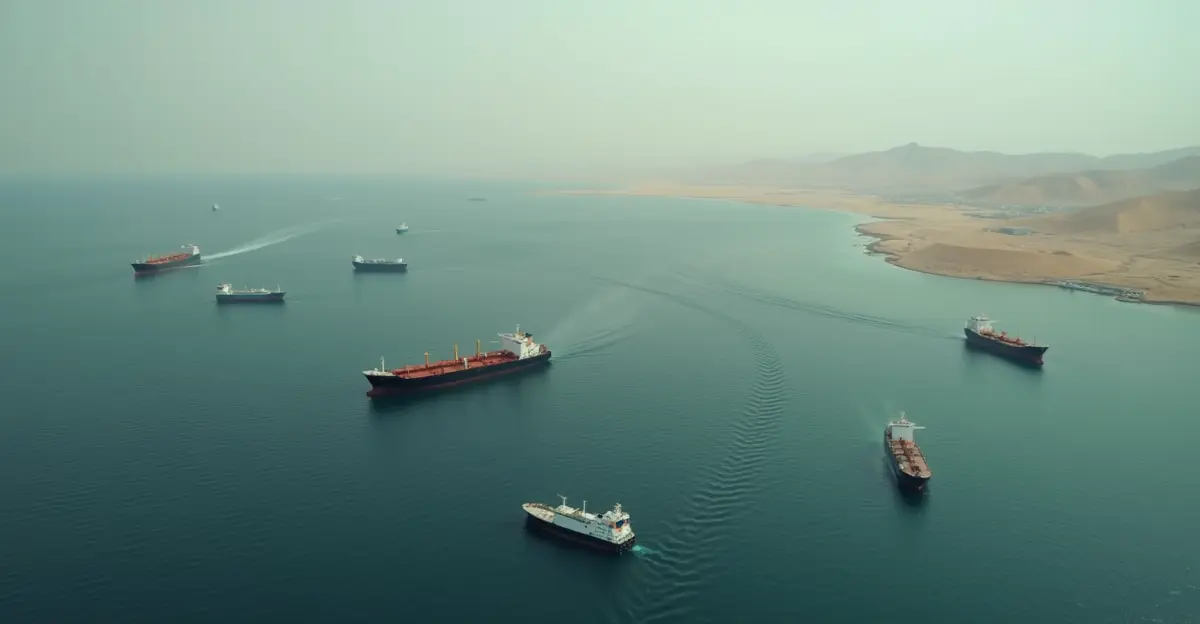
The Strait of Hormuz is one of the world's most critical maritime chokepoints, connecting the Persian Gulf to the Gulf of Oman and serving as the primary export route for Middle Eastern oil and gas. Approximately 20-30% of global oil supplies and 20% of liquefied natural gas (LNG) shipments pass through this narrow waterway daily. When Iran announced its blockade of the strait on February 28, 2026, energy markets immediately braced for significant disruption that will directly impact consumers at gas pumps worldwide.
The Immediate Impact on Global Energy Markets
Oil prices are expected to surge when markets reopen on Monday, with analysts predicting immediate increases of 15-25% following the blockade announcement. Brent crude, which recently settled at $72.48 per barrel, could potentially reach triple-digit territory if the closure persists beyond a few days. The Dutch Gasunie has already warned consumers to expect higher gas prices, particularly concerning given that Dutch gas reserves are at a historic low of just 11% capacity.
Why This Timing Is Particularly Dangerous
The blockade comes at the worst possible moment for European energy security. With winter heating season continuing until May 1, 2026, and gas storage facilities across Northwestern Europe at critically low levels, any disruption to LNG shipments from Qatar and other Gulf producers could have cascading effects. 'We're seeing incredible unrest on energy markets,' says Lucia van Geuns, energy expert at The Hague Centre for Strategic Studies. 'The entire value chain is disrupted, and this will be felt directly by consumers.'
How the Blockade Affects Different Regions
Europe's Vulnerable Position
While Europe has diversified its energy sources since the 2022 energy crisis, it remains vulnerable to Middle East disruptions. The Netherlands, which closed its Groningen gas field in 2023, now imports over half its gas via pipelines from Norway, with only a small portion coming as LNG from Qatar. However, the European energy security framework relies on well-functioning global markets, and any major disruption in the Gulf creates price spikes that affect all consumers.
Asia's Dependence on Gulf Energy
Asian nations face even greater risks. China, India, Japan, and South Korea collectively import 84% of crude oil shipments that pass through the Strait of Hormuz. These countries have limited alternative supply routes and would face immediate economic consequences from prolonged closure. The situation echoes previous global supply chain disruptions but with potentially more severe energy implications.
OPEC's Response and Market Dynamics
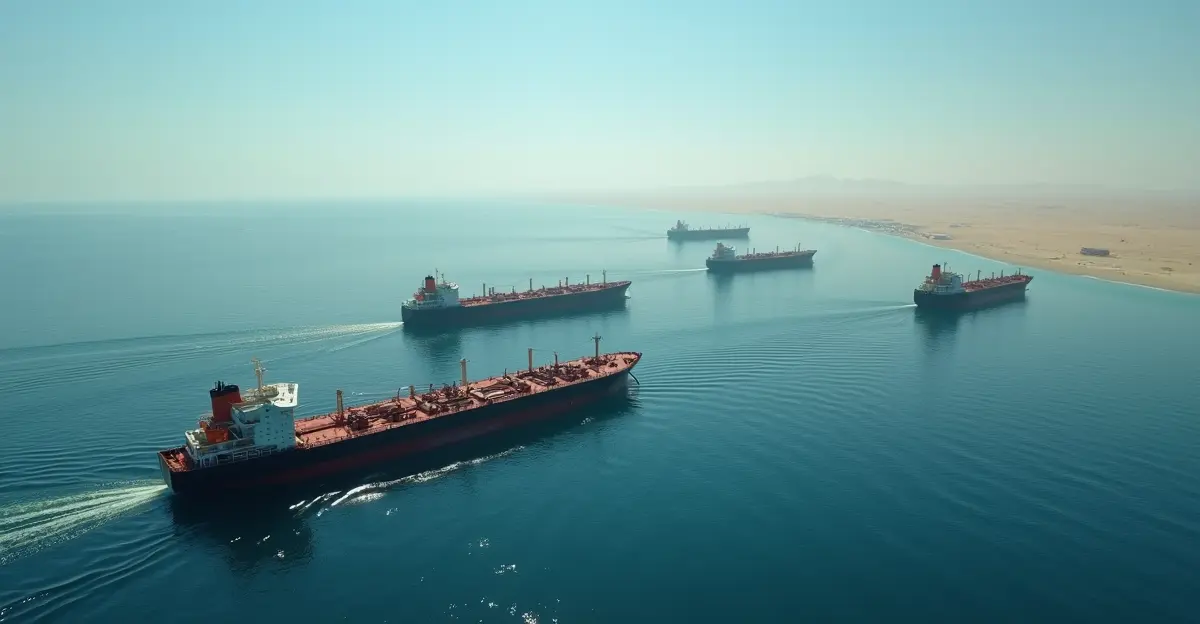
OPEC has announced plans to increase production by 206,000 barrels per day to stabilize markets, but experts question whether this will be sufficient. 'You have to not only extract those barrels from the ground but also export them, and that's where the bottleneck lies,' explains van Geuns. The physical logistics of rerouting oil shipments around the Arabian Peninsula through the Bab-el-Mandeb strait would add significant costs and transit time.
| Route | Daily Oil Volume | Alternative Options | Added Transit Time |
|---|---|---|---|
| Strait of Hormuz | 20 million barrels | Limited to none | N/A (blocked) |
| Bab-el-Mandeb | 4.8 million barrels | Already congested | 7-10 days longer |
| Cape of Good Hope | Emergency route | Extremely costly | 15-20 days longer |
What Consumers Can Expect at the Pump
Based on current market analysis, consumers should prepare for:
- Immediate price increases: Gasoline prices could rise 10-15 cents per liter within days
- Sustained higher costs: If the blockade lasts more than a week, prices may remain elevated for months
- Winter heating concerns: Natural gas prices for home heating could increase 20-30%
- Broader economic impact: Transportation and manufacturing costs will rise, potentially affecting inflation
The Dutch energy transition strategy faces new challenges as geopolitical tensions threaten to derail carefully planned supply diversification efforts.
Potential Escalation Scenarios
Energy analysts warn that the situation could worsen before improving. Iran possesses the capability to attack upstream oil infrastructure, including vulnerable gas fields in neighboring countries. Such escalation would cross significant geopolitical boundaries and likely trigger broader international response. However, most experts believe Iran will avoid this level of provocation due to the risk of alienating regional partners and facing united international opposition.
Frequently Asked Questions
How long could the Strait of Hormuz remain blocked?
Most analysts expect the blockade to last days rather than weeks, as prolonged closure would severely damage Iran's relationships with regional neighbors and trading partners. However, the exact duration depends on diplomatic negotiations.
Will my home heating costs increase immediately?
Yes, natural gas prices are already rising in wholesale markets, and these increases will filter through to consumer bills within the next billing cycle. The timing is particularly unfortunate as Europe needs to replenish gas storage before next winter.
Can alternative shipping routes replace the Strait of Hormuz?
Not effectively. While some oil can be rerouted through the Bab-el-Mandeb strait or around Africa's Cape of Good Hope, these alternatives add significant costs (20-40% higher shipping expenses) and transit time (7-20 additional days).
What's the worst-case scenario for oil prices?
If the blockade persists for more than two weeks and escalates into broader regional conflict, oil prices could exceed $100 per barrel, potentially reaching $120-130—levels not seen since the 2022 energy crisis.
How does this affect renewable energy development?
Ironically, such disruptions typically accelerate investment in renewable energy as countries seek to reduce dependence on volatile fossil fuel markets. However, short-term energy price spikes can also divert capital from long-term green investments.
Follow Discussion