


 Deutsch
 English
 Español
 Français
 Nederlands
 Português


 Share
Share




Energy Prices Surge: Complete Guide to Iran War Impact on Global Markets 2026
Global energy prices are experiencing unprecedented volatility as the Iran conflict enters a critical phase, with oil prices surging above $104 per barrel and European gas prices jumping 30% to €69 per megawatt-hour. The escalating Middle East war has triggered fears of a prolonged energy crisis, prompting emergency G7 meetings and threatening global economic stability as the Strait of Hormuz remains effectively closed to shipping.
What is Causing the Energy Price Crisis?
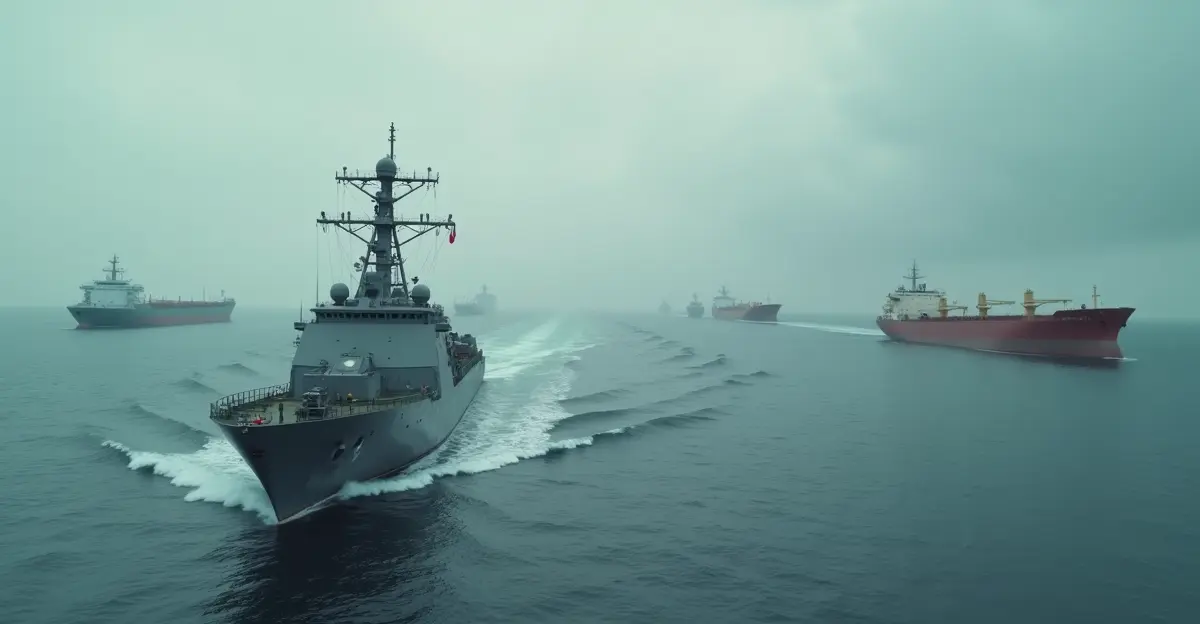
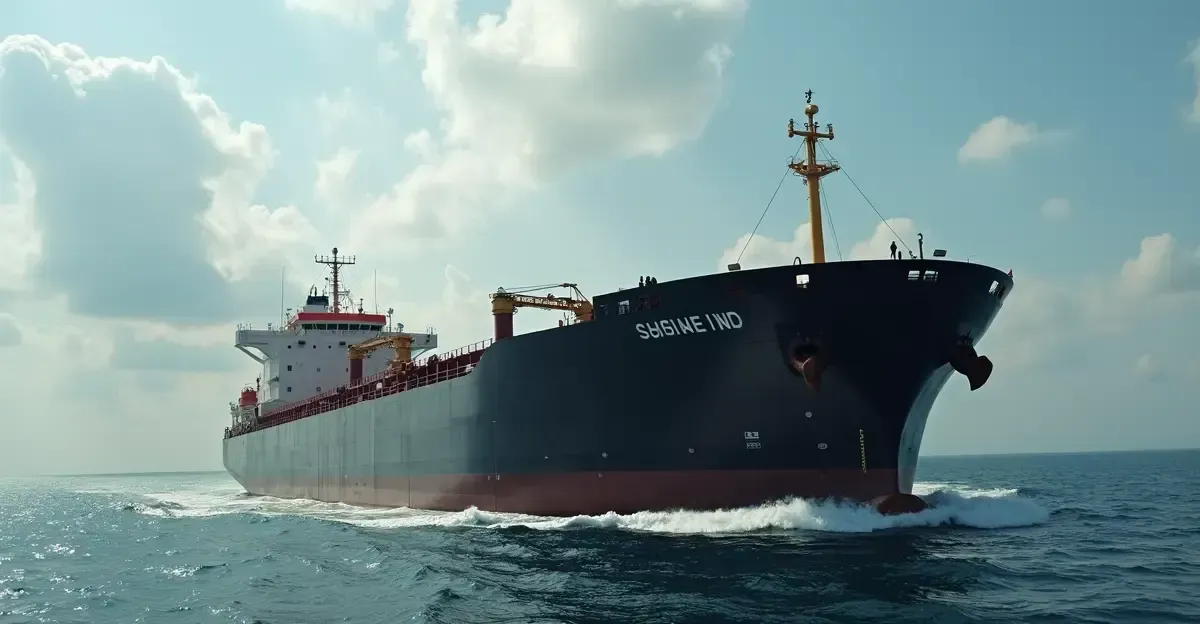
The current energy price surge stems directly from the expanding Iran conflict, which began in late February 2026. Iranian Revolutionary Guards have threatened to attack oil installations across the Middle East and have effectively closed the Strait of Hormuz, a critical chokepoint that handles 20% of global liquefied natural gas (LNG) and 25% of seaborne oil trade. This strategic waterway between Iran and the Arabian Peninsula has become a flashpoint, with Iran declaring ship passages "not allowed" since February 28, 2026.
Multiple Middle Eastern countries have already scaled back oil production in response to the threats, creating a perfect storm for energy markets. "Eigenlijk vindt de markt dat het conflict al lang genoeg duurt en daarom zie je de prijs de afgelopen dagen heel hard stijgen," says Lucia van Geuns, energy expert at the Hague Centre for Strategic Studies, highlighting market anxiety about prolonged conflict.
Global Emergency Response: G7 Strategic Reserve Release
Unprecedented Coordinated Action
In response to the escalating crisis, G7 finance ministers convened an emergency virtual meeting on March 9, 2026, to discuss coordinated release of strategic oil reserves. According to the Financial Times, the nations are considering tapping 25-30% of global emergency stockpiles, representing 300-400 million barrels of oil. This would be the largest coordinated release in history, dwarfing the 180-million-barrel release during the 2022 Russia-Ukraine crisis.
"Het zou verlichting kunnen geven," notes Van Geuns. "Het gaat over behoorlijk grote hoeveelheden die ze zouden willen aanboren. Het is in het verleden niet eerder om zulke hoeveelheden gegaan." The move aims to prevent an inflation shock that could trigger stagflation - economic stagnation combined with high inflation.
Market Impact and Price Volatility
Oil prices have experienced extreme volatility, with Brent crude futures surging to $119.50 per barrel before settling at $103.47, while WTI reached $119.48 before paring gains to $101.97. European gas prices at the Amsterdam exchange jumped approximately 30% to €69 per megawatt-hour. The situation has created uncertainty in financial markets, with Asian and European stock markets all showing losses.
Consumer Impact: From Gas Pumps to Household Bills
European Energy Price Surge
In the Netherlands, concerns about rising energy prices are mounting. According to a survey by energy supplier Essent among a thousand customers, people are deeply worried about what the energy crisis will mean for their household budgets. Essent is calling on the current cabinet to maintain the Temporary Energy Emergency Fund, which supports households with their energy costs but is set to expire soon.
Dutch Prime Minister Jetten stated during Nieuwsuur that there are currently no plans to adjust fuel excise duties. At present, a liter of gasoline costs an average of €2.39, while diesel costs even more at €2.46 per liter. "Op dit moment is er nog geen aanleiding om daarop in te gaan grijpen," said Jetten. "Dat zal ook echt afhangen van hoelang deze oorlog in Iran gaat duren."
Global Economic Implications
The crisis could hit Europe particularly hard as a net energy importer, though the U.S. also faces political pressure with gasoline prices up 20% in a month. Economists warn of higher prices and slower growth, with developing countries particularly vulnerable to economic shocks from shipping disruptions. The situation resembles previous global energy crises but with potentially more severe consequences due to the strategic importance of the Strait of Hormuz.
Strategic Importance of the Strait of Hormuz
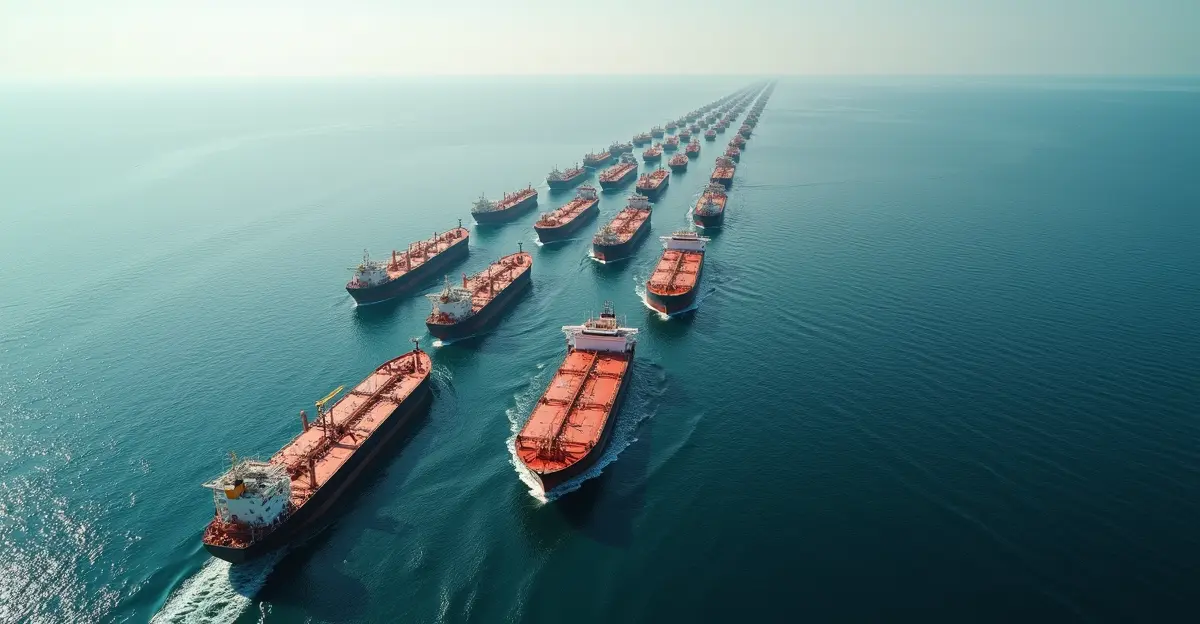
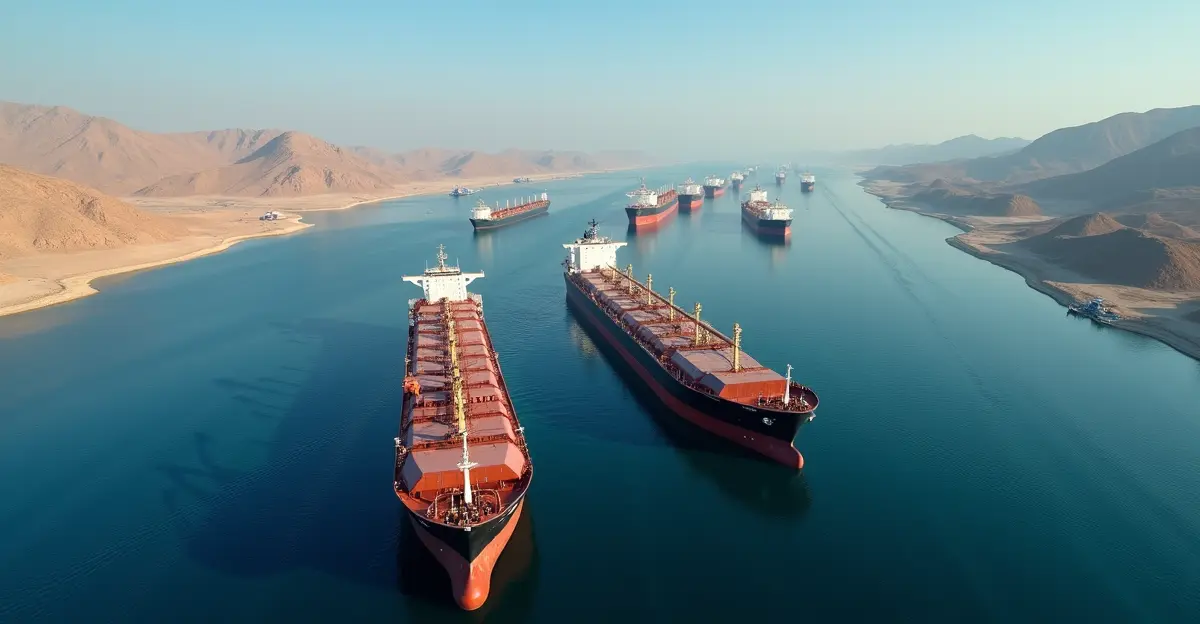
The Strait of Hormuz represents the world's most critical energy chokepoint, with approximately 20% of global LNG and 25% of seaborne oil trade passing through annually. The strait is about 104 miles long, with width varying from about 60 to 24 miles. During normal operations, ships follow a traffic separation scheme to reduce collision risk, but current Iranian threats have effectively suspended this vital shipping lane.
Qatar has already declared force majeure on its gas exports after Iranian drone attacks, affecting 20% of global LNG supply. Major oil producers like Saudi Arabia, UAE, Iraq and Kuwait have suspended shipments of up to 140 million barrels of oil. Former IEA head Neil Atkinson described the situation as "game-changing and unprecedented," stating "the sky is the limit" for oil prices if the strait remains closed.
Long-Term Implications and Market Outlook
The Iran conflict threatens both oil production and desalinated water infrastructure in the Persian Gulf region, which could have far-reaching consequences for global energy supplies and regional stability. While the G7 strategic reserve release provides temporary relief, concerns remain about long-term stability if the Hormuz closure persists beyond 60 days, potentially exhausting strategic reserves and forcing structural shifts in global energy markets.
European Central Bank officials warn of upside inflation risks, while markets now price in potential interest rate hikes. The crisis highlights the vulnerability of global energy systems to geopolitical conflicts and underscores the need for diversified energy strategies. As the conflict continues without immediate resolution in sight, energy markets face continued volatility and consumers worldwide brace for higher costs.
Frequently Asked Questions (FAQ)
How long will energy prices remain high?
Energy prices are expected to remain elevated as long as the Strait of Hormuz remains effectively closed. Experts suggest prices could stay high for months unless there's a diplomatic breakthrough or military resolution.
What percentage of global oil passes through the Strait of Hormuz?
Approximately 25% of seaborne oil trade and 20% of global LNG passes through the Strait of Hormuz annually, making it the world's most critical energy chokepoint.
How much are G7 countries releasing from strategic reserves?
G7 nations are considering releasing 300-400 million barrels, representing 25-30% of global emergency stockpiles, in the largest coordinated release in history.
What is the current price of oil and gas?
As of March 9, 2026, oil prices are above $104 per barrel, while European gas prices reached €69 per megawatt-hour after a 30% increase.
How are consumers being affected?
European consumers face gasoline prices averaging €2.39 per liter and diesel at €2.46 per liter, with household energy bills expected to increase significantly.

Follow Discussion